What is the function of a Vacuum Induction Melting furnace (VIM) in the preparation of MnBi-Cu alloys? Essential Role.
Updated 3 months ago
The Vacuum Induction Melting (VIM) furnace is the critical infrastructure required to synthesize MnBi-Cu alloys by providing an oxygen-free, argon-protected environment. It utilizes electromagnetic induction to rapidly melt raw materials—specifically manganese flakes, bismuth needles, and copper granules—while employing electromagnetic stirring to ensure a perfectly homogeneous chemical composition.
Core Takeaway: The VIM furnace serves as a high-purity reaction chamber that prevents the oxidation of active metals like manganese while ensuring the precise distribution of alloying elements through induction-driven stirring.
Preventing Oxidation and Material Loss
In the preparation of MnBi-Cu alloys, protecting the raw materials from atmospheric interference is the highest priority.
The Role of Argon Gas Protection
The VIM furnace operates under a high-purity argon gas environment. This inert atmosphere is essential because manganese is highly susceptible to oxidative loss when exposed to oxygen at elevated temperatures.
Maintaining Chemical Precision
By eliminating oxygen from the reaction, the furnace ensures that the precise alloying ratios intended for the specific MnBi-Cu formulation are maintained. This prevents the formation of unwanted oxide impurities that could degrade the final material's properties.
Achieving Compositional Homogeneity
A common challenge in multi-component alloys is ensuring that each element is distributed evenly throughout the entire melt.
Electromagnetic Induction Heating
The furnace uses electromagnetic induction to generate internal eddy currents within the metal raw materials. This allows for extremely rapid heating and melting of the manganese, bismuth, and copper components.
The Electromagnetic Stirring Effect
As the metals melt, the induction process creates a natural electromagnetic stirring effect within the melt pool. This vigorous motion ensures that the copper and bismuth are thoroughly mixed with the manganese, eliminating macro-segregation.
Foundation for High-Quality Ingots
This thorough mixing provides the necessary foundation for casting uniform intermediate alloy ingots. These ingots serve as the consistent baseline required for any subsequent material processing or performance testing.
Understanding the Trade-offs
While VIM technology is the industry standard for high-purity alloys, it involves specific operational considerations.
Equipment Complexity and Cost
VIM furnaces require sophisticated vacuum systems and high-frequency power supplies. This makes the initial capital investment and maintenance significantly higher than traditional open-air induction melting.
Material Constraints and Cooling
The rapid heating rates must be carefully balanced with the cooling capacity of the crucible. Additionally, the high-vacuum or pressurized argon environment limits the physical size of the batch to the dimensions of the vacuum chamber.
How to Optimize VIM for Alloy Preparation
To achieve the best results when preparing MnBi-Cu or similar manganese-based alloys, follow these strategic guidelines.
Strategic Recommendations
- If your primary focus is compositional accuracy: Prioritize the use of high-purity argon to prevent the oxidative loss of manganese, as even minor losses can shift the alloy's intended properties.
- If your primary focus is material uniformity: Maximize the use of the electromagnetic stirring effect during the molten phase to ensure that bismuth and copper are distributed evenly, preventing "pockets" of unmixed metal.
- If your primary focus is research and development: Use the VIM furnace to create small, high-purity "baseline" ingots to ensure that your experimental results are not skewed by impurities or oxide inclusions.
By leveraging the controlled environment and mechanical stirring of a VIM furnace, engineers can produce MnBi-Cu alloys with the structural integrity and chemical purity required for advanced technical applications.
Summary Table:
| Key VIM Feature | Role in MnBi-Cu Synthesis | Primary Benefit |
|---|---|---|
| Argon Atmosphere | Prevents oxidation of active Manganese | High chemical purity & precision |
| Induction Heating | Rapidly melts raw metal components | Fast processing & energy efficiency |
| Electromagnetic Stirring | Eliminates macro-segregation of elements | Perfect compositional homogeneity |
| Controlled Environment | High-purity reaction chamber | Consistent, high-quality baseline ingots |
Elevate Your Material Research with THERMUNITS Precision
As a leading manufacturer of high-temperature laboratory equipment, THERMUNITS empowers material science and industrial R&D teams with state-of-the-art thermal processing solutions. Whether you are synthesizing complex MnBi-Cu alloys or conducting advanced metallurgical testing, our Vacuum Induction Melting (VIM) furnaces provide the oxygen-free environment and uniform stirring essential for high-purity results.
Our comprehensive range of equipment includes:
- Advanced Furnaces: Muffle, Vacuum, Atmosphere, Tube, Rotary, and Hot Press furnaces.
- Specialized Systems: CVD/PECVD systems, Dental Furnaces, Electric Rotary Kilns, and Vacuum Induction Melting (VIM) furnaces.
- Components: High-quality Thermal Elements and lab heat treatment accessories.
Ready to optimize your lab’s efficiency and material quality? Contact our experts today to explore how our thermal solutions can drive your next breakthrough.
References
- Yang Yang, Wei Lü. Cu-doping induced tuning of magnetic properties and phase transformation in MnBi alloys. DOI: 10.1063/5.0194858
Mentioned Products
- 1900C Maximum High Temperature 7KW Vacuum Induction Melting System with 60mm Quartz Tube and Manual Temperature Control for Metallic Alloy Research
- Induction Melting Casting Furnace 1750C Vacuum High Frequency Metal Processing Unit
- High Temperature Induction Melting System with Integrated Ultra High Purity Glove Box for Metallic Alloy Processing
- Atmosphere Controlled Induction Melting Granulating Casting Furnace 1500C 5kg Capacity
- Atmosphere Controlled Induction Melting Casting System 1600C 10L Capacity
People Also Ask
- What is the primary role of a Vacuum Induction Melting furnace in the smelting of Fe-Cr-N alloys? Ensuring High Purity
- How does a Vacuum Induction Melting furnace heat materials while preventing atmospheric contamination? Achieve High Purity
- What are the key structural components that make up a Vacuum Induction Melting (VIM) furnace system? Full Guide
- How does the skin effect influence VIM frequency selection? Optimize Heat Penetration & Stirring Efficiency
- What technical advantages does Vacuum Induction Melting offer regarding alloy homogeneity and purity? Enhance Performance

Tech Team · ThermUnits
Last updated on Jun 02, 2026
Related Products
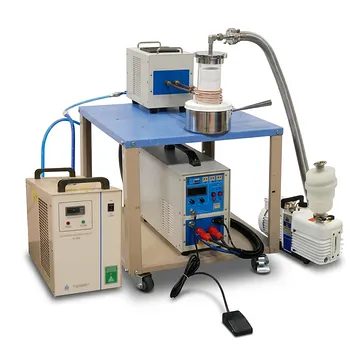
1900C Maximum High Temperature 7KW Vacuum Induction Melting System with 60mm Quartz Tube and Manual Temperature Control for Metallic Alloy Research
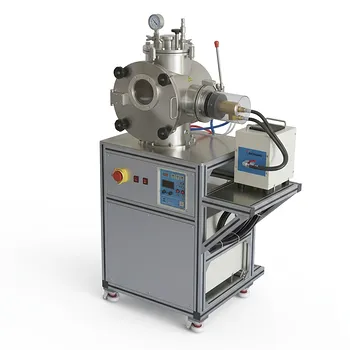
Induction Melting Casting Furnace 1750C Vacuum High Frequency Metal Processing Unit
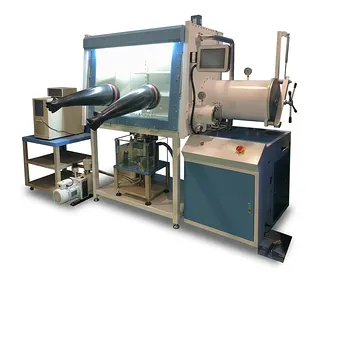
High Temperature Induction Melting System with Integrated Ultra High Purity Glove Box for Metallic Alloy Processing
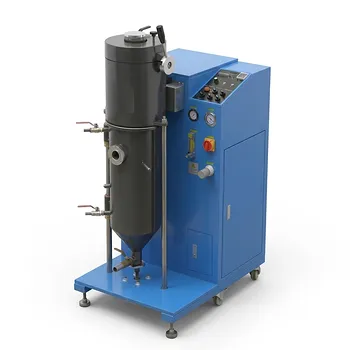
Atmosphere Controlled Induction Melting Granulating Casting Furnace 1500C 5kg Capacity
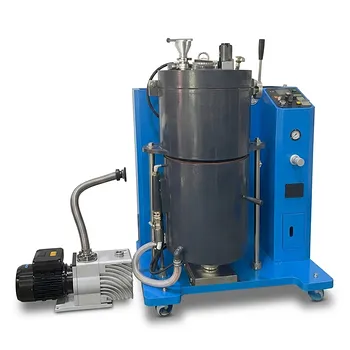
Atmosphere Controlled Induction Melting Casting System 1600C 10L Capacity
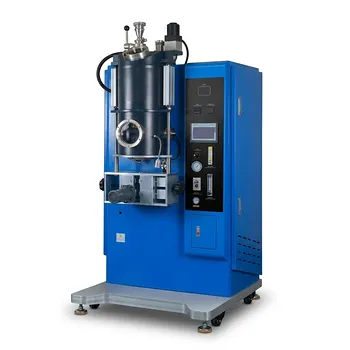
Atmosphere Controlled Continuous Casting Furnace with Secondary Charge Function for Induction Melting and Metal Alloy Wire Production
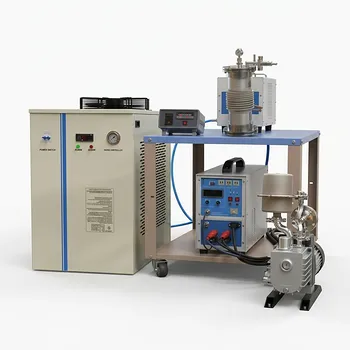
Induction Heating System with Temperature Control for High Temperature Vacuum Sintering and Melting
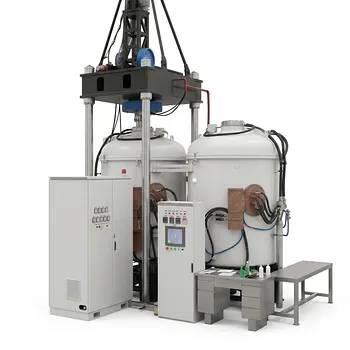
High Pressure 600T Vacuum Induction Hot Press Furnace for Advanced Material Heat Treatment and Sintering
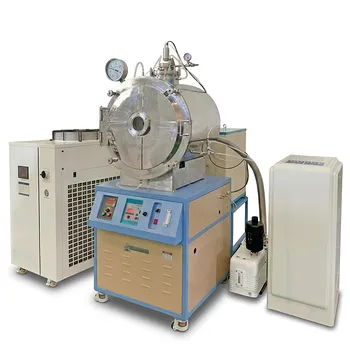
Ultra High Temperature Induction Heated Vacuum Furnace with Molten Salt Electrolysis Capability and 3000 Degree Precision Control
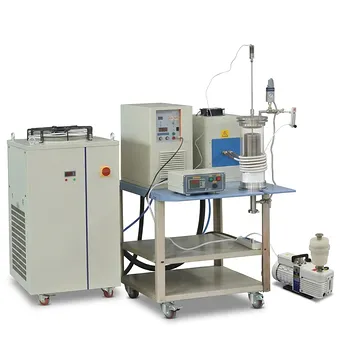
High Temperature Induction Melting System with Multi Cavity Crucible and 15KW Precision Digital Temperature Control
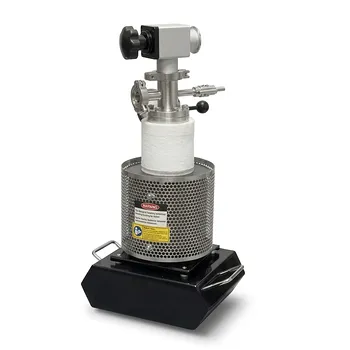
High Temperature 1100C Compact Top Loading Vertical Vacuum Tube Furnace for High Vacuum Noble Metal Melting and Material Research
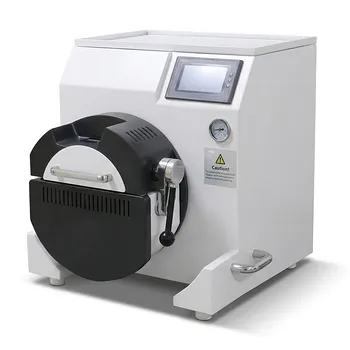
Desktop Induction Melting Furnace with Automatic Rotary Casting Function up to 1700C for Advanced Metal Alloy Research
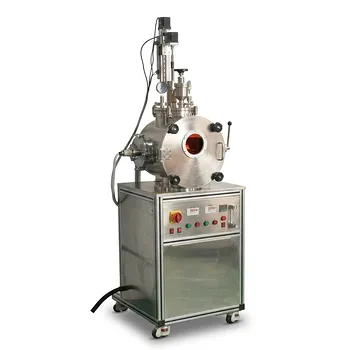
High Vacuum Melting Casting Furnace with Mechanical Stirring and Secondary Charge for Metallic Alloy Research
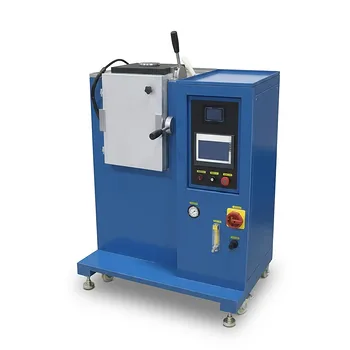
High Throughput Induction Melting and Casting Furnace for Superalloy Research 1700C Atmosphere Controlled Multi Sample System
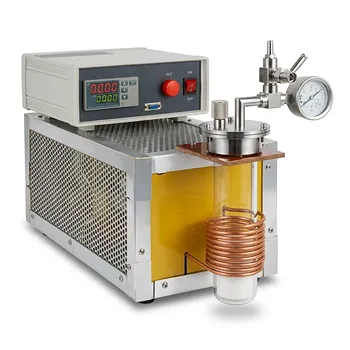
High Temperature Mini Induction Heating Furnace 1600C Laboratory Material Melting System
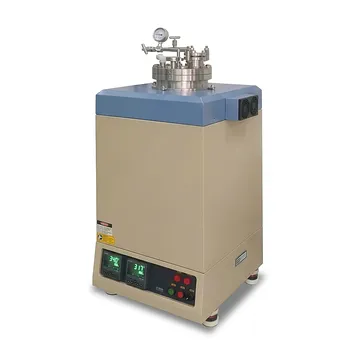
High Temperature 1000C Vacuum Furnace with 8 Inch ID Chamber for Material Sintering and Research Annealing
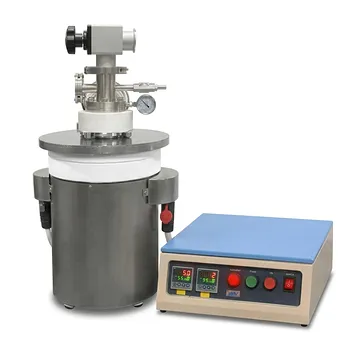
1100C High Temperature Vacuum Crucible Furnace with Quartz Chamber for Thermal Processing and Sintering
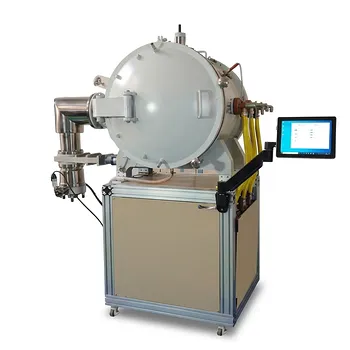
High Temperature Cold Wall Vacuum Furnace for Advanced Material Sintering and Annealing 1600C Heating Area 200x200x300mm
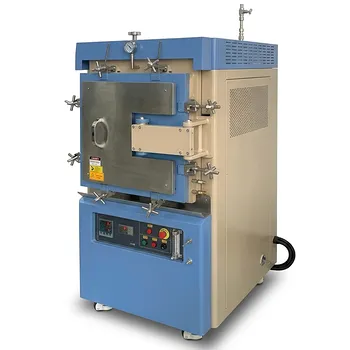
Atmosphere Controlled Muffle Furnace 1700C Maximum Temperature 80L High Capacity Vacuum Inert Gas Box Furnace
