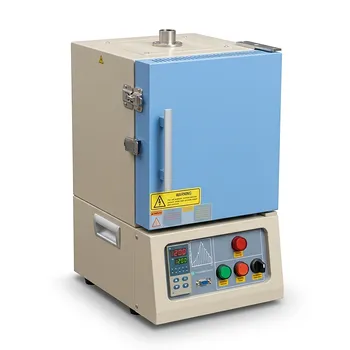
What is the function of a muffle furnace in NiMo/MgO catalyst prep? Optimize Calcination for Superior Activity
Updated 3 months ago
In the preparation of NiMo/MgO catalysts, the industrial muffle furnace is the primary tool for high-temperature calcination. Its specific function is to subject dried catalyst powder to a constant temperature of 500 °C for three hours, which facilitates the complete thermal decomposition of metal precursors into uniformly distributed oxide phases and stabilizes the carrier structure for subsequent reduction.
Core Takeaway: The muffle furnace acts as a thermochemical reactor that transforms unstable metal precursors into stable oxide phases while simultaneously engineering the catalyst's structural integrity and metal-support interactions.
Facilitating Chemical Phase Transformation
The muffle furnace provides the precise thermal environment necessary to drive the chemical conversion of the catalyst's raw components.
Complete Decomposition of Precursors
The furnace ensures that metal nitrates or other precursor salts are fully decomposed. This transition is vital because it removes volatile components and impurities, leaving behind the pure metal oxides required for catalytic activity.
Formation of Uniform Oxide Phases
By maintaining a stable isothermal environment, the furnace allows Nickel (Ni) and Molybdenum (Mo) to form uniformly distributed oxide phases across the Magnesium Oxide (MgO) support. This uniformity is a prerequisite for achieving high active-site density in the final catalyst.
Engineering Support Structure and Morphology
Beyond chemical changes, the muffle furnace is responsible for the physical "architecture" of the catalyst support.
Stabilization of the MgO Carrier
High-temperature treatment in the furnace stabilizes the crystalline phase of the MgO support. This process prevents the carrier from undergoing structural collapse or unwanted phase transitions during the high-stress conditions of industrial catalytic reactions.
Regulation of Porosity and Surface Area
The calcination process defines the final morphology and porosity of the MgO template. By controlling the heating rate and duration, the furnace helps ensure the material possesses the necessary surface area for effective reactant contact and carbon carrier growth.
Optimization of Metal-Support Interactions
The thermal energy provided by the muffle furnace determines how the active metals interact with the MgO support, which dictates the catalyst's ultimate performance.
Anchoring Active Components
Thermal treatment ensures that the metal oxides are firmly anchored within the surface pores of the support. This strong physical and chemical bond prevents metal leaching or sintering during subsequent processing stages.
Preparing for Active Phase Reduction
The furnace environment regulates the "ease of reduction" for the active nickel metal. By fine-tuning the metal-support interaction during calcination, the furnace sets the stage for the subsequent reduction step where the oxide is converted into its metallic, catalytically active form.
Understanding the Trade-offs
Precise control within the muffle furnace is a delicate balancing act between activity and stability.
Temperature vs. Surface Area
While higher temperatures (such as 830 °C) can promote the formation of solid solutions and enhance thermal stability, they may also lead to a decrease in surface area due to sintering. Finding the "sweet spot"—such as the 500 °C specified for NiMo/MgO—is critical to maintain high catalytic activity.
Risks of Incomplete Calcination
If the furnace fails to maintain a constant temperature or if the holding time is too short, residual nitrates may remain. This can lead to poor metal distribution and a catalyst that is prone to rapid deactivation or structural failure.
How to Apply This to Your Catalyst Synthesis
To achieve the best results with an industrial muffle furnace, your heating profile should be tailored to your specific material goals.
- If your primary focus is Maximum Activity: Adhere strictly to the 500 °C / 3-hour profile to ensure full decomposition without over-sintering the active metal particles.
- If your primary focus is High-Temperature Stability: Consider slightly increasing the calcination temperature to promote stronger metal-support interactions and more robust crystalline phases, provided the loss in surface area is acceptable.
- If your primary focus is Precise Morphology: Utilize a furnace with high-precision ramp rates to prevent "thermal shock" to the MgO precursors, ensuring the final template maintains its intended layered structure.
The muffle furnace is not merely a heater but a sophisticated tool for defining the chemical identity and structural durability of the NiMo/MgO catalyst.
Summary Table:
| Function | Key Process | Impact on Catalyst |
|---|---|---|
| Chemical Transformation | Thermal decomposition of precursors | Formation of pure, uniform metal oxide phases |
| Structural Engineering | MgO carrier stabilization | Prevents structural collapse and phase transitions |
| Surface Regulation | Porosity & surface area control | Ensures high reactant contact for better performance |
| Interaction Tuning | Metal-support anchoring | Prevents metal leaching/sintering during reduction |
Elevate Your Catalyst Research with THERMUNITS
Precision calcination is the foundation of high-performance catalyst synthesis. THERMUNITS is a leading manufacturer of high-temperature laboratory equipment specifically designed for material science and industrial R&D. Our state-of-the-art thermal processing solutions provide the exact isothermal control and ramp precision required for complex preparations like NiMo/MgO catalysts.
Our comprehensive product range includes:
- Furnaces: Muffle, Vacuum, Atmosphere, Tube, Rotary, and Hot Press furnaces.
- Advanced Systems: CVD/PECVD systems, Dental Furnaces, and Electric Rotary Kilns.
- Specialized Equipment: Vacuum Induction Melting (VIM) furnaces, Thermal Elements, and custom heat treatment tools.
Whether you are engineering support structures or optimizing metal-support interactions, our equipment ensures consistency and scalability. Contact us today to find the perfect thermal solution for your lab!
References
- Nonthicha Sae-tang, Sakhon Ratchahat. Simultaneous production of syngas and carbon nanotubes from CO2/CH4 mixture over high-performance NiMo/MgO catalyst. DOI: 10.1038/s41598-024-66938-6
Mentioned Products
- 1200C High Temperature Muffle Furnace with Motorized Door and Automated PC Control for Industrial Sintering and Material Processing 27 Liter
- Industrial Large Box Furnace 1700C 216L High Temp Muffle Sintering System
- 1200C High Temperature 125L Muffle Furnace 5 Side Heating for Large Batch Sintering with Optional Alloy Debinding Chamber
- 1200C Muffle Furnace 12x8x5 7.2L Heating Chamber with Quartz Observation Window and Vent Port
- 1200C Five Side Heating Muffle Furnace with Sliding Door 125L Volume High Temperature Heat Treatment System for Large Scale Sintering and Annealing
People Also Ask
- What is the role of a High-Temperature Muffle Furnace in the synthesis of bulk graphitic carbon nitride (CN)? Expert Guide
- What safety features are standard in high-temperature muffle furnaces? Essential Guide to Laboratory Equipment Safety
- What is the purpose of preheating charcoal in a high-temperature muffle furnace? Ensure Accuracy in Zinc Reduction.
- What is the role of a high-temperature muffle furnace or tube furnace in the preparation of Na2WO4/SiO2 catalysts?
- What role does a high-temperature muffle furnace play in ash content analysis? Ensure Purity & Adsorption Efficiency

Tech Team · ThermUnits
Last updated on Jun 03, 2026
Related Products
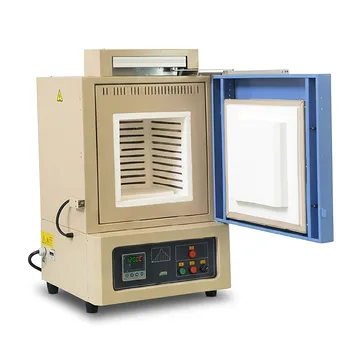
1200C High Temperature Muffle Furnace with Motorized Door and Automated PC Control for Industrial Sintering and Material Processing 27 Liter
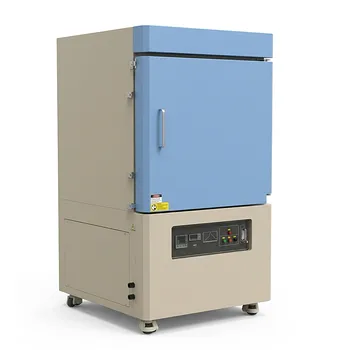
Industrial Large Box Furnace 1700C 216L High Temp Muffle Sintering System
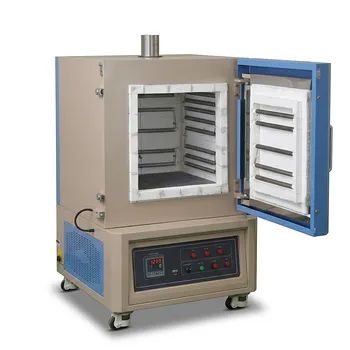
1200C High Temperature 125L Muffle Furnace 5 Side Heating for Large Batch Sintering with Optional Alloy Debinding Chamber
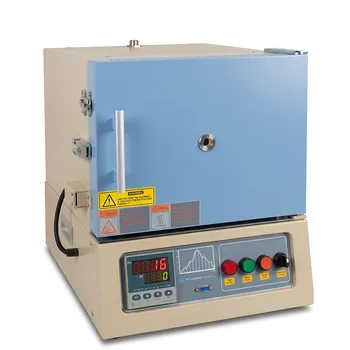
1200C Muffle Furnace 12x8x5 7.2L Heating Chamber with Quartz Observation Window and Vent Port
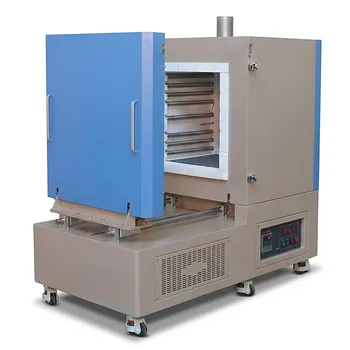
1200C Five Side Heating Muffle Furnace with Sliding Door 125L Volume High Temperature Heat Treatment System for Large Scale Sintering and Annealing
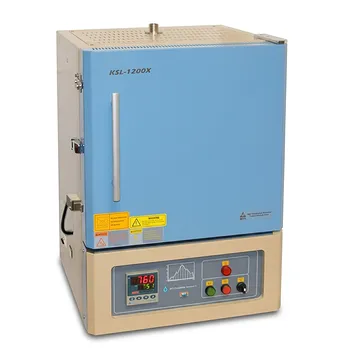
High Temperature 1200C Muffle Furnace 27L Volume 12x12x12 Chamber with Programmable PID Controller for Laboratory Material Science
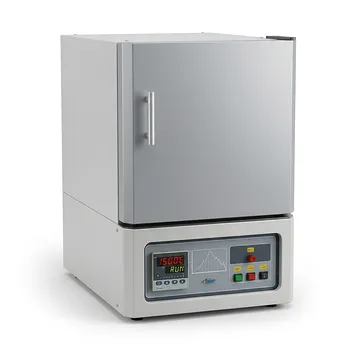
High Temperature 1500C Benchtop Muffle Furnace 3.6L Alumina Fiber Chamber Programmable Controller Sintering Annealing Carbonization Thermal Processing System
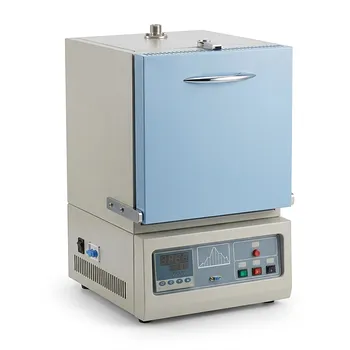
1750C Compact Muffle Furnace 1.7L Ultra High Temperature Laboratory Sintering System for Advanced Ceramics and Material Science Research
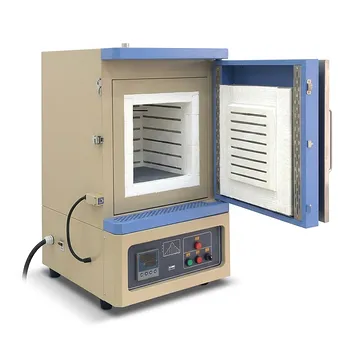
Five Side Heating Muffle Furnace High Purity Alumina Fiber 27L Chamber 1200C High Temperature Thermal Processing System for Sintering Annealing and Materials Research
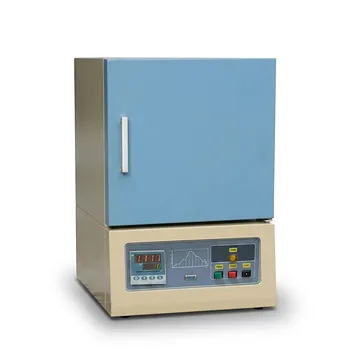
Ultra High Temperature Bench Top Muffle Furnace 1750C Sintering System with Kanthal Super Heating Elements and Precision Digital Control
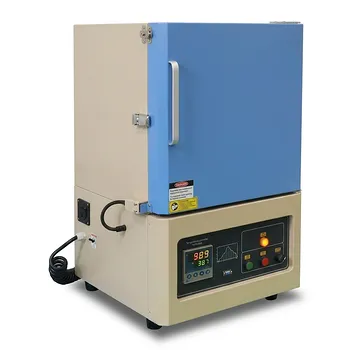
1200°C High Temperature Muffle Furnace 19L Chamber with 50 Segment Programmable Controller
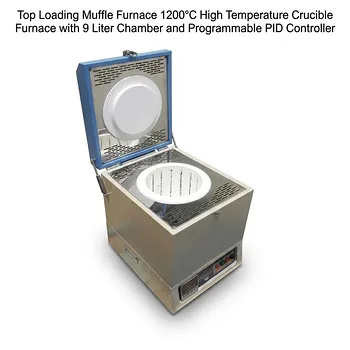
Top Loading Muffle Furnace 1200°C High Temperature Crucible Furnace with 9 Liter Chamber and Programmable PID Controller
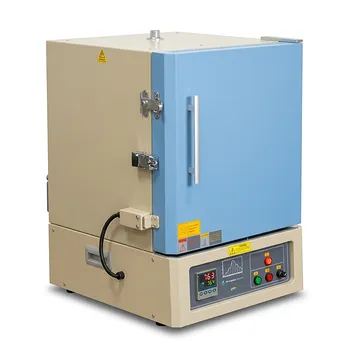
Large Capacity 1200C Muffle Furnace 64 Liter Chamber with Digital PID Controller and Built In Venting Port
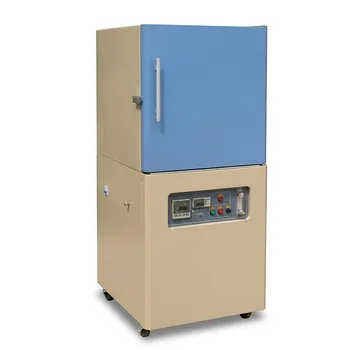
High Temperature Muffle Furnace with Dual Controllers and 36L Large Chamber 1700C Max
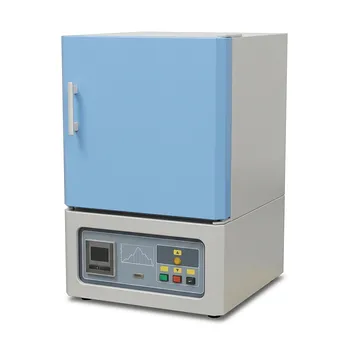
1800C Bench Top Muffle Furnace with Kanthal Super 1900 Heating Elements and 3.6L Alumina Fiber Chamber
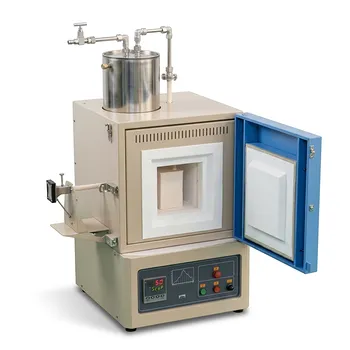
High Temperature Bench Top Muffle Furnace 1700C with Integrated Evaporating Particle Collection and 8x8x8 Alumina Fiber Chamber
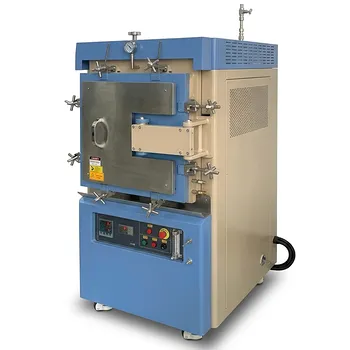
Atmosphere Controlled Muffle Furnace 1700C Maximum Temperature 80L High Capacity Vacuum Inert Gas Box Furnace
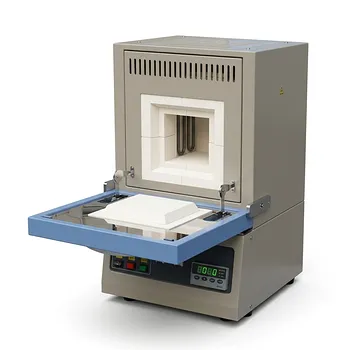
Five Sided Heating Muffle Furnace High Uniformity 1200C Lab Box Furnace 27L Alumina Fiber Chamber
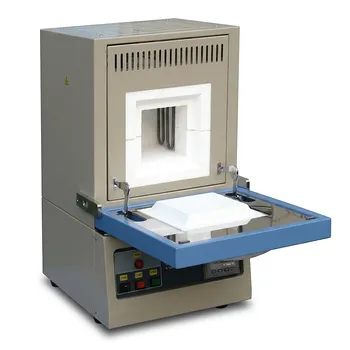
High Temperature 1800C Compact Muffle Furnace with Kanthal Super 1900 Heating Elements and 1.7L Alumina Chamber