What role do support and rotation systems play in rotary furnace operation? Ensure Stability and Precision Flow
Updated 5 months ago
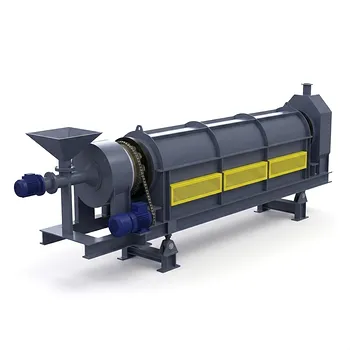
The support and rotation system acts as the mechanical foundation of a rotary furnace, providing both structural stability and the means for material transport. This system manages the immense weight of the kiln while enabling the controlled, low-speed rotation necessary for uniform heat exposure. By integrating riding rings, support rollers, and precision drive assemblies, it ensures the furnace can operate continuously under extreme thermal and physical stress.
The core function of these systems is to distribute the furnace’s load and manage its axial alignment to prevent mechanical drift. This synchronization allows the furnace to utilize gravity and rotation to move material through the pyroprocessing cycle with high efficiency.
The Mechanics of Load Distribution
The Function of Riding Rings (Tyres)
The riding rings, or tyres, are large steel components that encircle the kiln shell. They serve as the primary contact points, transmitting the entire weight of the rotating furnace and its internal load to the support rollers.
The Role of Support Rollers and Bearings
Support rollers are positioned beneath the riding rings to cradle the kiln's weight. These rollers utilize low-friction bearings to ensure the assembly rotates smoothly, minimizing the energy required by the drive system to maintain motion.
Managing Internal Load Distribution
As the furnace rotates, the internal material constantly shifts and tumbles. The support system must be robust enough to handle these shifting centers of gravity without compromising the structural integrity of the shell.
Controlled Motion and Material Flow
The Drive System and Girth Gear
Rotation is typically generated by a variable-speed electric motor connected to a girth gear that surrounds the kiln. This system allows for precise control over the rotation speed, which is critical for managing the "residence time" of the material inside the furnace.
Utilizing the Kiln Incline
Rotary furnaces are mounted at a slight angle, usually between 1 and 4 degrees. This inclination, combined with mechanical rotation, uses gravity to tumble material from the feed end toward the discharge end for continuous processing.
Preventing Axial Migration
Because of the kiln's incline, the entire assembly naturally wants to slide downward. Thrust rollers are strategically placed to counteract this axial migration, keeping the kiln perfectly aligned on its support rollers during operation.
Understanding the Trade-offs
Mechanical Stress vs. Production Speed
Increasing the rotation speed can improve material mixing and throughput, but it significantly accelerates the wear on the riding rings and gears. Operators must balance the need for high production volume with the increased risk of mechanical fatigue and maintenance costs.
Alignment Sensitivity and Heat Expansion
The metal shell of the furnace expands significantly as it reaches operating temperatures. If the support system is too rigid or misaligned, this thermal expansion can cause the riding rings to bind or the shell to warp, leading to catastrophic failure.
Maintenance Complexity
While low-friction bearings and variable-speed motors improve efficiency, they also increase the complexity of the system. Sophisticated monitoring is required to detect early signs of bearing failure or gear misalignment, as an unexpected shutdown can result in the material "freezing" inside the kiln.
Optimizing Your Furnace Operation
To ensure the longevity and efficiency of your rotary furnace, maintenance and operational strategies should be tailored to your specific processing requirements.
- If your primary focus is maximizing component lifespan: Implement a rigorous lubrication schedule for the bearings and girth gear while maintaining a consistent, moderate rotation speed to minimize friction wear.
- If your primary focus is high material throughput: Utilize the variable-speed motor to find the highest stable rotation rate, but increase the frequency of axial alignment checks to ensure the thrust rollers are not being overloaded.
- If your primary focus is thermal precision: Focus on maintaining a steady, slow rotation to ensure uniform material tumbling, which prevents cold spots and ensures complete calcination or sintering.
A well-maintained support and rotation system is the most critical factor in achieving reliable, long-term performance in high-temperature industrial processing.
Summary Table:
| Component | Primary Function | Impact on Operation |
|---|---|---|
| Riding Rings (Tyres) | Transmit total kiln weight | Primary contact point for load distribution |
| Support Rollers | Cradle weight via bearings | Minimizes friction for smooth rotation |
| Drive System | Provide rotational torque | Controls residence time and material flow |
| Thrust Rollers | Counteract axial migration | Prevents mechanical drift on the kiln incline |
Optimize Your Thermal Processing with THERMUNITS
As a leading manufacturer of high-temperature laboratory equipment, THERMUNITS provides state-of-the-art thermal solutions for material science and industrial R&D. From advanced electric rotary kilns and CVD/PECVD systems to specialized vacuum induction melting furnaces (VIM), our equipment is engineered for precision, durability, and high-performance heat treatment.
Whether you need to maximize material throughput or ensure long-term mechanical stability in your furnace operations, our experts are here to assist. Contact us today to explore how our comprehensive range of solutions—including Muffle, Atmosphere, Tube, and Hot Press furnaces—can elevate your laboratory or industrial production capabilities.
Mentioned Products
- 900°C Max Rotary Tube Furnace with 8 Inch 310S Alloy Tube and Optional Multi Zone Heating for Industrial Material Calcination
- 1500C 3-Zone Rotary Tube Furnace 60mm with Automatic Powder Feeding and Receiving System for Continuous Material Synthesis
- High Temperature 1700C Dual Zone Rotary Tube Furnace with 60mm Alumina Tube and Precision Rotation Control
- Mini Rotary Tubular Furnaces for Precision Powder Heat Treatment and Thermogravimetric Analysis
- Three Zone Rotary Tube Furnace for High Temperature Powder Processing and Material Research
People Also Ask
- How does a rotary tube furnace improve the processing of granular materials? Enhance Uniformity and Reaction Kinetics
- Why use a rotary tube furnace for FACS carbonization? Ensure uniform morphology and prevent sphere agglomeration.
- Why is the precise optimization of residence time essential in the catalyst calcination process? Maximize Your Yields.
- In what ways do rotary tube furnaces enhance chemical and specialty mineral processing? Drive Precision and Uniformity.
- What parameters must operators control to maintain product quality in a rotary furnace? Master Your Heat Treatment.

Tech Team · ThermUnits
Last updated on Apr 14, 2026
Related Products
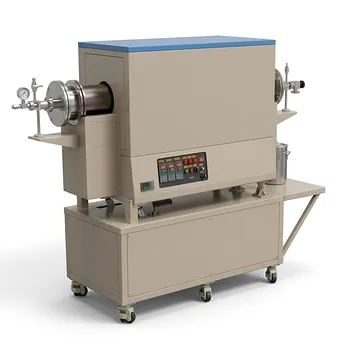
900°C Max Rotary Tube Furnace with 8 Inch 310S Alloy Tube and Optional Multi Zone Heating for Industrial Material Calcination
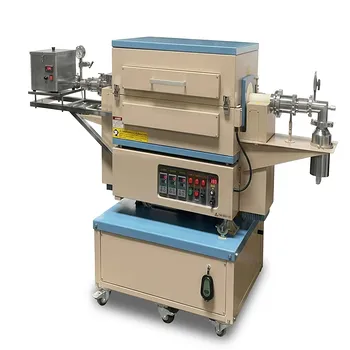
1500C 3-Zone Rotary Tube Furnace 60mm with Automatic Powder Feeding and Receiving System for Continuous Material Synthesis
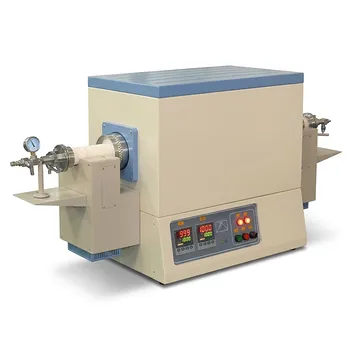
High Temperature 1700C Dual Zone Rotary Tube Furnace with 60mm Alumina Tube and Precision Rotation Control
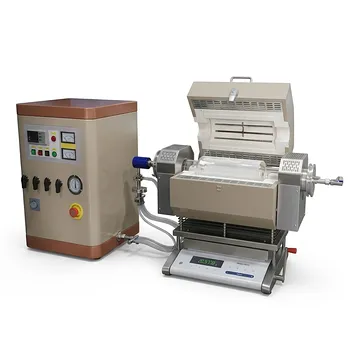
Mini Rotary Tubular Furnaces for Precision Powder Heat Treatment and Thermogravimetric Analysis
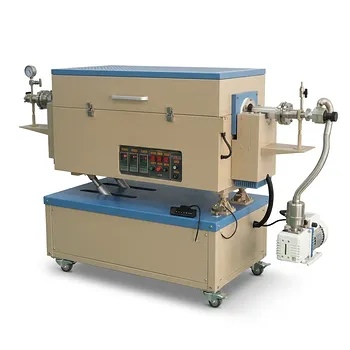
Three Zone Rotary Tube Furnace for High Temperature Powder Processing and Material Research
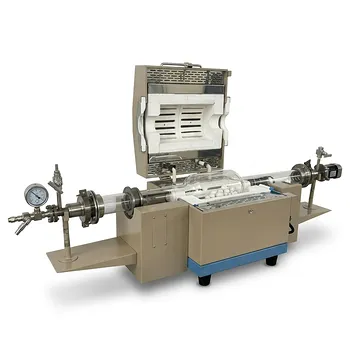
High Temperature Rotary Tube Furnace with Integrated Ball Milling and Gas Flow Function for Powder Nitriding
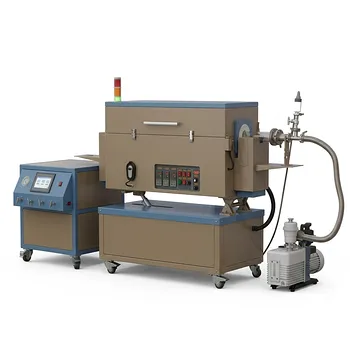
5 Inch Three Zone Rotary Tube Furnace with Integrated Gas Delivery System and 1200C Capability for Advanced Material CVD Processing
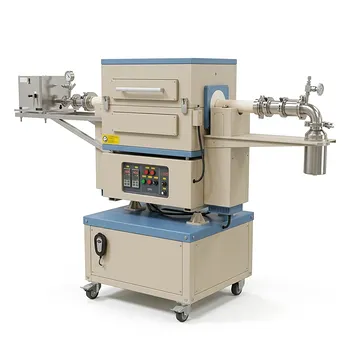
1500C Max Dual Zone Rotary Tube Furnace with 60 mm OD Alumina Tube for High Temperature Material Synthesis
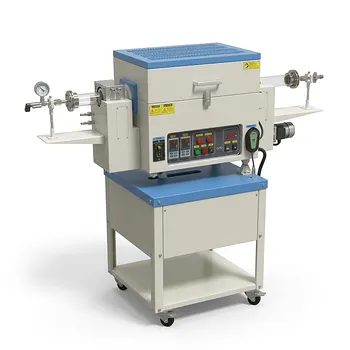
4 Inch Two Zone Rotary CVD Tube Furnace for High Temperature Battery Material Synthesis and Advanced Material Calcination
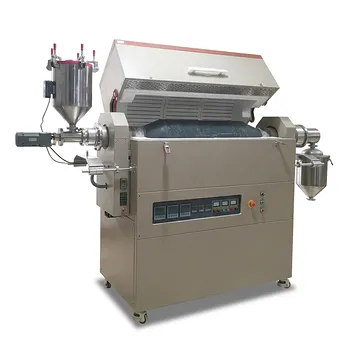
High Temperature Tilting Rotary Tubular Furnace for Continuous Powder Thermal Processing and Controlled Atmosphere Sintering
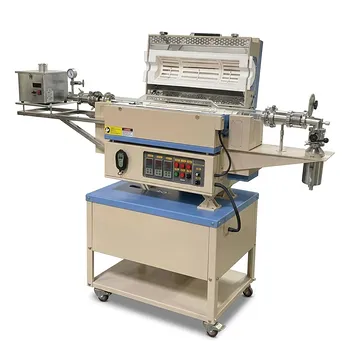
5 Inch Rotary Tube Furnace with Automatic Feeding and Receiving System 1200C Three Zone CVD Powder Processing
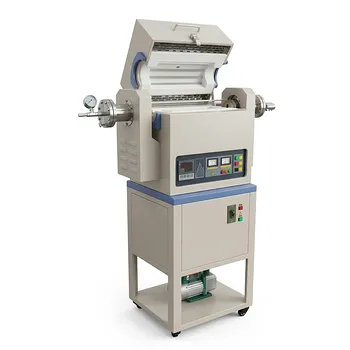
High Temperature Rotary Tilt Tubular Furnaces for Advanced Powder Sintering and Material Processing
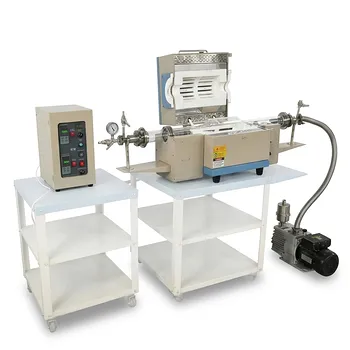
Two Zone Rotary Tube Furnace for Powder CVD Coating and Core Shell Material Synthesis 1100C
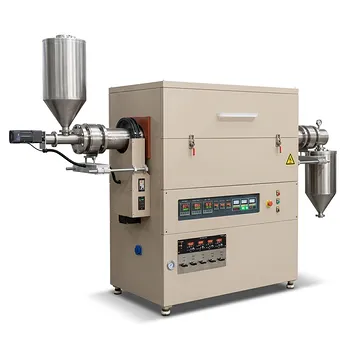
High Temperature Tilting Rotary Tube Furnace with Integrated Mass Flow Control and Multi Zone Heating
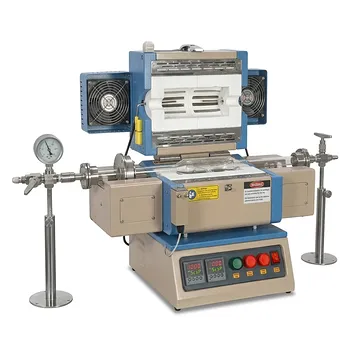
Dual Zone Rotary Tube Furnace for Uniform Powder Calcination 1000C 2 Inch Quartz Tube
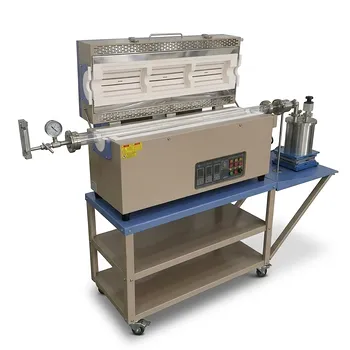
5 Inch Two Zone Rotary Tube Furnace 1100C for Powder CVD and Material Synthesis
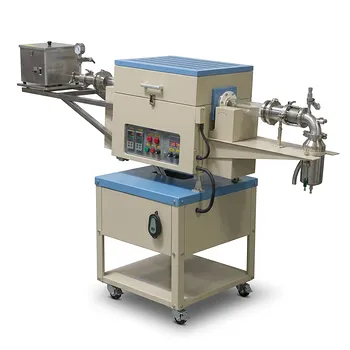
Two Zone Rotary CVD Furnace with Automatic Feeding and Receiving System for Powder Processing
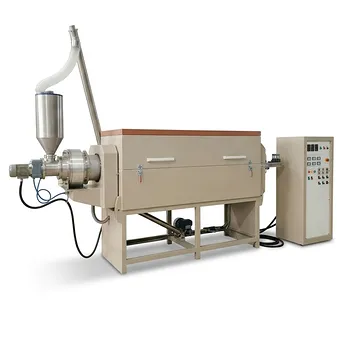
Continuous Feeding Rotary Tube Furnace for Industrial Powder Heat Treatment and Material Research
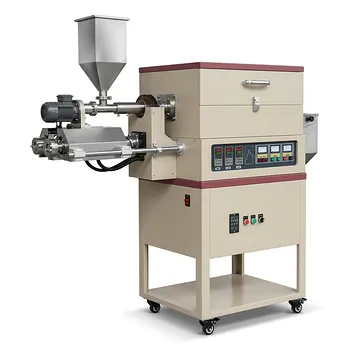
Laboratory Tilting Rotary Tubular Furnaces for Material Science and Industrial Heat Treatment