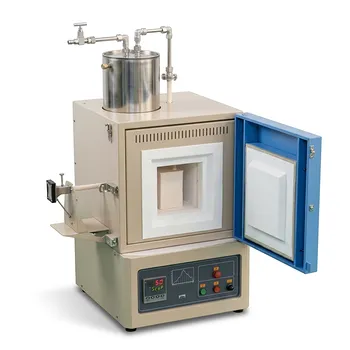
What role does a box resistance furnace play in the co-sintering of phosphor glass films? Essential Thermal Precision
Updated 3 months ago
The box resistance furnace serves as the critical thermal control unit for the co-sintering of CSSO:Ce,Cr,Li phosphor glass films. By maintaining a constant temperature of approximately 620 °C, the furnace induces the viscous flow of glass powder, allowing it to densely encapsulate the phosphor particles. This precise process facilitates a strong mechanical bond between the resulting film and its sapphire substrate while strictly limiting degradative chemical reactions.
The furnace provides the precise thermal budget required to liquefy the glass matrix without compromising the phosphor's luminescence. Its primary role is to achieve material densification and substrate adhesion while safeguarding the phosphor's original quantum efficiency.
The Mechanics of Thermal Encapsulation
Inducing Viscous Flow at 620 °C
The primary function of the furnace is to provide a stable environment that reaches the softening point of the glass powder. At approximately 620 °C, the glass begins to flow, filling the interstitial spaces between the CSSO:Ce,Cr,Li phosphor particles.
This thermal energy is essential for densification, ensuring the glass matrix becomes a continuous, protective medium rather than a porous structure.
Facilitating Substrate Adhesion
Beyond particle encapsulation, the furnace drives the interaction between the glass film and the sapphire substrate. The controlled heat allows the glass to wet the substrate surface, creating a robust physical and chemical bond.
This ensures the finished film remains structurally stable during subsequent cooling and use in high-performance optical applications.
Maintaining Optical Performance
Minimizing Interfacial Reactions
A critical role of the muffle furnace is the temporal regulation of heat, typically limited to a duration of 50 minutes. This specific window is designed to prevent excessive chemical diffusion between the glass matrix and the phosphor.
By keeping these interfacial reactions to a minimum, the furnace ensures that the chemical composition of the CSSO:Ce,Cr,Li phosphor remains unchanged.
Preserving Quantum Efficiency
The precise temperature control directly impacts the final optical output of the film. If the furnace temperature fluctuates or exceeds the set point, the phosphor’s crystal structure could degrade.
The furnace's ability to maintain a uniform temperature field is what allows the phosphor to retain its original quantum efficiency within the glass matrix.
Understanding the Trade-offs
The Risk of Excessive Duration
While 50 minutes is required for densification, exceeding this duration in the furnace can lead to unwanted crystallization or grain growth. As seen in similar glass systems, excessive heat treatment can cause the glass to become opaque, scattering light and reducing transparency.
Thermal Gradients and Stress
If the heating or cooling rates are not strictly programmed (for example, at rates like 5 °C per minute), thermal stresses can develop. These stresses may lead to cracking at the interface of the phosphor film and the sapphire substrate due to mismatched thermal expansion.
How to Apply This to Your Project
Making the Right Choice for Your Goal
To achieve the best results with CSSO:Ce,Cr,Li phosphor glass films, your furnace protocol must align with your specific performance requirements:
- If your primary focus is Maximum Luminescence: Prioritize the "minimal reaction" window by strictly adhering to the 620 °C limit and the 50-minute duration to prevent phosphor degradation.
- If your primary focus is Mechanical Durability: Focus on the furnace's heating curve to ensure the glass fully wets the sapphire substrate, creating a stronger bond.
- If your primary focus is Optical Clarity: Monitor the furnace for temperature uniformity to prevent localized "hot spots" that could trigger scattering-inducing crystallization within the glass matrix.
The box resistance furnace is not merely a heat source, but a precision instrument that balances the physical flow of the glass matrix against the chemical stability of the phosphor.
Summary Table:
| Key Role | Process Impact | Critical Parameter |
|---|---|---|
| Viscous Flow Induction | Melts glass powder to encapsulate phosphor particles densely. | 620 °C (Softening Point) |
| Substrate Adhesion | Facilitates mechanical bonding between glass film and sapphire. | Precise Wetting Control |
| Chemical Stability | Minimizes interfacial reactions to preserve quantum efficiency. | 50-Minute Temporal Limit |
| Stress Management | Prevents cracking by controlling heating/cooling gradients. | 5 °C / Minute Rate |
Elevate Your Material Research with THERMUNITS Precision
Achieving the perfect balance of densification and optical efficiency in CSSO:Ce,Cr,Li phosphor films requires world-class thermal stability. THERMUNITS is a leading manufacturer of high-temperature laboratory equipment dedicated to supporting material science and industrial R&D.
Our comprehensive range of thermal processing solutions—including Muffle, Vacuum, Atmosphere, Tube, and Rotary furnaces, as well as CVD/PECVD systems—provides the uniform temperature fields and programmable control necessary for sensitive heat treatments. Whether you are working on phosphor encapsulation, vacuum induction melting (VIM), or advanced dental ceramics, our equipment is engineered to safeguard your material's integrity.
Ready to optimize your sintering protocol?
Contact our technical experts today to find the ideal furnace solution for your laboratory needs.
References
- Ping Sui, Yuansheng Wang. A Ca<sub>3</sub>Sc<sub>2</sub>Si<sub>3</sub>O<sub>12</sub>:Ce<sup>3+</sup>,Cr<sup>3+</sup>,Li<sup>+</sup> phosphor-in-glass film for high-power laser-driven near-infrared lighting. DOI: 10.1039/d4tc03017f
Mentioned Products
- Five Sided Heating Muffle Furnace High Uniformity 1200C Lab Box Furnace 27L Alumina Fiber Chamber
- 1200°C Five Side Heating Atmosphere Controlled Muffle Furnace 64 Liter High Uniformity Box Furnace for Material Synthesis
- Industrial Large Box Furnace 1700C 216L High Temp Muffle Sintering System
- Atmosphere Controlled Muffle Furnace 1700C Maximum Temperature 80L High Capacity Vacuum Inert Gas Box Furnace
- 1200°C Small Box Furnace 4.2 Liter Programmable Muffle Furnace with High Purity Alumina Insulation and PID Control
People Also Ask
- What are the benefits of using muffle furnaces in pharmaceutical and biomedical applications? Maximize Purity & Compliance
- Why is the thermal environment provided by high-precision laboratory ovens or muffle furnaces essential? Achieve Precision.
- How is the ash content of polymers and plastics determined using a muffle furnace? Essential Guide for QC & R&D
- Why is a muffle furnace used for a 220°C preliminary baking after coating α-Fe2O3 nanorods with melamine? Explained
- How does the heating mechanism of a muffle furnace differ from that of an open-flame furnace? Indirect vs Direct Heat

Tech Team · ThermUnits
Last updated on Jun 02, 2026
Related Products
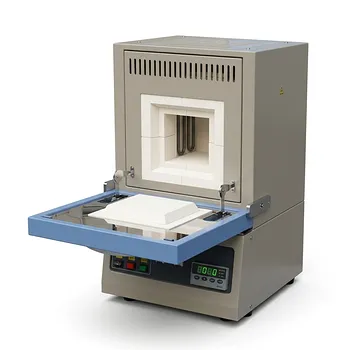
Five Sided Heating Muffle Furnace High Uniformity 1200C Lab Box Furnace 27L Alumina Fiber Chamber
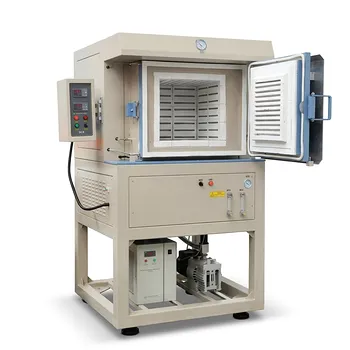
1200°C Five Side Heating Atmosphere Controlled Muffle Furnace 64 Liter High Uniformity Box Furnace for Material Synthesis
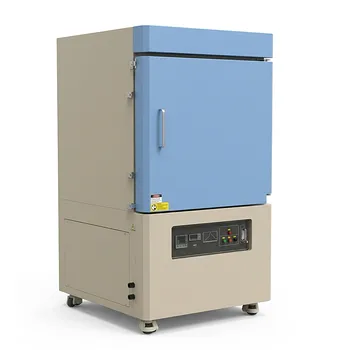
Industrial Large Box Furnace 1700C 216L High Temp Muffle Sintering System
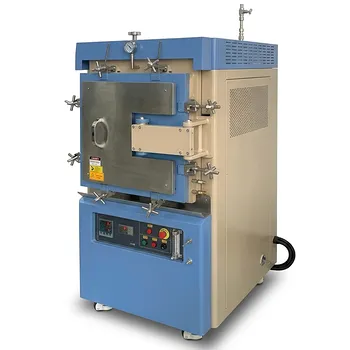
Atmosphere Controlled Muffle Furnace 1700C Maximum Temperature 80L High Capacity Vacuum Inert Gas Box Furnace
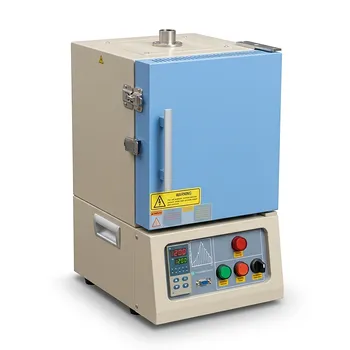
1200°C Small Box Furnace 4.2 Liter Programmable Muffle Furnace with High Purity Alumina Insulation and PID Control
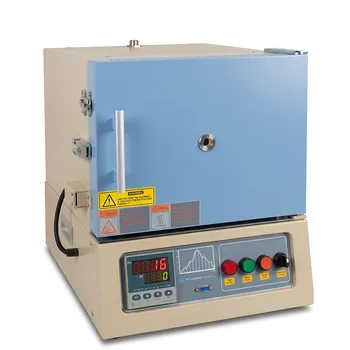
1200C Muffle Furnace 12x8x5 7.2L Heating Chamber with Quartz Observation Window and Vent Port
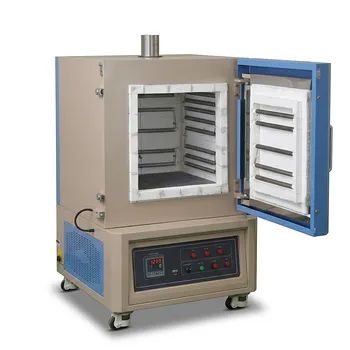
1200C High Temperature 125L Muffle Furnace 5 Side Heating for Large Batch Sintering with Optional Alloy Debinding Chamber
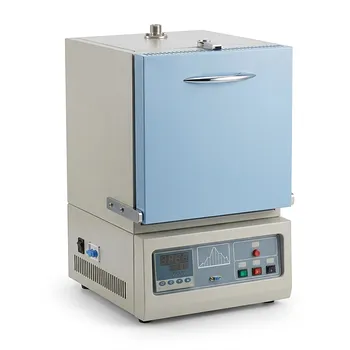
1750C Compact Muffle Furnace 1.7L Ultra High Temperature Laboratory Sintering System for Advanced Ceramics and Material Science Research
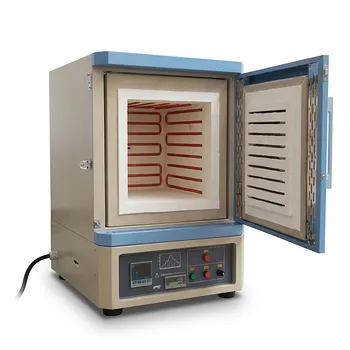
Five Side Heating Muffle Furnace 1200C High Uniformity 64L Chamber 16x16x16 Inch Industrial Heat Treatment
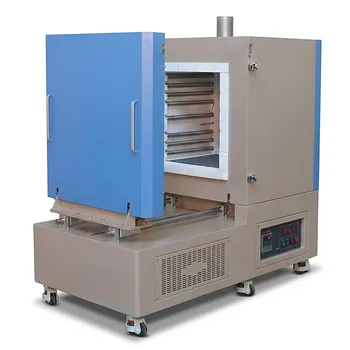
1200C Five Side Heating Muffle Furnace with Sliding Door 125L Volume High Temperature Heat Treatment System for Large Scale Sintering and Annealing
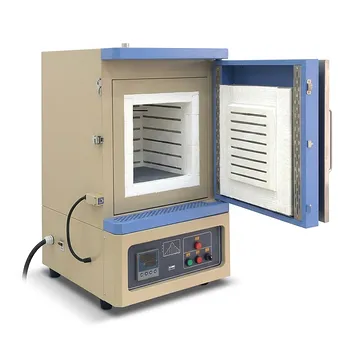
Five Side Heating Muffle Furnace High Purity Alumina Fiber 27L Chamber 1200C High Temperature Thermal Processing System for Sintering Annealing and Materials Research
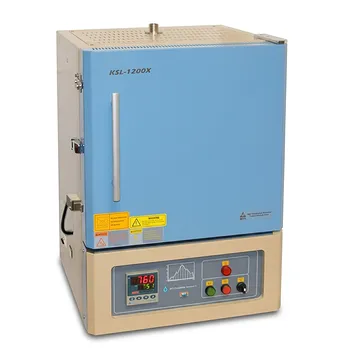
High Temperature 1200C Muffle Furnace 27L Volume 12x12x12 Chamber with Programmable PID Controller for Laboratory Material Science
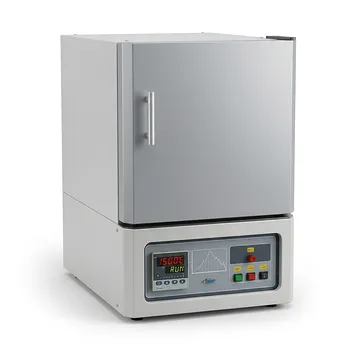
High Temperature 1500C Benchtop Muffle Furnace 3.6L Alumina Fiber Chamber Programmable Controller Sintering Annealing Carbonization Thermal Processing System
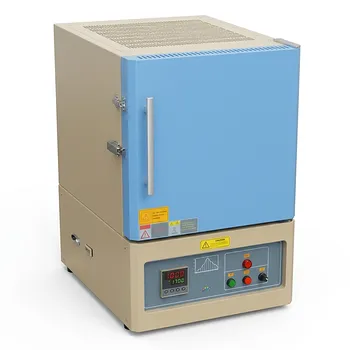
Large Bench Top 1700C High Temperature Muffle Furnace with 19L Chamber for Advanced Material Sintering and Annealing
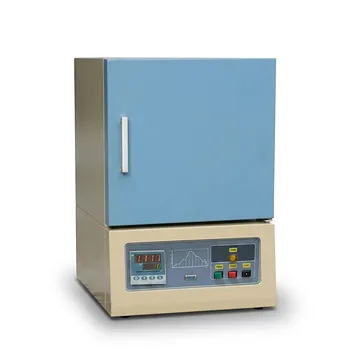
Ultra High Temperature Bench Top Muffle Furnace 1750C Sintering System with Kanthal Super Heating Elements and Precision Digital Control
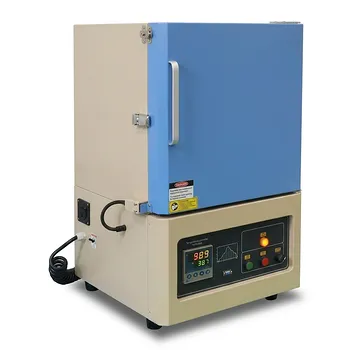
1200°C High Temperature Muffle Furnace 19L Chamber with 50 Segment Programmable Controller
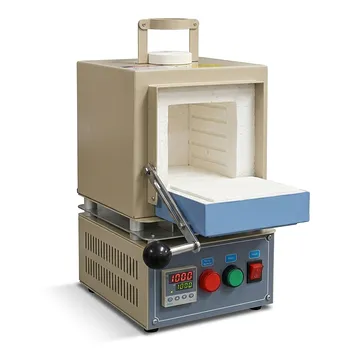
Compact 1000C Muffle Furnace with Programmable Controller and 2 Inch Top Port for Vacuum and Atmosphere Material Research
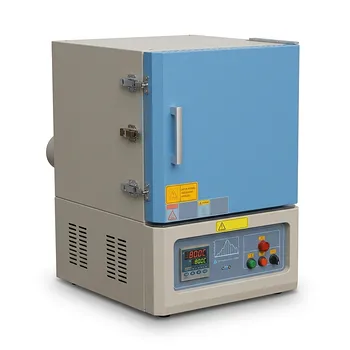
1800C Bench Top Muffle Furnace 18 Liters with Kanthal Super 1900 Heating Elements for High Purity Ceramic Sintering and Material Research
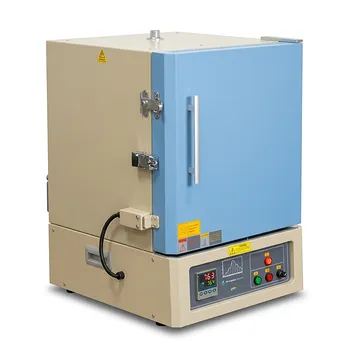
Large Capacity 1200C Muffle Furnace 64 Liter Chamber with Digital PID Controller and Built In Venting Port