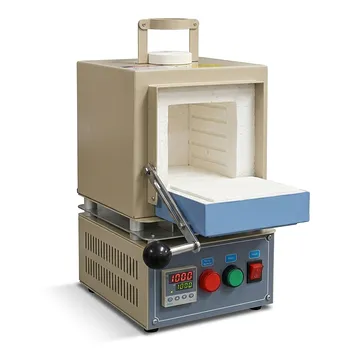
What role does a laboratory muffle furnace play in the pre-carbonization of bagasse? Mastering Biomass Pyrolysis
Updated 5 months ago
In the pre-carbonization of bagasse, the laboratory muffle furnace serves as the primary thermal processing unit. Its role is to provide a stable, high-temperature environment—typically around 400°C—under limited oxygen conditions to facilitate the thermal decomposition of the biomass. This process removes volatile matter and transforms the raw bagasse into a stable "pyrochar" structure, which provides the necessary physical foundation for subsequent high-temperature activation steps.
Core Takeaway: The muffle furnace acts as a controlled reactor that converts raw bagasse into carbon-rich precursors by precisely regulating temperature and oxygen. This initial transformation is essential for establishing the structural framework required to develop high-performance activated carbon.
The Role of Controlled Thermal Decomposition
Maintaining a Stable High-Temperature Environment
The furnace provides the precise thermal energy required to trigger the thermochemical decomposition, or pyrolysis, of the bagasse raw material. While specific temperatures can vary between 300°C and 400°C, a stable environment ensures that the biomass is heated uniformly. This uniformity is critical for maintaining experimental repeatability and ensuring the quality of the resulting carbon matrix.
Regulating Atmospheric Conditions
A muffle furnace allows for thermal treatment under limited air or oxygen-deficient conditions. By restricting oxygen, the furnace prevents the bagasse from simply combusting into ash. Instead, it induces a controlled chemical breakdown that preserves the carbon structure while allowing unwanted components to escape as gases.
Precise Control of Heating Rates
Modern muffle furnaces allow researchers to set specific heating curves and constant temperature durations. Managing how quickly the bagasse reaches its target temperature is vital for controlling the rate of volatile release. A controlled rate prevents structural collapse and helps initiate the early development of surface pores.
Structural Transformation of Bagasse
Removal of Volatile Components
The intense heat within the furnace drives off volatile organic compounds (VOCs) and moisture. This process involves the thermal decomposition of complex organic polymers found in bagasse, specifically hemicellulose, cellulose, and lignin. Removing these substances is a prerequisite for enriching the material's carbon content.
Formation of the Pyrochar Framework
As volatiles escape, the remaining solid residue begins to form a solid carbon matrix. This "pyrochar" or "biochar" serves as the preliminary carbonized framework. It is the physical substrate upon which chemical activators will later "etch" more complex micropore and mesopore networks.
Enrichment of Carbon Domains
Through the pre-carbonization process, the furnace effectively increases the fixed carbon content of the material. By eliminating non-carbon elements, the furnace transforms the bagasse from a raw agricultural byproduct into a dense carbon precursor. This precursor is much more receptive to the chemical reactions required during the final activation stage.
Understanding the Trade-offs
Temperature Precision vs. Structural Integrity
Setting the furnace temperature too high during the pre-carbonization stage can lead to excessive shrinkage or the closing of nascent pores. Conversely, if the temperature is too low (e.g., below 300°C), the volatile removal may be incomplete, leading to a low-quality precursor that hinders the efficiency of the activation step.
Heating Rate vs. Pore Development
Rapid heating rates in the muffle furnace can cause a "flash" release of volatiles, which may rupture the delicate internal walls of the biomass. While faster heating is more time-efficient, a slower, controlled ramp is usually preferred to preserve the structural integrity of the carbon domains and ensure a more uniform pore distribution.
How to Apply This to Your Project
When utilizing a muffle furnace for bagasse pre-carbonization, your settings should align with your specific material goals:
- If your primary focus is maximizing surface area: Utilize a lower heating rate (e.g., 5-10°C/min) to 400°C to preserve the internal cellular structure of the bagasse.
- If your primary focus is high fixed carbon yield: Ensure the furnace environment is strictly oxygen-limited and maintain a longer "soak time" at your target temperature to ensure complete decomposition of lignin.
- If your primary focus is experimental repeatability: Use a furnace with programmable PID controllers to ensure the thermal curve remains identical across all batches.
The success of bagasse-based activated carbon depends entirely on the stability and precision of the initial thermal foundation established within the muffle furnace.
Summary Table:
| Function | Key Parameter | Strategic Benefit |
|---|---|---|
| Thermal Decomposition | 300°C - 400°C | Removes VOCs and moisture while enriching fixed carbon. |
| Atmosphere Regulation | Oxygen-limited | Induces controlled pyrolysis and prevents combustion to ash. |
| Heating Rate Control | 5-10°C/min | Preserves internal cellular structure and surface pore development. |
| Thermal Uniformity | PID Control | Ensures experimental repeatability and consistent pyrochar quality. |
Optimize Your Biomass Research with THERMUNITS Precision
At THERMUNITS, we understand that high-performance activated carbon requires a flawless thermal foundation. As a leading manufacturer of high-temperature laboratory equipment for material science, we provide the precision tools necessary for advanced R&D. Our Muffle, Vacuum, and Atmosphere furnaces offer the exact temperature stability and atmospheric control required to transform raw bagasse into superior carbon precursors.
Why partner with THERMUNITS for your lab?
- Advanced Control: Programmable PID controllers for precise heating curves and ramp rates.
- Comprehensive Range: We offer Tube, Rotary, and Hot Press furnaces, alongside CVD/PECVD systems and vacuum induction melting furnaces (VIM).
- Industrial Reliability: Trusted by researchers worldwide for dental, material science, and industrial heat treatment applications.
Ready to enhance your material science workflows? Contact THERMUNITS today to find the perfect thermal solution for your laboratory.
References
- Kyfti Yolanda Siburian, Agung Nugroho. Effect of CoO loading on electrochemical properties of activated carbon from sugarcane bagasse. DOI: 10.5599/jese.2439
Mentioned Products
- 1200C Muffle Furnace 12x8x5 7.2L Heating Chamber with Quartz Observation Window and Vent Port
- 1750C Compact Muffle Furnace 1.7L Ultra High Temperature Laboratory Sintering System for Advanced Ceramics and Material Science Research
- High Temperature 1200C Muffle Furnace 27L Volume 12x12x12 Chamber with Programmable PID Controller for Laboratory Material Science
- 1200°C High Temperature Muffle Furnace 19L Chamber with 50 Segment Programmable Controller
- 1750C Bench Top Muffle Furnace 3.6L High Grade Molybdenum Disilicide Heating Elements Laboratory Heat Treatment Equipment
People Also Ask
- What is the function of an experimental muffle furnace in the conversion of FeOOH to α-Fe2O3? Optimize Phase Transition
- Why is a muffle furnace required for MoO2@HCNF pre-oxidation? Crucial Steps for High-Performance Composites
- What is the function of a high-temperature Muffle furnace in removing residual solvents? Essential Bismuth Synthesis
- What is the function of Muffle furnace calcination? Essential steps for Pr-doped SrFeMoO6 Perovskite synthesis.
- What are the primary functions of a Muffle furnace in oxide calcination? Achieve high purity and phase control.

Tech Team · ThermUnits
Last updated on Apr 14, 2026
Related Products
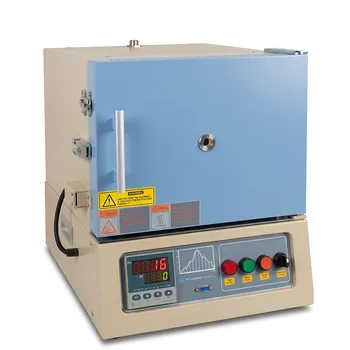
1200C Muffle Furnace 12x8x5 7.2L Heating Chamber with Quartz Observation Window and Vent Port
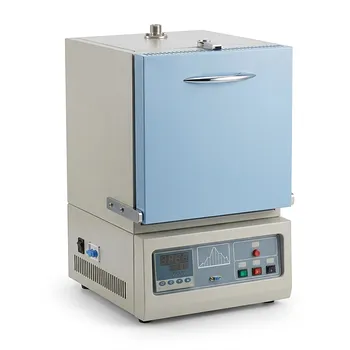
1750C Compact Muffle Furnace 1.7L Ultra High Temperature Laboratory Sintering System for Advanced Ceramics and Material Science Research
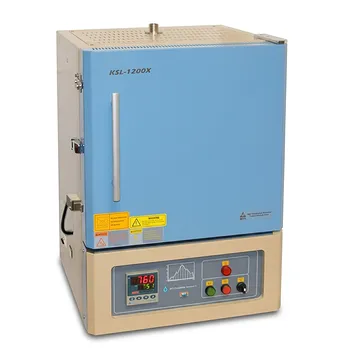
High Temperature 1200C Muffle Furnace 27L Volume 12x12x12 Chamber with Programmable PID Controller for Laboratory Material Science
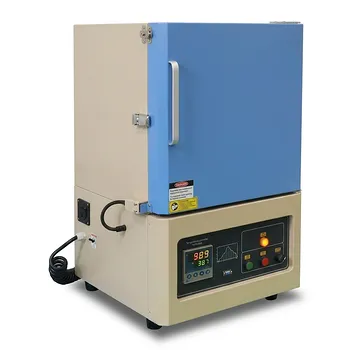
1200°C High Temperature Muffle Furnace 19L Chamber with 50 Segment Programmable Controller
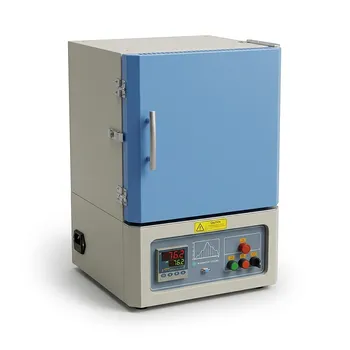
1750C Bench Top Muffle Furnace 3.6L High Grade Molybdenum Disilicide Heating Elements Laboratory Heat Treatment Equipment
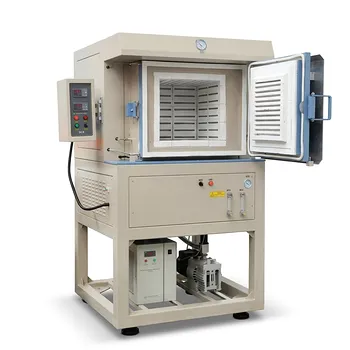
1200°C Five Side Heating Atmosphere Controlled Muffle Furnace 64 Liter High Uniformity Box Furnace for Material Synthesis
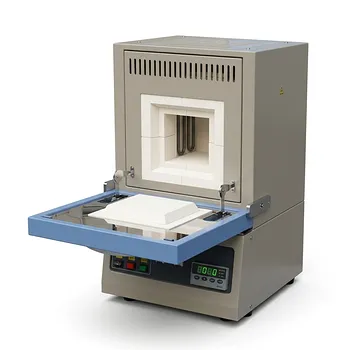
Five Sided Heating Muffle Furnace High Uniformity 1200C Lab Box Furnace 27L Alumina Fiber Chamber
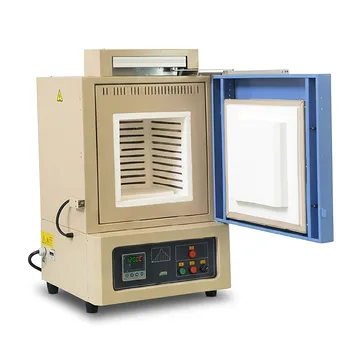
1200C High Temperature Muffle Furnace with Motorized Door and Automated PC Control for Industrial Sintering and Material Processing 27 Liter
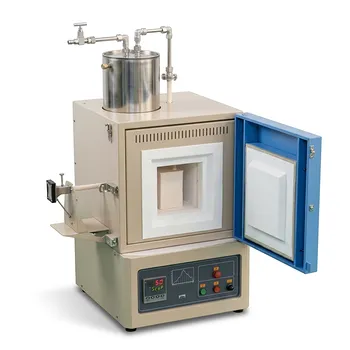
High Temperature Bench Top Muffle Furnace 1700C with Integrated Evaporating Particle Collection and 8x8x8 Alumina Fiber Chamber
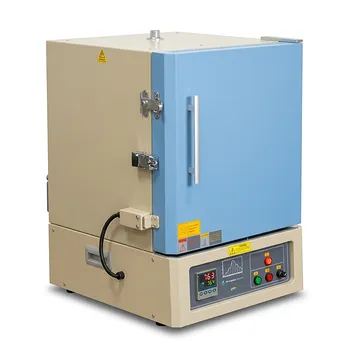
Large Capacity 1200C Muffle Furnace 64 Liter Chamber with Digital PID Controller and Built In Venting Port
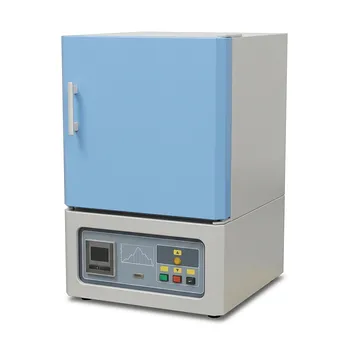
1800C Bench Top Muffle Furnace with Kanthal Super 1900 Heating Elements and 3.6L Alumina Fiber Chamber
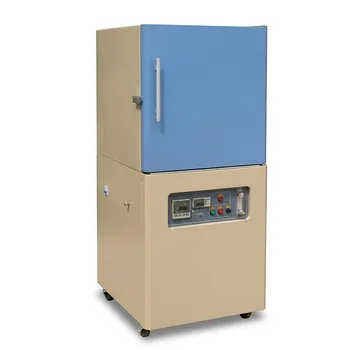
High Temperature Muffle Furnace with Dual Controllers and 36L Large Chamber 1700C Max
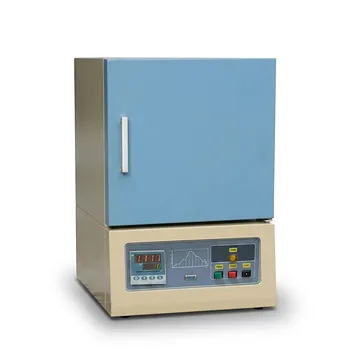
Ultra High Temperature Bench Top Muffle Furnace 1750C Sintering System with Kanthal Super Heating Elements and Precision Digital Control
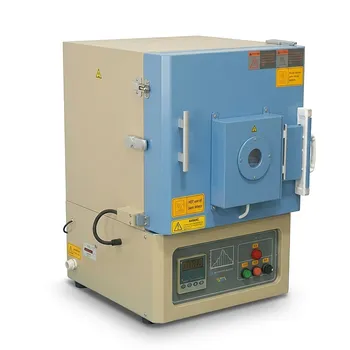
High Temperature Benchtop Muffle Furnace 1500C with 3.6L Chamber and Quartz Observation Window
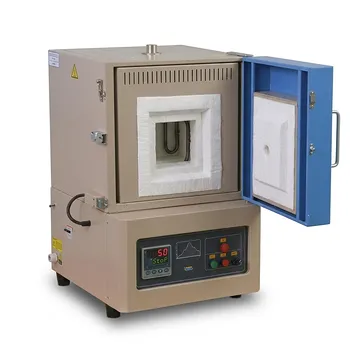
1800°C Bench Top Ultra High Temperature Muffle Furnace with Sapphire Observation Window and Top Feeding Port for Materials Research and Thermal Processing
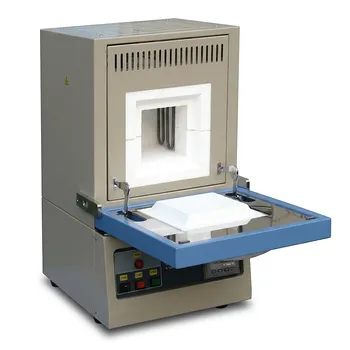
High Temperature 1800C Compact Muffle Furnace with Kanthal Super 1900 Heating Elements and 1.7L Alumina Chamber
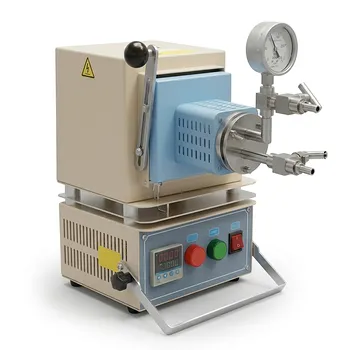
Compact Hybrid Muffle and Tube Furnace for 1000C Controlled Atmosphere Laboratory Material Sintering
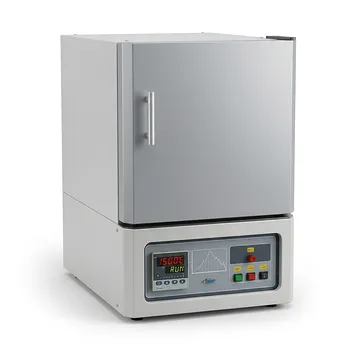
High Temperature 1500C Benchtop Muffle Furnace 3.6L Alumina Fiber Chamber Programmable Controller Sintering Annealing Carbonization Thermal Processing System
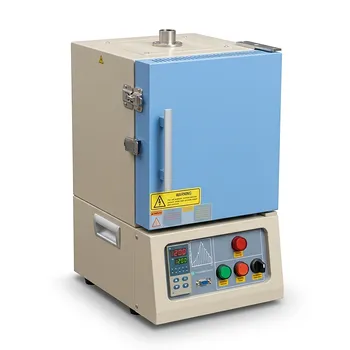
1200°C Small Box Furnace 4.2 Liter Programmable Muffle Furnace with High Purity Alumina Insulation and PID Control