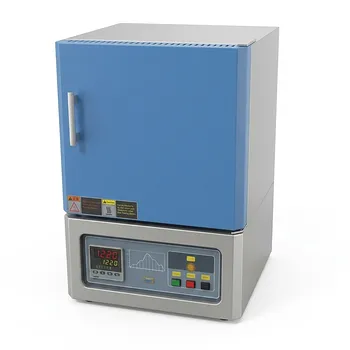
What role does a muffle furnace play in synthesizing g-C3N4? Master Thermal Polymerization for Advanced Materials
Updated 3 months ago
The muffle furnace serves as the indispensable thermal reactor for the synthesis of graphitic carbon nitride ($g-C_3N_4$). It provides a controlled, high-temperature environment—typically ranging from 500°C to 600°C—that facilitates the thermal polymerization of nitrogen-rich precursors such as urea, melamine, or thiourea. By maintaining precise thermal conditions, the furnace drives the chemical reorganization of these precursors into a stable, layered graphitic structure.
Core Takeaway: The muffle furnace acts as the primary driver for deamination and polycondensation reactions, converting organic precursors into a crystalline heptazine-based framework. Its ability to provide uniform heat and precise ramp rates is critical for ensuring the stability, crystallinity, and photocatalytic activity of the resulting $g-C_3N_4$ powder.
The Muffle Furnace as a Thermal Reaction Chamber
Providing a Stable High-Temperature Environment
The furnace creates the high-energy atmosphere required to break and reform chemical bonds within the raw materials. Most traditional synthesis protocols utilize a setpoint of 550°C, which provides sufficient thermal energy for pyrolysis without causing excessive decomposition of the nitrogen framework.
Facilitating Deamination and Polycondensation
As the temperature rises, the muffle furnace triggers a series of deamination reactions, where ammonia is released from precursors like melamine. This is followed by polycondensation, where the remaining fragments reorganize into triazine or heptazine units, eventually forming a continuous layered polymer.
Controlling the Reaction Atmosphere
While often operating in a standard air atmosphere, the muffle furnace can also support specific gas environments when properly configured. This environment is essential for the thermal decomposition of the precursor and determines the final chemical composition and surface properties of the solid powder.
Precision Control and Structural Integrity
The Role of Heating Rates (Ramp Rates)
The furnace allows for a constant heating rate, often set at 5°C per minute, to ensure the precursor transitions through intermediate phases gradually. This controlled ascent prevents rapid gas evolution that could disrupt the formation of a highly crystalline layered structure.
Maintaining Dwell Time for Full Conversion
A typical dwell time of 4 to 5 hours at the peak temperature ensures that the thermal polymerization reaction reaches completion. This duration is vital for the transition from amorphous carbon nitride to a well-ordered heptazine-based framework, which is the foundation of the material’s stability.
Ensuring Uniformity via Thermal Consistency
High-precision muffle furnaces offer superior temperature uniformity across the heating chamber. This prevents localized "hot spots" that could lead to non-uniform crystallinity or inconsistent morphology in the final $g-C_3N_4$ product.
Understanding the Trade-offs
The Risk of Sublimation and Yield Loss
One significant trade-off in using a muffle furnace is the sublimation of precursors at high temperatures. If the heating profile or crucible sealing is not optimized, a substantial portion of the starting material may escape as vapor, leading to low product yields.
Limitations of Bulk Heating
Muffle furnaces provide bulk heating, which can sometimes result in temperature gradients within the precursor mass. This may lead to a product with varying degrees of polymerization, where the core of the sample differs slightly from the exterior surface.
Oxidation and Environmental Sensitivity
When synthesis is performed in an air-rich muffle furnace, the material is susceptible to surface oxidation. While this can sometimes be beneficial for creating certain defects, it can also degrade the purity of the $g-C_3N_4$ if the temperature exceeds 600°C.
How to Apply This to Your Synthesis Goals
Strategic Recommendations
Effective use of a muffle furnace requires balancing temperature, time, and precursor handling to achieve the desired material properties.
- If your primary focus is high crystallinity: Utilize a slow ramp rate of 2-5°C/min and a consistent dwell temperature of 550°C to allow for the orderly growth of heptazine units.
- If your primary focus is maximum yield: Ensure the use of a covered ceramic crucible to minimize the escape of precursor vapors during the polycondensation phase.
- If your primary focus is specific morphology: Experiment with staged heating programs (e.g., holding at 500°C before 550°C) to control the nucleation and growth of the layered structure.
By treating the muffle furnace as a precision instrument rather than a simple heater, researchers can consistently produce high-quality graphitic carbon nitride for advanced photocatalytic applications.
Summary Table:
| Key Parameter | Role in g-C3N4 Synthesis | Recommended Specification |
|---|---|---|
| Temperature Range | Drives pyrolysis and polycondensation | 550°C (typical setpoint) |
| Heating Rate | Ensures gradual phase transition | 2°C – 5°C / minute |
| Dwell Time | Completes chemical reorganization | 4 – 5 hours |
| Uniformity | Prevents localized hot spots/defects | High-precision thermal control |
| Yield Control | Minimizes precursor sublimation | Sealed ceramic crucibles |
Elevate Your Material Research with THERMUNITS
Precision is the foundation of high-performance materials like $g-C_3N_4$. THERMUNITS is a leading manufacturer of high-temperature laboratory equipment for material science and industrial R&D. We offer a comprehensive range of thermal processing solutions tailored for researchers, including:
- High-Precision Muffle & Atmosphere Furnaces for stable thermal polymerization.
- Tube, Rotary, & Hot Press Furnaces for diverse heat treatment needs.
- CVD/PECVD Systems and Vacuum Induction Melting Furnaces (VIM) for advanced thin-film and alloy production.
- Thermal Elements and specialized laboratory heat treatment equipment.
Ensure consistent crystallinity and superior photocatalytic activity in your synthesis. Contact our technical experts today to find the ideal furnace solution for your laboratory!
References
- Shuhan Li, Jiaming Li. Recent Research Progress on Surface Modified Graphite Carbon Nitride Nanocomposites and Their Photocatalytic Applications: An Overview. DOI: 10.3390/catal14090636
Mentioned Products
- 1200C Muffle Furnace 12x8x5 7.2L Heating Chamber with Quartz Observation Window and Vent Port
- High Temperature 1200C Muffle Furnace 27L Volume 12x12x12 Chamber with Programmable PID Controller for Laboratory Material Science
- 1750C Compact Muffle Furnace 1.7L Ultra High Temperature Laboratory Sintering System for Advanced Ceramics and Material Science Research
- 1200C High Temperature 125L Muffle Furnace 5 Side Heating for Large Batch Sintering with Optional Alloy Debinding Chamber
- Ultra High Temperature Bench Top Muffle Furnace 1750C Sintering System with Kanthal Super Heating Elements and Precision Digital Control
People Also Ask
- What is the function of an experimental muffle furnace in the conversion of FeOOH to α-Fe2O3? Optimize Phase Transition
- Why is a muffle furnace required for MoO2@HCNF pre-oxidation? Crucial Steps for High-Performance Composites
- What is the function of a high-temperature Muffle furnace in removing residual solvents? Essential Bismuth Synthesis
- What is the function of Muffle furnace calcination? Essential steps for Pr-doped SrFeMoO6 Perovskite synthesis.
- What are the primary functions of a Muffle furnace in oxide calcination? Achieve high purity and phase control.

Tech Team · ThermUnits
Last updated on Jun 03, 2026
Related Products
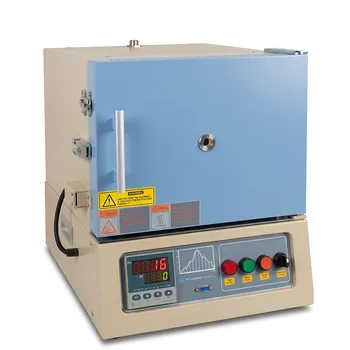
1200C Muffle Furnace 12x8x5 7.2L Heating Chamber with Quartz Observation Window and Vent Port
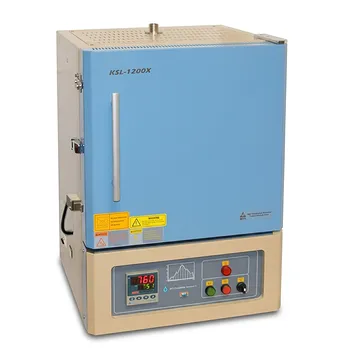
High Temperature 1200C Muffle Furnace 27L Volume 12x12x12 Chamber with Programmable PID Controller for Laboratory Material Science
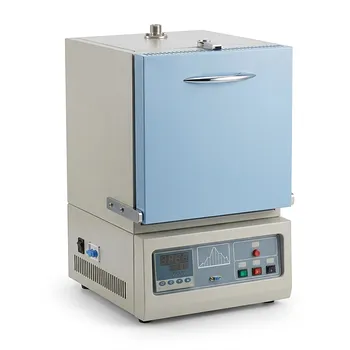
1750C Compact Muffle Furnace 1.7L Ultra High Temperature Laboratory Sintering System for Advanced Ceramics and Material Science Research
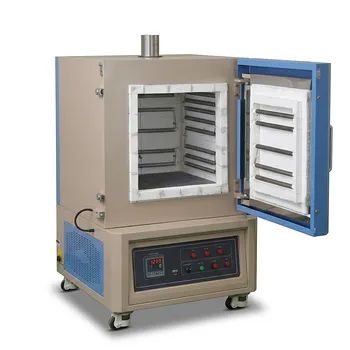
1200C High Temperature 125L Muffle Furnace 5 Side Heating for Large Batch Sintering with Optional Alloy Debinding Chamber
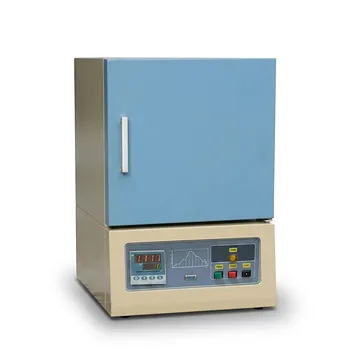
Ultra High Temperature Bench Top Muffle Furnace 1750C Sintering System with Kanthal Super Heating Elements and Precision Digital Control
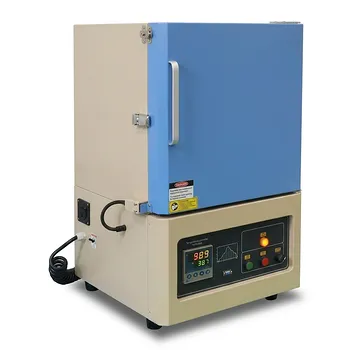
1200°C High Temperature Muffle Furnace 19L Chamber with 50 Segment Programmable Controller
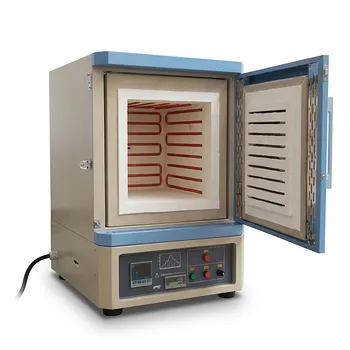
Five Side Heating Muffle Furnace 1200C High Uniformity 64L Chamber 16x16x16 Inch Industrial Heat Treatment
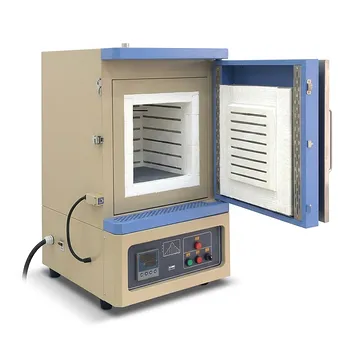
Five Side Heating Muffle Furnace High Purity Alumina Fiber 27L Chamber 1200C High Temperature Thermal Processing System for Sintering Annealing and Materials Research
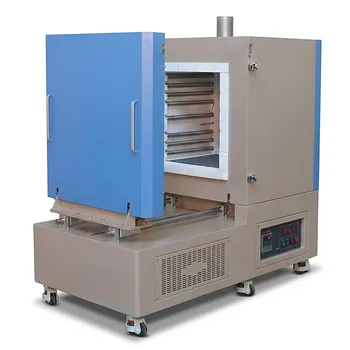
1200C Five Side Heating Muffle Furnace with Sliding Door 125L Volume High Temperature Heat Treatment System for Large Scale Sintering and Annealing
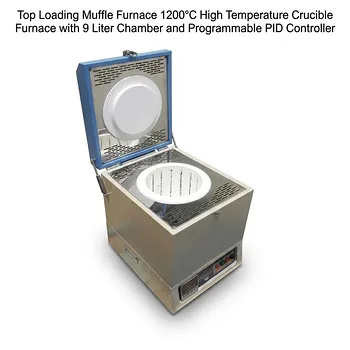
Top Loading Muffle Furnace 1200°C High Temperature Crucible Furnace with 9 Liter Chamber and Programmable PID Controller
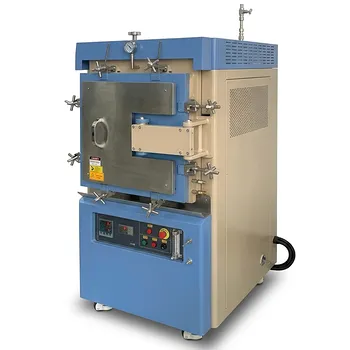
Atmosphere Controlled Muffle Furnace 1700C Maximum Temperature 80L High Capacity Vacuum Inert Gas Box Furnace
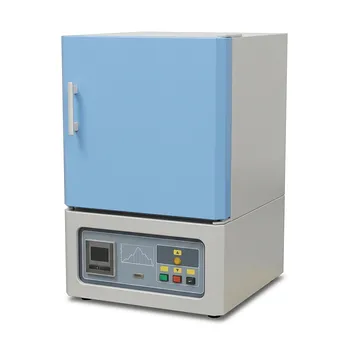
1800C Bench Top Muffle Furnace with Kanthal Super 1900 Heating Elements and 3.6L Alumina Fiber Chamber
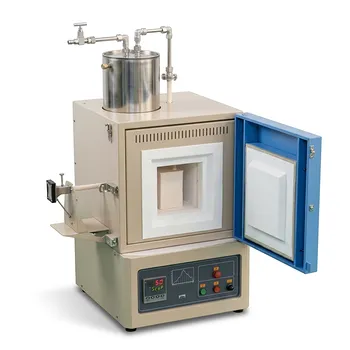
High Temperature Bench Top Muffle Furnace 1700C with Integrated Evaporating Particle Collection and 8x8x8 Alumina Fiber Chamber
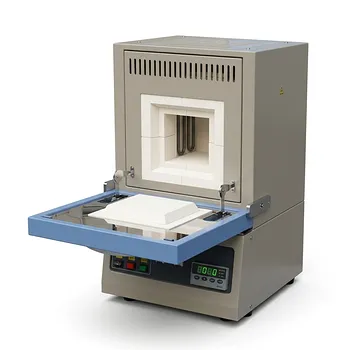
Five Sided Heating Muffle Furnace High Uniformity 1200C Lab Box Furnace 27L Alumina Fiber Chamber
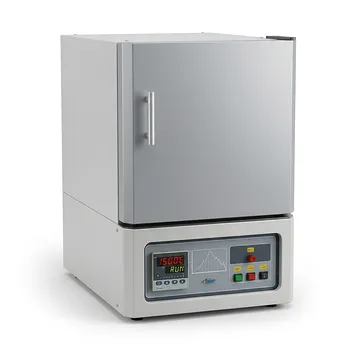
High Temperature 1500C Benchtop Muffle Furnace 3.6L Alumina Fiber Chamber Programmable Controller Sintering Annealing Carbonization Thermal Processing System
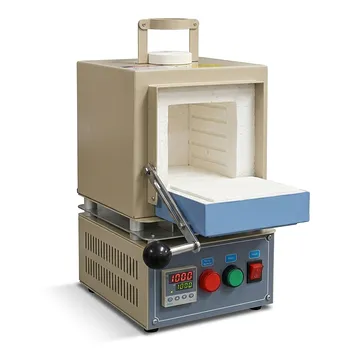
Compact 1000C Muffle Furnace with Programmable Controller and 2 Inch Top Port for Vacuum and Atmosphere Material Research
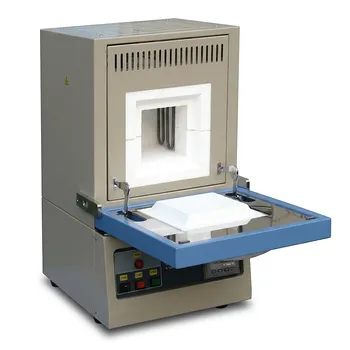
High Temperature 1800C Compact Muffle Furnace with Kanthal Super 1900 Heating Elements and 1.7L Alumina Chamber
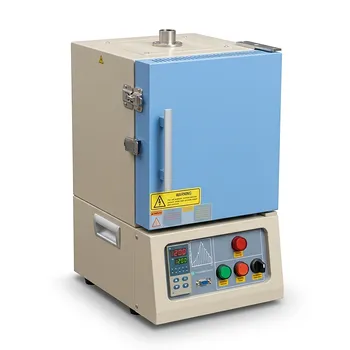
1200°C Small Box Furnace 4.2 Liter Programmable Muffle Furnace with High Purity Alumina Insulation and PID Control
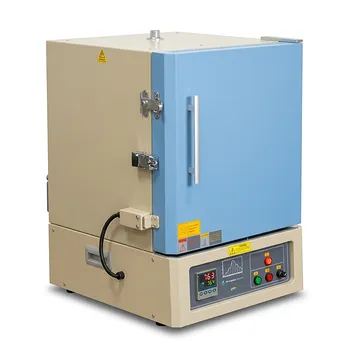
Large Capacity 1200C Muffle Furnace 64 Liter Chamber with Digital PID Controller and Built In Venting Port