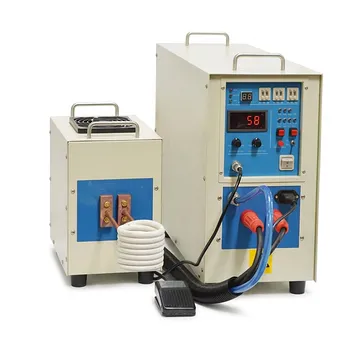
What technical advantages do SiC electric heaters provide for laboratory reactors? Enhance Purity and Thermal Precision
Updated 3 months ago
Silicon Carbide (SiC) electric heaters provide a high-temperature, stable, and non-contaminating heat source essential for precise laboratory-scale fluidization. By utilizing indirect heating, these components can maintain reaction temperatures up to 1000°C without introducing combustion byproducts into the reaction zone. This technical isolation is critical for researchers who require exact measurements of gas-solid interactions and unadulterated flue gas composition.
SiC electric heaters enable high-purity, high-temperature experiments by isolating the reaction environment from the heating source, ensuring that thermodynamic data and gas analyses remain untainted by external combustion factors.
Superior Thermal Performance and Stability
Achieving and Sustaining High Temperatures
SiC heaters are capable of providing a stable temperature field up to 1000°C for the reaction tube. In specific high-temperature environments, these heaters can even reach up to 1450°C, making them suitable for demanding processes like the hydrogen reduction of ferromanganese ore.
Uniform Temperature Distribution
The heaters create a reliable thermodynamic background necessary for gas-solid reactions. This stability ensures that the temperature remains consistent throughout the fluidized bed, preventing "cold spots" that could skew experimental results.
Rapid Thermal Response
Due to their high power density, SiC elements allow for rapid heating of the reaction vessel. This efficiency reduces the time required to reach steady-state conditions in a laboratory setting.
Atmospheric Integrity and Measurement Precision
Prevention of Gas-Solid Contamination
The primary advantage of indirect heating is the purity of the atmosphere inside the reaction tube. Because the heat source is electric and external, there is no risk of interference from direct combustion gases or flames.
Precise Flue Gas Analysis
By eliminating combustion byproducts from the heat source, researchers can achieve precise measurement of the flue gas components generated solely by the fuel or reaction. This is vital for calculating exact mass balances and reaction kinetics.
Consistency in Reduction Processes
For specialized reactions, such as those occurring between 700-1100°C, SiC heaters maintain the strict environment needed for gas-solid reduction. This ensures that any change in gas composition is a direct result of the chemical process under study.
Material Durability and Resistance
Oxidation Resistance
SiC is characterized by its excellent oxidation resistance in high-temperature environments. This property prevents the heating elements from degrading quickly when exposed to air at extreme temperatures.
Extended Service Life
Because the material is robust and resistant to thermal stress, SiC heaters offer a long service life. This reliability reduces the need for frequent maintenance or replacement of the heating assembly in experimental setups.
Understanding the Trade-offs
Mechanical Brittleness
While thermally resilient, silicon carbide is physically brittle and sensitive to mechanical shock. Careful handling and installation are required to prevent cracking or breakage of the elements.
Control System Requirements
To maintain a stable temperature field, SiC heaters require sophisticated power controllers. As the resistance of the material changes with age and temperature, the control system must be capable of adjusting voltage to ensure consistent heat output.
Maximizing Laboratory Reactor Performance
How to Apply This to Your Project
Integrating SiC heating into your fluidized bed reactor requires aligning the heater specifications with your specific experimental goals.
- If your primary focus is gas analysis purity: Utilize SiC indirect heating to ensure no external carbon or combustion gasses contaminate your flue gas readings.
- If your primary focus is high-temperature kinetics: Leverage the 1000°C+ capability to explore reaction zones that exceed the limits of standard metallic heating elements.
- If your primary focus is long-term stability: Invest in a high-quality control system to manage the changing resistance of the SiC elements over their long service life.
Choosing SiC electric heaters transforms a laboratory reactor into a precision instrument capable of producing clean, repeatable, and high-quality thermodynamic data.
Summary Table:
| Advantage | Technical Specification | Key Benefit to Researcher |
|---|---|---|
| Temperature Range | Stable up to 1000°C - 1450°C | Supports demanding high-temp kinetics and reductions |
| Atmospheric Purity | Indirect electrical heating | Eliminates combustion byproducts for precise gas analysis |
| Thermal Uniformity | Stable thermodynamic background | Prevents cold spots and ensures consistent reaction data |
| Durability | High oxidation resistance | Extended service life and reduced maintenance in lab setups |
| Response Speed | High power density | Rapid heating to reach steady-state conditions quickly |
Elevate Your Research with Precision Thermal Solutions
As a leading manufacturer of high-temperature laboratory equipment for material science and industrial R&D, THERMUNITS specializes in delivering advanced thermal processing systems designed for accuracy and durability. Our expertise ensures that your experiments benefit from superior atmospheric integrity and thermal stability.
Whether your project requires Muffle, Vacuum, Atmosphere, Tube, or Rotary furnaces, or specialized systems like CVD/PECVD, Vacuum Induction Melting (VIM), or electric rotary kilns, we provide the cutting-edge tools necessary for high-level material synthesis.
Ready to optimize your lab's performance? Contact us today to discover how THERMUNITS can provide the ideal heat treatment solution for your specific research needs.
References
- Kim Js, Chung‐Hwan Jeon. Carbon Free NH3 Co-firing Behavior in Fluidized Bed Reactor: Effect of Blending Ratio and Stoichiometric Ratio. DOI: 10.15231/jksc.2024.29.4.061
Mentioned Products
- Silicon Carbide SiC Thermal Heating Elements for Industrial Electric Furnaces
- High Temperature Vertical Hybrid Furnace with Alumina Tube and SiC Heating for SOFC Coin Cell Testing and Atmosphere Processing
- Desktop High Frequency Induction Heater for Precision Metal Melting and Laboratory Thermal Processing 0.6 to 1.1MHz
- High Frequency Induction Heating System 7 KW Bench Top Heater with Automatic Timer Control and Dual Station Configuration
- High Frequency Desktop Induction Heater 35KW 30-80 KHz with Precision Timer Control for Industrial Material Research and Metal Processing
People Also Ask
- Which materials are used for thermal elements in furnaces exceeding 1,500°C? Expert Guide to Extreme Heat Solutions
- How do electric thermal elements compare to combustion-based heating systems? Maximize Your Lab's Energy Efficiency
- What are the fundamental components and operating principles of electric thermal elements? A Comprehensive Guide
- What is the primary function of an industrial electric furnace in the initial stage of preparing reclaimed carbon black?
- Why is a Type C thermocouple selected for slag at 1773 K? Ensure Stability and Precision for High-Temp Analysis

Tech Team · ThermUnits
Last updated on Jun 03, 2026
Related Products
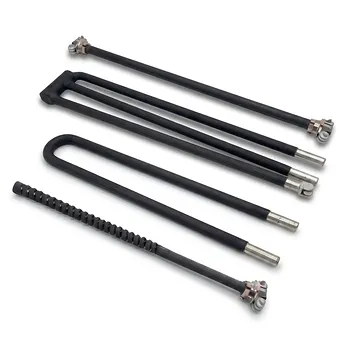
Silicon Carbide SiC Thermal Heating Elements for Industrial Electric Furnaces
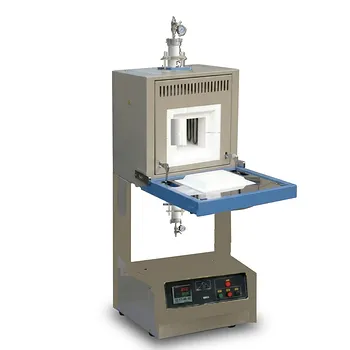
High Temperature Vertical Hybrid Furnace with Alumina Tube and SiC Heating for SOFC Coin Cell Testing and Atmosphere Processing
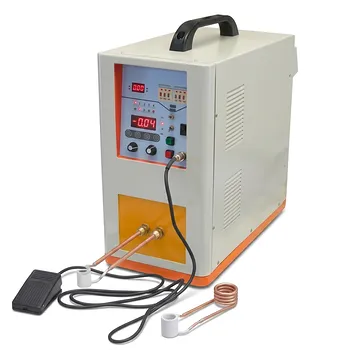
Desktop High Frequency Induction Heater for Precision Metal Melting and Laboratory Thermal Processing 0.6 to 1.1MHz
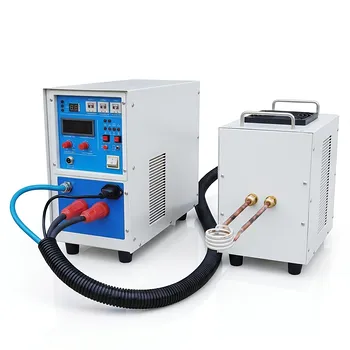
High Frequency Induction Heating System 7 KW Bench Top Heater with Automatic Timer Control and Dual Station Configuration
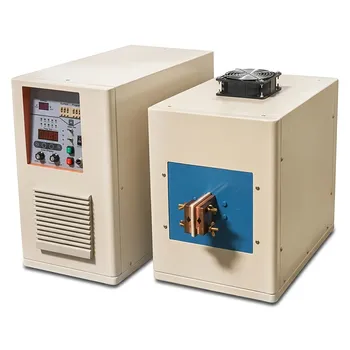
High Frequency Desktop Induction Heater 35KW 30-80 KHz with Precision Timer Control for Industrial Material Research and Metal Processing
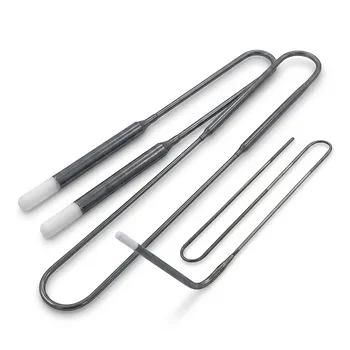
Molybdenum Disilicide MoSi2 Thermal Elements Electric Furnace Heating Element High Temperature Resistance
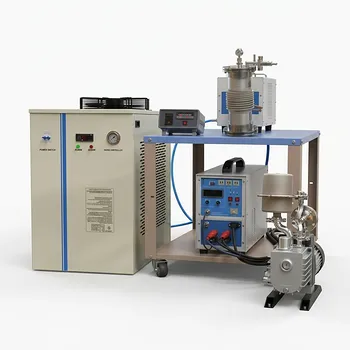
Induction Heating System with Temperature Control for High Temperature Vacuum Sintering and Melting
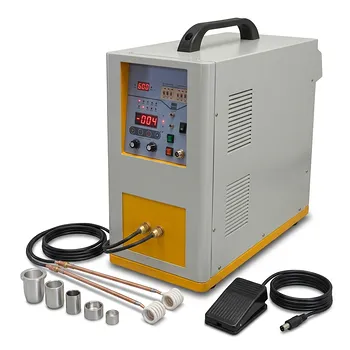
Desktop High Frequency Induction Heater 6KW 100-500kHz for Precision Metal Melting and Heat Treatment
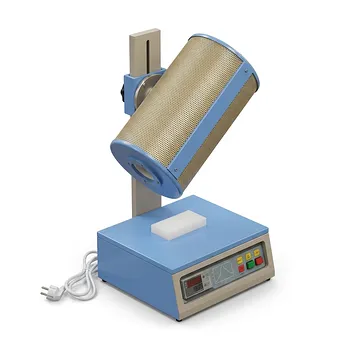
1100°C Vertical Laboratory Furnace for DIY Tubular Reactors with PID Temperature Controller
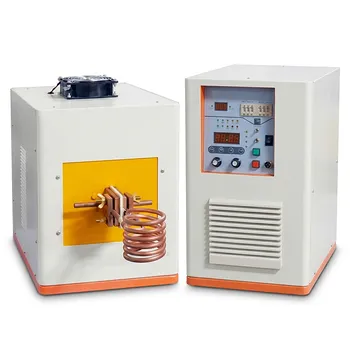
30KW High Frequency Induction Heater for Metal Melting and Industrial Heat Treatment 80-200kHz