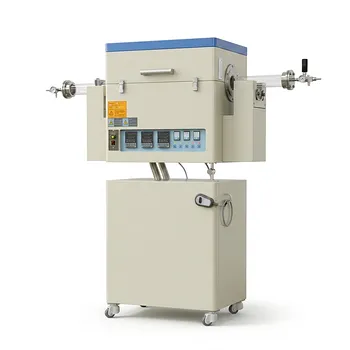
What technical advantages does a laboratory rotary tube furnace offer? Achieve superior uniformity and phase purity.
Updated 3 months ago
The primary technical advantage of a laboratory rotary tube furnace is its ability to provide dynamic thermal uniformity through continuous material agitation. By rotating the furnace tube, the system forces powdered materials to tumble and roll, ensuring that every particle is consistently exposed to the heat source and the reaction atmosphere. This eliminates the "center heat lag" and atmospheric shielding common in static furnaces, resulting in superior phase purity and batch-to-batch repeatability for sensitive materials like catalysts and battery electrodes.
Core Takeaway: A rotary tube furnace transforms powder processing from a static, gradient-heavy environment into a dynamic, homogeneous state. This ensures that chemical modifications, such as doping or reduction, occur uniformly across the entire material volume rather than just at the surface of a static bed.
Optimizing Heat and Mass Transfer Efficiency
Eliminating Internal Temperature Gradients
In a static furnace, the material at the center of a crucible often heats slower than the material on the edges, leading to inconsistent thermal histories. Dynamic heating via rotation ensures that the powder bed is constantly mixed, effectively neutralizing temperature gradients. This leads to a more uniform thermal field where each particle experiences identical conditions.
Preventing Center Heat Lag
Static powder beds suffer from low thermal conductivity, which creates a "heat lag" effect where the core of the material remains under-processed. The tumbling motion of a rotary furnace continuously brings fresh material to the surface of the bed. This constant surface renewal allows for faster, more efficient heat absorption throughout the entire batch.
Enhancing Gas-Solid Interactions
For processes requiring reactive atmospheres, such as hydrogen reduction or nitrogen doping, the rotary motion is critical. It prevents the top layer of powder from acting as a barrier to the gas. By tumbling the powder, the furnace ensures maximum exposure between the solid particles and the process gas, leading to complete and rapid chemical reactions.
Precision Control in Material Modification
Inhibiting Nanoparticle Sintering
Precise temperature control in a dynamic environment is essential for maintaining high surface area in catalysts. By ensuring uniform heat distribution, a rotary furnace helps prevent local overheating, which is the primary cause of nanoparticle sintering and unwanted thermal growth. This allows researchers to maintain specific valence distributions (such as Cu0/Cu+) without compromising particle size.
Achieving High Phase Purity
When synthesizing battery materials or complex oxides, achieving a single, pure phase is often difficult due to incomplete reactions. The continuous mixing provided by rotation ensures that precursors are in constant contact, promoting uniform phase transition kinetics. This results in a material with high chemical uniformity and fewer secondary phase impurities.
Facilitating Elemental Doping
For battery cathode or anode modification, elemental doping must be distributed evenly to ensure electrochemical stability. The dynamic atmosphere contact in a rotary tube allows dopants to be introduced and integrated into the crystal lattice with high precision. This eliminates internal processing stresses and ensures that the doping effect is consistent across every gram of material produced.
Understanding the Trade-offs
Mechanical Wear and Seal Integrity
Because a rotary furnace relies on moving parts, the mechanical seals between the rotating tube and the stationary gas inlets are critical points of failure. Maintaining a high-vacuum or high-pressure environment is significantly more complex than in a static tube furnace. Frequent maintenance of bearings and seals is required to ensure gas purity and system longevity.
Material Attrition and Dusting
The constant tumbling motion that provides uniformity can also lead to physical degradation of fragile or highly porous materials. Fine powders may become airborne and migrate toward the exhaust ends of the tube, potentially clogging filters or contaminating the seals. Selecting the correct rotation speed is a delicate balance between achieving mixing and preventing material loss or breakage.
Limitations in Throughput for Laboratory Scales
While rotary furnaces are excellent for uniformity, laboratory-scale units often have a limited fill volume—usually around 10% to 30% of the tube capacity—to ensure proper tumbling. Overloading the tube stops the rolling motion and reverts the process to a static state. Researchers must carefully calculate batch sizes to maintain the technical advantages of the dynamic system.
Strategic Implementation for Your Research
How to Apply This to Your Project
To maximize the benefits of a rotary tube furnace, your operational parameters must align with your specific material goals.
- If your primary focus is catalyst active-site preservation: Use low rotation speeds combined with precise programmed temperature control to prevent sintering while ensuring uniform reduction of metal species.
- If your primary focus is battery material doping or coating: Prioritize the use of a highly sealed quartz or ceramic tube to maintain a stable, high-purity atmosphere during the tumbling process.
- If your primary focus is biochar or carbon material consistency: Focus on the rotation-driven surface renewal to ensure uniform H:Corg atomic ratios and consistent surface functional group distribution.
By transitioning from static to dynamic thermal processing, you ensure that your laboratory-scale results are both chemically precise and physically consistent across every batch.
Summary Table:
| Feature | Technical Advantage | Core Benefit for Materials |
|---|---|---|
| Continuous Rotation | Eliminates temperature gradients | Ensures uniform phase purity & batch consistency |
| Material Tumbling | Constant surface renewal | Prevents center heat lag and localized overheating |
| Dynamic Gas Contact | Maximum gas-solid interaction | Accelerates doping, reduction, and chemical reactions |
| Precision Control | Inhibits nanoparticle sintering | Maintains high surface area and specific valence states |
Elevate Your Remote Material Research with THERMUNITS
Are you looking to achieve unmatched chemical precision in your catalyst or battery material synthesis? THERMUNITS is a leading manufacturer of high-temperature laboratory equipment dedicated to material science and industrial R&D.
We offer a comprehensive range of thermal processing solutions designed to meet the rigorous demands of modern laboratories, including:
- Rotary & Tube Furnaces for dynamic powder processing.
- Muffle, Vacuum, & Atmosphere Furnaces for versatile heat treatment.
- CVD/PECVD Systems for advanced thin-film coatings.
- Hot Press & Vacuum Induction Melting (VIM) Furnaces for specialized metallurgy.
- Dental Furnaces & Electric Rotary Kilns for industry-specific applications.
Don't let static heating limitations hinder your innovation. Our team of experts is ready to help you select the ideal furnace configuration to optimize your R&D outcomes.
Contact THERMUNITS Today to discuss your specific requirements and see how our advanced thermal elements and laboratory equipment can accelerate your next breakthrough!
References
- Qingbo Yu, Zishe Xu. The Effects of Modified Fly Ash on the Structure and Photocatalytic Performance of G‐C <sub>3</sub> N <sub>4</sub> ‐based Materials. DOI: 10.1002/slct.202400718
Mentioned Products
- Laboratory Tilting Rotary Tubular Furnaces for Material Science and Industrial Heat Treatment
- Three Zone Rotary Tube Furnace for High Temperature Powder Processing and Material Research
- Mini Rotary Tubular Furnaces for Precision Powder Heat Treatment and Thermogravimetric Analysis
- Continuous Feeding Rotary Tube Furnace for Industrial Powder Heat Treatment and Material Research
- 900°C Max Rotary Tube Furnace with 8 Inch 310S Alloy Tube and Optional Multi Zone Heating for Industrial Material Calcination
People Also Ask
- How does a rotary tube furnace improve the processing of granular materials? Enhance Uniformity and Reaction Kinetics
- What are the typical operating temperature ranges and mechanical specifications for rotary furnaces? A Complete Guide
- What parameters must operators control to maintain product quality in a rotary furnace? Master Your Heat Treatment.
- How is a laboratory tube heating furnace applied during the evaluation of denitration catalysts? Essential Guide
- What role does a laboratory tube furnace play in the pyrolysis and carbonization of biomass? Optimize Thermal Research.

Tech Team · ThermUnits
Last updated on Jun 02, 2026
Related Products
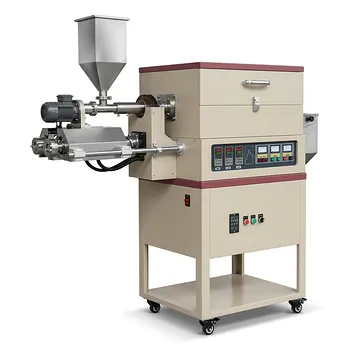
Laboratory Tilting Rotary Tubular Furnaces for Material Science and Industrial Heat Treatment
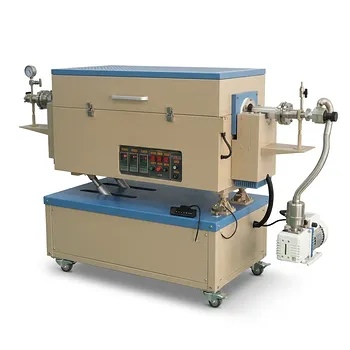
Three Zone Rotary Tube Furnace for High Temperature Powder Processing and Material Research
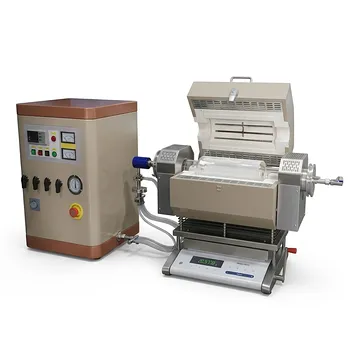
Mini Rotary Tubular Furnaces for Precision Powder Heat Treatment and Thermogravimetric Analysis
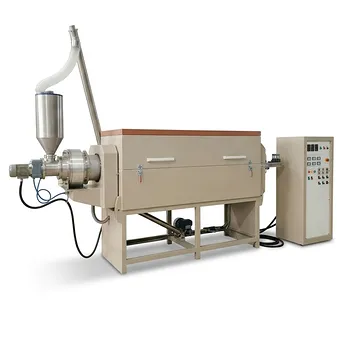
Continuous Feeding Rotary Tube Furnace for Industrial Powder Heat Treatment and Material Research
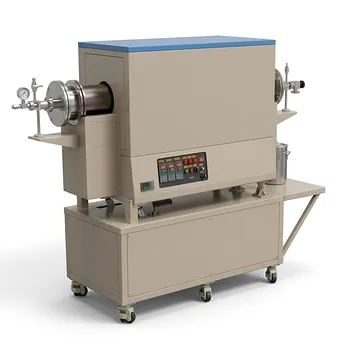
900°C Max Rotary Tube Furnace with 8 Inch 310S Alloy Tube and Optional Multi Zone Heating for Industrial Material Calcination
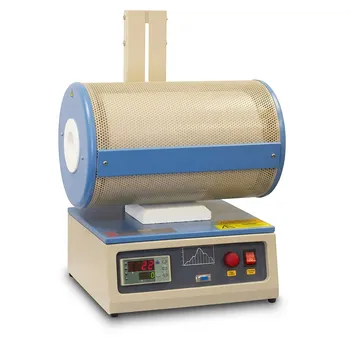
Multi Position Tube Furnace 1100C for Laboratory Material Research and Advanced Industrial Thermal Processing
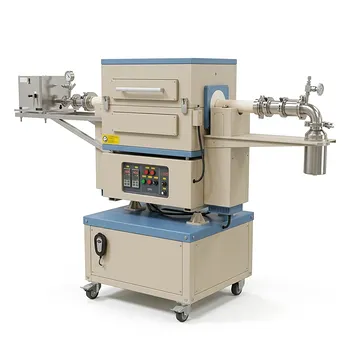
1500C Max Dual Zone Rotary Tube Furnace with 60 mm OD Alumina Tube for High Temperature Material Synthesis
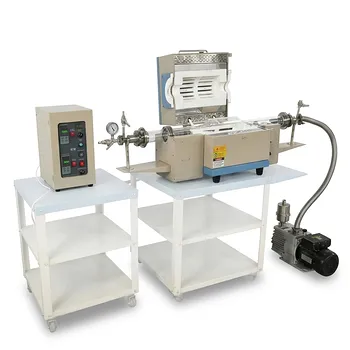
Two Zone Rotary Tube Furnace for Powder CVD Coating and Core Shell Material Synthesis 1100C
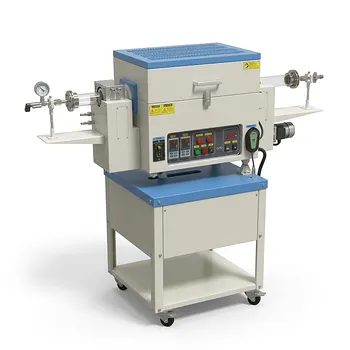
4 Inch Two Zone Rotary CVD Tube Furnace for High Temperature Battery Material Synthesis and Advanced Material Calcination
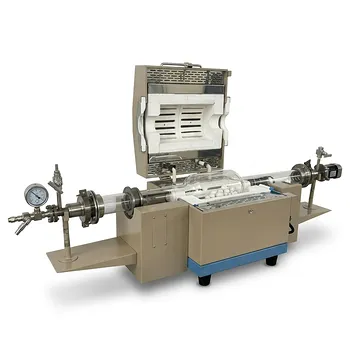
High Temperature Rotary Tube Furnace with Integrated Ball Milling and Gas Flow Function for Powder Nitriding
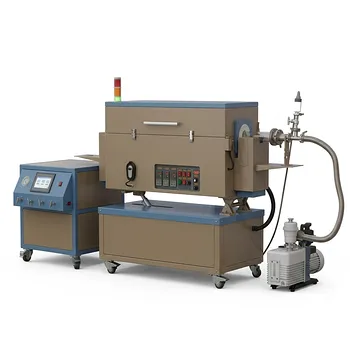
5 Inch Three Zone Rotary Tube Furnace with Integrated Gas Delivery System and 1200C Capability for Advanced Material CVD Processing
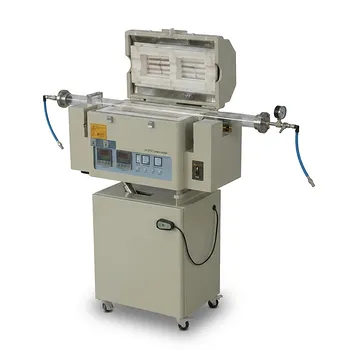
Double Temperature Revolving Tube Furnace with Precision Rotation and Adjustable Inclination for Advanced Material Research
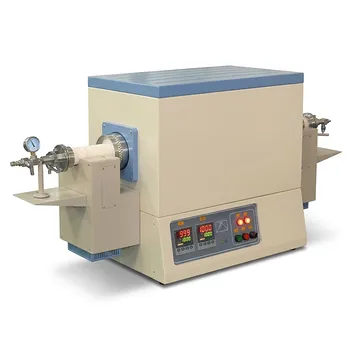
High Temperature 1700C Dual Zone Rotary Tube Furnace with 60mm Alumina Tube and Precision Rotation Control
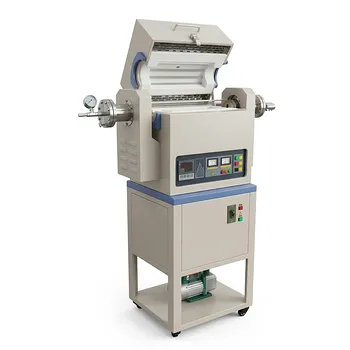
High Temperature Rotary Tilt Tubular Furnaces for Advanced Powder Sintering and Material Processing
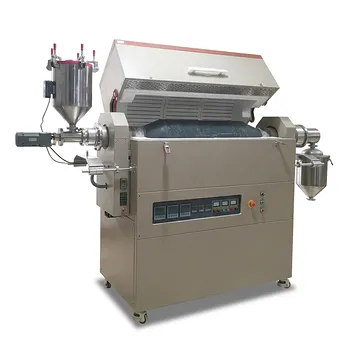
High Temperature Tilting Rotary Tubular Furnace for Continuous Powder Thermal Processing and Controlled Atmosphere Sintering
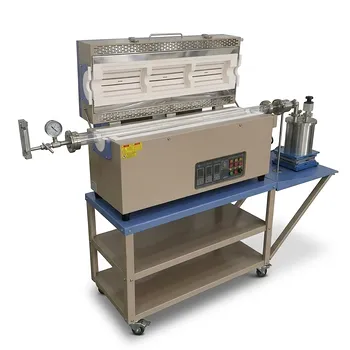
5 Inch Two Zone Rotary Tube Furnace 1100C for Powder CVD and Material Synthesis
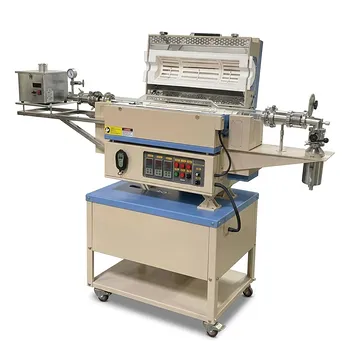
5 Inch Rotary Tube Furnace with Automatic Feeding and Receiving System 1200C Three Zone CVD Powder Processing
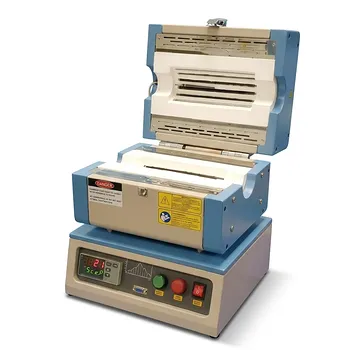
1250C Compact Split Tube Furnace with 8 Inch Heating Zone and Programmable Controller
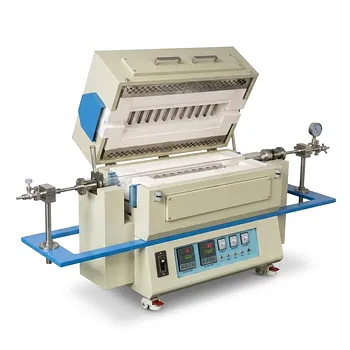
High Temperature Dual Zone Rotating Tube Furnace 1500C Silicon Carbide Heating for Advanced Material Synthesis