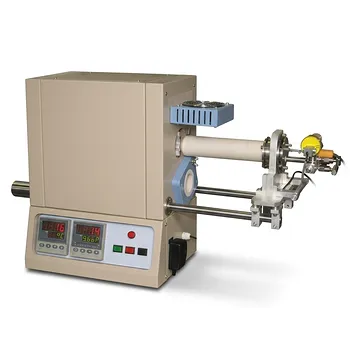
Why is precise heating rate control critical for magnesium-biochar catalysts? Master Your Tube Furnace R&D Synthesis.
Updated 6 months ago
Precise heating rate control is the fundamental variable that determines whether a magnesium-biochar catalyst achieves a high-performance architecture or suffers structural failure.
In a laboratory tube furnace, a controlled heating rate (typically 10 °C/min) prevents the structural collapse of the biochar by regulating the release of volatile components. This steady thermal environment facilitates the uniform nucleation and growth of MgO active components within the pores, creating a catalyst with a high specific surface area and a rich mesoporous structure necessary for efficient chemical diffusion.
Core Takeaway: Precise thermal regulation transforms the carbonization process from a chaotic decomposition into a controlled architectural synthesis, ensuring the biochar skeleton remains intact while MgO active sites are distributed uniformly for maximum catalytic activity.
Preserving the Structural Integrity of the Carbon Skeleton
Regulating Volatile Release and Internal Pressure
During the heating process, organic matter in the biomass undergoes thermal cracking and releases volatile substances. A precise, moderate heating rate ensures these gases escape at a steady velocity, preventing the build-up of high internal gas pressure. If the heating rate is too rapid, the instantaneous pressure can cause the pore walls to collapse, destroying the foundation of the catalyst.
Optimization of Hierarchical Porosity
The tube furnace’s ability to maintain a specific temperature gradient directly influences the formation of micropores and mesopores. By avoiding "thermal shock," the furnace allows for the orderly development of the carbon skeleton. This results in a balanced hierarchical structure that is essential for ion mass transfer and overall diffusion performance in catalytic reactions.
Development of Surface Functional Groups
Beyond physical pores, the heating rate governs the chemical evolution of the biochar surface. Controlled thermal treatment facilitates the orderly formation of aromatic structures and specific functional group densities. These chemical features are critical for the physicochemical stability of the final magnesium-biochar product.
Orchestrating the Deposition of Magnesium Active Sites
Facilitating Uniform MgO Nucleation
For a catalyst to be effective, the active component—Magnesium Oxide (MgO)—must be distributed evenly throughout the support. A steady heating curve provided by the furnace ensures that nucleation occurs uniformly within the biochar pores. This prevents the "clumping" of active sites, ensuring that the maximum amount of magnesium is available for the reaction.
Buffering Thermal Stress and Nanoparticle Growth
Precise control is necessary to buffer the impact of thermal stress on growing nanoparticles. By utilizing lower heating rates (such as 3 °C/min), the system prevents the sintering and agglomeration of MgO particles during phase transitions. This allows the catalyst to retain more active sites and maintain a smaller, more effective particle size.
Achieving Thermodynamic Equilibrium
Laboratory tube furnaces ensure that phase transitions occur near thermodynamic equilibrium. This is vital for managing the competition between different reactants, such as hydroxides and carbonates, at specific temperatures. Such precision ensures that the conversion to the desired MgO active phase is both complete and repeatable.
Understanding the Trade-offs: Rate vs. Result
Throughput vs. Microstructural Quality
While faster heating rates can increase production efficiency and biochar yield in some industrial contexts, they often sacrifice catalytic quality. In laboratory settings, prioritizing speed over precision typically leads to a reduction in specific surface area and a loss of the delicate mesoporous network required for advanced applications.
Thermal Gradients and Sample Uniformity
Large temperature gradients within a sample can lead to inconsistent catalyst batches. Without precise furnace control, the outer layers of the biomass may over-react and collapse while the core remains under-processed. This lack of uniformity compromises the standardization and repeatability of experimental results.
How to Apply This to Your Catalyst Synthesis
To achieve the optimal balance between structural integrity and catalytic activity, tailor your furnace settings to your specific research objective:
- If your primary focus is Maximum Specific Surface Area: Use a steady, moderate heating rate of 10 °C/min to ensure volatile release does not compromise the pore walls.
- If your primary focus is Minimizing MgO Nanoparticle Size: Utilize a slower heating rate of 3 °C/min to buffer thermal stress and prevent active site sintering.
- If your primary focus is Surface Chemistry and Functional Groups: Prioritize a highly controlled atmosphere and temperature gradient to allow for the orderly development of aromatic structures.
Precise thermal control moves the synthesis of magnesium-biochar catalysts from a process of simple heating to one of sophisticated molecular engineering.
Summary Table:
| Heating Rate Strategy | Primary Objective | Key Structural Benefit |
|---|---|---|
| Moderate (10 °C/min) | Structural Integrity | Regulates volatile release to prevent pore wall collapse and maximize surface area. |
| Slow (3 °C/min) | Nanoparticle Precision | Buffers thermal stress to prevent MgO sintering and ensure uniform active site distribution. |
| Controlled Gradient | Surface Chemistry | Facilitates the orderly development of aromatic structures and functional stability. |
Elevate Your Material Research with THERMUNITS
Achieving the perfect hierarchical porosity and nanoparticle distribution requires more than just heat—it requires precision. THERMUNITS is a leading manufacturer of high-temperature laboratory equipment, providing the advanced thermal control necessary for cutting-edge material science and industrial R&D.
Whether you are synthesizing magnesium-biochar catalysts or developing next-generation alloys, our comprehensive range of solutions—including Tube, Muffle, Vacuum, Atmosphere, Rotary, and Hot Press furnaces, as well as CVD/PECVD systems—ensures repeatable, high-quality results.
Why choose THERMUNITS?
- Precision Engineering: Ultra-stable heating rates to prevent structural collapse.
- Versatile Solutions: Equipment tailored for everything from dental applications to vacuum induction melting (VIM).
- Expert Support: Technical guidance to help you select the ideal thermal elements and furnace configurations for your specific research goals.
Ready to optimize your heat treatment process? Contact us today to request a quote or consultation and let us provide the thermal precision your innovation deserves.
References
- Xiheng Kang, Zhanying Zhang. Effect of oxygen content of biochar on glucose isomerization in carbon-based Mg catalysts: achieving excellent catalytic efficiency and stability. DOI: 10.1007/s42114-024-01148-2
Mentioned Products
- Multi Position Tube Furnace 1100C for Laboratory Material Research and Advanced Industrial Thermal Processing
- Ten Zone Multi Orientation Laboratory Tube Furnace for 1200C High Temperature Gradient Thermal Processing
- High Temperature 1200C Split Tube Furnace with Hinged Vacuum Flanges and 4 Inch Quartz Tube for Laboratory Research
- High Temperature Automated 5 Inch Tube Furnace for Autonomous Material Research and Advanced Laboratory R&D
- 1800C High Temperature Compact Vacuum Tube Furnace with 60mm OD Alumina Tube and Kanthal MoSi2 Heating Elements
People Also Ask
- Why use a tube furnace for oxygen annealing LaCrO3/LaMnO3? Optimize Phase Transition & Magnetic Performance.
- What key role does a laboratory high-temperature tube furnace play in the production of carbon nanofibers? Guide
- How is a laboratory high-temperature tube furnace utilized to research the products of aluminothermic reduction? Advanced Metallurgical Solutions
- Why is a tube furnace required for pre-oxidation? Enhance Ti(Nb)-Si-C coating adhesion and substrate durability.
- What role does a laboratory tube furnace play during the carbonization stage of seaweed-residue carbon aerogel materials?

Tech Team · ThermUnits
Last updated on Apr 14, 2026
Related Products
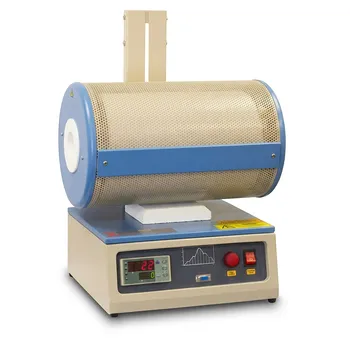
Multi Position Tube Furnace 1100C for Laboratory Material Research and Advanced Industrial Thermal Processing
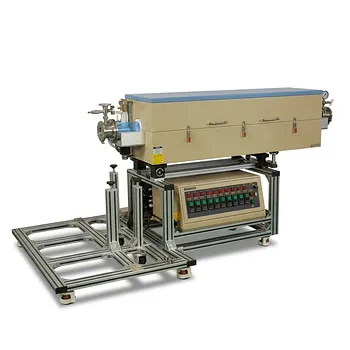
Ten Zone Multi Orientation Laboratory Tube Furnace for 1200C High Temperature Gradient Thermal Processing
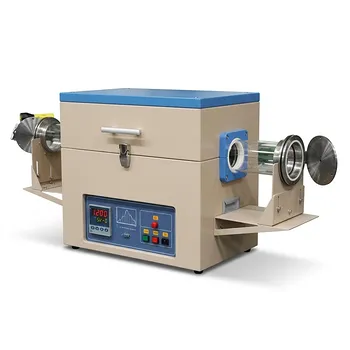
High Temperature 1200C Split Tube Furnace with Hinged Vacuum Flanges and 4 Inch Quartz Tube for Laboratory Research
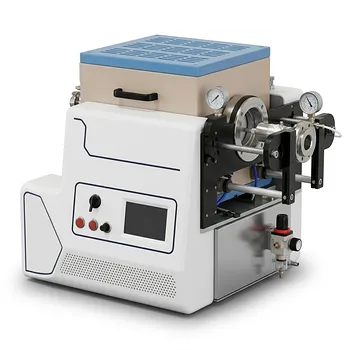
High Temperature Automated 5 Inch Tube Furnace for Autonomous Material Research and Advanced Laboratory R&D
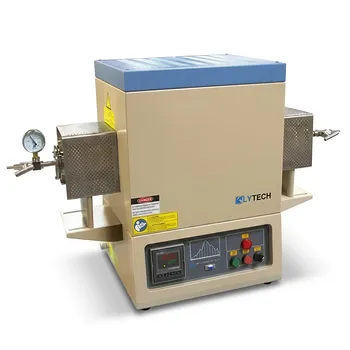
1800C High Temperature Compact Vacuum Tube Furnace with 60mm OD Alumina Tube and Kanthal MoSi2 Heating Elements
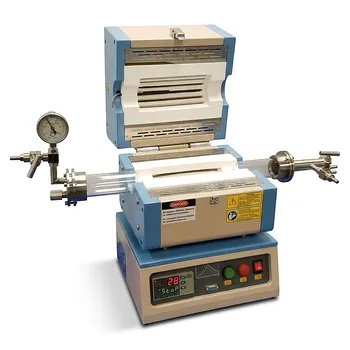
Compact Split Tube Furnace with Integrated Vacuum System and Precision Temperature Calibrator
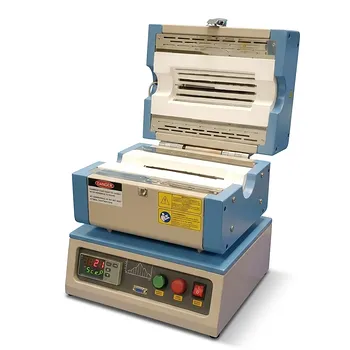
1250C Compact Split Tube Furnace with 8 Inch Heating Zone and Programmable Controller
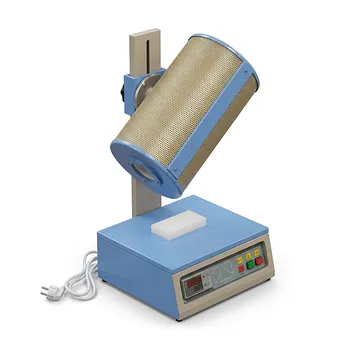
1100°C Vertical Laboratory Furnace for DIY Tubular Reactors with PID Temperature Controller
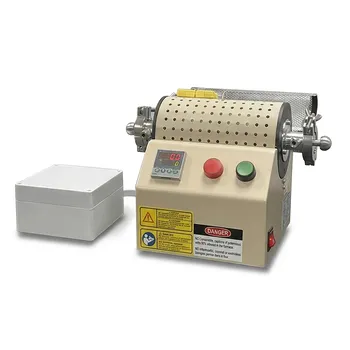
1000C Mini Tube Furnace with 20mm Quartz Tube and Vacuum Flanges for Material Science Research and Controlled Atmosphere Small Sample Processing
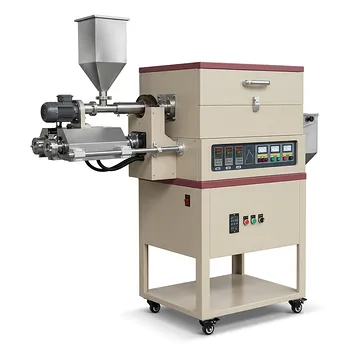
Laboratory Tilting Rotary Tubular Furnaces for Material Science and Industrial Heat Treatment
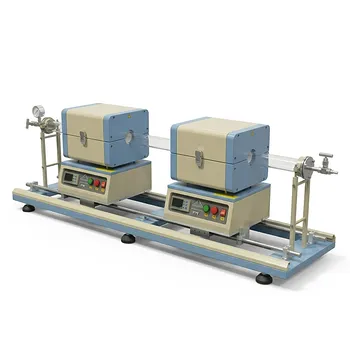
1200C Max Dual Sliding Tube Furnace with 50 mm Tube Flanges for CVD
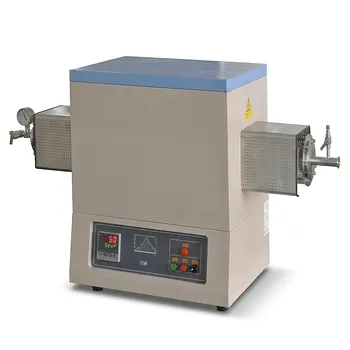
High Temperature 1700C Tube Furnace with 4 Inch OD Alumina Tube and Vacuum Sealing Flanges
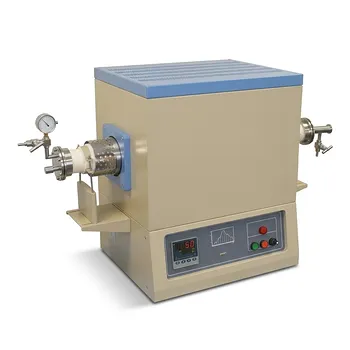
1700C High Temperature Alumina Tube Furnace with 18 Inch Heated Zone and Vacuum Sealing Flanges
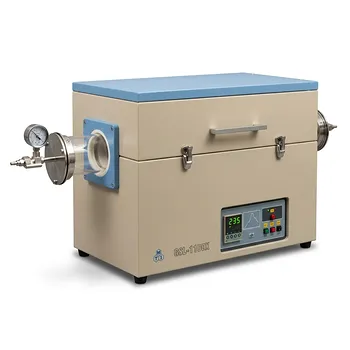
Single Zone Tube Furnace 5 Inch Quartz Tube 36 Inch Heating Zone Vacuum Flanges
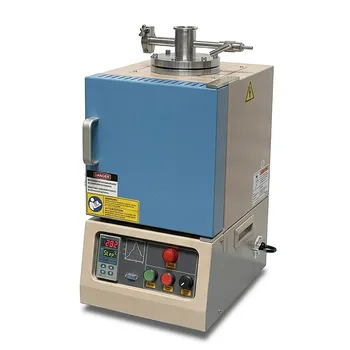
High Temperature Hybrid Muffle and Tube Furnace with Vacuum Capability and PID Control
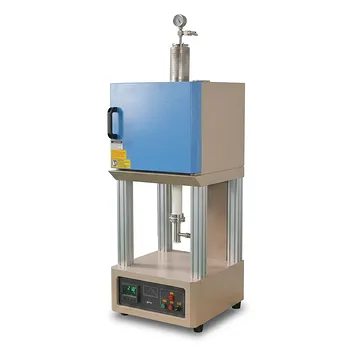
Hybrid High Temperature Tube and Box Furnace 1700C with 2 Inch Alumina Tube for Material Research
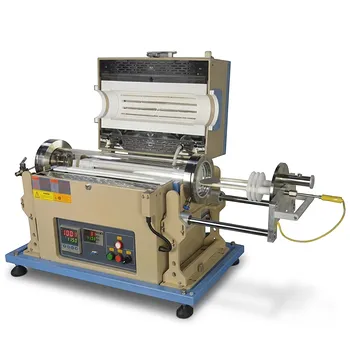
1200°C High Temperature 4 Inch Tube Furnace with Sliding Flange for CVD Systems
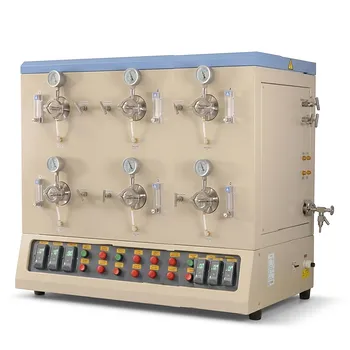
1200C High Throughput Multi Channel Tube Furnace with 50mm Quartz Tubes for Annealing and Material Phase Diagram Research
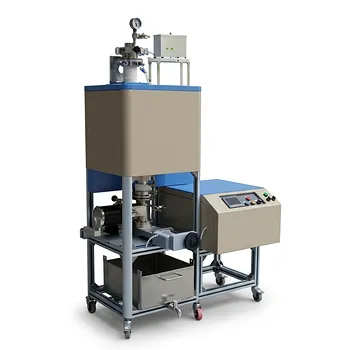
High Temperature 1700C Vertical Tube Furnace for Powder Spherification and Material Sintering