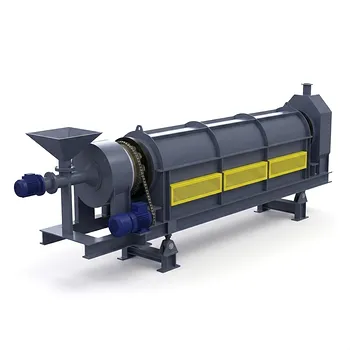
Which heat transfer mechanisms are most prevalent in a rotary furnace? Optimize Radiation, Convection & Conduction
Updated 5 months ago
The heat transfer performance of a rotary furnace is driven by the simultaneous action of radiation, convection, and conduction. In high-temperature combustion zones, radiation is the dominant mechanism, transferring energy from the flame and the heated refractory walls to the material bed. This is supported by convection from the flow of hot gases and conduction through direct contact between the tumbling material and the furnace lining.
To achieve thermal efficiency, a rotary furnace must balance high-intensity radiation for bulk heating with mechanical tumbling to ensure conductive uniformity throughout the material bed. The specific dominance of each mechanism shifts depending on the operating temperature and the physical design of the furnace internals.
The Dominance of Radiation in High-Heat Zones
The Role of Flame and Refractory Emission
In the hottest sections of a combustion-driven furnace, thermal radiation provides the vast majority of energy transfer. The flame emits radiant energy directly to the material, while the refractory lining absorbs heat and re-radiates it into the bed.
Radiation in Electric Rotary Kilns
In electric systems, external heating elements bring the furnace shell to high temperatures. This shell then radiates energy to the material particles, relying on the mechanical rolling of the bed to ensure that no single layer of material is overexposed or underheated.
Convection and Gas-Phase Dynamics
Counter-Current Flow Efficiency
Hot gases typically move through the furnace in a counter-current flow relative to the material. This movement facilitates convection, where the thermal energy of the gas stream is transferred to the surface of the moving material bed.
Enhancing Heat Exchange with Internals
In lower-temperature zones where radiation is less effective, manufacturers often install internal heat exchangers like lifters, chains, or metallic inserts. These components increase the effective surface area, cascading the material through the gas stream to maximize convective heat pick-up.
Conduction and the "Rolling Regime"
Direct Refractory-to-Material Contact
Conduction occurs at the interface where the heated refractory lining meets the material charge. As the furnace rotates, the "covered" wall transfers stored thermal energy directly into the bottom of the material bed through solid-to-solid contact.
Importance of Surface Renewal
The rotation of the kiln creates a tumbling action that is critical for uniform processing. This continuous surface renewal ensures that cooler particles from the center of the bed are repeatedly brought to the surface to be exposed to radiation and heated refractory walls.
Understanding the Trade-offs and Limitations
Thermal Gradients and Mixing Speeds
While faster rotation improves conduction and mixing, it significantly reduces the "residence time" the material spends in the furnace. Finding the optimal RPM is a balance between achieving temperature uniformity and ensuring the chemical reaction has enough time to complete.
Refractory Wear vs. Heat Transfer
Using lifters or chains dramatically improves convection and conduction but increases the mechanical stress on the refractory lining. This can lead to faster degradation of the furnace interior, requiring more frequent maintenance and potential downtime.
Dust Generation and Material Integrity
Aggressive mechanical tumbling (lifters) is excellent for heat distribution but can be detrimental to fragile materials. High-velocity gas flows required for convection can also entrain fine particles, leading to significant dust loss and the need for complex filtration systems.
How to Apply These Principles to Your Process
When optimizing a rotary furnace, your technical strategy should align with your specific material requirements and temperature targets.
- If your primary focus is high-temperature calcination: Prioritize radiation management by optimizing burner placement and refractory emissivity to ensure deep heat penetration.
- If your primary focus is processing heat-sensitive fines: Focus on convection and retention time by utilizing internal lifters and lower gas velocities to prevent material entrainment.
- If your primary focus is maximum thermal uniformity: Optimize the kiln rotation speed to maintain a consistent "rolling regime," ensuring constant surface renewal and minimizing internal temperature gradients.
By understanding how these three mechanisms interact, you can fine-tune your furnace parameters to achieve the highest possible energy efficiency and product quality.
Summary Table:
| Heat Transfer Mechanism | Primary Driver | Key Benefit in Rotary Furnaces |
|---|---|---|
| Radiation | Flame & Refractory Emission | Dominant in high-temp zones; provides bulk heating. |
| Convection | Gas-Phase Dynamics | Efficient heat exchange via counter-current flow & lifters. |
| Conduction | Refractory-to-Bed Contact | Ensures core heating through tumbling & surface renewal. |
Maximize Your Thermal Processing Efficiency with THERMUNITS
Are you looking to optimize temperature uniformity and energy efficiency in your material research or industrial R&D? THERMUNITS is a leading manufacturer specializing in high-performance laboratory equipment. We provide advanced thermal solutions tailored to your specific needs, including:
- Rotary & Electric Rotary Kilns for continuous processing.
- Muffle, Vacuum, and Atmosphere Furnaces for precise heat treatment.
- Tube, Hot Press, and CVD/PECVD Systems for advanced material science.
- Vacuum Induction Melting (VIM) & Dental Furnaces.
Whether you need to manage complex radiation patterns or enhance convective heat pick-up, our expert team is ready to guide you to the perfect equipment choice.
Contact THERMUNITS Today to Request a Quote or Consultation
Mentioned Products
- 900°C Max Rotary Tube Furnace with 8 Inch 310S Alloy Tube and Optional Multi Zone Heating for Industrial Material Calcination
- 1500C 3-Zone Rotary Tube Furnace 60mm with Automatic Powder Feeding and Receiving System for Continuous Material Synthesis
- High Temperature 1700C Dual Zone Rotary Tube Furnace with 60mm Alumina Tube and Precision Rotation Control
- Mini Rotary Tubular Furnaces for Precision Powder Heat Treatment and Thermogravimetric Analysis
- Three Zone Rotary Tube Furnace for High Temperature Powder Processing and Material Research
People Also Ask
- How does a rotary tube furnace improve the processing of granular materials? Enhance Uniformity and Reaction Kinetics
- Why use a rotary tube furnace for FACS carbonization? Ensure uniform morphology and prevent sphere agglomeration.
- Why is the precise optimization of residence time essential in the catalyst calcination process? Maximize Your Yields.
- In what ways do rotary tube furnaces enhance chemical and specialty mineral processing? Drive Precision and Uniformity.
- What parameters must operators control to maintain product quality in a rotary furnace? Master Your Heat Treatment.

Tech Team · ThermUnits
Last updated on Apr 14, 2026
Related Products
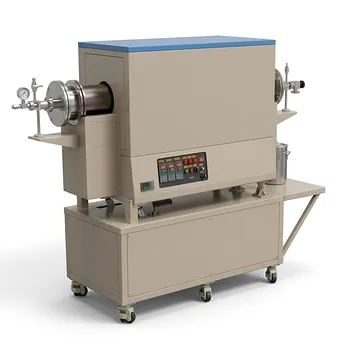
900°C Max Rotary Tube Furnace with 8 Inch 310S Alloy Tube and Optional Multi Zone Heating for Industrial Material Calcination
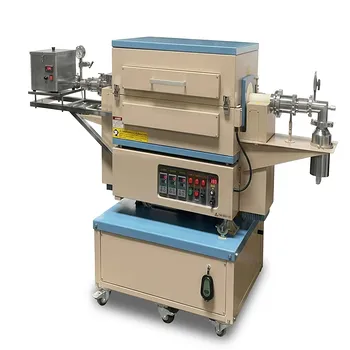
1500C 3-Zone Rotary Tube Furnace 60mm with Automatic Powder Feeding and Receiving System for Continuous Material Synthesis
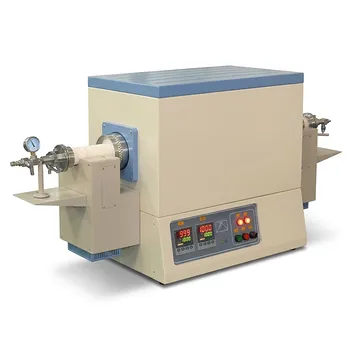
High Temperature 1700C Dual Zone Rotary Tube Furnace with 60mm Alumina Tube and Precision Rotation Control
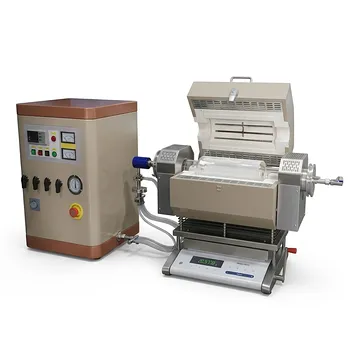
Mini Rotary Tubular Furnaces for Precision Powder Heat Treatment and Thermogravimetric Analysis
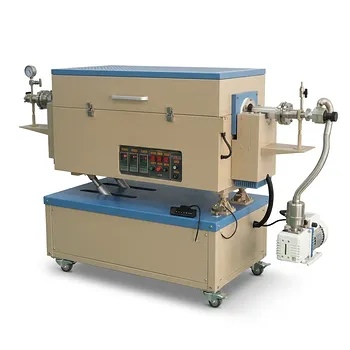
Three Zone Rotary Tube Furnace for High Temperature Powder Processing and Material Research
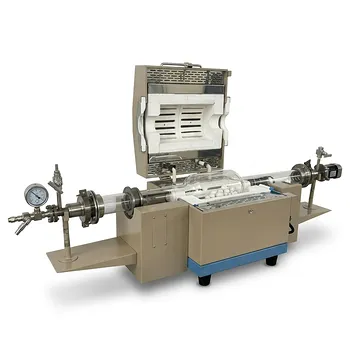
High Temperature Rotary Tube Furnace with Integrated Ball Milling and Gas Flow Function for Powder Nitriding
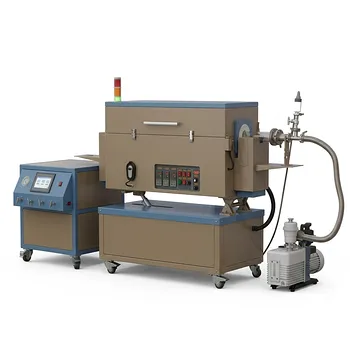
5 Inch Three Zone Rotary Tube Furnace with Integrated Gas Delivery System and 1200C Capability for Advanced Material CVD Processing
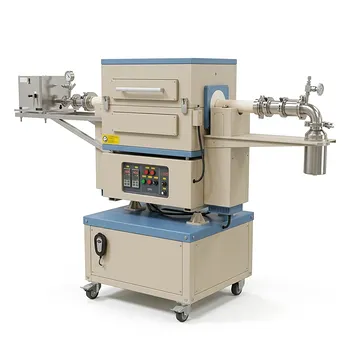
1500C Max Dual Zone Rotary Tube Furnace with 60 mm OD Alumina Tube for High Temperature Material Synthesis
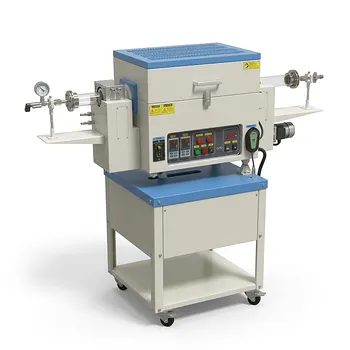
4 Inch Two Zone Rotary CVD Tube Furnace for High Temperature Battery Material Synthesis and Advanced Material Calcination
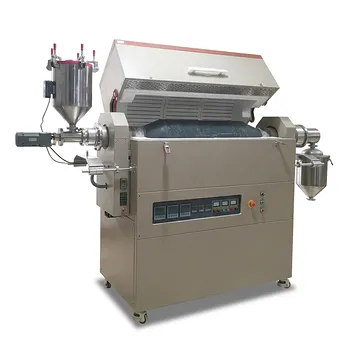
High Temperature Tilting Rotary Tubular Furnace for Continuous Powder Thermal Processing and Controlled Atmosphere Sintering
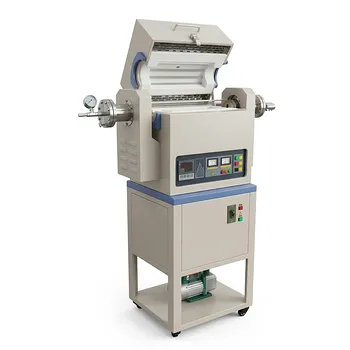
High Temperature Rotary Tilt Tubular Furnaces for Advanced Powder Sintering and Material Processing
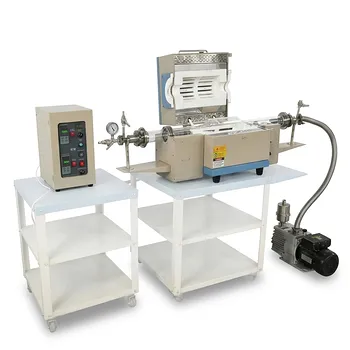
Two Zone Rotary Tube Furnace for Powder CVD Coating and Core Shell Material Synthesis 1100C
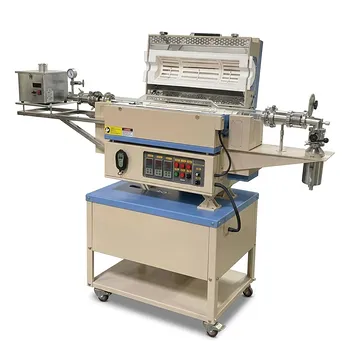
5 Inch Rotary Tube Furnace with Automatic Feeding and Receiving System 1200C Three Zone CVD Powder Processing
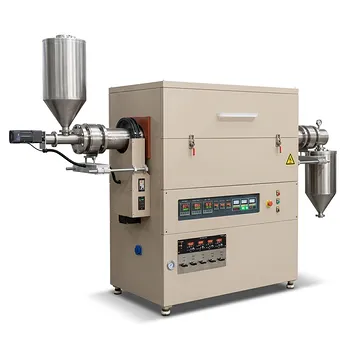
High Temperature Tilting Rotary Tube Furnace with Integrated Mass Flow Control and Multi Zone Heating
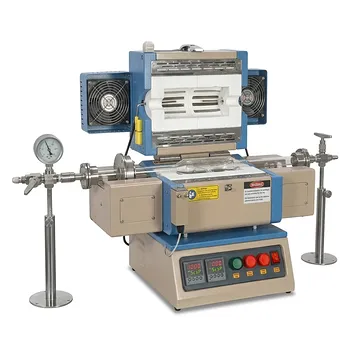
Dual Zone Rotary Tube Furnace for Uniform Powder Calcination 1000C 2 Inch Quartz Tube
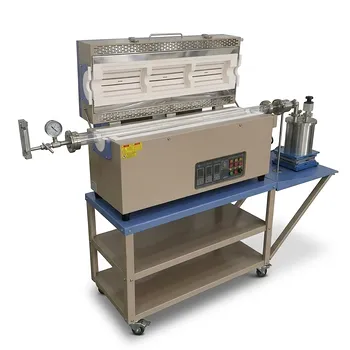
5 Inch Two Zone Rotary Tube Furnace 1100C for Powder CVD and Material Synthesis
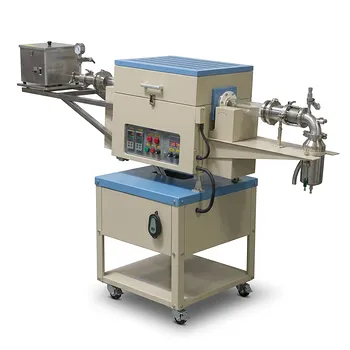
Two Zone Rotary CVD Furnace with Automatic Feeding and Receiving System for Powder Processing
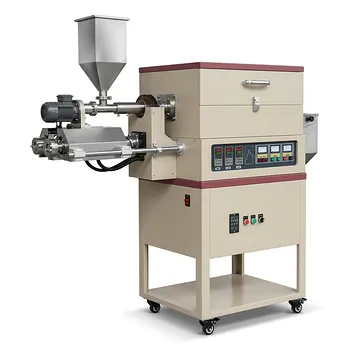
Laboratory Tilting Rotary Tubular Furnaces for Material Science and Industrial Heat Treatment
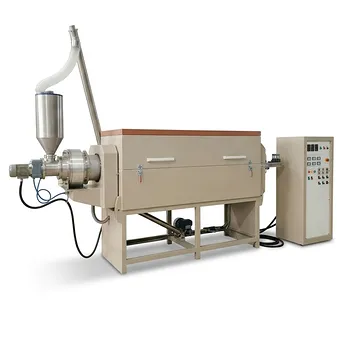
Continuous Feeding Rotary Tube Furnace for Industrial Powder Heat Treatment and Material Research