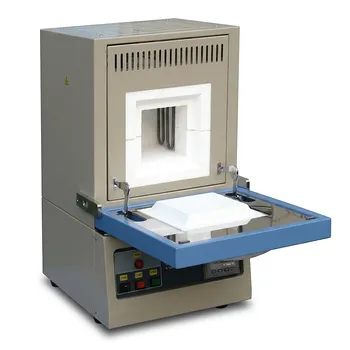
Why are high-purity alumina crucibles required for the molten salt synthesis of NMC materials? Ensuring Pure Cathodes.
Updated 5 months ago
High-purity alumina crucibles are the industry standard for molten salt synthesis (MSS) because they provide the unique combination of chemical inertness and thermal stability required to survive aggressive flux environments. At synthesis temperatures often exceeding 850°C, these crucibles resist the corrosive nature of molten salts like Potassium Chloride (KCl). By remaining unreactive, they prevent the leaching of container impurities into the NMC material, ensuring the electrochemical purity and structural integrity of the final single-crystal product.
High-purity alumina serves as a sacrificial-free reaction vessel that maintains the precise chemical composition of NMC materials by resisting erosion from molten salt fluxes. Without this level of purity and stability, the resulting cathode material would suffer from degraded electrochemical performance due to unintended doping from the crucible itself.
Chemical Inertness in Aggressive Fluxes
Resisting Molten Salt Corrosion
Molten salts are highly aggressive solvents that can dissolve or react with most standard laboratory containers. High-purity alumina possesses exceptional chemical stability, allowing it to withstand prolonged exposure to molten chlorides and carbonates without degrading. This resistance is critical because any breakdown of the crucible surface would introduce foreign ions into the molten flux.
Maintaining Flux Purity
In the synthesis of NMC, the molten salt acts as a medium for crystal growth. High-purity alumina ensures that the metal ion concentrations within the melt remain controlled and derived solely from the precursors. This prevents "host matrix" reactions, where the crucible material might otherwise interfere with the delicate balance of Nickel, Manganese, and Cobalt.
Protecting Electrochemical Integrity
Eliminating Impurity Leaching
Even trace amounts of impurities—such as iron, silicon, or lower-grade alumina additives—can migrate from a crucible into the NMC lattice at high temperatures. These impurities act as point defects in the cathode material, which can trap lithium ions or destabilize the crystal structure. High-purity alumina minimizes this risk, ensuring the final material meets the strict requirements for high-performance battery applications.
Enabling Single-Crystal Growth
The synthesis of single-crystal NMC requires a stable environment over long dwell times at high temperatures. High-purity alumina crucibles provide a consistent thermal and chemical environment that allows crystals to grow without the interference of nucleating impurities. This results in a more uniform morphology and better long-term cycling stability in the finished battery cell.
Understanding the Trade-offs
Thermal Shock Sensitivity
While high-purity alumina is chemically superior, it is more susceptible to thermal shock than lower-purity ceramics or metals. Rapid heating or cooling cycles can cause the material to crack due to internal stresses. Users must employ controlled ramp rates to protect the crucible, balancing the need for chemical purity with the material's inherent brittleness.
Material Cost vs. Longevity
High-purity alumina (typically 99.5% or higher) is significantly more expensive than standard refractory grade alumina. However, the trade-off is often justified by the longevity of the vessel and the value of the synthesized material. In research and high-end production, the cost of a failed batch due to contamination far outweighs the initial investment in a high-purity container.
How to Apply This to Your Project
When selecting a crucible for NMC synthesis or high-temperature molten salt work, consider your specific purity requirements and thermal profiles.
- If your primary focus is electrochemical performance: Always use 99.7% or higher purity alumina to ensure that no trace metals interfere with lithium-ion transport.
- If your primary focus is high-throughput screening: Consider the ramp rates of your furnace, as the higher the purity of the alumina, the more carefully you must manage heating and cooling to avoid structural failure.
- If your primary focus is cost-sensitive pilot testing: Evaluate if a slightly lower grade of alumina is acceptable, but only after performing a baseline leaching test to confirm that "container effects" are not skewing your data.
The integrity of your synthesized NMC is fundamentally limited by the stability of the vessel in which it is created.
Summary Table:
| Feature | Advantage in MSS | Impact on NMC Materials |
|---|---|---|
| Chemical Inertness | Resists corrosive molten salts (e.g., KCl) | Prevents impurity leaching and contamination |
| Thermal Stability | Survives long dwell times at >850°C | Facilitates uniform single-crystal growth |
| High Purity (99.7%+) | Minimal trace metal presence | Ensures high electrochemical performance |
| Surface Integrity | Resists erosion from aggressive fluxes | Maintains precise chemical stoichiometry |
Elevate Your Battery Material Research with THERMUNITS
At THERMUNITS, we understand that high-performance NMC materials require both the right vessels and the right thermal environment. As a leading manufacturer of high-temperature laboratory equipment, we provide the precision and reliability needed for advanced material science and industrial R&D.
Our comprehensive range of thermal processing solutions—including Muffle, Vacuum, Atmosphere, and Tube furnaces, as well as specialized CVD/PECVD systems and Vacuum Induction Melting (VIM) units—is designed to work seamlessly with high-purity ceramics. Whether you are performing molten salt synthesis or large-scale heat treatment, our equipment ensures the controlled ramp rates and temperature uniformity essential for protecting your alumina crucibles and maximizing product yield.
Ready to optimize your synthesis process? Contact our experts today to find the ideal furnace solution for your laboratory needs and see how THERMUNITS can enhance your R&D outcomes.
References
- Joon Kyung Koong, George P. Demopoulos. Tuning Molten-Salt-Mediated Calcination in Promoting Single-Crystal Synthesis of Ni-Rich LiNixMnyCozO2 Cathode Materials. DOI: 10.3390/batteries10110387
Mentioned Products
- Compact 1100C Muffle Furnace with Programmable Temperature Control and High Purity Alumina Insulation for Material Research
- High Temperature 1700C Benchtop Tube Furnace with 5 Inch Heating Zone High Purity Alumina Tube and Vacuum Sealing Flanges
- High Temperature Induction Melting System with Multi Cavity Crucible and 15KW Precision Digital Temperature Control
- High Temperature Vertical Atmosphere Controlled Furnace with Automatic Bottom Loading and 1700°C Capacity for Advanced Material Research
- Compact High Temperature 1600C Tube Furnace with 50mm Alumina Tube and Vacuum Flanges for Material Sintering
People Also Ask
- Why is 1100°C in situ annealing required after LZO and DTO deposition? Achieve High-Quality Thin Film Synthesis
- What are the advantages of using high-purity alumina boats in 1100 °C carbonization? Ensure Purity and Stability.
- What technical capabilities must a high-temperature furnace possess for 1100°C HEA annealing? Precision & Stability.
- Why are high-purity alumina (Al2O3) substrates selected as carriers? Optimal Stability for Vanadium Oxide Reduction
- Why are high-purity alumina crucibles preferred as sample containers in high-temperature sintering experiments? Key Facts

Tech Team · ThermUnits
Last updated on Apr 14, 2026
Related Products
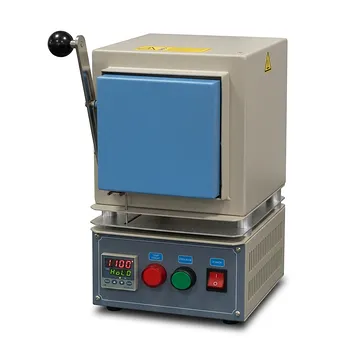
Compact 1100C Muffle Furnace with Programmable Temperature Control and High Purity Alumina Insulation for Material Research

High Temperature 1700C Benchtop Tube Furnace with 5 Inch Heating Zone High Purity Alumina Tube and Vacuum Sealing Flanges
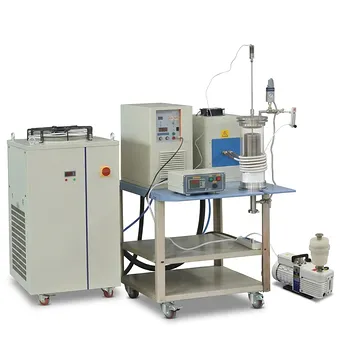
High Temperature Induction Melting System with Multi Cavity Crucible and 15KW Precision Digital Temperature Control
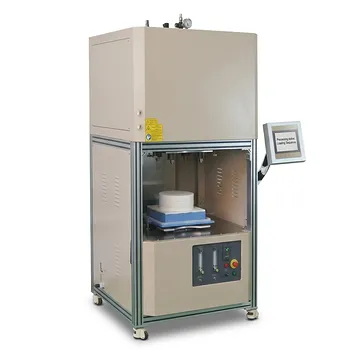
High Temperature Vertical Atmosphere Controlled Furnace with Automatic Bottom Loading and 1700°C Capacity for Advanced Material Research

Compact High Temperature 1600C Tube Furnace with 50mm Alumina Tube and Vacuum Flanges for Material Sintering
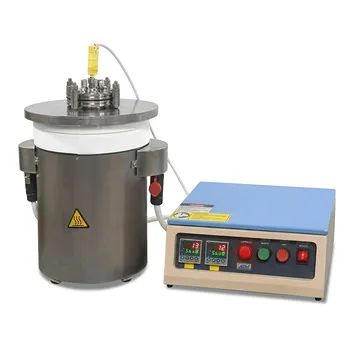
600°C Vertical Crucible Furnace with SS316 Alloy Reactor and 6 Port Vacuum Flange
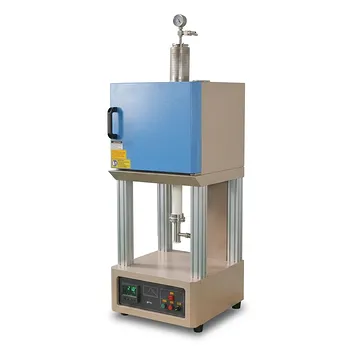
Hybrid High Temperature Tube and Box Furnace 1700C with 2 Inch Alumina Tube for Material Research
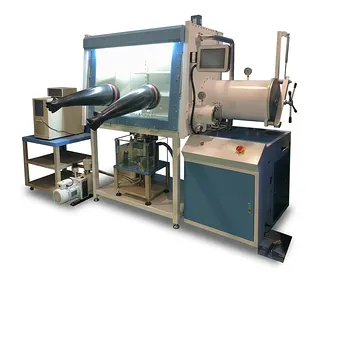
High Temperature Induction Melting System with Integrated Ultra High Purity Glove Box for Metallic Alloy Processing
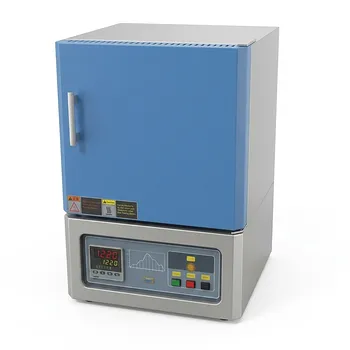
High Temperature Benchtop Muffle Furnace 1700C 10L Chamber Alumina Fiber Insulation MoSi2 Heating Elements
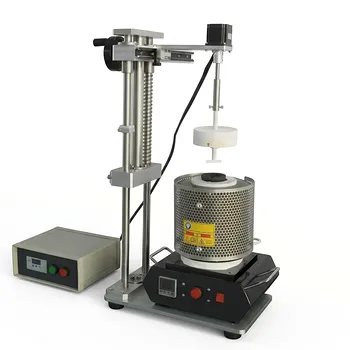
1100C Crucible Melting Furnace with Stirring Function for Glovebox and Air Sensitive Alloy Research