Why is 1100°C in situ annealing required after LZO and DTO deposition? Achieve High-Quality Thin Film Synthesis
Updated 3 months ago
In situ annealing at 1100°C is a critical thermal treatment designed to optimize the structural and functional properties of thin films. This process provides the thermal energy necessary to promote significant grain growth and organize atoms into a stable, low-energy configuration. For Dy2Ti2O7 (DTO) specifically, this step is mandatory to eliminate epitaxial stress and achieve a surface flatness required for the subsequent growth of complex heterostructures.
The core purpose of 1100°C annealing is to transform a strained, as-deposited film into a high-quality crystalline layer. By facilitating atomic rearrangement and stress relief, the process ensures that the thin film's magnetic and structural properties mimic those of a bulk single crystal.
Driving Structural Excellence through Thermal Energy
Promotion of Grain Growth
At 1100°C, atoms within the LZO and DTO layers gain sufficient kinetic energy to migrate across grain boundaries. This facilitates the expansion of crystal grains, reducing the number of grain boundaries that can otherwise act as defects or scattering centers. Larger grains are essential for ensuring the long-range structural order required for high-performance electronic and magnetic applications.
Optimization of Atomic Arrangement
The high-temperature environment allows for the repair of lattice distortions that typically occur during the high-energy sputtering or deposition process. By providing enough energy for solid-state reactions, the annealing step ensures that atoms settle into their ideal equilibrium positions. This minimizes internal energy and stabilizes the crystalline phase of the material.
Reduction of Point Defects
While specifically cited for other materials like GeO2, high-temperature treatments are universally recognized for reducing oxygen vacancies. In the context of complex oxides like DTO, managing these vacancies is vital for maintaining the correct stoichiometry. Improved stoichiometry leads to more predictable and stable physical properties.
Achieving Bulk-Like Functional Performance
Elimination of Epitaxial Stress
Thin films grown on a substrate often suffer from "strain" due to lattice mismatch between the film and the underlying layer. This epitaxial stress can significantly alter the physical behavior of the material, particularly its magnetism. The 1100°C annealing process allows the lattice to relax, enabling DTO films to exhibit magnetic properties comparable to those of bulk single crystals.
Enhancement of Surface Flatness
The high-temperature treatment induces a "smoothing" effect on the film's morphology. By promoting surface diffusion, the process effectively eliminates microscopic peaks and valleys. This leads to an ultra-flat surface, which is a prerequisite for the high-quality, coherent growth of subsequent layers.
Foundation for Coherent Heterostructures
Without the flatness provided by annealing, the next layer—such as Bi2Rh2O7 (BRO)—cannot achieve a coherent interface. A flat foundation ensures that the crystalline orientation of the bottom layer is perfectly mirrored in the top layer. This continuity is essential for the functionality of multi-layered thin-film devices.
Understanding the Trade-offs
Thermal Budget and Substrate Compatibility
The primary challenge of 1100°C annealing is the high thermal budget. Only specific substrates can withstand such temperatures without melting, warping, or undergoing unwanted phase transitions. There is also a risk of interdiffusion, where atoms from the substrate migrate into the thin film, potentially contaminating the layer.
Complexity of In Situ Execution
Performing this process in situ requires specialized laboratory equipment capable of maintaining precise thermal environments under specific atmospheric conditions. The cooling and heating rates must be carefully controlled to prevent thermal Shock. If the ramp-down is too fast, the resulting mechanical stress can crack the very film the process was intended to perfect.
How to Apply This to Your Project
Recommendations Based on Material Goals
To achieve the best results in your thin-film synthesis, consider the following technical priorities:
- If your primary focus is magnetic precision: Prioritize the 1100°C annealing step to ensure total relaxation of epitaxial stress, as this is the only way to match the performance of bulk single crystals.
- If your primary focus is multilayer heterostructures: Focus on the surface-smoothing aspect of high-temperature annealing to ensure a coherent interface for subsequent layers like BRO.
- If your primary focus is defect reduction: Ensure the annealing environment (oxygen partial pressure) is strictly controlled to minimize vacancies while the atoms are rearranging at peak temperature.
Ultimately, 1100°C annealing turns a chaotic collection of deposited atoms into a highly ordered, functional crystalline system.
Summary Table:
| Key Metric | Impact of 1100°C Annealing | Resulting Benefit |
|---|---|---|
| Crystalline Structure | Promotes migration and grain growth | Reduces defects and improves structural order |
| Mechanical Stress | Relieves epitaxial lattice strain | Achieves bulk-like magnetic & physical properties |
| Surface Morphology | Enhances atomic diffusion and smoothing | Creates ultra-flat surfaces for heterostructures |
| Defect Density | Repairs lattice distortions & vacancies | Ensures precise stoichiometry and stability |
Elevate Your Material Research with THERMUNITS Precision Multi-Purpose Furnaces
Achieving the structural excellence required for high-performance thin films demands a thermal environment of absolute stability. THERMUNITS is a leading manufacturer of high-temperature laboratory equipment specializing in material science and industrial R&D. We provide the advanced thermal processing solutions necessary for critical steps like 1100°C in situ annealing.
Our comprehensive range of equipment includes:
- Muffle, Vacuum, Atmosphere, and Tube Furnaces for precise temperature control.
- CVD/PECVD Systems and Hot Press Furnaces for advanced synthesis.
- Rotary Kilns and Vacuum Induction Melting (VIM) Furnaces for industrial-scale research.
- Dental Furnaces and High-Quality Thermal Elements for specialized applications.
Whether you are aiming to eliminate epitaxial stress or build coherent heterostructures, our equipment delivers the uniform heating and reliability your lab needs. Unlock the full potential of your materials—contact us today for a tailored thermal solution!
References
- Mizuki Ohno, M. Kawasaki. Proximity effect of emergent field from spin ice in an oxide heterostructure. DOI: 10.1126/sciadv.adk6308
Mentioned Products
- Rapid Thermal Processing Atmosphere Controlled Bottom Loading Furnace 1100C with 50C Per Second Heating Rate for Wafer Annealing
- Rapid Thermal Processing Furnace 1100C Atmosphere Controlled Bottom Loading RTP System for Wafer Annealing and Catalysis Research
- 1100C High Temperature Vacuum Crucible Furnace with Quartz Chamber for Thermal Processing and Sintering
- 1100°C Vertical Laboratory Furnace for DIY Tubular Reactors with PID Temperature Controller
- Multi Position Tube Furnace 1100C for Laboratory Material Research and Advanced Industrial Thermal Processing
People Also Ask
- What role does a SiC-coated graphite susceptor play in H2Se selenization? Boost RTP Thermal Uniformity & Film Purity.
- What are the advantages of using a Bottom-Loading High-Temperature Furnace in Barium Titanate Fast Firing? Superior Microstructure
- What are the functional advantages of an RTP system for surface deposition? Enhance Heterojunction Interface Integrity
- Why is an atmosphere-controlled annealing furnace required for the post-treatment of synthesized KTiOPO4 thin films? KTP
- What is the purpose of coating ceramic sheets with platinum paste? Achieve Stable High-Temp Ohmic Contacts

Tech Team · ThermUnits
Last updated on Jun 02, 2026
Related Products
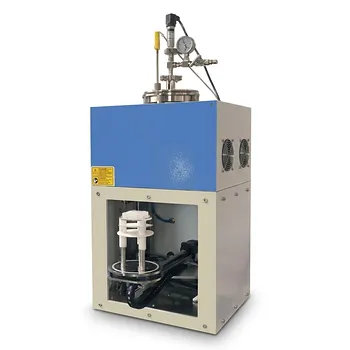
Rapid Thermal Processing Atmosphere Controlled Bottom Loading Furnace 1100C with 50C Per Second Heating Rate for Wafer Annealing
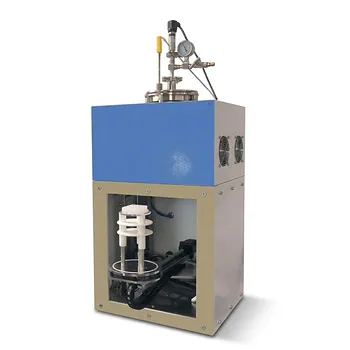
Rapid Thermal Processing Furnace 1100C Atmosphere Controlled Bottom Loading RTP System for Wafer Annealing and Catalysis Research
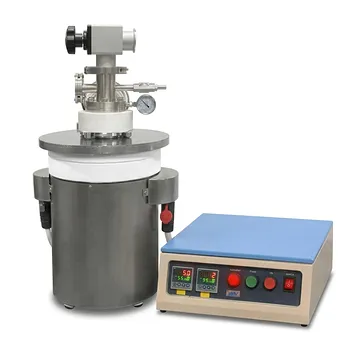
1100C High Temperature Vacuum Crucible Furnace with Quartz Chamber for Thermal Processing and Sintering
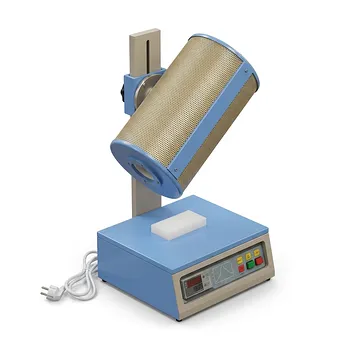
1100°C Vertical Laboratory Furnace for DIY Tubular Reactors with PID Temperature Controller
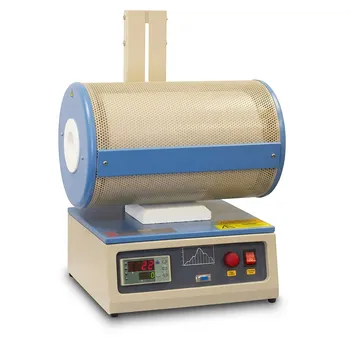
Multi Position Tube Furnace 1100C for Laboratory Material Research and Advanced Industrial Thermal Processing
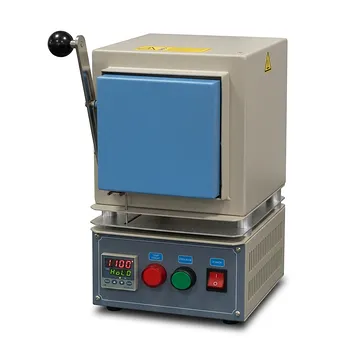
Compact 1100C Muffle Furnace with Programmable Temperature Control and High Purity Alumina Insulation for Material Research
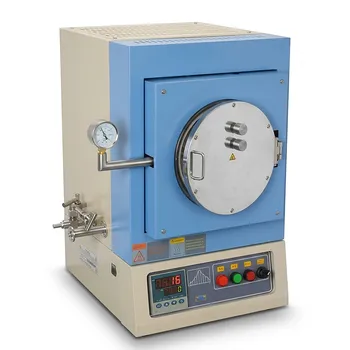
1100°C High Temperature Quartz Chamber Furnace 8 Inch OD with 7.6 Liter Capacity and Vacuum Atmosphere Capability
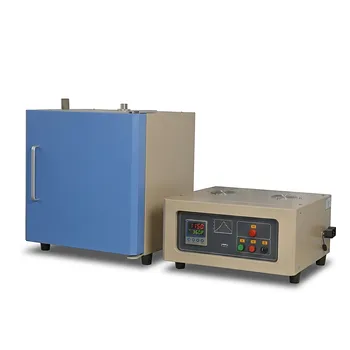
High Temperature Muffle Furnace with Alloy Chamber for Debinding and Sintering Applications
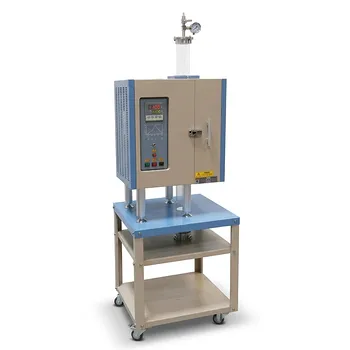
1100°C Split Vertical Tube Furnace with 80mm Quartz Tube and Stainless Steel Vacuum Flanges
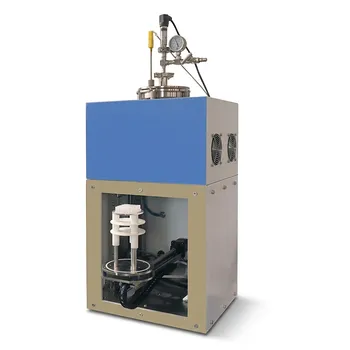
Rapid Thermal Processing RTP Atmosphere Controlled Bottom Loading Furnace 1100C High Throughput 50C per Second Heating Rate
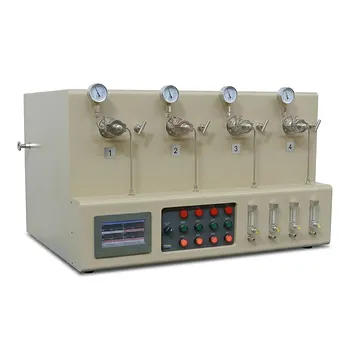
High Temperature 1700C 4 Channel Tube Furnace 1 Inch Alumina Tube for Hi-Throughput Annealing
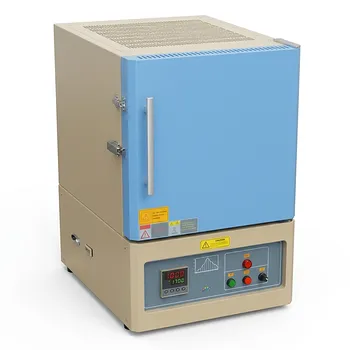
Large Bench Top 1700C High Temperature Muffle Furnace with 19L Chamber for Advanced Material Sintering and Annealing
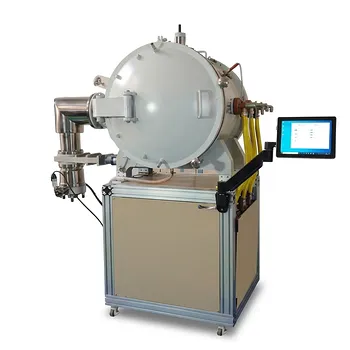
High Temperature Cold Wall Vacuum Furnace for Advanced Material Sintering and Annealing 1600C Heating Area 200x200x300mm
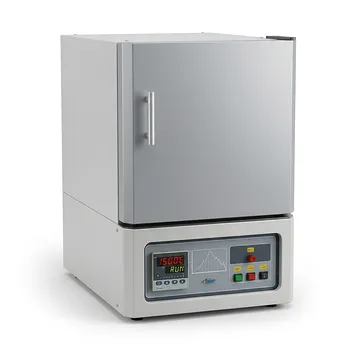
High Temperature 1500C Benchtop Muffle Furnace 3.6L Alumina Fiber Chamber Programmable Controller Sintering Annealing Carbonization Thermal Processing System
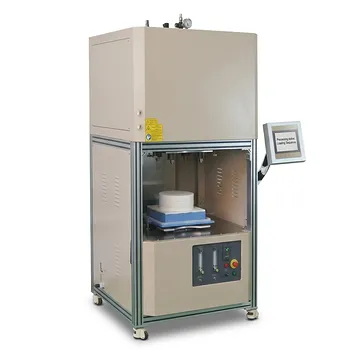
High Temperature Vertical Atmosphere Controlled Furnace with Automatic Bottom Loading and 1700°C Capacity for Advanced Material Research
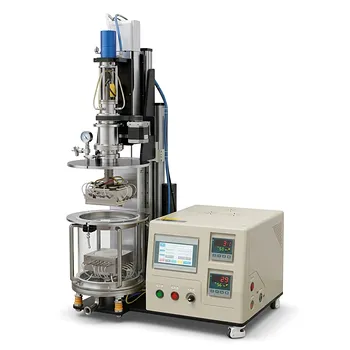
High Temperature 800C Rapid Thermal Processing Furnace with Rotating Sample Holder for Close Spaced Sublimation and Thin Film Solar Cell Research
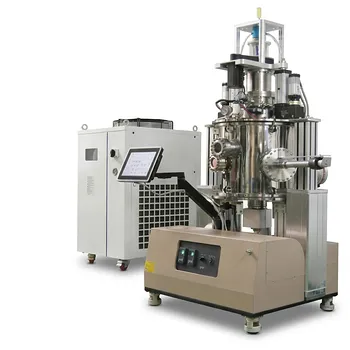
950C Rapid Thermal Processing Furnace for 12 Inch Wafer CSS Coating with Rotating Substrate Holder
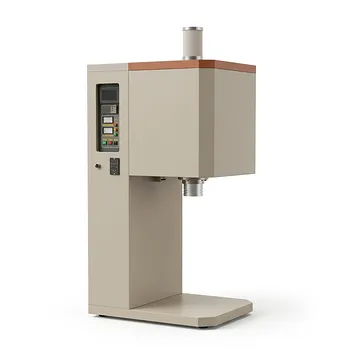
Vertical Openable Tube Furnace 0-1700c High Temperature Laboratory System for CVD and Vacuum Heat Treatment
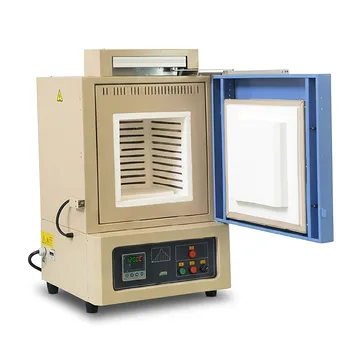
1200C High Temperature Muffle Furnace with Motorized Door and Automated PC Control for Industrial Sintering and Material Processing 27 Liter