What are the advantages of using high-purity alumina boats in 1100 °C carbonization? Ensure Purity and Stability.
Updated 3 months ago
High-purity alumina boats are the preferred choice for 1100 °C carbonization because they combine extreme thermal resilience with near-total chemical inertness. These containers prevent the sample from reacting with or adhering to the vessel walls, ensuring the chemical purity of the resulting biochar or carbon composite. This stability allows for complete material recovery and ensures that analytical data reflects the sample's behavior rather than a reaction with the container.
High-purity alumina provides a chemically neutral environment that preserves sample integrity at extreme temperatures. By eliminating vessel-to-sample contamination and resisting thermal stress, these boats guarantee reproducible results and high-quality material synthesis.
Preserving Chemical Purity and Sample Integrity
Prevention of Solid-Phase Reactions
At 1100 °C, many materials become highly reactive; however, high-purity alumina (Al₂O₃) remains exceptionally stable. It prevents solid-phase reactions between the container and sensitive samples, such as metal oxides or carbonate films, which would otherwise alter the chemical composition of the final product.
Inertness in Complex Gas Environments
Carbonization often involves the release of aggressive, complex gas-phase products or the use of reducing atmospheres like ammonia and nitrogen. Alumina boats do not react with these precursors or gases, ensuring that the resulting carbonized powders or electrocatalysts remain single-phase and free from external metallic impurities.
Elimination of Sample Adhesion
During the melting and pyrolysis stages of carbonization, samples like lignin can become viscous and prone to sticking. The non-reactive surface of high-purity alumina prevents adhesion, allowing researchers to achieve complete recovery of the synthesized material without loss or contamination.
Ensuring Structural Reliability Under Thermal Stress
Exceptional Thermal Shock Resistance
High-temperature processes often involve rapid heating or cooling cycles that can cause inferior materials to crack. High-purity alumina possesses high thermal shock resistance, allowing the boat to maintain its physical structural integrity even during intense thermal transitions or exothermic reactions.
High-Temperature Mechanical Strength
Unlike glass or lower-grade ceramics that may soften or deform, alumina maintains its mechanical strength at 1100 °C. This prevents the boat from warping over time, which is critical for maintaining a level surface area and ensuring consistent heat distribution across the sample.
Resistance to Repeated Thermal Cycling
For laboratory efficiency, containers must be reused across multiple experiments. Alumina boats are resistant to cracking and deformation during repeated cycles, making them a cost-effective and reliable "consumable" for long-term research projects.
Optimizing Analytical Accuracy
Minimizing Background Signal Interference
In applications like thermogravimetric analysis (TGA), any weight change in the container can ruin the data. Alumina boats produce no significant background weight changes, ensuring that the mass signal accurately reflects only the chemical behavior of the sample.
Guaranteeing Experimental Reproducibility
By removing the variable of container-sample interaction, alumina boats ensure that the transformation of the sample is governed strictly by the programmed temperature and atmosphere. This level of control is essential for the reproducibility of results in high-stakes materials science and catalysis research.
Understanding the Trade-offs
While alumina is highly versatile, it is not universal. Alumina is a ceramic and is inherently brittle, meaning it can shatter if dropped or subjected to extreme mechanical impact.
Furthermore, while it resists most acids and bases, it can be attacked by certain highly alkaline fluxes or fluorinated compounds at high temperatures. Users must also be aware that while it handles thermal shock well, extreme quenching (e.g., moving directly from 1100 °C to room temperature) can still lead to micro-fractures over time.
How to Apply This to Your Project
Recommendations Based on Your Goals
- If your primary focus is material purity: Utilize high-purity (99%+) alumina to ensure no metallic ions or impurities leach into your sample during long-duration carbonization.
- If your primary focus is quantitative analysis: Choose alumina crucibles for TGA or mass-loss studies to ensure the container does not interfere with the precision of your weight measurements.
- If your primary focus is high-throughput synthesis: Rely on alumina’s thermal shock resistance to allow for faster cooling cycles, increasing the number of batches you can process per day.
By selecting high-purity alumina, you secure a stable, non-reactive foundation that ensures your high-temperature processes yield pure, predictable, and high-quality results.
Summary Table:
| Advantage | Key Feature | User Benefit |
|---|---|---|
| Chemical Inertness | Resists solid-phase reactions | Prevents sample contamination and leaching |
| Thermal Stability | High thermal shock resistance | Prevents cracking during rapid heating/cooling |
| Mechanical Strength | Retains shape at 1100°C | Ensures uniform heat and long-term reuse |
| Analytical Precision | Minimal background interference | Guarantees accurate mass-loss and TGA data |
Optimize Your High-Temperature Research with THERMUNITS
As a leading manufacturer of high-temperature laboratory equipment, THERMUNITS provides the precision and reliability required for advanced material science and industrial R&D. Our comprehensive range of thermal solutions—including Muffle, Vacuum, Atmosphere, Tube, and Rotary furnaces, as well as CVD/PECVD systems—is designed to work seamlessly with high-purity components like alumina boats to ensure superior results.
Whether you are scaling up with an electric rotary kiln or performing specialized research with Vacuum Induction Melting (VIM) or Hot Press furnaces, THERMUNITS delivers the expertise and high-quality Thermal Elements your lab needs.
Ready to elevate your thermal processing? Contact THERMUNITS today for a customized solution!
References
- Seth Kane, Cecily Ryan. Role of sodium sulfate in electrical conductivity and structure of lignin-derived carbons. DOI: 10.1016/j.jaap.2024.106600
Mentioned Products
- Compact 1100C Muffle Furnace with Programmable Temperature Control and High Purity Alumina Insulation for Material Research
- 1100C High Temperature Vacuum Crucible Furnace with Quartz Chamber for Thermal Processing and Sintering
- High Temperature Muffle Furnace with Alloy Chamber for Debinding and Sintering Applications
- High Temperature 1500C Benchtop Muffle Furnace 3.6L Alumina Fiber Chamber Programmable Controller Sintering Annealing Carbonization Thermal Processing System
- Compact High Temperature 1600C Tube Furnace with 50mm Alumina Tube and Vacuum Flanges for Material Sintering
People Also Ask
- Why is 1100°C in situ annealing required after LZO and DTO deposition? Achieve High-Quality Thin Film Synthesis
- What technical capabilities must a high-temperature furnace possess for 1100°C HEA annealing? Precision & Stability.
- Why are high-purity alumina (Al2O3) substrates selected as carriers? Optimal Stability for Vanadium Oxide Reduction
- Why are high-purity alumina crucibles preferred as sample containers in high-temperature sintering experiments? Key Facts
- Why are high-purity alumina crucibles used in annealing after spray pyrolysis? Superior Purity & High-Temp Stability

Tech Team · ThermUnits
Last updated on Jun 03, 2026
Related Products
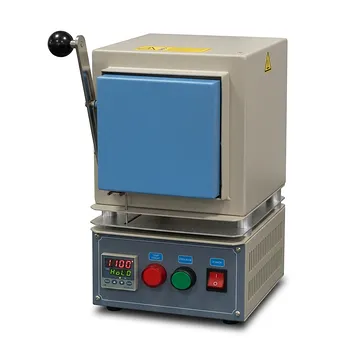
Compact 1100C Muffle Furnace with Programmable Temperature Control and High Purity Alumina Insulation for Material Research
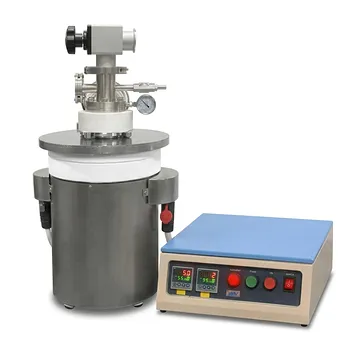
1100C High Temperature Vacuum Crucible Furnace with Quartz Chamber for Thermal Processing and Sintering
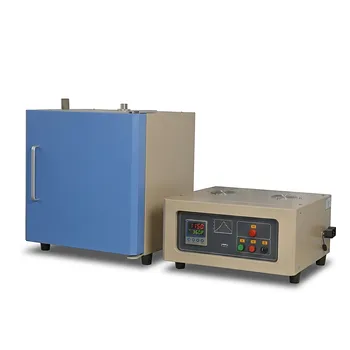
High Temperature Muffle Furnace with Alloy Chamber for Debinding and Sintering Applications
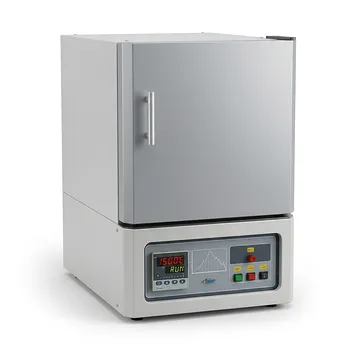
High Temperature 1500C Benchtop Muffle Furnace 3.6L Alumina Fiber Chamber Programmable Controller Sintering Annealing Carbonization Thermal Processing System

Compact High Temperature 1600C Tube Furnace with 50mm Alumina Tube and Vacuum Flanges for Material Sintering

1100°C High Temperature Quartz Chamber Furnace 8 Inch OD with 7.6 Liter Capacity and Vacuum Atmosphere Capability
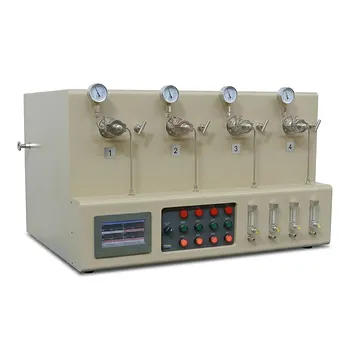
High Temperature 1700C 4 Channel Tube Furnace 1 Inch Alumina Tube for Hi-Throughput Annealing
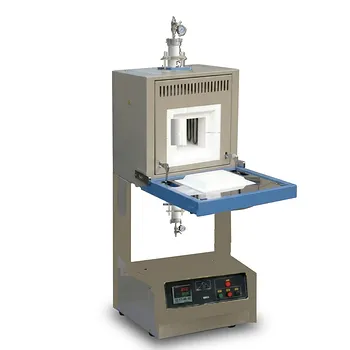
High Temperature Vertical Hybrid Furnace with Alumina Tube and SiC Heating for SOFC Coin Cell Testing and Atmosphere Processing
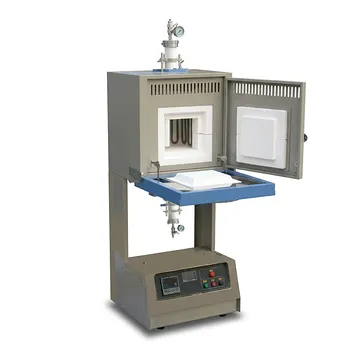
Vertical Hybrid High Temperature Furnace 1500C Alumina Tube SOFC Fuel Cell Testing Laboratory Heat Treatment Research Equipment
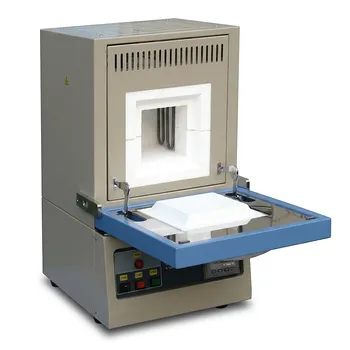
High Temperature 1800C Compact Muffle Furnace with Kanthal Super 1900 Heating Elements and 1.7L Alumina Chamber

1800C High Temperature Compact Vacuum Tube Furnace with 60mm OD Alumina Tube and Kanthal MoSi2 Heating Elements
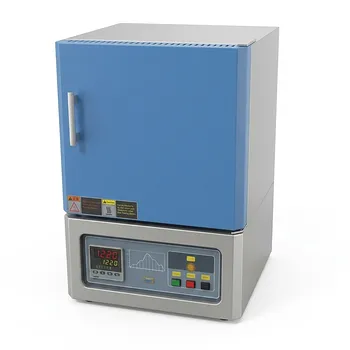
High Temperature Benchtop Muffle Furnace 1700C 10L Chamber Alumina Fiber Insulation MoSi2 Heating Elements
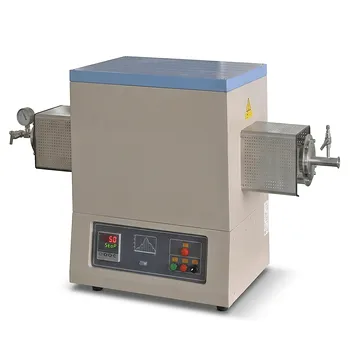
High Temperature 1700C Tube Furnace with 4 Inch OD Alumina Tube and Vacuum Sealing Flanges
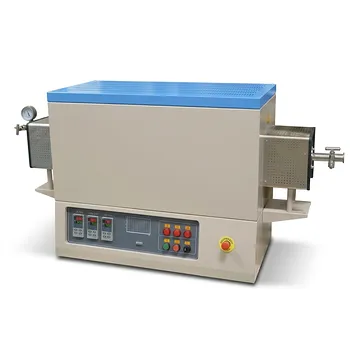
Three Zone Alumina Tube Furnace with Vacuum Flanges High Temperature 1700C Thermal Gradient CVD System
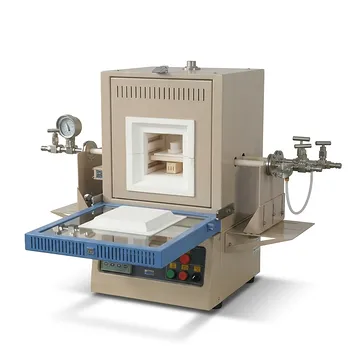
1700C Compact Hybrid Furnace with Dual Layer Box Sintering and Controlled Atmosphere Alumina Tubes
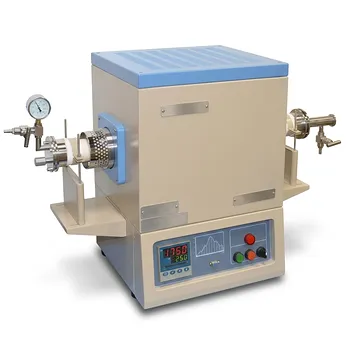
High Temperature Compact Vacuum Tube Furnace 1750C Max 60mm OD Alumina Tube
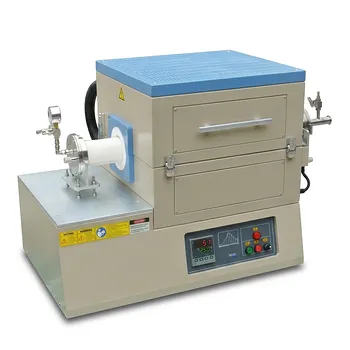
High Temperature 1700C Split Tube Furnace with Vacuum Flanges Valves and 60mm Alumina Tube
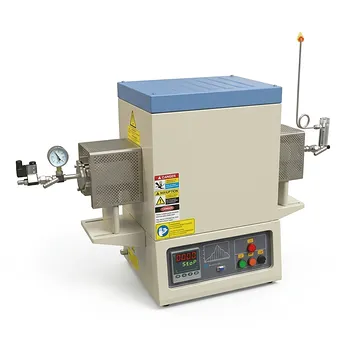
1700C Hydrogen Gas Tube Furnace with 60mm Alumina Process Tube and Integrated Hydrogen Safety Detector
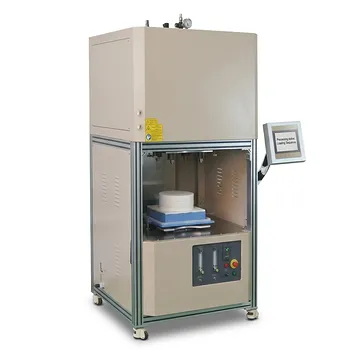
High Temperature Vertical Atmosphere Controlled Furnace with Automatic Bottom Loading and 1700°C Capacity for Advanced Material Research