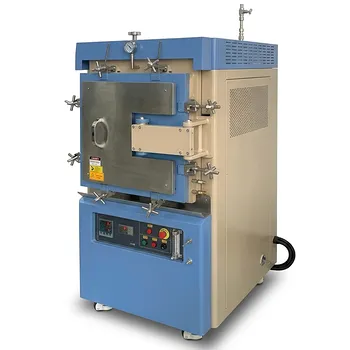
What technical capabilities must a high-temperature furnace possess for 1100°C HEA annealing? Precision & Stability.
Updated 3 months ago
To achieve effective 1100°C homogenization of High-Entropy Alloys (HEAs), a furnace must possess high-precision PID temperature control, sustained thermal stability for 10+ hours, and robust atmosphere protection capabilities. These technical requirements ensure that the thermal energy is delivered consistently enough to drive atomic diffusion, which eliminates the chemical segregation and dendritic structures typical of as-cast ingots. Without these specific capabilities, the resulting alloy may suffer from non-uniform phase distribution or surface degradation, compromising its mechanical properties and research validity.
The core takeaway: Homogenization at 1100°C is a precision-dependent process where the furnace acts as the primary driver for solid-state diffusion; therefore, the equipment must prioritize long-term thermal equilibrium and the prevention of oxidation to successfully transform a heterogeneous as-cast structure into a uniform solid solution.
The Necessity of Precision Thermal Control
Driving Solid-State Atomic Diffusion
At 1100°C, the furnace provides the critical kinetic energy required for elements to migrate across grain boundaries.
This cross-regional element diffusion is essential to redistribute elements between Al-Ni enriched and Cr-Fe enriched regions, effectively dissolving non-equilibrium phases.
High-precision control ensures that the temperature remains exactly at the set point, preventing localized melting or insufficient diffusion that would leave the as-cast dendritic structure intact.
Maintaining Phase Stability and Uniformity
Precise temperature regulation directly dictates the degree of recrystallization and the final grain size of the alloy.
For dual-phase HEAs, such as those with A1-FCC and B2-BCC structures, even minor temperature fluctuations can shift the phase volume fractions.
A stable thermal environment ensures that the resulting lamellar structure is consistent throughout the entire ingot, providing a reliable baseline for subsequent mechanical testing or cold rolling.
Atmosphere Management and Long-Duration Stability
Prevention of Surface Oxidation and Decarburization
Heating HEA ingots to 1100°C for extended periods, such as 10 to 20 hours, exposes the material to severe atmospheric risks.
The furnace must feature atmosphere protection, typically through a high-vacuum system or a continuous flow of high-purity argon gas.
Without these protections, the alloy can undergo significant surface oxidation or decarburization, which alters the chemical composition and can lead to cracking during later fabrication steps.
Reliability Over Extended Duty Cycles
Homogenization is rarely a short process; it often requires maintaining extreme temperatures for durations ranging from 10 to 20 hours.
The furnace's heating elements and insulation must be rated for sustained high-temperature operation without "drifting" from the set point.
Equipment like high-temperature tube furnaces or industrial-grade muffle furnaces are preferred because they are engineered to maintain a stable "hot zone" throughout these long cycles.
Understanding the Trade-offs
Thermal Gradients vs. Throughput
Box and muffle furnaces offer larger internal volumes for processing multiple ingots, but they often suffer from thermal gradients where the center is cooler than the walls.
In contrast, tube furnaces provide superior atmosphere control and temperature uniformity but are limited by the physical size of the quartz or alumina tube.
Choosing a larger furnace may increase production capacity, but it requires more sophisticated multi-zone heating to ensure the 1100°C environment is uniform across all samples.
Heating Rates and Cooling Sensitivity
Rapidly reaching 1100°C can save time, but it may introduce thermal stresses in large, complex ingots.
While the furnace must be capable of reaching high temperatures efficiently, the ability to control the cooling rate is equally vital to prevent the re-precipitation of unwanted phases.
Standard muffle furnaces may cool too slowly for some HEA chemistries, whereas specialized furnaces allow for controlled cooling or rapid extraction for quenching.
How to Apply This to Your Project
Selecting the Right Equipment for Your Research
- If your primary focus is phase purity and oxidation prevention: Utilize a high-temperature tube furnace with a dual-stage vacuum pump and high-purity argon integration.
- If your primary focus is large-scale ingot processing for rolling: Select a high-capacity box furnace with multi-zone PID control and a secondary gas purging system.
- If your primary focus is evaluating thermal stability of nanoparticles: Prioritize a furnace with extremely low thermal mass that allows for rapid temperature adjustments and precise atmospheric monitoring.
- If your primary focus is preventing material cracking during cold rolling: Ensure the furnace can maintain 1100°C for at least 10 hours to fully eliminate dendritic segregation and achieve a uniform solid solution.
By strictly matching furnace capabilities to the kinetic requirements of atomic diffusion, you ensure the structural integrity and chemical homogeneity of your High-Entropy Alloy.
Summary Table:
| Requirement | Technical Feature | Importance for HEA Processing |
|---|---|---|
| Thermal Precision | High-precision PID Control | Prevents localized melting; ensures consistent atomic diffusion. |
| Long-term Stability | 10-20 Hour Duty Cycles | Necessary to eliminate as-cast dendritic structures completely. |
| Atmosphere Control | Vacuum or Argon Purging | Prevents surface oxidation and decarburization at 1100°C. |
| Zone Uniformity | Multi-zone Heating | Ensures uniform phase distribution across the entire ingot. |
Elevate Your HEA Research with Precision Thermal Solutions
Achieving perfect homogenization for High-Entropy Alloys requires equipment that can withstand the rigors of long-duration, high-temperature cycles without compromising on atmosphere purity. THERMUNITS is a leading manufacturer of high-temperature laboratory equipment specifically designed for material science and industrial R&D.
We provide a comprehensive range of thermal processing solutions tailored for advanced metallurgy, including:
- High-Vacuum & Atmosphere Furnaces (Muffle, Tube, and Rotary)
- CVD/PECVD Systems for surface engineering
- Vacuum Induction Melting (VIM) & Hot Press Furnaces
- Specialized Dental & Electric Rotary Kilns
Don't let thermal instability or oxidation compromise your research validity. Let our experts help you select the ideal furnace for your 1100°C+ applications.
Contact THERMUNITS Today to Discuss Your Project
References
- Eddy Agus Basuki, Muhamad Hananuputra Setianto. High-Temperature Oxidation Behaviour of High Entropy Alloys. DOI: 10.1051/e3sconf/202454303001
Mentioned Products
- High Temperature Muffle Furnace with Alloy Chamber for Debinding and Sintering Applications
- 1100C Crucible Melting Furnace with Stirring Function for Glovebox and Air Sensitive Alloy Research
- Compact 1100C Muffle Furnace with Programmable Temperature Control and High Purity Alumina Insulation for Material Research
- Rapid Thermal Processing RTP Atmosphere Controlled Bottom Loading Furnace 1100C High Throughput 50C per Second Heating Rate
- 1200C Five Side Heating Muffle Furnace with Sliding Door 125L Volume High Temperature Heat Treatment System for Large Scale Sintering and Annealing
People Also Ask
- What role does a high-temperature muffle furnace play in evaluating the mineral composition of rock samples? LOI & XRF Guide
- What role does a high-temperature muffle furnace play in the synthesis of Melem precursors? Precision Polymerization.
- What is the purpose of using muffle or tube furnaces in glass synthesis? Achieve Precise Melt-Quenching & Homogeneity
- Why is annealing in a high-temperature muffle furnace necessary for SiO2/Si substrate pretreatment before monolayer WS2 synthesis?
- What is the role of a high-temperature muffle furnace in the synthesis of graphitic carbon nitride (g-C3N4)? - Guide

Tech Team · ThermUnits
Last updated on Jun 03, 2026
Related Products
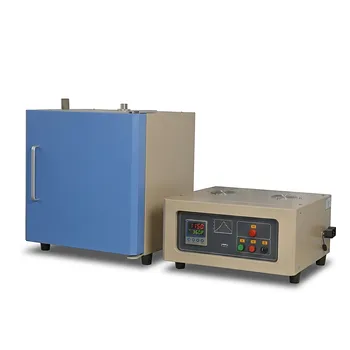
High Temperature Muffle Furnace with Alloy Chamber for Debinding and Sintering Applications
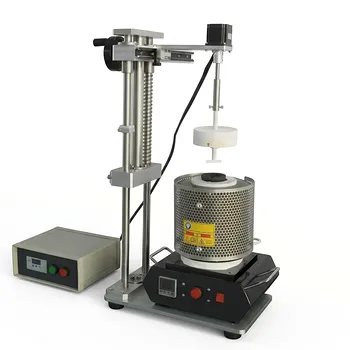
1100C Crucible Melting Furnace with Stirring Function for Glovebox and Air Sensitive Alloy Research
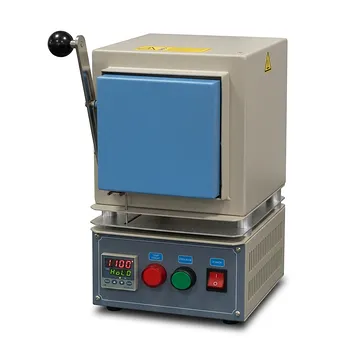
Compact 1100C Muffle Furnace with Programmable Temperature Control and High Purity Alumina Insulation for Material Research
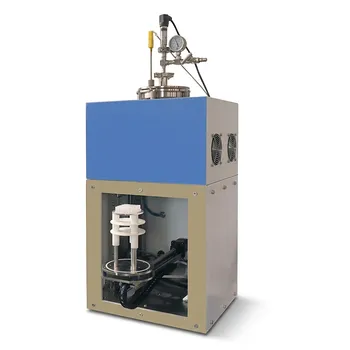
Rapid Thermal Processing RTP Atmosphere Controlled Bottom Loading Furnace 1100C High Throughput 50C per Second Heating Rate
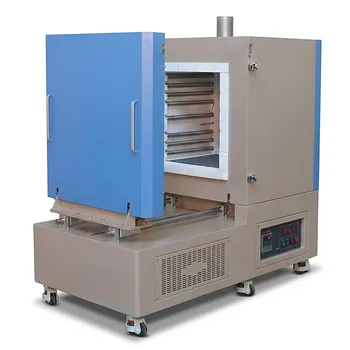
1200C Five Side Heating Muffle Furnace with Sliding Door 125L Volume High Temperature Heat Treatment System for Large Scale Sintering and Annealing
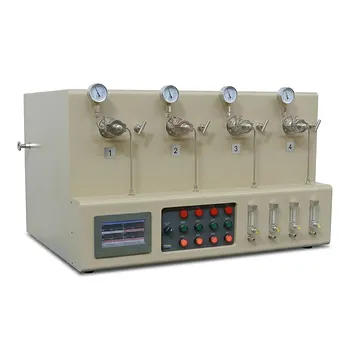
High Temperature 1700C 4 Channel Tube Furnace 1 Inch Alumina Tube for Hi-Throughput Annealing
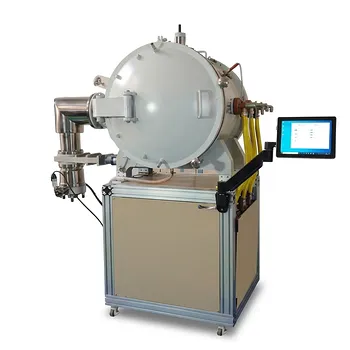
High Temperature Cold Wall Vacuum Furnace for Advanced Material Sintering and Annealing 1600C Heating Area 200x200x300mm
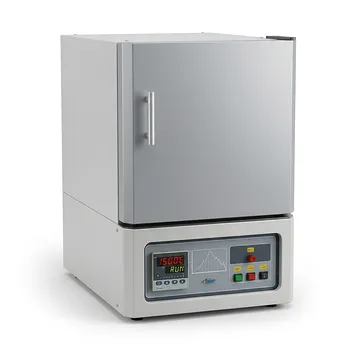
High Temperature 1500C Benchtop Muffle Furnace 3.6L Alumina Fiber Chamber Programmable Controller Sintering Annealing Carbonization Thermal Processing System
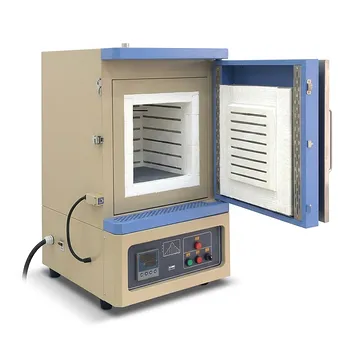
Five Side Heating Muffle Furnace High Purity Alumina Fiber 27L Chamber 1200C High Temperature Thermal Processing System for Sintering Annealing and Materials Research

1200C High Throughput Multi Channel Tube Furnace with 50mm Quartz Tubes for Annealing and Material Phase Diagram Research
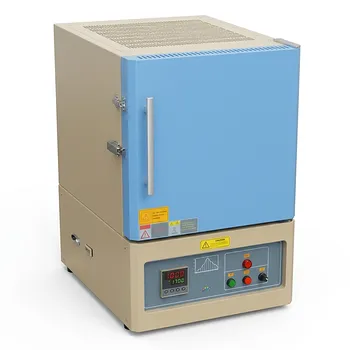
Large Bench Top 1700C High Temperature Muffle Furnace with 19L Chamber for Advanced Material Sintering and Annealing
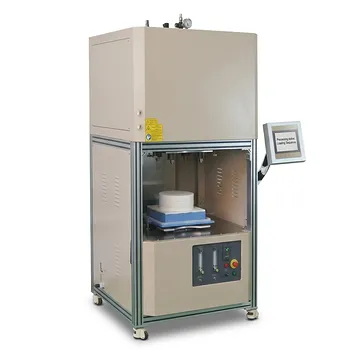
High Temperature Vertical Atmosphere Controlled Furnace with Automatic Bottom Loading and 1700°C Capacity for Advanced Material Research
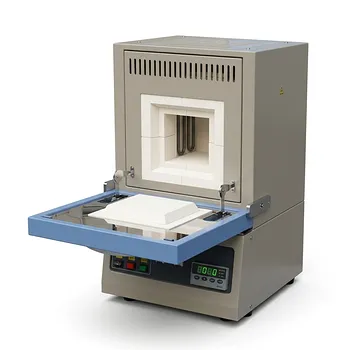
Five Sided Heating Muffle Furnace High Uniformity 1200C Lab Box Furnace 27L Alumina Fiber Chamber
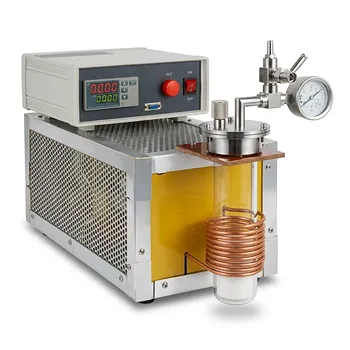
High Temperature Mini Induction Heating Furnace 1600C Laboratory Material Melting System
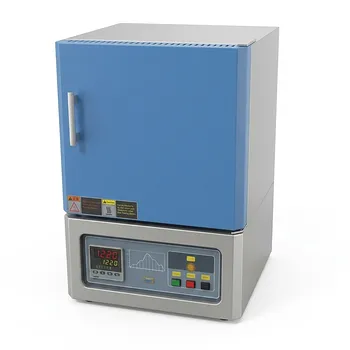
High Temperature Benchtop Muffle Furnace 1700C 10L Chamber Alumina Fiber Insulation MoSi2 Heating Elements
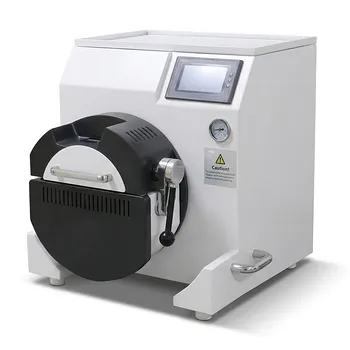
Desktop Induction Melting Furnace with Automatic Rotary Casting Function up to 1700C for Advanced Metal Alloy Research
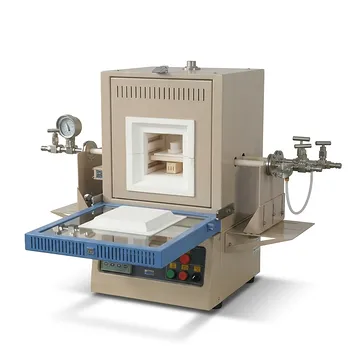
1700C Compact Hybrid Furnace with Dual Layer Box Sintering and Controlled Atmosphere Alumina Tubes
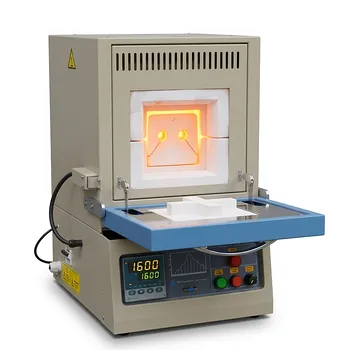
High Temperature Compact Muffle Furnace 1700 C with 30 Segment Programmable Controller and 1.7L Cubic Chamber
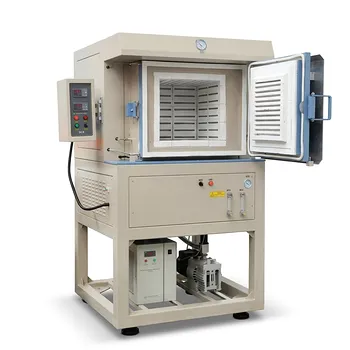
1200°C Five Side Heating Atmosphere Controlled Muffle Furnace 64 Liter High Uniformity Box Furnace for Material Synthesis