Why are high-purity alumina crucibles preferred as sample containers in high-temperature sintering experiments? Key Facts
Updated 3 months ago
High-purity alumina crucibles are the preferred choice for sintering experiments because they provide a chemically inert and structurally stable environment at temperatures exceeding 1350°C. These containers ensure that no chemical reaction occurs between the sample and the crucible, which is essential for maintaining the integrity of the experimental results. By preventing contamination and resisting erosion from melts, alumina crucibles allow for the precise analysis of a sample’s phase composition and physical properties without interference from the vessel itself.
High-purity alumina (Al2O3) acts as a "blank slate" for high-temperature research, offering the chemical resistance and thermal strength needed to isolate sample behavior from the container. Its use is critical for ensuring that data—ranging from mass changes to phase formations—reflects the true nature of the material under study.
The Critical Role of Chemical Inertness
Preventing Cross-Contamination and Impurities
High-purity alumina is selected primarily because it does not react with most samples, including iron ore sinter, perovskite ceramics, and high-entropy alloys. This inertness ensures that experimental results, such as the analysis of Silico-Ferrite of Calcium and Aluminum (SFCA), remain pure and accurate. Without this stability, the introduction of alumina or other impurities into the sample could fundamentally alter its chemical and structural characteristics.
Resistance to Corrosive Melts and Slags
At extreme temperatures, many materials become highly reactive when they enter a liquid or molten state. Alumina crucibles exhibit exceptional resistance to erosion by iron-based melts and aluminum-silicon alloy processing, preventing the infiltration of impurity elements into the system. This resistance is vital during long-duration thermal treatments where the container is in constant contact with aggressive chemical environments.
Stability in Complex Reactive Gas Environments
Experiments involving reducing atmospheres or potassium chloride (KCl) salts require a container that will not degrade or react with the gas phase. Alumina maintains its structural integrity and chemical neutrality even when exposed to complex reactive gases at temperatures near 1000°C. This allows researchers to study gas-solid reactions without the crucible participating in the chemical process.
Maintaining Physical and Analytical Integrity
High Refractoriness and Structural Strength
High-purity alumina possesses exceptional high-temperature mechanical strength, allowing it to support heavy specimens without deforming. It can withstand pre-melting processes at temperatures as high as 1700 K (1427°C) and sintering cycles at 1400°C without losing its shape. This structural reliability is essential for automated systems and precision sintering where sample orientation must be maintained.
Accuracy in Thermogravimetric Analysis (TGA)
In experiments where mass change is the primary metric, alumina crucibles provide a stable baseline because they produce minimal background weight changes. This ensures that the mass signal captured during a TGA run reflects only the chemical behavior of the sample. Any weight change in the container would otherwise mask the subtle reactions occurring within the experimental material.
Vacuum Stability and Gas Flow Control
The low permeability of high-purity alumina helps maintain the stability of vacuum systems during high-temperature experiments. Furthermore, the structural design of these crucibles allows for smooth gas flow over the sample surface. This ensures that the local environment around the sample is consistent and controlled, which is critical for reproducible results.
Understanding the Trade-offs
Sensitivity to Thermal Shock
Despite its high-temperature strength, alumina is a ceramic material and is inherently brittle. It is highly sensitive to thermal shock, meaning rapid heating or cooling can cause the crucible to crack or shatter. Researchers must use controlled heating and cooling rates to preserve the life of the container.
Compatibility Limitations with Specific Fluxes
While alumina is inert to many substances, it can be attacked by certain strongly alkaline fluxes or hydrofluoric acid. In specialized experiments involving these chemicals, alumina may not be the appropriate choice. Selecting the wrong container material for these specific chemistries can lead to crucible failure and sample loss.
Making the Right Choice for Your Goal
How to Apply This to Your Project
- If your primary focus is phase purity (e.g., SFCA analysis): Use high-purity (99%+) alumina to ensure no container elements migrate into your ceramic or mineral phases.
- If your primary focus is mass change accuracy (TGA): Choose alumina for its negligible background weight change in reactive gas environments.
- If your primary focus is molten metal processing: Rely on alumina’s low permeability and erosion resistance to prevent alloy contamination.
- If your primary focus is high-temperature automation: Leverage the structural rigidity of alumina trays to prevent deformation during automated transport and sintering.
High-purity alumina crucibles remain the definitive standard for high-temperature research because they prioritize the chemical and physical isolation of the sample above all else.
Summary Table:
| Feature | Benefit | Ideal Application |
|---|---|---|
| Chemical Inertness | Prevents sample contamination & cross-reactions | SFCA analysis, Ceramics, High-entropy alloys |
| High Refractoriness | Maintains structural integrity up to 1700K | High-temperature sintering & pre-melting |
| Erosion Resistance | Withstands aggressive molten metals & slags | Iron-based melts & Aluminum-silicon processing |
| Low Permeability | Ensures stable vacuum & controlled gas flow | Vacuum sintering & Atmosphere-controlled R&D |
| Mass Stability | Minimal background weight change | High-precision Thermogravimetric Analysis (TGA) |
Elevate Your Material Research with THERMUNITS Precision Solutions
Achieving uncompromising purity in high-temperature sintering requires both the right containers and the most reliable thermal environments. THERMUNITS is a premier manufacturer specializing in advanced high-temperature laboratory equipment designed for material science and industrial R&D.
Whether you are conducting phase composition analysis or complex alloy processing, our comprehensive range of equipment ensures peak performance:
- Precision Furnaces: Muffle, Vacuum, Atmosphere, Tube, and Rotary furnaces designed for uniform heating.
- Advanced Systems: CVD/PECVD systems, Hot Press furnaces, and Vacuum Induction Melting (VIM) furnaces.
- Specialized Equipment: Dental Furnaces, electric rotary kilns, and high-quality Thermal Elements.
Ready to optimize your heat treatment workflow? Our experts are here to provide tailored solutions that match your specific experimental requirements.
Contact THERMUNITS Today to Get a Quote
References
- Leonardo Tomas da Rocha, Sung‐Mo Jung. Development of a Low-carbon Sintering Process Technology and Its Application to a Pilot-scale Sintering Testing. DOI: 10.2355/isijinternational.isijint-2024-239
Mentioned Products
- Compact 1100C Muffle Furnace with Programmable Temperature Control and High Purity Alumina Insulation for Material Research
- 600°C Vertical Crucible Furnace with SS316 Alloy Reactor and 6 Port Vacuum Flange
- 1100C High Temperature Vacuum Crucible Furnace with Quartz Chamber for Thermal Processing and Sintering
- High Temperature Vertical Crucible Furnace with 22L Heating Chamber and 1200C Maximum Temperature
- Vertical Crucible Furnace 1000C High Temperature Laboratory Equipment 4.7 Inch Diameter Chamber SS316 Anti Corrosive Enclosure
People Also Ask
- Why is 1100°C in situ annealing required after LZO and DTO deposition? Achieve High-Quality Thin Film Synthesis
- What are the advantages of using high-purity alumina boats in 1100 °C carbonization? Ensure Purity and Stability.
- What technical capabilities must a high-temperature furnace possess for 1100°C HEA annealing? Precision & Stability.
- Why are high-purity alumina (Al2O3) substrates selected as carriers? Optimal Stability for Vanadium Oxide Reduction
- Why are high-purity alumina crucibles used in annealing after spray pyrolysis? Superior Purity & High-Temp Stability

Tech Team · ThermUnits
Last updated on Jun 02, 2026
Related Products
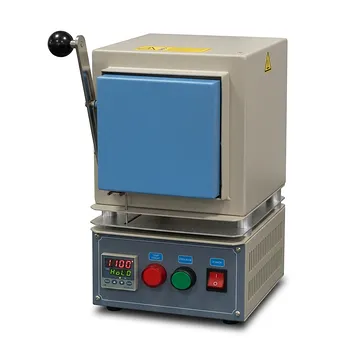
Compact 1100C Muffle Furnace with Programmable Temperature Control and High Purity Alumina Insulation for Material Research
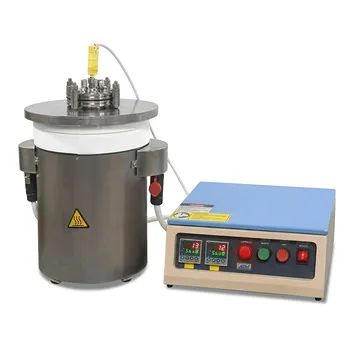
600°C Vertical Crucible Furnace with SS316 Alloy Reactor and 6 Port Vacuum Flange
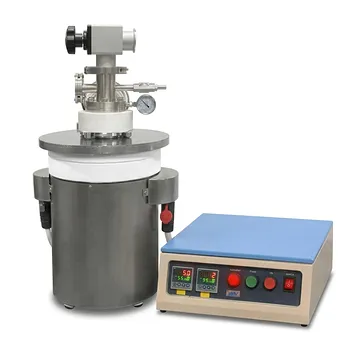
1100C High Temperature Vacuum Crucible Furnace with Quartz Chamber for Thermal Processing and Sintering
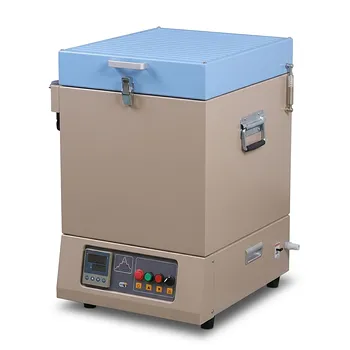
High Temperature Vertical Crucible Furnace with 22L Heating Chamber and 1200C Maximum Temperature
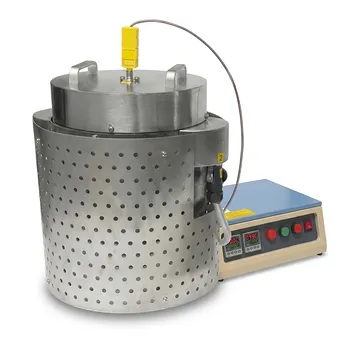
Vertical Crucible Furnace 1000C High Temperature Laboratory Equipment 4.7 Inch Diameter Chamber SS316 Anti Corrosive Enclosure
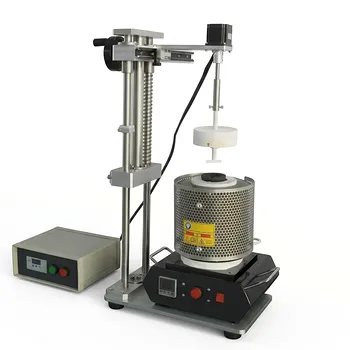
1100C Crucible Melting Furnace with Stirring Function for Glovebox and Air Sensitive Alloy Research
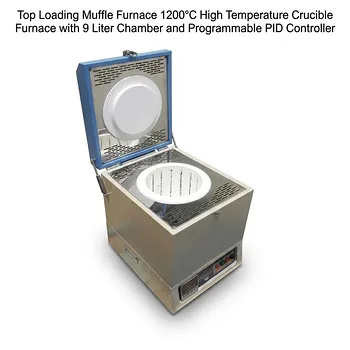
Top Loading Muffle Furnace 1200°C High Temperature Crucible Furnace with 9 Liter Chamber and Programmable PID Controller
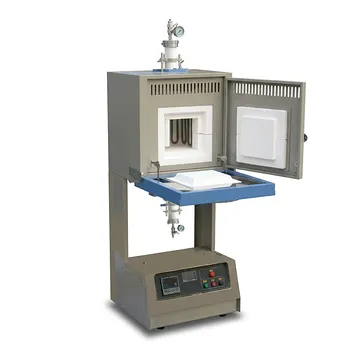
Vertical Hybrid High Temperature Furnace 1500C Alumina Tube SOFC Fuel Cell Testing Laboratory Heat Treatment Research Equipment
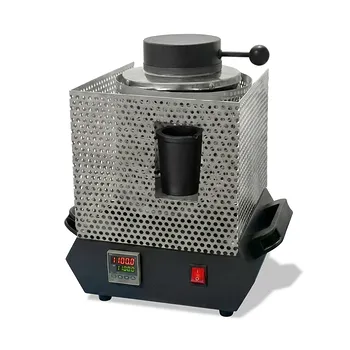
Compact Crucible Melting Furnace 1100C Programmable Temperature Controller Metal Sintering Equipment
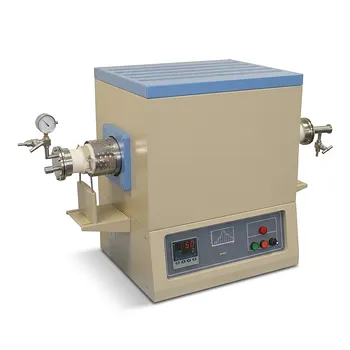
1700C High Temperature Alumina Tube Furnace with 18 Inch Heated Zone and Vacuum Sealing Flanges
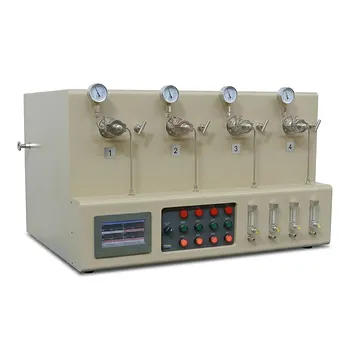
High Temperature 1700C 4 Channel Tube Furnace 1 Inch Alumina Tube for Hi-Throughput Annealing
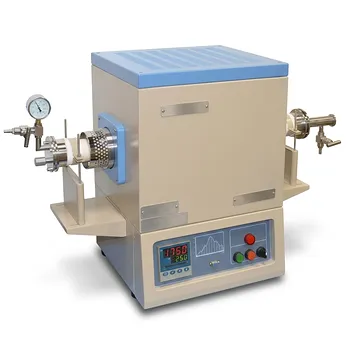
High Temperature Compact Vacuum Tube Furnace 1750C Max 60mm OD Alumina Tube
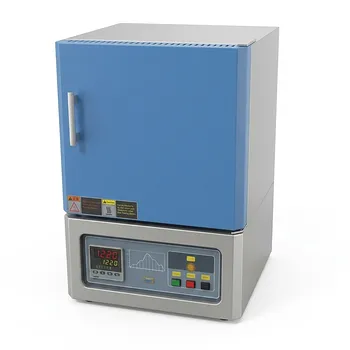
High Temperature Benchtop Muffle Furnace 1700C 10L Chamber Alumina Fiber Insulation MoSi2 Heating Elements
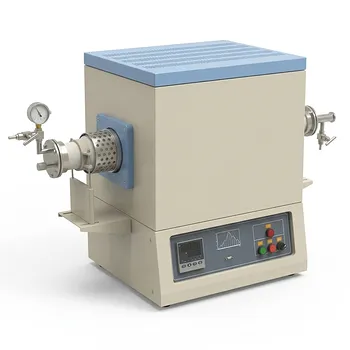
1750°C High Temperature Benchtop Vacuum Atmosphere Tube Furnace with Kanthal Super 1800 Heating Elements and 60mm Alumina Processing Tube

1800C High Temperature Compact Vacuum Tube Furnace with 60mm OD Alumina Tube and Kanthal MoSi2 Heating Elements
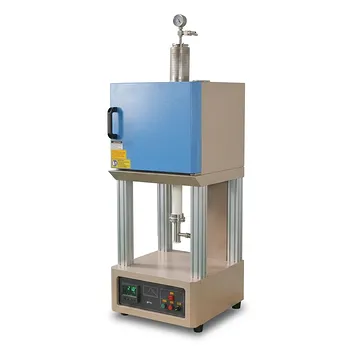
Hybrid High Temperature Tube and Box Furnace 1700C with 2 Inch Alumina Tube for Material Research
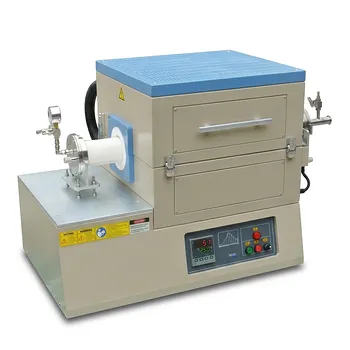
High Temperature 1700C Split Tube Furnace with Vacuum Flanges Valves and 60mm Alumina Tube
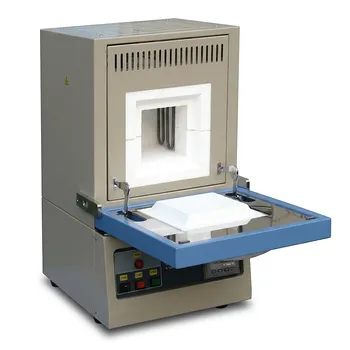
High Temperature 1800C Compact Muffle Furnace with Kanthal Super 1900 Heating Elements and 1.7L Alumina Chamber
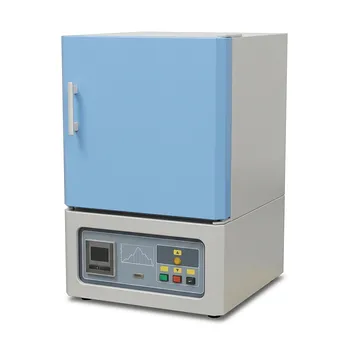
1800C Bench Top Muffle Furnace with Kanthal Super 1900 Heating Elements and 3.6L Alumina Fiber Chamber