Why are open alumina boats preferred for the pre-carbonization of pure pitch samples? Optimize Volatiles & Purity
Updated 3 months ago
Open alumina boats are the preferred vessel for pre-carbonizing pure pitch because they facilitate the continuous discharge of light volatiles under an inert atmosphere. This open configuration allows the sample to gradually concentrate into high-quality coke at temperatures around 600 °C without the risk of internal pressure buildup. Furthermore, the chemical inertness of high-purity alumina ensures that the precursor remains free from metallic contamination throughout the heating process.
The use of open alumina boats optimizes the carbonization process by balancing efficient mass transport of gas-phase byproducts with extreme chemical stability, ensuring the production of a high-purity carbon residue.
The Role of Volatile Management in Carbonization
Facilitating Steady Gas Discharge
During the heating of pure pitch, the material undergoes pyrolysis, releasing complex light volatiles and small gas molecules. Open boats allow these byproducts to be efficiently swept away by a carrier gas, preventing them from being trapped within the sample.
Driving the Concentration of Carbon
By allowing light molecules to escape, the process encourages the remaining carbonaceous residue to concentrate. This gradual transformation is essential for the formation of solid coke rather than a porous or inconsistently carbonized material.
Maintaining Reaction Equilibrium
The removal of gas-phase products is not just about cleaning; it helps maintain the reaction equilibrium. An open structure ensures that the concentration of byproducts does not stall the desired chemical transformation of the pitch into a carbon precursor.
Material Integrity: Why Alumina is the Industry Standard
Exceptional Chemical Inertness
High-purity alumina (Al2O3) is selected because it does not react with carbonaceous samples, even at temperatures reaching 1000 °C or higher. This inertness prevents secondary chemical reactions between the vessel and the pitch, which is critical for maintaining experimental accuracy.
Prevention of Sample Adhesion
Alumina’s surface properties minimize adhesion between the boat and the sample. This allows for the complete recovery of the material after the pre-carbonization phase, which is vital for calculating yields and performing subsequent processing.
Thermal Stability and Longevity
These ceramic vessels exhibit high refractoriness and can withstand frequent heating and cooling cycles without cracking. This thermal shock resistance makes them a cost-effective and reliable choice for laboratory and industrial carbonization workflows.
Understanding the Trade-offs
The Risk of Open Systems
While open boats excel at volatile removal, they require a strictly controlled inert atmosphere (such as Nitrogen or Argon). Exposure to even trace amounts of oxygen at 600 °C can lead to unwanted oxidation or combustion of the pitch sample.
Material Fragility
Despite their high-temperature resistance, alumina boats are brittle ceramics. They are susceptible to mechanical shock and must be handled with care to avoid fractures that could lead to sample loss during a furnace run.
Cleaning and Cross-Contamination
Because alumina is slightly porous at a microscopic level, improper cleaning between uses can lead to cross-contamination. For high-purity applications, boats must be thoroughly baked out or dedicated to specific sample types to ensure the integrity of the carbonization.
Making the Right Choice for Your Goal
When deciding on the vessel and configuration for your thermal processing, consider the specific requirements of your precursor material.
- If your primary focus is maximizing carbon purity: Use high-purity alumina boats to ensure no metallic impurities leach into your sample during high-temperature cycles.
- If your primary focus is controlled volatile removal: Select an open boat configuration to allow light molecules to escape, which promotes the formation of a dense, concentrated coke.
- If your primary focus is sample recovery and yield: Choose alumina for its non-stick properties, which facilitate the easy removal of the processed carbon residue.
By prioritizing the removal of volatiles and the stability of the containment material, you ensure a consistent and high-quality carbonization of pitch precursors.
Summary Table:
| Feature | Benefit | Importance in Carbonization |
|---|---|---|
| Open Boat Design | Effective Volatile Discharge | Prevents pressure buildup and promotes coke concentration |
| High-Purity Alumina | Chemical Inertness | Prevents metallic contamination at temperatures >1000°C |
| Surface Properties | Low Adhesion | Ensures high sample recovery rate and accurate yield measurement |
| Refractoriness | Thermal Stability | Withstands frequent heating/cooling cycles without cracking |
Elevate Your Material Research with THERMUNITS
Achieving precise carbonization results requires more than just heat; it requires the right thermal environment. THERMUNITS is a leading manufacturer of high-temperature laboratory equipment, providing advanced solutions for material science and industrial R&D.
Our comprehensive range of thermal processing systems includes:
- Muffle, Vacuum, and Atmosphere Furnaces
- Tube, Rotary, and Hot Press Furnaces
- CVD/PECVD Systems and Dental Furnaces
- Electric Rotary Kilns and Vacuum Induction Melting (VIM) Furnaces
- Thermal Elements and Laboratory Heat Treatment Accessories
Maximize your laboratory's efficiency and ensure the highest purity for your carbon precursors. Partner with THERMUNITS for reliable, high-performance equipment tailored to your specific research goals.
Contact our experts today to find your ideal solution!
References
- Akshay Gharpure, Randy L. Vander Wal. Optimizing Aromaticity for Graphitization. DOI: 10.1021/acsomega.4c02607
Mentioned Products
- Three Zone Alumina Tube Furnace with Vacuum Flanges High Temperature 1700C Thermal Gradient CVD System
- Vertical Hybrid High Temperature Furnace 1500C Alumina Tube SOFC Fuel Cell Testing Laboratory Heat Treatment Research Equipment
- High Temperature Compact Vacuum Tube Furnace 1750C Max 60mm OD Alumina Tube
- High Temperature 1700C 4 Channel Tube Furnace 1 Inch Alumina Tube for Hi-Throughput Annealing
- Twelve Zone 1700°C Multi Zone Split Tube Furnace with 100mm Alumina Processing Tube and Independent Temperature Gradient Control
People Also Ask
- What functions does a 3-zone tube furnace provide for graphene-coated alumina fibers? Expert CVD Heat Treatment Guide
- What role does a 3-zone tube furnace play in CCO ceramic conductivity testing? Ensure Isothermal Precision.
- What is the primary role of a High-Vacuum CVD tube furnace? Enabling Precise Semiconductor Micro-tripod Growth.
- Why is a high-temperature tube furnace with precise gas flow control required for CVD? Optimize Carbon Nanotube Synthesis
- How to Optimize CVD Systems with Alumina/BN Inner Tubes? Enhance Purity for High-Temperature Applications

Tech Team · ThermUnits
Last updated on Jun 02, 2026
Related Products
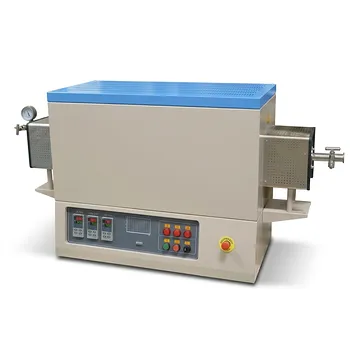
Three Zone Alumina Tube Furnace with Vacuum Flanges High Temperature 1700C Thermal Gradient CVD System
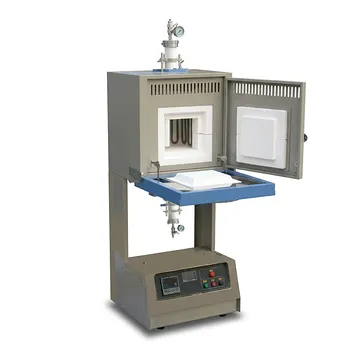
Vertical Hybrid High Temperature Furnace 1500C Alumina Tube SOFC Fuel Cell Testing Laboratory Heat Treatment Research Equipment
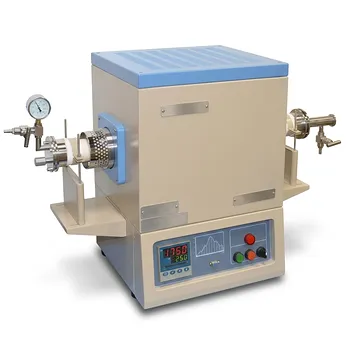
High Temperature Compact Vacuum Tube Furnace 1750C Max 60mm OD Alumina Tube
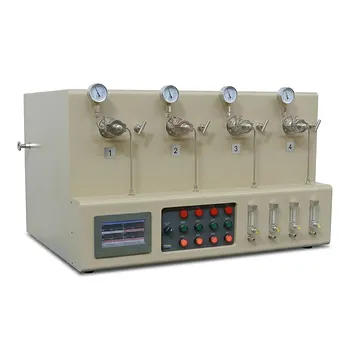
High Temperature 1700C 4 Channel Tube Furnace 1 Inch Alumina Tube for Hi-Throughput Annealing