Why is a high-temperature tube furnace with precise gas flow control required for CVD? Optimize Carbon Nanotube Synthesis
Updated 3 months ago
The synthesis of carbon nanotubes through Chemical Vapor Deposition (CVD) requires a high-temperature tube furnace and precise gas flow control to create a stable, reproducible thermochemical environment. The furnace provides the thermal energy necessary to decompose carbon precursors and facilitate carbon diffusion into metal catalysts. Precise gas flow regulation, typically managed via Mass Flow Controllers (MFCs), ensures the correct ratio of carbon sources and reducing agents to prevent soot formation and maintain structural integrity.
Core Takeaway: A high-temperature tube furnace and precise gas control act as the primary regulatory system for the CVD process, directly governing the decomposition rate of precursors and the atomic-level morphology of the resulting carbon nanotubes.
The Role of the High-Temperature Tube Furnace
A tube furnace is not merely a heat source; it is a specialized reaction chamber that maintains a controlled thermal field necessary for catalytic reactions.
Facilitating Precursor Cracking
The furnace provides the energy required for the thermal decomposition (cracking) of carbon source gases such as methane, ethylene, or acetylene. Without temperatures typically ranging from 650°C to 850°C, these molecules would remain stable, and no carbon would be available for nanotube growth.
Regulating Carbon Diffusion
Temperature directly influences the diffusion coefficient of carbon atoms within the metal catalyst particles (e.g., iron or ferrocene). Consistent heat ensures that carbon atoms move through or around the catalyst at a steady rate, which is the fundamental mechanism behind oriented, high-density growth.
Ensuring Morphological Consistency
Minor temperature fluctuations can cause drastic shifts in the final product’s microstructure. Precise thermal control prevents the transition from aligned nanotube arrays to sparse, entangled networks, ensuring the electrochemical properties of the batch remain uniform.
The Necessity of Precise Gas Flow Control
Gas flow control manages the chemistry of the growth environment by strictly regulating the flux and proportions of various gases.
Maintaining the Reducing Atmosphere
The system must balance the carbon source (like methane) with a reducing gas (like hydrogen). Hydrogen keeps the catalyst particles active by preventing them from oxidizing; precise flow control ensures this ratio remains stable so the catalyst does not become "poisoned" or deactivated.
Optimizing Reactant Residence Time
The velocity of the gas determines the residence time—how long the carbon precursors stay in contact with the catalyst. Precise regulation prevents precursor starvation (where flow is too fast for growth) or carbon encapsulation (where flow is too slow, causing carbon to smother the catalyst).
Controlling Structural Integrity and Purity
Mass Flow Controllers (MFCs) allow for the exact mixing of carrier gases like argon or nitrogen with reactive gases. This precision is vital for governing the diameter distribution, crystallinity, and the prevention of excessive amorphous carbon impurities.
Understanding the Trade-offs
Achieving the "perfect" growth environment involves balancing competing physical factors that can easily ruin a batch if not monitored.
Thermal Lag vs. Reaction Speed
While higher temperatures increase the rate of carbon cracking, they also increase the risk of catalyst sintering, where small catalyst particles merge into larger ones. This results in nanotubes with larger diameters and lower surface areas, which may be undesirable for specific applications.
Flow Rate vs. Yield
Increasing the flow of the carbon source can increase the growth rate, but it often leads to a decrease in crystallinity. High-velocity gas can also create turbulence within the tube, leading to non-uniform growth across the substrate or diatomite support.
Applying These Principles to Your Process
To achieve high-quality carbon nanotube growth, your hardware configuration must align with your specific material requirements.
- If your primary focus is high-density vertical arrays: Prioritize a furnace with a long, stable "hot zone" and high-precision MFCs to maintain a constant residence time.
- If your primary focus is structural purity (crystallinity): Focus on fine-tuning the ratio of hydrogen to the carbon source to ensure the catalyst remains active without forming amorphous soot.
- If your primary focus is specific nanotube diameters: Implement a furnace with rapid-cool capabilities and extremely tight temperature tolerances (±1°C) to prevent catalyst particle growth.
By mastering the intersection of thermal stability and gas dynamics, you can transition from unpredictable results to a highly controlled, scalable carbon nanotube synthesis process.
Summary Table:
| Component | Primary Function | Impact on CNT Quality |
|---|---|---|
| Tube Furnace | Thermal decomposition (cracking) & carbon diffusion | Ensures morphological consistency and aligned growth. |
| Gas Flow Control (MFCs) | Regulates reactant flux and reducing atmosphere | Controls diameter distribution and prevents amorphous soot. |
| Thermal Field Management | Maintains a stable reaction chamber environment | Prevents catalyst sintering and ensures batch uniformity. |
| Residence Time Control | Manages contact duration between gas and catalyst | Optimizes yield and prevents precursor starvation or smothering. |
Elevate Your Nanomaterial Research with THERMUNITS
Precision is non-negotiable in carbon nanotube synthesis. THERMUNITS is a leading manufacturer of high-temperature laboratory equipment specifically designed for material science and industrial R&D. We empower your research with state-of-the-art thermal processing solutions that provide the exact stability and gas dynamics required for high-purity results.
Our comprehensive product range includes:
- Advanced CVD/PECVD Systems & Precise Tube Furnaces
- Muffle, Vacuum, Atmosphere, and Rotary Furnaces
- Hot Press Furnaces and Vacuum Induction Melting (VIM) Units
- Specialized Dental Furnaces and Electric Rotary Kilns
- High-Performance Thermal Elements and Heat Treatment Accessories
Don't let equipment limitations hinder your innovation. Contact us today to discuss your specific laboratory requirements and discover how our specialized heat treatment solutions can streamline your CVD workflow!
References
- Cheng Hu, Zhiwen Shi. Collapse of carbon nanotubes due to local high-pressure from van der Waals encapsulation. DOI: 10.1038/s41467-024-47903-3
Mentioned Products
- High Temperature 1200C Split Tube Furnace with Internal Travel Mechanism for HPCVD and Crystal Growth Research
- 1200°C High Temperature 4 Inch Tube Furnace with Sliding Flange for CVD Systems
- High Temperature 1800C Atmosphere Tube Furnace for CVD Research and Vacuum Sintering Precision Heat Treatment
- High Temperature 1200C Split Tube Furnace for CVD Research and Vacuum Atmosphere Heat Treatment
- Vertical Openable Tube Furnace 0-1700c High Temperature Laboratory System for CVD and Vacuum Heat Treatment
People Also Ask
- What is the primary function of a high-temperature split tube furnace in nitrogen metastable particle research? Expert Guide
- What technical considerations are critical when selecting a process tube for high-temperature operations? Expert Guide
- Why is a high-temperature tube furnace required during the activation stage of molecular sieve catalysts? Expert Guide
- What is the importance of atmosphere control in a high-temperature tube furnace during the phosphidation of catalysts?
- What specific role does a high-temperature tube furnace play in CaSi2 research? Unlocking Precision Polytype Control

Tech Team · ThermUnits
Last updated on Jun 02, 2026
Related Products
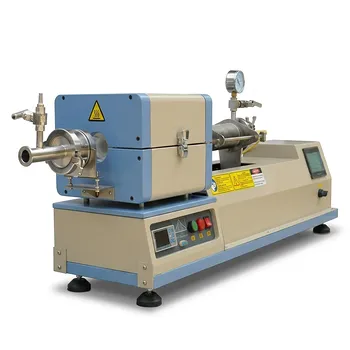
High Temperature 1200C Split Tube Furnace with Internal Travel Mechanism for HPCVD and Crystal Growth Research
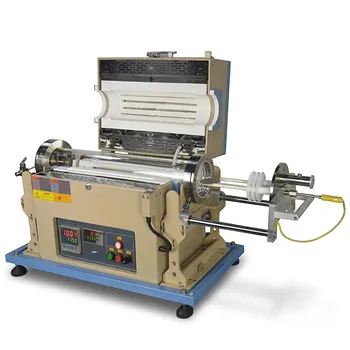
1200°C High Temperature 4 Inch Tube Furnace with Sliding Flange for CVD Systems
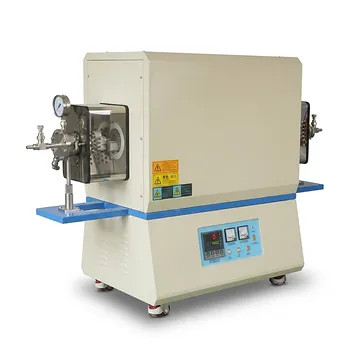
High Temperature 1800C Atmosphere Tube Furnace for CVD Research and Vacuum Sintering Precision Heat Treatment
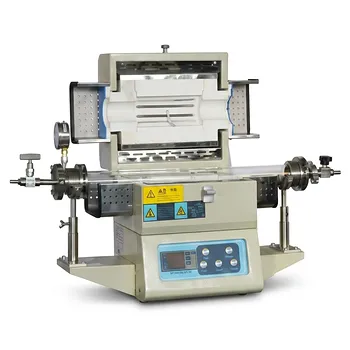
High Temperature 1200C Split Tube Furnace for CVD Research and Vacuum Atmosphere Heat Treatment
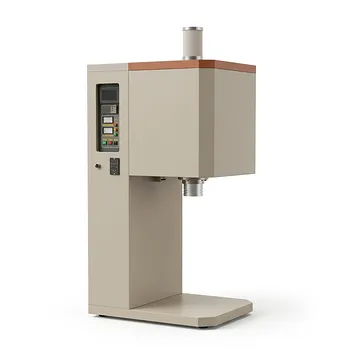
Vertical Openable Tube Furnace 0-1700c High Temperature Laboratory System for CVD and Vacuum Heat Treatment
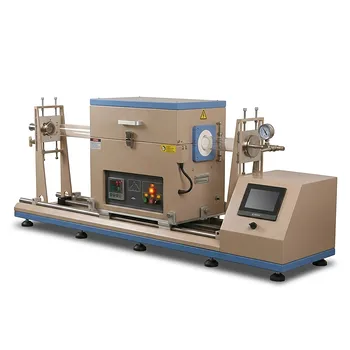
1200C Sliding Tube Furnace for Rapid Thermal Processing and CVD Graphene Growth with 100mm OD Capacity

High Temperature 1700C Tube Furnace with High Vacuum Turbomolecular Pump System and Multi Channel Mass Flow Controller Gas Mixer
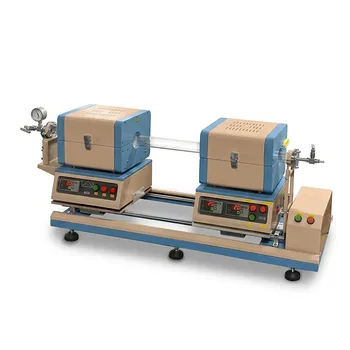
High Temperature 1200C Automatic Sliding Dual Zone Tube Furnace for 2D Transition Metal Dichalcogenides Growth and Material Sublimation Research
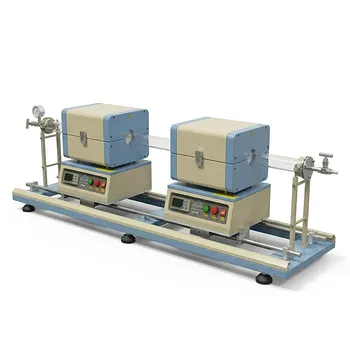
1200C Max Dual Sliding Tube Furnace with 50 mm Tube Flanges for CVD
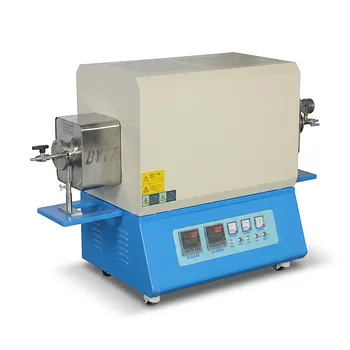
High Temperature Dual Zone Split Tube Furnace for Advanced Atmosphere Sintering and Vacuum CVD Applications
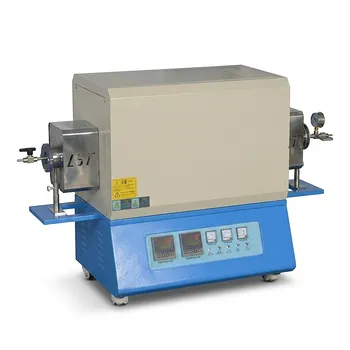
High Temperature Dual Zone Vacuum Tube Furnace for Material Research and CVD Processing
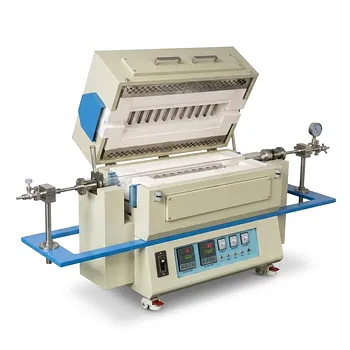
High Temperature Dual Zone Rotating Tube Furnace 1500C Silicon Carbide Heating for Advanced Material Synthesis
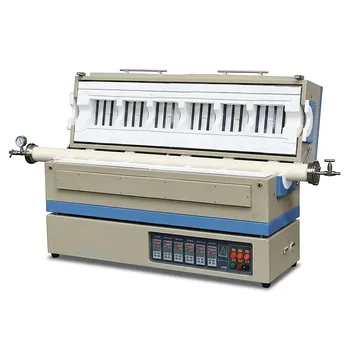
Six Zone Split Tube Furnace with Alumina Tube and Vacuum Flanges for 1500C High Temperature Thermal Processing and CVD
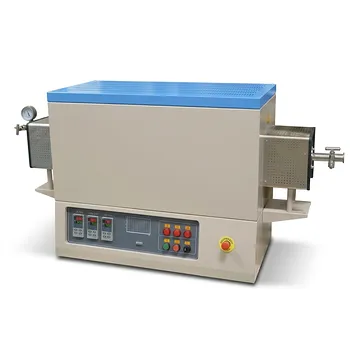
Three Zone Alumina Tube Furnace with Vacuum Flanges High Temperature 1700C Thermal Gradient CVD System
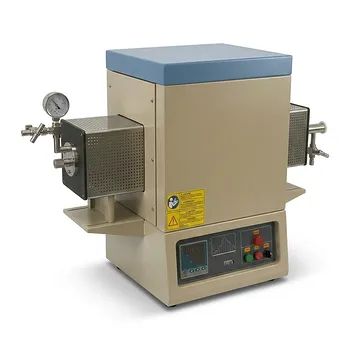
High Temperature 1700C Benchtop Tube Furnace with 5 Inch Heating Zone High Purity Alumina Tube and Vacuum Sealing Flanges
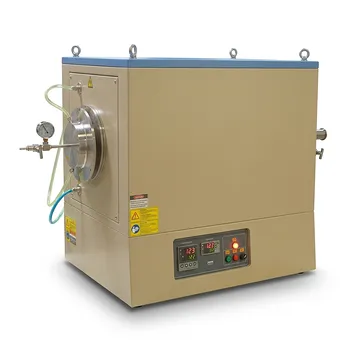
1100°C Large Diameter Quartz Tube Furnace with 24 Inch Heating Zone and Water Cooled Flanges
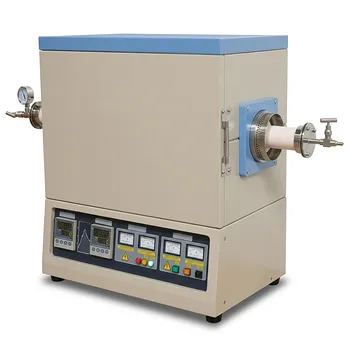
High Temperature 1700C Dual Zone Tube Furnace for Material Science and Industrial Chemical Vapor Deposition Research
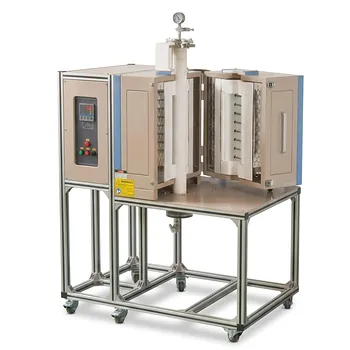
High Temperature 1700C Vertical Split Tube Furnace for Material Quenching and Single Crystal Growth
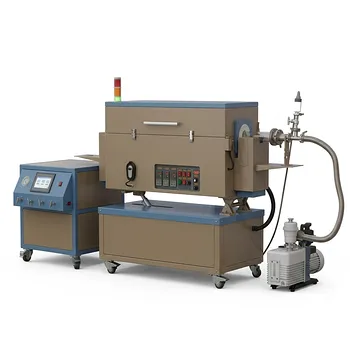
5 Inch Three Zone Rotary Tube Furnace with Integrated Gas Delivery System and 1200C Capability for Advanced Material CVD Processing
