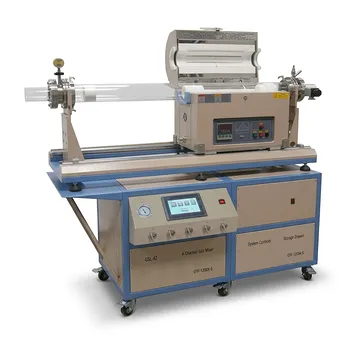
What is the primary role of a High-Vacuum CVD tube furnace? Enabling Precise Semiconductor Micro-tripod Growth.
Updated 3 months ago
The primary role of a High-Vacuum Chemical Vapor Deposition (CVD) tube furnace is to provide a highly controlled, high-temperature thermal environment that facilitates the sublimation of source materials and their subsequent recrystallization on a substrate. This equipment acts as the central reaction vessel, enabling the precise manipulation of temperature gradients and gas atmospheres to dictate the growth, morphology, and chemical composition of semiconductor microstructures like ZnS, CdS, and CdSSe.
The High-Vacuum CVD tube furnace is the engine of semiconductor synthesis, transforming solid source powders into reactive vapors that deposit onto substrates under strict thermal conditions. It provides the essential physical environment required to transition from raw chemical precursors to precisely structured micro-tripods.
The Mechanics of Material Transformation
Thermal Energy and Sublimation
The furnace provides the necessary energy to convert solid source powders, such as CdS or CdSe, into a gaseous state through sublimation. This phase transition is critical because it allows the material to be transported at the molecular level, ensuring a more uniform distribution than liquid-phase methods.
Vapor Transport and Carrier Gases
Once the source material is in a gaseous state, the furnace environment works in conjunction with carrier gases (such as Argon or Nitrogen) to move these vapors through the tube. The furnace must maintain a stable flow path to ensure the vapors reach the deposition site without premature condensation.
Crystallization and Growth Zones
A defining feature of these furnaces is the ability to create distinct temperature zones. By maintaining the substrate at a lower temperature than the source powder, the furnace creates the thermodynamic conditions necessary for the vapors to condense and begin crystallization.
Achieving Structural Precision
The Importance of Temperature Gradients
The specific morphology of a micro-tripod is determined by the precision of the temperature gradient within the furnace. Small fluctuations in the thermal field can alter the growth rate of specific crystal facets, shifting the result from a tripod to a simple thin film or wire.
Atmospheric Purity and High Vacuum
The "High-Vacuum" component of the furnace is vital for removing atmospheric contaminants like oxygen or moisture that could interfere with the chemical reaction. Superior sealing performance ensures that the resulting ZnS or CdS microstructures are of high crystalline quality and free from unwanted oxidation.
Uniformity of the Thermal Field
For consistent synthesis, the furnace must provide a uniform temperature field across the reaction zone. This uniformity is the physical foundation for ensuring that all micro-tripods grown on a single substrate share the same thickness, composition, and electronic properties.
Understanding the Trade-offs
Thermal Inertia and Response Time
CVD tube furnaces often suffer from thermal inertia, meaning they take considerable time to heat up or cool down. This can limit the ability to perform rapid thermal processing or quickly pivot between different growth stages in a single synthesis cycle.
Complexity of Gas Dynamics
Controlling the interaction between high temperatures and gas flow is inherently difficult. Turbulence within the tube or non-linear gas expansion can lead to uneven deposition, requiring researchers to meticulously calibrate flow rates for every new material composition.
Maintenance of Vacuum Integrity
Maintaining a high-vacuum environment at extreme temperatures places significant stress on the furnace seals and the quartz or alumina tube. Over time, seal degradation can introduce trace impurities, which significantly impacts the semiconducting properties of materials like CdSSe.
How to Apply This to Your Project
Optimizing Synthesis Parameters
To achieve high-quality semiconductor micro-tripods, your operational focus should shift based on your specific research or production goals.
- If your primary focus is morphology control (tripod shape): Prioritize the calibration of multi-zone temperature gradients to ensure the substrate remains at the exact threshold for specific crystal facet growth.
- If your primary focus is material purity and crystal quality: Invest in high-performance vacuum pumps and rigorous leak-testing protocols to maintain a pristine growth environment.
- If your primary focus is composition tuning (e.g., CdSSe alloys): Ensure precise control over the sublimation temperatures of multiple source powders to maintain the correct stoichiometric ratio in the vapor phase.
The High-Vacuum CVD tube furnace remains the gold standard for synthesizing complex semiconductor architectures by providing the thermal stability and environmental purity necessary for bottom-up molecular assembly.
Summary Table:
| Function | Impact on Synthesis | Key Furnace Feature |
|---|---|---|
| Sublimation Control | Converts solid powders (CdS/ZnS) into reactive vapors | High-Stability Heating Elements |
| Morphology Regulation | Dictates the growth of micro-tripod structures | Multi-Zone Temperature Gradients |
| Atmospheric Purity | Prevents oxidation and ensures crystal quality | High-Vacuum Sealing & Pumping |
| Composition Tuning | Maintains stoichiometric ratios in alloy vapors | Precise Gas Flow & Pressure Control |
Elevate Your Semiconductor Research with THERMUNITS
As a leading manufacturer of high-temperature laboratory equipment, THERMUNITS provides the precision thermal solutions required for advanced material science. Our High-Vacuum CVD and PECVD systems are engineered to deliver the exact temperature gradients and atmospheric purity necessary for synthesizing complex micro-tripods like ZnS and CdS.
Our Value to You:
- Superior Thermal Uniformity: Achieve consistent morphology and crystal quality across every run.
- Integrated Vacuum Excellence: High-performance sealing systems to eliminate contaminants.
- Comprehensive Equipment Range: From Tube and Muffle furnaces to Rotary kilns and VIM systems, we support all stages of industrial R&D.
Ready to optimize your synthesis process? Contact our expert team today to discuss a customized solution for your laboratory!
References
- Xiaohang Song, Johnny C. Ho. Red–Green–Blue Light Emission from Composition Tunable Semiconductor Micro‐Tripods. DOI: 10.1002/adfm.202403135
Mentioned Products
- Split Chamber CVD Tube Furnace with Vacuum Station Chemical Vapor Deposition System Machine
- Chemical Vapor Deposition CVD System Slide PECVD Tube Furnace with Liquid Gasifier PECVD Machine
- High Temperature 1800C Atmosphere Tube Furnace for CVD Research and Vacuum Sintering Precision Heat Treatment
- High Temperature 1700C Tube Furnace with High Vacuum Turbomolecular Pump System and Multi Channel Mass Flow Controller Gas Mixer
- Vertical Openable Tube Furnace 0-1700c High Temperature Laboratory System for CVD and Vacuum Heat Treatment
People Also Ask
- Why is a Tube Furnace typically utilized for CVD? Achieve Precision in Graphene and 2D Material Synthesis
- What is the function of CVD furnaces in graphene prep? Enhancing Photodetector Charge Transport
- Why use CVD and a tube furnace for Pd3P0.95/NC catalyst phosphidation? Ensure high phase purity and performance.
- CVD Tube Furnace Advantages for Pd-P Catalyst Durability: Precision Control for 40,000+ Cycles
- How does a Chemical Vapor Deposition (CVD) tube furnace facilitate synchronized nitridation? Precision Nano-Engineering.

Tech Team · ThermUnits
Last updated on Jun 03, 2026
Related Products
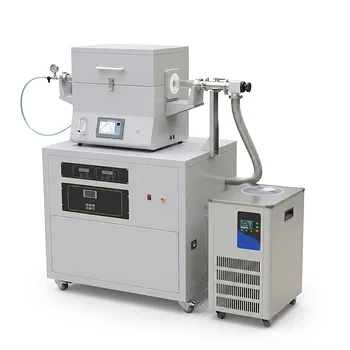
Split Chamber CVD Tube Furnace with Vacuum Station Chemical Vapor Deposition System Machine
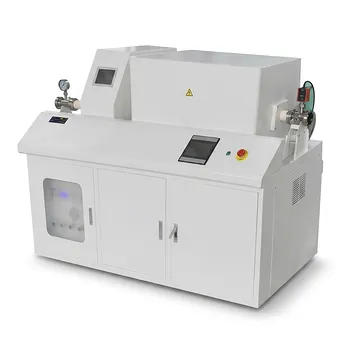
Chemical Vapor Deposition CVD System Slide PECVD Tube Furnace with Liquid Gasifier PECVD Machine
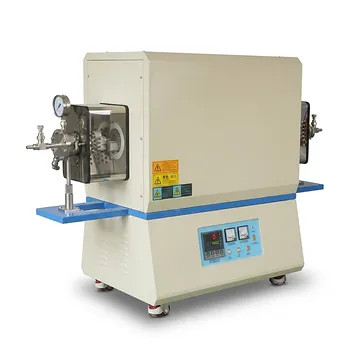
High Temperature 1800C Atmosphere Tube Furnace for CVD Research and Vacuum Sintering Precision Heat Treatment

High Temperature 1700C Tube Furnace with High Vacuum Turbomolecular Pump System and Multi Channel Mass Flow Controller Gas Mixer
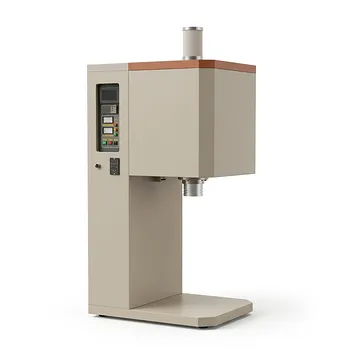
Vertical Openable Tube Furnace 0-1700c High Temperature Laboratory System for CVD and Vacuum Heat Treatment
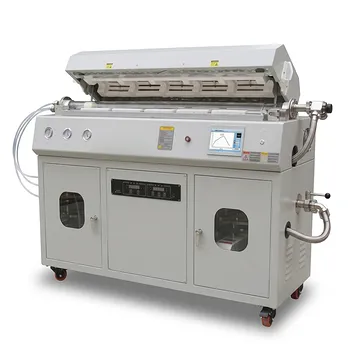
Multi Heating Zones CVD Tube Furnace System for Precision Chemical Vapor Deposition and Advanced Material Synthesis
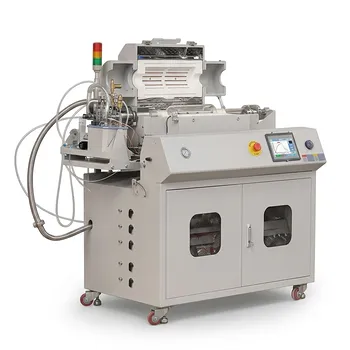
Versatile Chemical Vapor Deposition Tube Furnace System for Advanced Material Research and Industrial Coating Processes
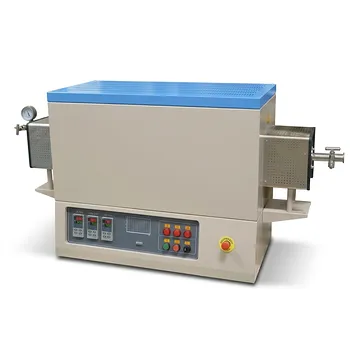
Three Zone Alumina Tube Furnace with Vacuum Flanges High Temperature 1700C Thermal Gradient CVD System
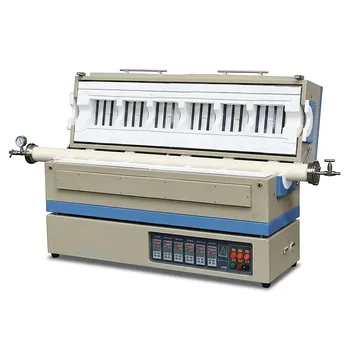
Six Zone Split Tube Furnace with Alumina Tube and Vacuum Flanges for 1500C High Temperature Thermal Processing and CVD
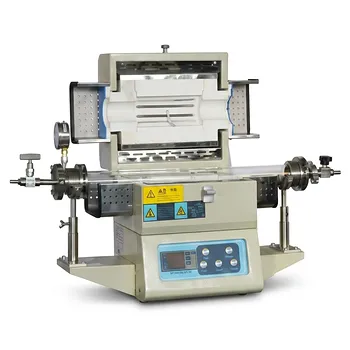
High Temperature 1200C Split Tube Furnace for CVD Research and Vacuum Atmosphere Heat Treatment
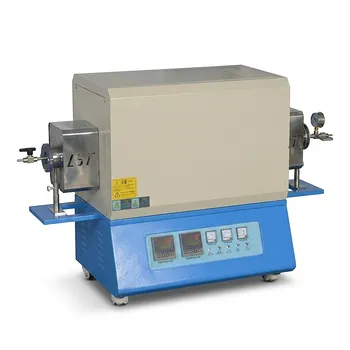
High Temperature Dual Zone Vacuum Tube Furnace for Material Research and CVD Processing
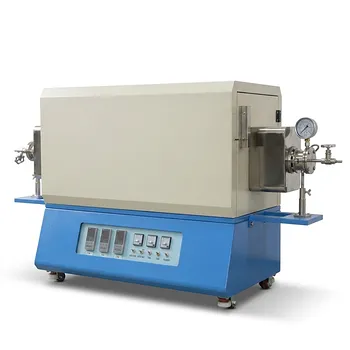
Three Temperature Zone High Temperature Vacuum Tube Furnace for CVD and Material Sintering
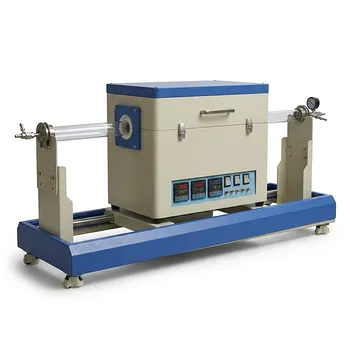
Double Temperature Zone Double Cover Tube Furnace for High Temperature CVD and Vacuum Annealing

High Temperature 1700C Benchtop Tube Furnace with 5 Inch Heating Zone High Purity Alumina Tube and Vacuum Sealing Flanges
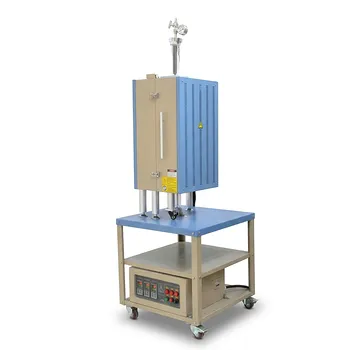
1200C Three Zone Vertical Tube Furnace with 2 Inch Quartz Tube and Vacuum Flanges
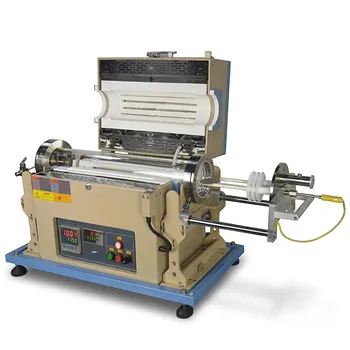
1200°C High Temperature 4 Inch Tube Furnace with Sliding Flange for CVD Systems
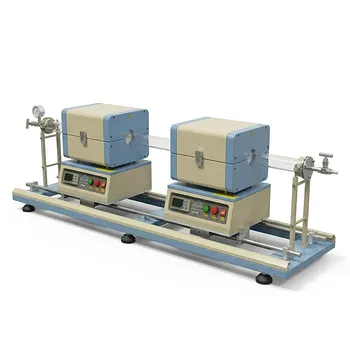
1200C Max Dual Sliding Tube Furnace with 50 mm Tube Flanges for CVD
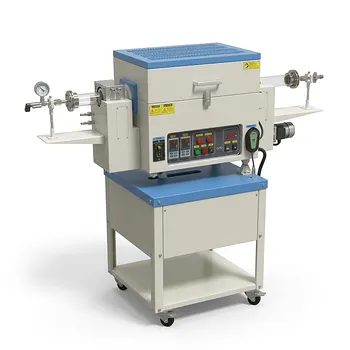
4 Inch Two Zone Rotary CVD Tube Furnace for High Temperature Battery Material Synthesis and Advanced Material Calcination
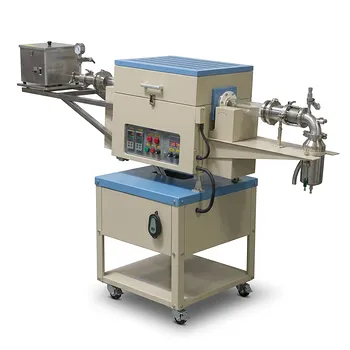
Two Zone Rotary CVD Furnace with Automatic Feeding and Receiving System for Powder Processing