How to Optimize CVD Systems with Alumina/BN Inner Tubes? Enhance Purity for High-Temperature Applications
Updated 3 months ago
The integration of coaxial alumina or boron nitride (BN) inner tubes optimizes quartz CVD systems by providing a physical barrier against silicon oxide contamination. At high temperatures, standard quartz tubes release silica-based impurities that can migrate to the growth substrate and degrade the film quality. By nesting a secondary tube made of materials with higher melting points, researchers isolate the reaction environment, effectively shielding the synthesis process from the quartz walls.
Core Takeaway: Integrating an alumina or BN inner tube transforms a standard quartz CVD system into a high-purity environment by physically blocking the migration of volatile silicon species, which is essential for synthesizing contaminant-free 2D materials like graphene.
The Problem with High-Temperature Quartz
Silicon Oxide Outgassing
While high-purity quartz is a staple in CVD systems due to its chemical stability up to 1200°C, it is not perfectly inert at extreme temperatures. As the furnace approaches the limits of the quartz, the material can release silicon oxide species into the reaction atmosphere.
Impact on Film Purity
These volatile contaminants migrate from the tube walls toward the center of the furnace where the growth occurs. For sensitive materials like graphene or boron nitride nanostructures, even trace amounts of silica can introduce structural defects or unwanted doping.
Thermal Cycling Stress
Frequent thermal cycling near 1000°C can accelerate the degradation of the quartz surface. This creates a cumulative risk of impurity accumulation over multiple synthesis runs, reducing the repeatability of the CVD process.
The Mechanism of Coaxial Optimization
Physical Contaminant Shielding
The primary role of an alumina or BN inner tube is to act as a physical shield. Because these materials have significantly higher melting points than quartz, they remain stable and do not outgas under the same thermal conditions.
Isolation of the Growth Environment
By placing the substrate inside the inner tube, the growth environment is effectively decoupled from the quartz vessel. Any impurities released by the outer quartz tube are trapped in the annular space between the two tubes rather than reaching the catalyst surface.
Material-Specific Benefits
Alumina provides excellent mechanical strength and is widely available, making it a cost-effective barrier. Boron nitride (BN) offers superior thermal shock resistance and a chemically "slick" surface that further minimizes the risk of precursor interaction with the tube walls.
Understanding the Trade-offs
Loss of Optical Transparency
One of the primary advantages of quartz is its transparency, which allows for real-time monitoring and the use of external infrared thermometers. Alumina and BN are opaque, meaning you lose the ability to visually inspect the furnace interior during a run.
Differential Thermal Expansion
Quartz, alumina, and BN have different coefficients of thermal expansion (CTE). If the inner tube is too tightly fitted or if the temperature ramps are too aggressive, the mechanical stress between the nested tubes can lead to cracking or structural failure.
Increased Thermal Lag
Adding a secondary tube increases the thermal mass within the furnace. This can lead to a slight delay in reaching the setpoint temperature and may require adjustments to the heating and cooling profiles to ensure the substrate experiences the intended thermal cycle.
How to Apply This to Your Project
Recommendations for System Integration
If you are considering modifying your CVD setup, evaluate your needs based on your specific synthesis goals:
- If your primary focus is maximum film purity: Use a BN inner tube to provide the cleanest possible growth environment for high-end graphene or electronic-grade 2D films.
- If your primary focus is budget-conscious protection: Integrate an alumina inner tube to block silica contamination at a lower cost than specialized ceramic alternatives.
- If your primary focus is process monitoring: Stick with a high-purity quartz tube alone, but limit your maximum temperatures to well below 1000°C to minimize the risk of outgassing.
By strategically nesting high-performance ceramics within a standard quartz reactor, you can achieve the purity levels required for advanced material synthesis without replacing your entire furnace infrastructure.
Summary Table:
| Feature | Quartz Tube (Standard) | Alumina/BN Inner Tube (Optimized) |
|---|---|---|
| Max Operating Temp | ~1200°C (Risks Outgassing) | Superior High-Temp Stability |
| Purity Level | Potential Silica Contamination | Ultra-Pure Growth Environment |
| Optical Clarity | Transparent (Easy Monitoring) | Opaque (Increased Thermal Mass) |
| Thermal Shock | Excellent | BN: Superior; Alumina: Moderate |
| Key Application | Vacuum Containment | Physical Barrier/Contaminant Shield |
Maximize Your Material Purity with THERMUNITS
As a leading manufacturer of high-temperature laboratory equipment for material science and industrial R&D, THERMUNITS offers a comprehensive range of thermal processing solutions. Our advanced Tube Furnaces, CVD/PECVD systems, and specialized Thermal Elements are designed to meet the rigorous demands of 2D material synthesis and high-purity research.
From Vacuum and Atmosphere Furnaces to Electric Rotary Kilns and Hot Press systems, we provide the precision tools necessary for your next breakthrough.
Ready to upgrade your lab's thermal capabilities? Contact us today for a custom solution!
References
- Xiaoming Tu, Xuesong Li. Silicon oxide particles size evolution during CVD graphene growth on Cu substrates. DOI: 10.61935/acetr.2.1.2024.p454
Mentioned Products
- Three Zone Alumina Tube Furnace with Vacuum Flanges High Temperature 1700C Thermal Gradient CVD System
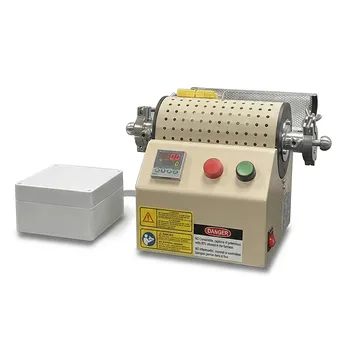
- High Temperature 1700C Benchtop Tube Furnace with 5 Inch Heating Zone High Purity Alumina Tube and Vacuum Sealing Flanges
- High Temperature Vertical Hybrid Furnace with Alumina Tube and SiC Heating for SOFC Coin Cell Testing and Atmosphere Processing
- 1700C Compact Hybrid Furnace with Dual Layer Box Sintering and Controlled Atmosphere Alumina Tubes
- 1200C Max Dual Sliding Tube Furnace with 50 mm Tube Flanges for CVD
People Also Ask
- What functions does a 3-zone tube furnace provide for graphene-coated alumina fibers? Expert CVD Heat Treatment Guide
- What role does a 3-zone tube furnace play in CCO ceramic conductivity testing? Ensure Isothermal Precision.
- What is the primary role of a High-Vacuum CVD tube furnace? Enabling Precise Semiconductor Micro-tripod Growth.
- Why is a high-temperature tube furnace with precise gas flow control required for CVD? Optimize Carbon Nanotube Synthesis
- What role does a sacrificial graphite liner play in furnaces? Protect Components and Stabilize Slag Experiments

Tech Team · ThermUnits
Last updated on Jun 03, 2026
Related Products
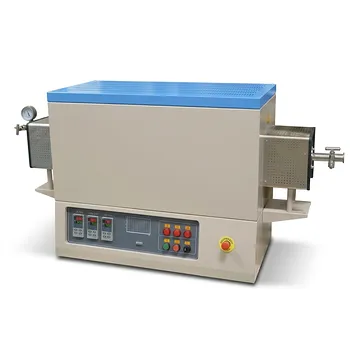
Three Zone Alumina Tube Furnace with Vacuum Flanges High Temperature 1700C Thermal Gradient CVD System

High Temperature 1700C Benchtop Tube Furnace with 5 Inch Heating Zone High Purity Alumina Tube and Vacuum Sealing Flanges
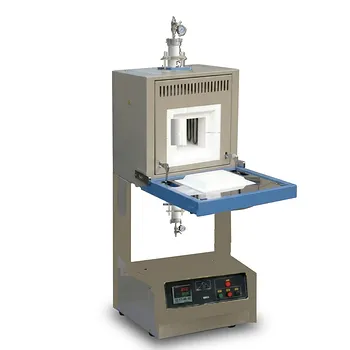
High Temperature Vertical Hybrid Furnace with Alumina Tube and SiC Heating for SOFC Coin Cell Testing and Atmosphere Processing
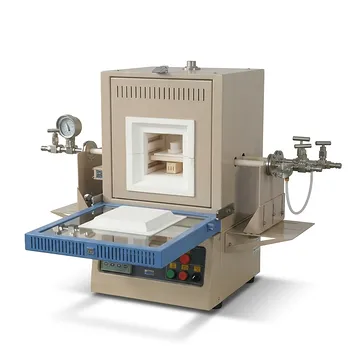
1700C Compact Hybrid Furnace with Dual Layer Box Sintering and Controlled Atmosphere Alumina Tubes
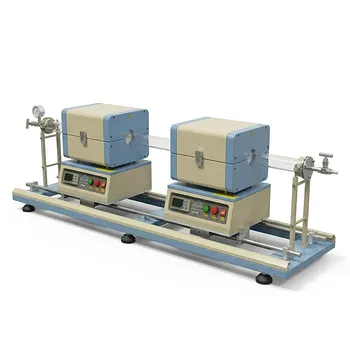
1200C Max Dual Sliding Tube Furnace with 50 mm Tube Flanges for CVD
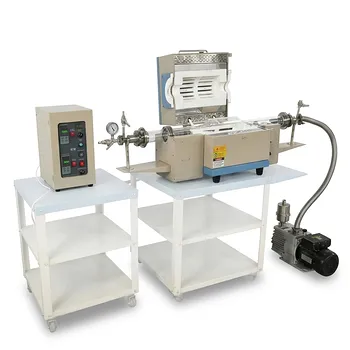
Two Zone Rotary Tube Furnace for Powder CVD Coating and Core Shell Material Synthesis 1100C
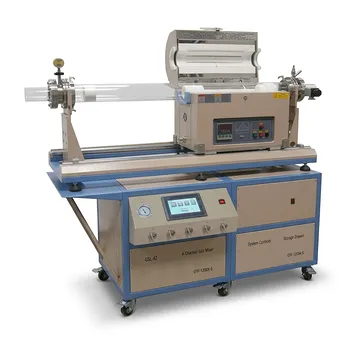
Dual Tube 100mm 80mm CVD Sliding Furnace with 4 Channel Gas Mixing and Vacuum System
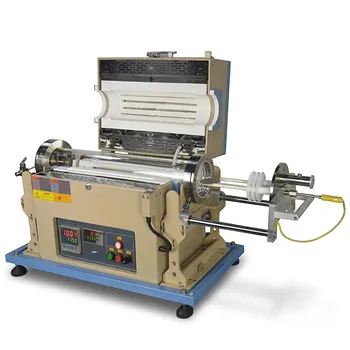
1200°C High Temperature 4 Inch Tube Furnace with Sliding Flange for CVD Systems
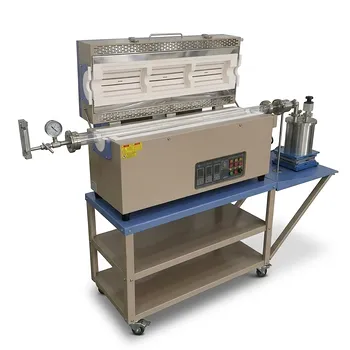
5 Inch Two Zone Rotary Tube Furnace 1100C for Powder CVD and Material Synthesis
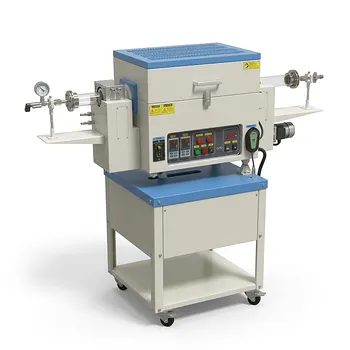
4 Inch Two Zone Rotary CVD Tube Furnace for High Temperature Battery Material Synthesis and Advanced Material Calcination

5 Inch Three Zone Rotary Tube Furnace with Integrated Gas Delivery System and 1200C Capability for Advanced Material CVD Processing
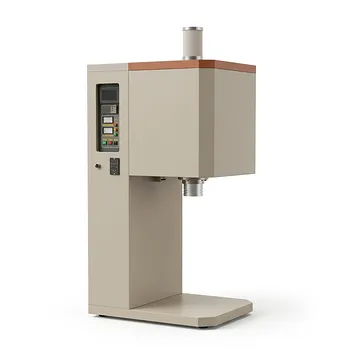
Vertical Openable Tube Furnace 0-1700c High Temperature Laboratory System for CVD and Vacuum Heat Treatment
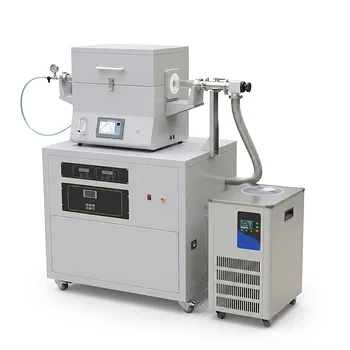
Split Chamber CVD Tube Furnace with Vacuum Station Chemical Vapor Deposition System Machine
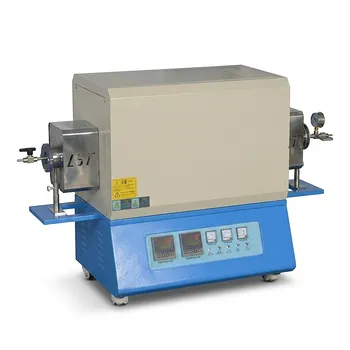
High Temperature Dual Zone Vacuum Tube Furnace for Material Research and CVD Processing
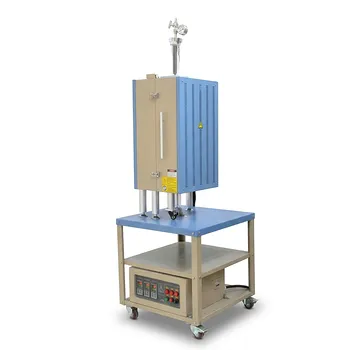
1200C Three Zone Vertical Tube Furnace with 2 Inch Quartz Tube and Vacuum Flanges
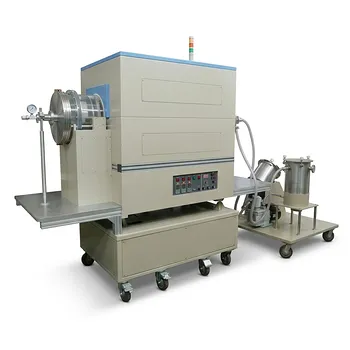
Three Zone Rotary Tube Furnace with Automatic Powder Feeding for Large Scale CVD Coating 1100C

1800C High Temperature Compact Vacuum Tube Furnace with 60mm OD Alumina Tube and Kanthal MoSi2 Heating Elements
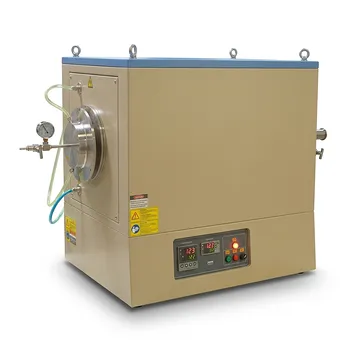
1100°C Large Diameter Quartz Tube Furnace with 24 Inch Heating Zone and Water Cooled Flanges
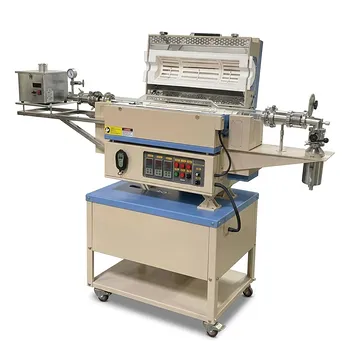
5 Inch Rotary Tube Furnace with Automatic Feeding and Receiving System 1200C Three Zone CVD Powder Processing