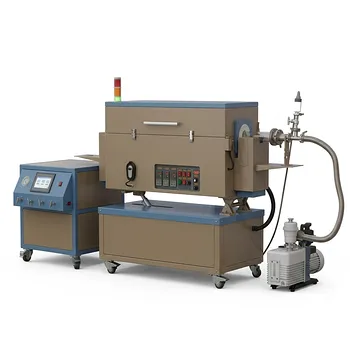
What functions does a 3-zone tube furnace provide for graphene-coated alumina fibers? Expert CVD Heat Treatment Guide
Updated 3 months ago
The high-temperature three-zone tube furnace serves as the critical reactor core for synthesizing graphene-coated alumina fibers. It provides a stable thermal environment, typically reaching 1050°C, and a precisely managed gas flow field to facilitate Chemical Vapor Deposition (CVD). By maintaining a uniform thermal field across three independent heating zones, the furnace ensures that carbon precursors decompose and deposit evenly onto the non-metallic fiber surfaces.
Core Takeaway: A three-zone tube furnace provides the multi-stage thermal and atmospheric control required to clean alumina fibers and subsequently deposit high-quality, uniform graphene layers through the precise catalytic cracking of hydrocarbon gases.
Precision Thermal Field Management
Independent Three-Zone Temperature Control
The primary function of a three-zone furnace is to eliminate temperature gradients that occur in single-zone models. By controlling three heating elements independently, the system compensates for heat loss at the tube ends, ensuring a uniform thermal field across the entire reaction area.
Facilitating High-Temperature Pyrolysis
The furnace maintains the extreme temperatures (typically 1000°C to 1050°C) necessary for the catalytic cracking of carbon precursors like methane (CH4). This thermal energy is what allows carbon atoms to dehydrogenate and rearrange into the hexagonal lattice structure of graphene.
Accurate Temperature Ramping for Substrate Integrity
Precise control over heating and cooling rates prevents thermal shock to the alumina fibers. This stability ensures that the fiber's structural integrity is maintained while the graphene layers nucleate and grow on the surface.
Surface Preparation and Atmosphere Control
Removal of Organic Impurities
Before deposition begins, the furnace is used to heat raw alumina fibers to approximately 800°C in an air atmosphere. This pre-treatment removes polymer sizing agents and lubricants, ensuring a pristine surface for graphene growth and preventing impurities from interfering with the nucleation process.
Integration with Mass Flow Controllers
The furnace housing works in tandem with high-precision mass flow controllers to deliver a stable mix of gases, such as argon (Ar), hydrogen (H2), and methane (CH4). This controlled atmosphere is vital for maintaining the reduction-oxidation balance required for high-quality graphene formation.
Creating Active Sites for Bonding
Thermal energy within the furnace promotes the fracture of unstable oxygen-containing groups on the fiber or graphene precursors. This process generates in-situ active sites, which are necessary for the successful grafting and bonding of graphene to the alumina substrate.
Advanced Synthesis Capabilities
Facilitating Heteroatom Doping
When preparing specialized graphene coatings, the furnace provides the 900°C+ environment and stable nitrogen (N2) atmosphere required for heteroatom doping. This allows elements like nitrogen or phosphorus to be incorporated into the graphene lattice, modifying its chemical and electrical properties.
Promoting Structural Reduction
For processes involving graphene oxide (GO), the furnace provides a controlled inert atmosphere to facilitate thermal reduction. This restores the pi-conjugated structure of the graphene, significantly improving the electronic conductivity of the final coated fiber.
Thickness and Quality Regulation
By maintaining a precise and stable reaction atmosphere, the furnace allows researchers to control the number of graphene layers. Adjusting the residence time and temperature within the furnace enables the synthesis of everything from single-layer films to multi-layer graphene structures.
Understanding the Trade-offs
Calibration Complexity
While three-zone furnaces offer superior uniformity, they require complex calibration. If the three zones are not perfectly synchronized, it can create localized turbulence in the gas flow, leading to uneven graphene thickness.
Substrate Limitations
Alumina is a non-metallic substrate and lacks the inherent catalytic properties of copper or nickel. Therefore, the furnace must maintain higher, more precise temperatures compared to metal-foil CVD to ensure the carbon atoms successfully nucleate without a traditional metal catalyst.
Contamination Risks
High-temperature operations can lead to "cross-talk" between experiments if the reaction tube is not thoroughly cleaned. Residual carbon or dopants from previous runs can migrate at 1050°C, potentially contaminating the purity of the graphene coating on the alumina fibers.
How to Apply This to Your Project
Recommendations for Laboratory Implementation
- If your primary focus is coating uniformity: Prioritize the independent calibration of all three heating zones to ensure the temperature deviation is less than ±1°C across the central reaction zone.
- If your primary focus is coating adhesion: Utilize a pre-treatment phase at 800°C in an oxygen-rich atmosphere to ensure all organic lubricants are fully oxidized before introducing carbon precursors.
- If your primary focus is electrical conductivity: Maintain a high-temperature reduction phase (above 900°C) in an inert argon or nitrogen atmosphere to maximize the restoration of the graphene pi-conjugated lattice.
By mastering the thermal and atmospheric variables of the three-zone tube furnace, researchers can achieve the precise control necessary for high-performance graphene-alumina composites.
Summary Table:
| Key Function | Technical Benefit | Laboratory Impact |
|---|---|---|
| 3-Zone Thermal Control | Eliminates temperature gradients | Ensures uniform graphene thickness across non-metallic fibers. |
| Surface Pre-treatment | Removes polymer sizing at 800°C | Cleans alumina surfaces to provide pristine nucleation sites. |
| Atmosphere Management | Precise Ar/H2/CH4 gas mixing | Facilitates catalytic cracking and maintains reduction balance. |
| Thermal Reduction | Restores pi-conjugated structures | Enhances electrical conductivity and enables heteroatom doping. |
| Structural Regulation | Controlled cooling and ramping | Prevents thermal shock to maintain substrate integrity. |
Elevate Your Material Research with THERMUNITS
Are you looking to achieve unmatched precision in your graphene synthesis and fiber coating processes? THERMUNITS is a leading manufacturer of high-temperature laboratory equipment specifically designed for material science and industrial R&D. We offer a comprehensive suite of thermal processing solutions, including:
- Precision Tube Furnaces (Single and Multi-zone for CVD/PECVD)
- Specialized Systems: Vacuum, Atmosphere, Muffle, and Rotary Furnaces
- Advanced Equipment: Hot Press, Dental Furnaces, Electric Rotary Kilns, and VIM Systems
- Support: High-quality Thermal Elements and custom heat treatment solutions
Our equipment is engineered to provide the stable thermal fields and atmospheric control required for cutting-edge composite development. Contact us today to optimize your lab's heat treatment capabilities!
References
- Wenjuan Li, Zhongfan Liu. Graphene-skinned alumina fiber fabricated through metalloid-catalytic graphene CVD growth on nonmetallic substrate and its mass production. DOI: 10.1038/s41467-024-51118-x
Mentioned Products
- High Temperature Three Zone Tube Furnace 1700C with Alumina Tube and Water Cooled Flanges
- High Temperature 1700C Three Zone Tube Furnace with Alumina Tube 50mm 60mm 80mm OD for Material Research and Industrial Heat Treatment
- High Temperature 1500C Three Zone Split Tube Furnace with 80mm Alumina Tube and Vacuum Flange
- High Temperature Three Zone Split Tube Furnace 1200C Max 35.4 Inch Heating Length 8 Inch ID Tube
- Three Zone Alumina Tube Furnace with Vacuum Flanges High Temperature 1700C Thermal Gradient CVD System
People Also Ask
- How are high-temperature tube furnaces utilized to repair etching damage? Precision Lattice Restoration Solutions
- What is the role of a high-temperature tube furnace in the calcination process of ZnO/In2O3 nanocomposites?
- What is the function of a high-temperature tube furnace during thermal debinding of SS316L and zirconia? Expert Guide
- What role does a high-temperature tube furnace play in the carbonization process of lotus-root-like electrode materials?
- What core conditions does a high-temperature tube furnace provide for rGO aerogels? Mastering Precision Synthesis.

Tech Team · ThermUnits
Last updated on Jun 02, 2026
Related Products
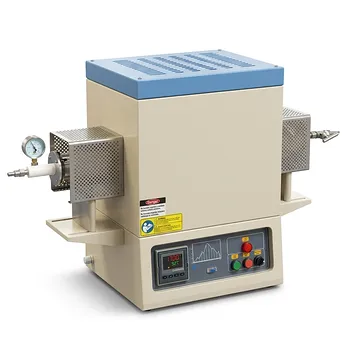
High Temperature Three Zone Tube Furnace 1700C with Alumina Tube and Water Cooled Flanges
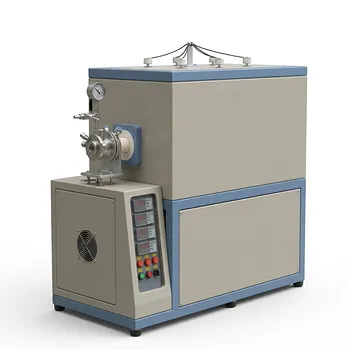
High Temperature 1700C Three Zone Tube Furnace with Alumina Tube 50mm 60mm 80mm OD for Material Research and Industrial Heat Treatment
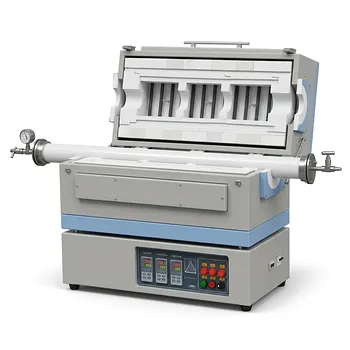
High Temperature 1500C Three Zone Split Tube Furnace with 80mm Alumina Tube and Vacuum Flange
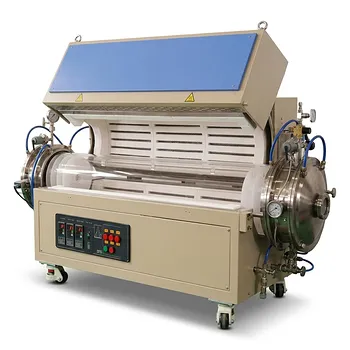
High Temperature Three Zone Split Tube Furnace 1200C Max 35.4 Inch Heating Length 8 Inch ID Tube
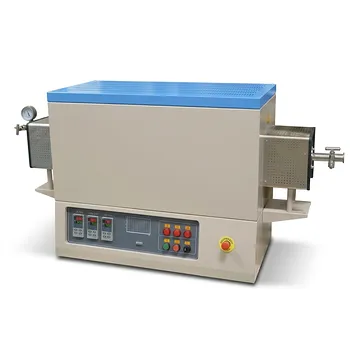
Three Zone Alumina Tube Furnace with Vacuum Flanges High Temperature 1700C Thermal Gradient CVD System
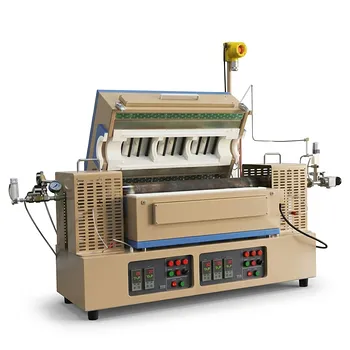
Three Zone Hydrogen Gas Tube Furnace with 82mm Superalloy Tube and Dual Hydrogen Detectors 1200C High Temperature Material Processing System
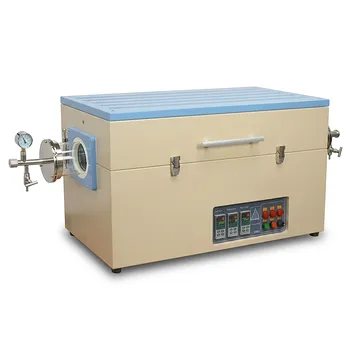
Three Zone Split Tube Furnace 36 Inch Heating Length High Temperature 1200C Material Research Furnace with Vacuum Flanges
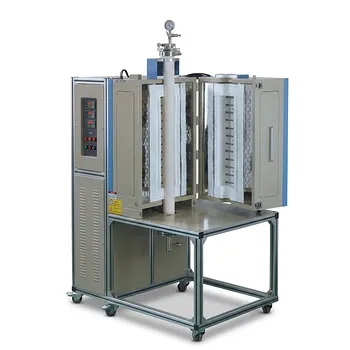
Three Zone Heating Split Vertical Tube Furnace 1700 High Temperature Vacuum Atmosphere Thermal Process System
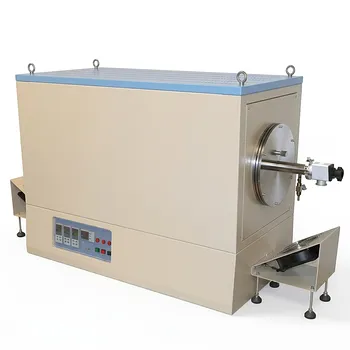
1100°C Three Zone Tube Furnace with 8.5 to 11 Inch OD Quartz Tube and Vacuum Flanges for Large Wafer Processing
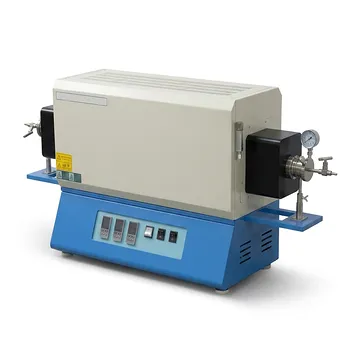
High Temperature Three Temperature Zone Tube Furnace for Advanced Material Science Sintering and Chemical Vapor Deposition Applications
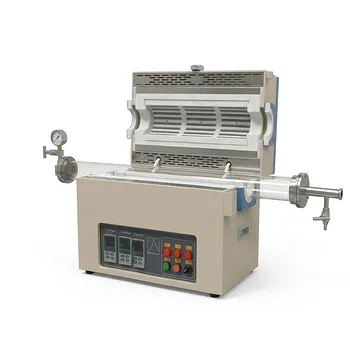
1200°C Three Zone Split Tube Furnace with 18 Inch Heating Length and Vacuum Flanges
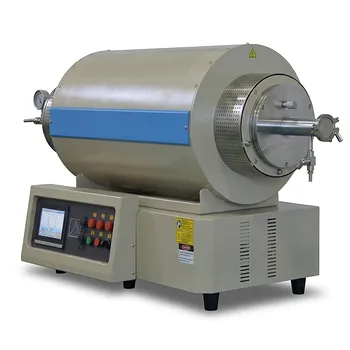
1200C Max Three Zone Tube Furnace 6 Inch OD Max with Tube and Flange
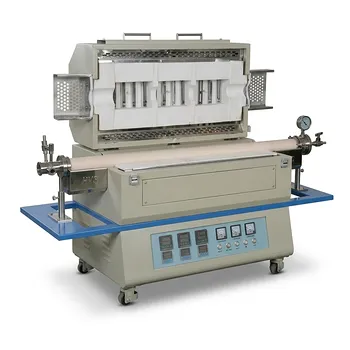
Three Temperature Zone Fast Heating Furnace 1500C Laboratory High Precision Thermal Processing System
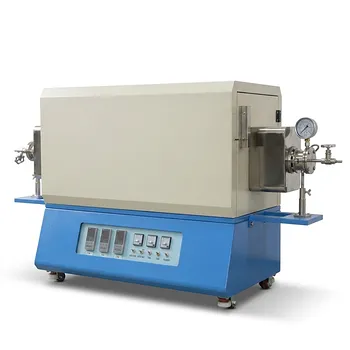
Three Temperature Zone High Temperature Vacuum Tube Furnace for CVD and Material Sintering
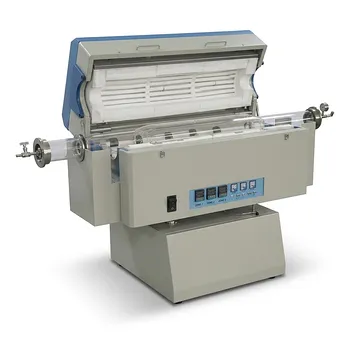
Large Three Temperature Zone Rotating Tube Furnace for High Uniformity Material Sintering
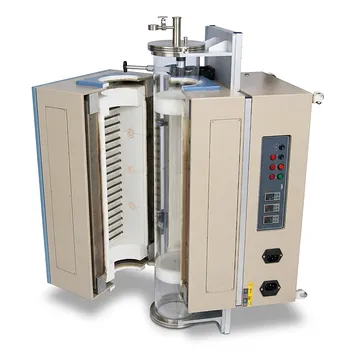
Large Vertical Three Zone Tube Furnace with 8 Inch or 11 Inch Quartz Tube and High Vacuum Flanges 1200C
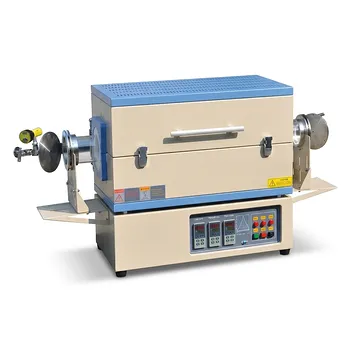
Three Zone Tube Furnace with 24 Inch Heating Length and Hinged Flange Quartz Tube System
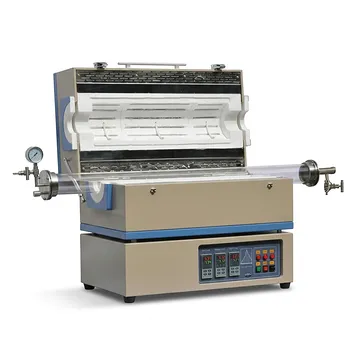
24 Inch Three Zone Split Tube Furnace with Optional Quartz Tube and Vacuum Flange System for High Temperature Material Synthesis
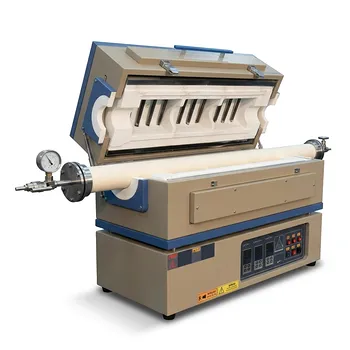
1600C Three Zone Split Tube Furnace with Alumina Tube and Vacuum Flange