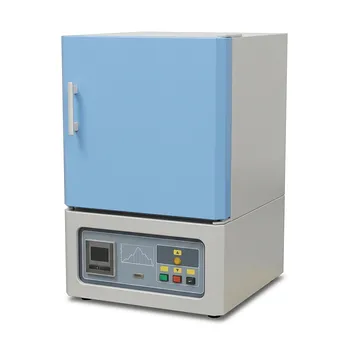
Why is a high-temperature muffle furnace required for the 400 °C calcination of catalyst powders? Expert Guide
Updated 3 months ago
A high-temperature muffle furnace is essential for catalyst calcination because it provides the precise thermal environment required to transform chemically inactive precursors into stable, functional catalytic sites. By maintaining uniform temperatures—even at a relatively moderate 400 °C—the furnace facilitates the complete decomposition of metal salts, removes volatile impurities, and strengthens the physical bond between the active metal and its support material.
Core Takeaway: The muffle furnace acts as a thermochemical reactor that converts raw "pre-catalysts" into high-performance industrial tools by inducing phase transformations and structural stabilization through controlled heating.
Achieving Chemical Transformation and Phase Stability
Complete Decomposition of Precursors
Most catalyst preparation methods involve depositing metal nitrates, oxalates, or other salts onto a carrier. A muffle furnace provides the sustained heat necessary to chemically decompose these precursors into stable metal oxides (such as Fe₂O₃, NiO, or VOx) or metallic particles.
Formation of Active Catalytic Sites
The thermal energy within the furnace triggers the migration and anchoring of active species onto the carrier surface. This process creates active sites, such as platinum metallic particles or niobium clusters, which are responsible for the catalyst's ability to drive chemical reactions.
Removal of Volatile Impurities and Templates
High-temperature treatment is required to eliminate residual substances like nitrates, organic oxalates, or Structure-Directing Agents (SDAs). In zeolites, for example, the furnace oxidatively decomposes organic templates to clear the microporous spaces required for molecular diffusion.
Structural Engineering and Surface Management
Strengthening the Support Interaction
The furnace environment promotes a strong interaction between the active component and the carrier (e.g., alumina or titania). This anchoring effect is critical for preventing the active metal from leaching or migrating during high-pressure industrial applications.
Stabilizing Crystalline Structures
Exposure to controlled high temperatures helps the catalyst carrier reach a thermodynamically stable state. This might involve transitioning a support like TiO₂ into specific phases (anatase or rutile), which ensures the catalyst maintains its shape and performance over thousands of hours of use.
Managing Pore Architecture
The calcination process is used to develop mesoporous structures that facilitate the diffusion of reactant molecules, such as methane. By controlling the heating environment, the furnace helps define the internal "highway system" of the catalyst particle.
Understanding the Trade-offs: Sintering vs. Activation
The Risk of Thermal Sintering
While high temperatures are necessary for activation, excessive heat can lead to sintering, where small active particles fuse together. This significantly reduces the specific surface area, lowering the overall efficiency of the catalyst.
The Importance of Controlled Ramp Rates
Using a muffle furnace allows for precise heating rates (e.g., 5 °C/min to 7 °C/min). Rapid, uncontrolled heating can cause severe agglomeration or structural collapse, while a steady ramp ensures a uniform phase transition across the entire powder sample.
Atmosphere Limitations
Standard muffle furnaces typically provide a static air atmosphere. While this is ideal for forming oxides, it may not be suitable for catalysts that require specialized reducing or inert environments, which would necessitate a tube furnace or a modified atmospheric chamber.
How to Apply This to Your Project
Making the Right Choice for Your Goal
- If your primary focus is Maximum Surface Area: Utilize the lowest possible calcination temperature (like 400 °C) and a slow heating ramp to prevent the sintering of active particles.
- If your primary focus is Long-term Industrial Stability: Opt for higher temperatures (550 °C - 800 °C) to ensure the framework and active sites reach a fully stabilized, crystalline state that can withstand harsh conditions.
- If your primary focus is Pore Accessibility: Ensure the calcination time is sufficient to completely oxidize and remove all organic templates or structure-directing agents from the internal channels.
By mastering the thermal environment of the muffle furnace, you transition from simply drying a chemical mixture to engineering a sophisticated tool for molecular transformation.
Summary Table:
| Process Phase | Primary Function | Key Outcome |
|---|---|---|
| Chemical Activation | Decomposition of metal salts/precursors | Formation of stable active metal oxides |
| Purification | Removal of volatile impurities & SDAs | Cleared micropores for molecular diffusion |
| Structural Engineering | Strengthening support interaction | Anchored active sites & thermal stability |
| Surface Management | Controlling phase transitions | Optimized pore architecture & surface area |
Elevate Your Catalyst Research with THERMUNITS Precision
Achieving the perfect active site requires more than just heat—it requires precision. THERMUNITS is a leading manufacturer of high-temperature laboratory equipment dedicated to material science and industrial R&D. We provide the thermal stability and uniform control necessary for critical processes like catalyst calcination, sintering, and phase transformation.
Our comprehensive range of thermal processing solutions includes:
- Laboratory Furnaces: Muffle, Vacuum, Atmosphere, and Tube Furnaces
- Advanced Systems: CVD/PECVD systems, Hot Press, and Rotary Furnaces
- Industrial Equipment: Electric rotary kilns and Vacuum Induction Melting (VIM) furnaces
- Specialized Tools: Dental Furnaces and high-quality Thermal Elements
Ensure your materials reach their full potential with industry-leading technology. Contact THERMUNITS today to find your ideal thermal solution!
References
- Dominik Bissinger, Andreas Roppertz. Development of Catalytically Functionalized Polyester-Based Filters Produced by Flame Spray Pyrolysis. DOI: 10.1007/s11244-023-01892-7
Mentioned Products
- Anti Corrosive Muffle Furnace with Sintered Corundum Chamber and 1050C Operating Range for Corrosive Material Calcination
- High Temperature Compact Muffle Furnace 1700 C with 30 Segment Programmable Controller and 1.7L Cubic Chamber
- Ultra High Temperature Bench Top Muffle Furnace 1750C Sintering System with Kanthal Super Heating Elements and Precision Digital Control
- High Temperature Muffle Furnace with Alloy Chamber for Debinding and Sintering Applications
- 1750C Compact Muffle Furnace 1.7L Ultra High Temperature Laboratory Sintering System for Advanced Ceramics and Material Science Research
People Also Ask
- Why is a corrosion-resistant high-temperature muffle furnace required for the chemical activation of lignocellulose?
- What role does a muffle furnace play in NiMo/gamma-Al2O3 catalyst prep? Optimize Your Synthesis Process
- Why is a high-temperature muffle furnace used for the preliminary calcination of Titanium Dioxide (TiO2) precursors?
- Why must spinel samples be rapidly moved to open air for quenching? Lock in Phase Purity and Structural Integrity
- Why is a muffle furnace necessary for the post-treatment of silicalite-1 zeolite? Unlock Pore Activity & Stability

Tech Team · ThermUnits
Last updated on Jun 03, 2026
Related Products
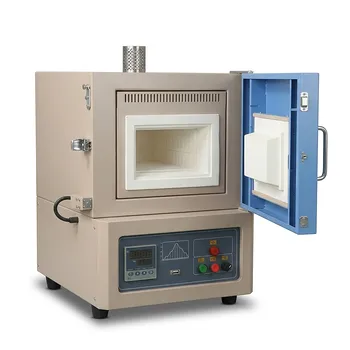
Anti Corrosive Muffle Furnace with Sintered Corundum Chamber and 1050C Operating Range for Corrosive Material Calcination
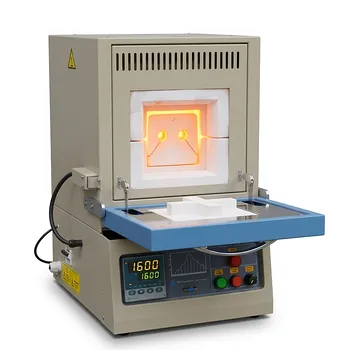
High Temperature Compact Muffle Furnace 1700 C with 30 Segment Programmable Controller and 1.7L Cubic Chamber
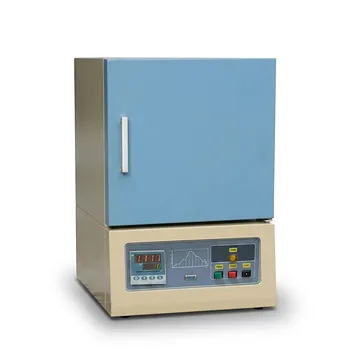
Ultra High Temperature Bench Top Muffle Furnace 1750C Sintering System with Kanthal Super Heating Elements and Precision Digital Control
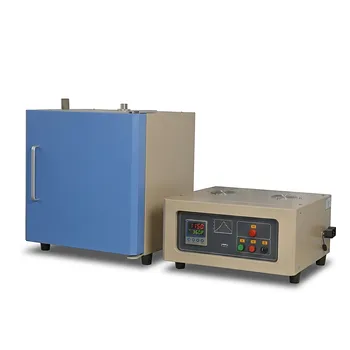
High Temperature Muffle Furnace with Alloy Chamber for Debinding and Sintering Applications
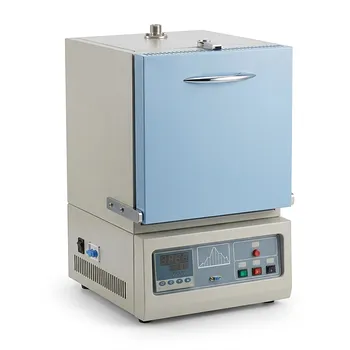
1750C Compact Muffle Furnace 1.7L Ultra High Temperature Laboratory Sintering System for Advanced Ceramics and Material Science Research
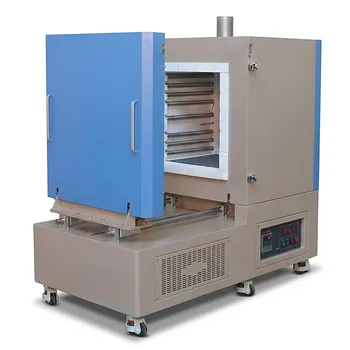
1200C Five Side Heating Muffle Furnace with Sliding Door 125L Volume High Temperature Heat Treatment System for Large Scale Sintering and Annealing
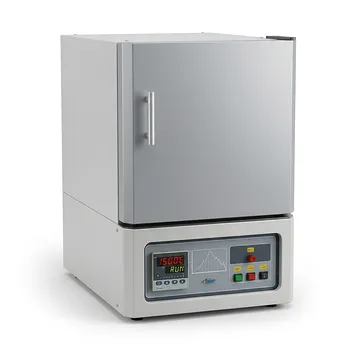
High Temperature 1500C Benchtop Muffle Furnace 3.6L Alumina Fiber Chamber Programmable Controller Sintering Annealing Carbonization Thermal Processing System
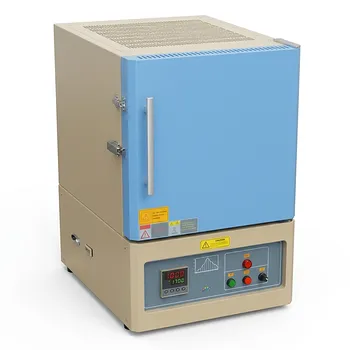
Large Bench Top 1700C High Temperature Muffle Furnace with 19L Chamber for Advanced Material Sintering and Annealing
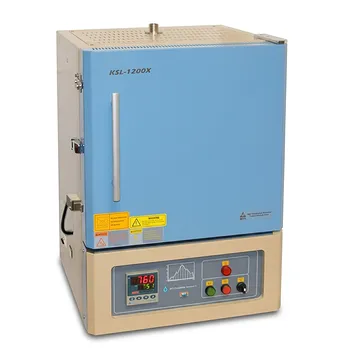
High Temperature 1200C Muffle Furnace 27L Volume 12x12x12 Chamber with Programmable PID Controller for Laboratory Material Science
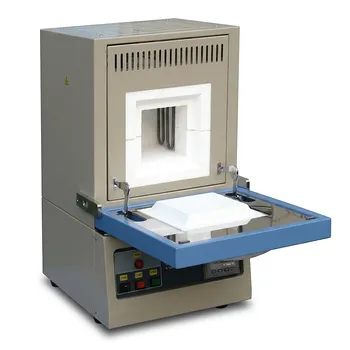
High Temperature 1800C Compact Muffle Furnace with Kanthal Super 1900 Heating Elements and 1.7L Alumina Chamber
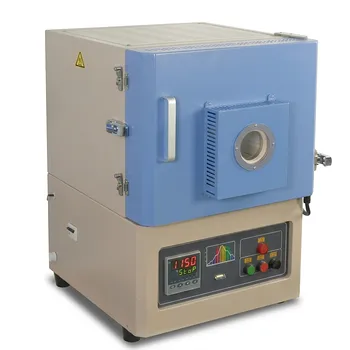
High Temperature Benchtop Muffle Furnace with Quartz Observation Window for Thermal Imaging and Material Analysis
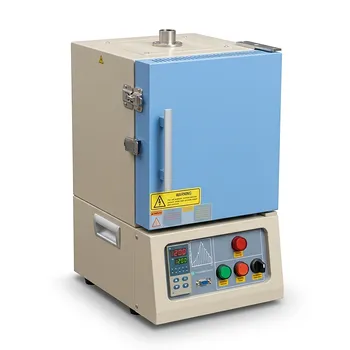
1200°C Small Box Furnace 4.2 Liter Programmable Muffle Furnace with High Purity Alumina Insulation and PID Control
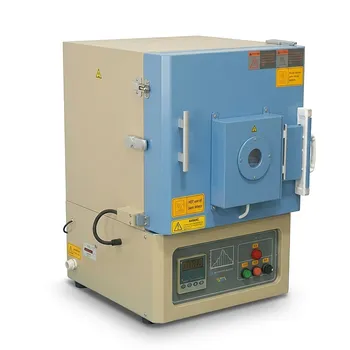
High Temperature Benchtop Muffle Furnace 1500C with 3.6L Chamber and Quartz Observation Window
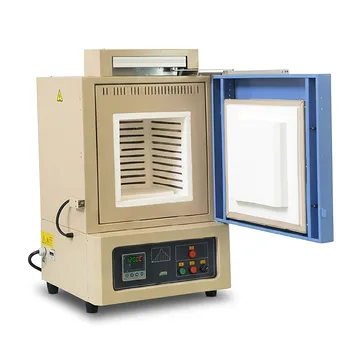
1200C High Temperature Muffle Furnace with Motorized Door and Automated PC Control for Industrial Sintering and Material Processing 27 Liter
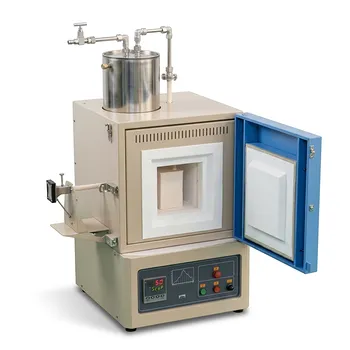
High Temperature Bench Top Muffle Furnace 1700C with Integrated Evaporating Particle Collection and 8x8x8 Alumina Fiber Chamber
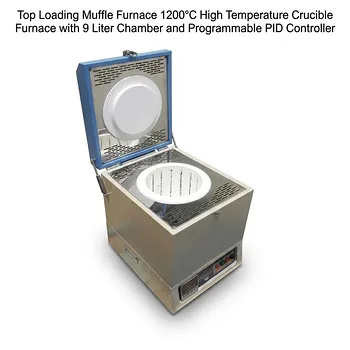
Top Loading Muffle Furnace 1200°C High Temperature Crucible Furnace with 9 Liter Chamber and Programmable PID Controller
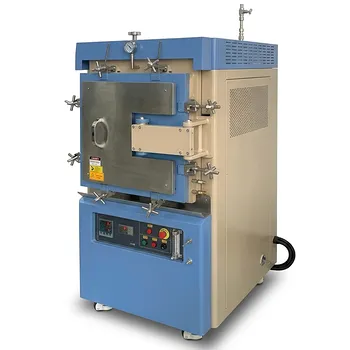
Atmosphere Controlled Muffle Furnace 1700C Maximum Temperature 80L High Capacity Vacuum Inert Gas Box Furnace
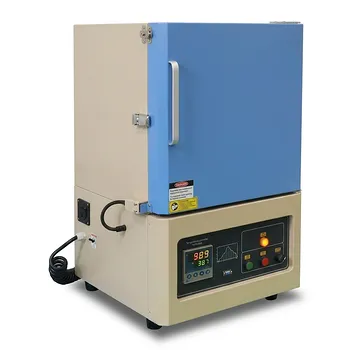
1200°C High Temperature Muffle Furnace 19L Chamber with 50 Segment Programmable Controller
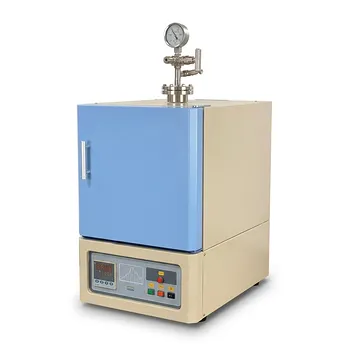
Hybrid High Temperature Muffle and Tube Furnace with 1500C Capability and Vacuum Flange Assembly