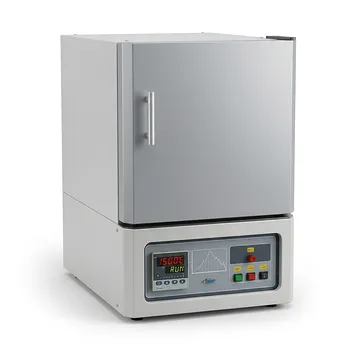
Why is a muffle furnace necessary for the post-treatment of silicalite-1 zeolite? Unlock Pore Activity & Stability
Updated 3 months ago
A muffle furnace is essential for the post-treatment of silicalite-1 because it provides the controlled, high-temperature environment required for calcination. Specifically, the material must be heated to 550 °C in an air atmosphere to oxidize and remove the TPAOH template agent trapped within its structure. This process clears the zeolite's micropores, creating the hydrophobic cavities necessary for oxygen storage and molecular sieving.
Core Takeaway: The muffle furnace acts as a thermal reactor that transitions silicalite-1 from a "filled" precursor to an active, porous material by facilitating the oxidative decomposition of organic structure-directing agents. Without this high-temperature treatment, the zeolite remains non-functional, as its active internal volume is physically blocked by the template molecules used during synthesis.
The Chemistry of Template Removal
Oxidative Decomposition of TPAOH
During the synthesis of silicalite-1, Tetrapropylammonium hydroxide (TPAOH) acts as a structural scaffold. Once the crystal framework is formed, this organic template occupies the internal channels and must be removed to activate the material.
The muffle furnace provides the 550 °C thermal energy required to break the chemical bonds of the TPAOH. In the presence of air, this organic molecule undergoes complete oxidation, turning into gaseous byproducts that exit the pore system.
Releasing Hydrophobic Cavities
Silicalite-1 is valued for its unique hydrophobic properties and its ability to store gases like oxygen. These properties are only accessible once the micropores are evacuated.
By reaching the precise temperature threshold in a stable environment, the furnace ensures the "cleaning" of the 10-ring channel system. This transition is the physical foundation for the zeolite’s functionality in specialized adsorption and catalytic applications.
Why a Muffle Furnace is Specifically Required
Uniformity of the Thermal Field
Zeolite crystals are sensitive to thermal gradients, which can cause uneven expansion and structural defects. A muffle furnace utilizes high-grade insulation and specific heating element placement to ensure the entire sample experiences a uniform temperature.
This stability is critical when maintaining 550 °C over several hours. It prevents localized "hot spots" that could cause the silica framework to sinter or lose its specific surface area.
Atmospheric Control and Ventilation
The calcination of silicalite-1 is an oxidative process, meaning it requires a consistent supply of oxygen from the air. Muffle furnaces are designed to allow for adequate air exchange while maintaining high internal temperatures.
Furthermore, as the organic templates decompose, they release carbon dioxide and water vapor. The furnace environment allows these gases to dissipate, preventing them from reacting with the zeolite framework and potentially causing hydrothermal damage.
Understanding the Trade-offs and Risks
The Risk of Framework Collapse
While 550 °C is the standard for removing TPAOH, exceeding this temperature significantly can lead to the "melting" or sintering of the zeolite structure. If the muffle furnace is not properly calibrated, the silicalite-1 may lose its crystallinity, rendering it useless for molecular sieving.
Ramp Rate and Thermal Shock
The speed at which the furnace reaches 550 °C is as important as the final temperature itself. Heating the material too quickly can create internal pressure as the organic template decomposes and attempts to escape the micropores.
If the gas evolution exceeds the rate of diffusion, the internal pressure can physically crack the zeolite crystals. Most expert protocols require a "programmed" temperature increase to allow the template to exit the structure gradually.
How to Apply This to Your Project
Recommendations for Effective Post-Treatment
To ensure the highest quality silicalite-1, your calcination protocol should be tailored to the specific mass of your sample and the desired purity of the final product.
- If your primary focus is maximizing pore volume: Use a slow heating ramp (e.g., 1–2 °C per minute) to 550 °C to ensure all organic residues are removed without damaging the crystal facets.
- If your primary focus is industrial throughput: Ensure the muffle furnace has adequate airflow to prevent the accumulation of decomposition byproducts, which can slow down the oxidation of TPAOH.
- If your primary focus is material stability: Perform a post-calcination check using XRD (X-ray Diffraction) to verify that the crystalline structure remained intact after the 550 °C treatment.
By viewing the muffle furnace not just as a heater, but as a precision tool for structural activation, you can ensure your silicalite-1 achieves its full theoretical surface area and adsorption capacity.
Summary Table:
| Process Requirement | Parameter / Feature | Impact on Silicalite-1 |
|---|---|---|
| Template Removal | 550 °C in Air | Oxidizes TPAOH to clear internal micropores |
| Thermal Stability | Uniform Heat Field | Prevents sintering and maintains crystal structure |
| Structural Integrity | Controlled Ramp Rate | Avoids internal pressure and crystal cracking |
| Atmosphere Control | Active Ventilation | Removes gaseous byproducts to prevent damage |
Elevate Your Material Research with THERMUNITS Precision Furnaces
At THERMUNITS, we understand that successful material synthesis depends on absolute thermal precision. As a leading manufacturer of high-temperature laboratory equipment for material science and industrial R&D, we provide the specialized tools you need to ensure structural integrity and maximum performance in your zeolite treatments.
Our comprehensive range of thermal solutions includes:
- Laboratory Essentials: High-precision Muffle, Tube, and Atmosphere furnaces.
- Advanced Systems: Vacuum, Rotary, and Hot Press furnaces, plus CVD/PECVD and Vacuum Induction Melting (VIM) systems.
- Specialized Equipment: Dental furnaces, electric rotary kilns, and premium thermal elements.
Whether you are activating silicalite-1 or developing next-generation catalysts, THERMUNITS offers the reliability and atmospheric control required for excellence.
Optimize your heat treatment outcomes today — Contact our experts now to discuss your specific furnace requirements!
References
- Weihao Liu, Jianglan Shui. Boosting the Oxygen Reduction Performance of Fe–N–C Catalyst Using Zeolite as an Oxygen Reservoir. DOI: 10.1007/s12209-024-00409-x
Mentioned Products
- Anti Corrosive Muffle Furnace with Sintered Corundum Chamber and 1050C Operating Range for Corrosive Material Calcination
- 1200C High Temperature 125L Muffle Furnace 5 Side Heating for Large Batch Sintering with Optional Alloy Debinding Chamber
- 1750C Compact Muffle Furnace 1.7L Ultra High Temperature Laboratory Sintering System for Advanced Ceramics and Material Science Research
- High Temperature Compact Muffle Furnace 1700 C with 30 Segment Programmable Controller and 1.7L Cubic Chamber
- 1200C High Temperature Muffle Furnace with Motorized Door and Automated PC Control for Industrial Sintering and Material Processing 27 Liter
People Also Ask
- Why is a corrosion-resistant high-temperature muffle furnace required for the chemical activation of lignocellulose?
- What role does a muffle furnace play in NiMo/gamma-Al2O3 catalyst prep? Optimize Your Synthesis Process
- Why is a high-temperature muffle furnace used for the preliminary calcination of Titanium Dioxide (TiO2) precursors?
- Why must spinel samples be rapidly moved to open air for quenching? Lock in Phase Purity and Structural Integrity
- Why is a laboratory muffle furnace used for the calcination of mixed metal oxide anodes? Optimize Crystal Structures

Tech Team · ThermUnits
Last updated on Jun 03, 2026
Related Products
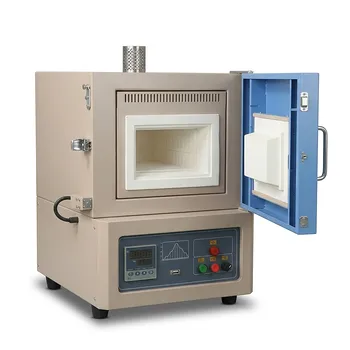
Anti Corrosive Muffle Furnace with Sintered Corundum Chamber and 1050C Operating Range for Corrosive Material Calcination
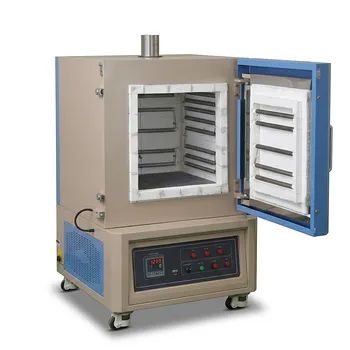
1200C High Temperature 125L Muffle Furnace 5 Side Heating for Large Batch Sintering with Optional Alloy Debinding Chamber
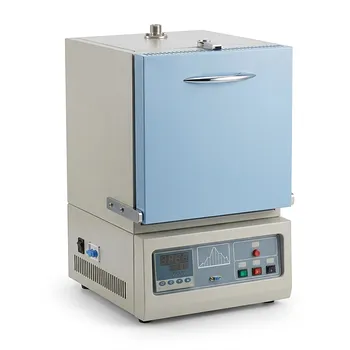
1750C Compact Muffle Furnace 1.7L Ultra High Temperature Laboratory Sintering System for Advanced Ceramics and Material Science Research
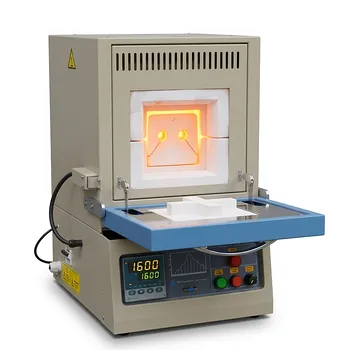
High Temperature Compact Muffle Furnace 1700 C with 30 Segment Programmable Controller and 1.7L Cubic Chamber
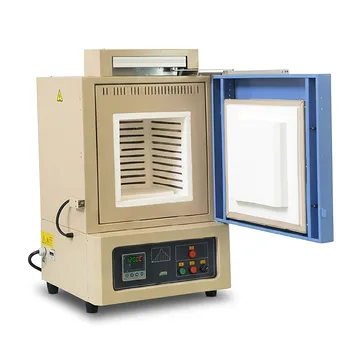
1200C High Temperature Muffle Furnace with Motorized Door and Automated PC Control for Industrial Sintering and Material Processing 27 Liter
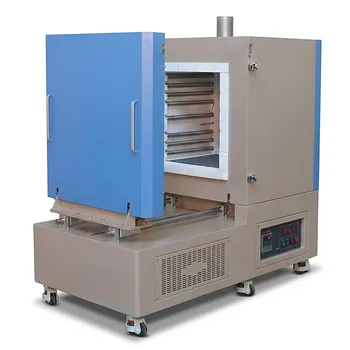
1200C Five Side Heating Muffle Furnace with Sliding Door 125L Volume High Temperature Heat Treatment System for Large Scale Sintering and Annealing
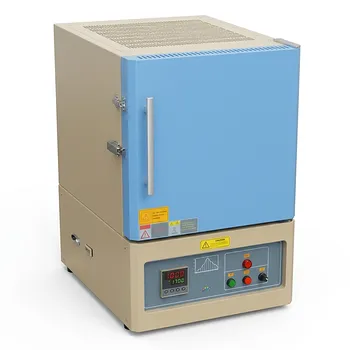
Large Bench Top 1700C High Temperature Muffle Furnace with 19L Chamber for Advanced Material Sintering and Annealing
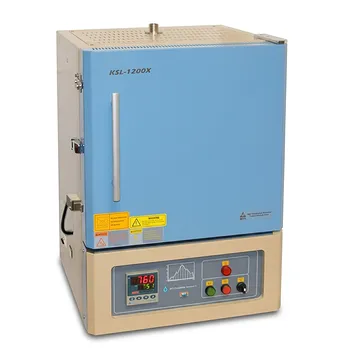
High Temperature 1200C Muffle Furnace 27L Volume 12x12x12 Chamber with Programmable PID Controller for Laboratory Material Science
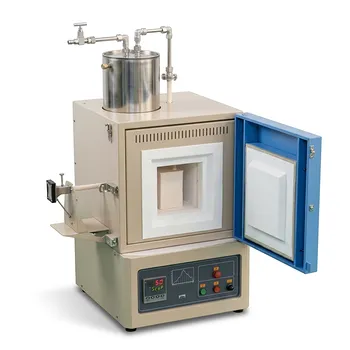
High Temperature Bench Top Muffle Furnace 1700C with Integrated Evaporating Particle Collection and 8x8x8 Alumina Fiber Chamber
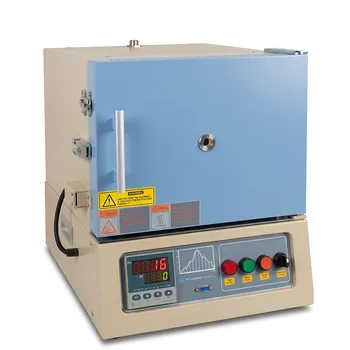
1200C Muffle Furnace 12x8x5 7.2L Heating Chamber with Quartz Observation Window and Vent Port
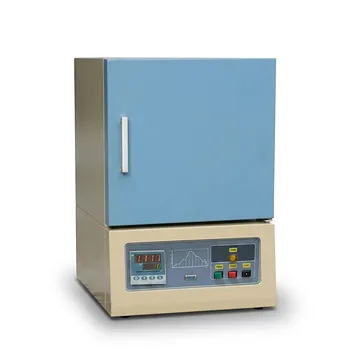
Ultra High Temperature Bench Top Muffle Furnace 1750C Sintering System with Kanthal Super Heating Elements and Precision Digital Control
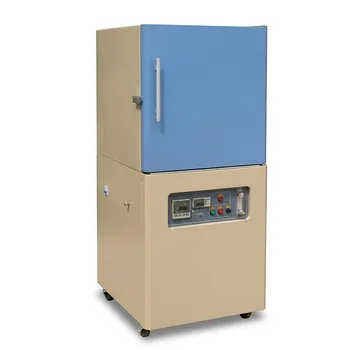
High Temperature Muffle Furnace with Dual Controllers and 36L Large Chamber 1700C Max
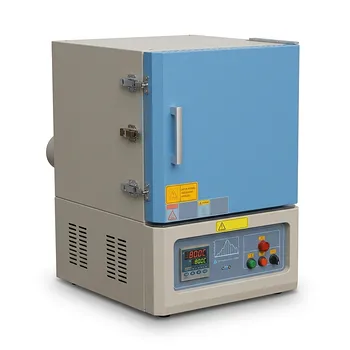
1800C Bench Top Muffle Furnace 18 Liters with Kanthal Super 1900 Heating Elements for High Purity Ceramic Sintering and Material Research
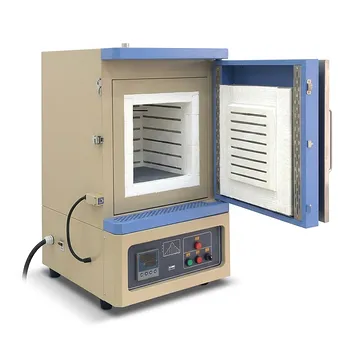
Five Side Heating Muffle Furnace High Purity Alumina Fiber 27L Chamber 1200C High Temperature Thermal Processing System for Sintering Annealing and Materials Research
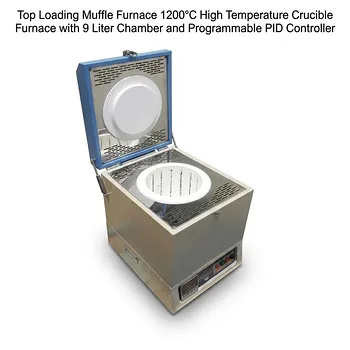
Top Loading Muffle Furnace 1200°C High Temperature Crucible Furnace with 9 Liter Chamber and Programmable PID Controller
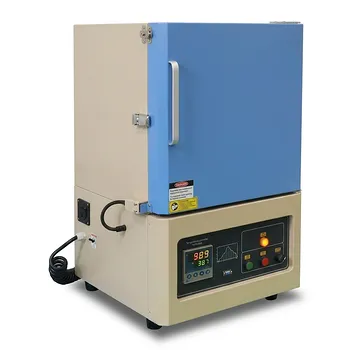
1200°C High Temperature Muffle Furnace 19L Chamber with 50 Segment Programmable Controller
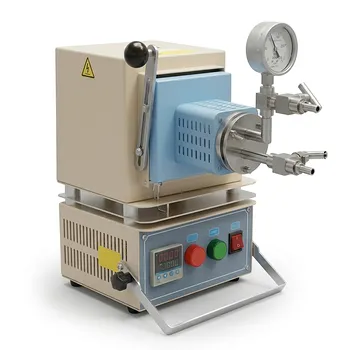
Compact Hybrid Muffle and Tube Furnace for 1000C Controlled Atmosphere Laboratory Material Sintering
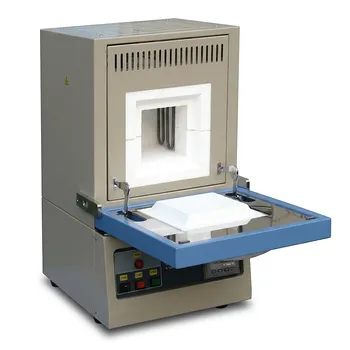
High Temperature 1800C Compact Muffle Furnace with Kanthal Super 1900 Heating Elements and 1.7L Alumina Chamber
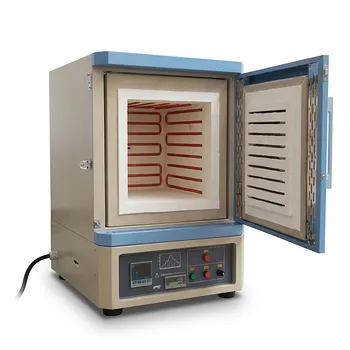
Five Side Heating Muffle Furnace 1200C High Uniformity 64L Chamber 16x16x16 Inch Industrial Heat Treatment