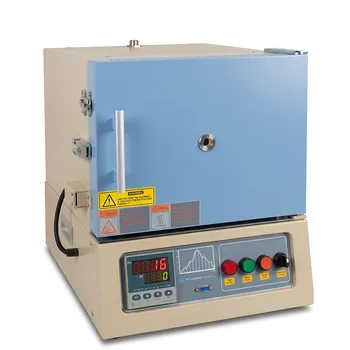
Why is a corrosion-resistant high-temperature muffle furnace required for the chemical activation of lignocellulose?
Updated 3 months ago
A corrosion-resistant high-temperature muffle furnace is mandatory for lignocellulose activation because the process relies on aggressive chemical agents that vaporize into highly destructive gases at temperatures reaching 900°C. This specialized equipment protects the furnace’s heating elements and structural integrity while providing the stable thermal environment required to etch the carbon matrix and create high-surface-area pores.
Core Takeaway: To transform lignocellulose into high-quality activated carbon, the furnace must withstand a "double threat" of extreme heat (600°C–900°C) and volatile chemical activators like KOH or $ZnCl_2$. Without specialized corrosion resistance, the furnace components would rapidly degrade, leading to equipment failure and inconsistent material porosity.
The Corrosive Nature of Chemical Activators
The Volatilization of Reagents
Chemical activation typically utilizes agents such as potassium hydroxide (KOH), zinc chloride ($ZnCl_2$), or phosphoric acid ($H_3PO_4$). At activation temperatures, these chemicals decompose and evaporate, filling the furnace chamber with highly corrosive vapors that can permeate porous insulation.
Chemical Etching of the Carbon Matrix
The "activation" occurs as these chemicals react with the lignocellulose to etch the carbon structure, creating a vast network of micropores. This aggressive reaction is necessary for a high specific surface area, but it simultaneously threatens the furnace's internal heating elements and sensors.
Protection of Downstream Components
Beyond the heating chamber, the system often requires specialized exhaust treatment or tail gas condensation units. These prevent corrosive by-products from damaging the laboratory's ventilation system or the furnace’s precision electronic controls.
Thermal Demands of Pore Engineering
Driving Aromatization and Dehydration
The furnace must provide sustained temperatures, often between 550°C and 650°C, to trigger dehydration and aromatization reactions. This heat ensures the chemical agent cross-links with the carbon matrix, preventing the material from melting or collapsing during the process.
Precision Control for Morphological Refinement
High-quality activated carbon requires specific heating rates, such as 7°C/min, and long "soak" times at constant temperatures. A high-performance muffle furnace maintains this thermal stability, ensuring the activation process penetrates the interior of the material for uniform pore formation.
Achieving High Specific Surface Area
Temperatures peaking near 900°C are often required to finalize the pore structure and remove residual impurities like nitrates. This extreme heat provides the kinetic energy necessary to transform raw biochar into a material with a refined morphological structure and high active-site density.
Understanding the Trade-offs and Risks
Equipment Longevity vs. Initial Cost
Corrosion-resistant furnaces, often utilizing quartz tubes or alumina crucibles, represent a higher initial investment. However, using standard muffle furnaces for chemical activation usually results in rapid heater failure and contamination of the samples by scaling furnace walls.
The Risk of Physical Leakage
During the pretreatment of materials like lignin, the furnace must handle the glass transition phase. If temperature control is imprecise or the environment is not stable, the material can undergo physical leakage, potentially fusing with the furnace floor or crucibles.
Maintenance and Cleaning Requirements
Even with corrosion-resistant materials, the buildup of chemical residues is inevitable. Failing to implement a regular cleaning protocol for the furnace chamber can lead to cross-contamination of samples and the gradual degradation of even the most robust alumina components.
Making the Right Choice for Your Goal
When selecting a furnace and protocol for lignocellulose activation, consider your specific material objectives:
- If your primary focus is maximizing specific surface area: Use a furnace capable of reaching at least 900°C with high-precision KOH activation to ensure deep etching of the carbon matrix.
- If your primary focus is catalyst support development: Prioritize a furnace with stable ramp-rate control (e.g., 7°C/min) to promote the anchoring of active metal components onto the support.
- If your primary focus is structural integrity and graphitization: Focus on precise temperature stabilization during the pretreatment phase to enhance the anti-melting properties of the precursor.
By utilizing a furnace designed to handle both extreme thermal energy and chemical aggression, you ensure the production of high-performance carbon materials while protecting your laboratory’s critical infrastructure.
Summary Table:
| Key Requirement | Impact of Chemical Activation | Furnace Solution |
|---|---|---|
| Corrosion Resistance | KOH, ZnCl2, and H3PO4 vapors degrade standard heating elements. | Specialized quartz tubes, alumina crucibles, and gas-tight chambers. |
| Thermal Stability | Required ramp rates (e.g., 7°C/min) for precise pore engineering. | High-precision PID controllers and uniform heating zones. |
| High Temperature | Temperatures up to 900°C needed for final carbon aromatization. | High-grade heating elements (MoSi2 or SiC) and robust insulation. |
| Atmosphere Control | Prevents unwanted oxidation and manages hazardous tail gases. | Integrated exhaust treatment and inert gas purging systems. |
Maximize Your Research Precision with THERMUNITS
Protect your laboratory infrastructure and achieve superior material performance with THERMUNITS, a leading manufacturer of high-temperature laboratory equipment for material science and industrial R&D.
We understand the challenges of lignocellulose activation, where aggressive chemical agents meet extreme heat. Our comprehensive range of thermal processing solutions—including Corrosion-Resistant Muffle, Vacuum, Atmosphere, Tube, and Rotary Furnaces—is specifically engineered to withstand volatile vapors like KOH and ZnCl2. Whether you are developing high-surface-area activated carbon or advanced catalyst supports, our systems provide the thermal stability and structural integrity required for consistent results.
Our Expertise Includes:
- Versatile Furnace Systems: CVD/PECVD, Hot Press, and Vacuum Induction Melting (VIM) furnaces.
- Specialized Equipment: Dental furnaces, electric rotary kilns, and high-performance thermal elements.
- Custom Engineering: Tailored solutions for specific chemical etching and heat treatment protocols.
Don't let equipment degradation compromise your R&D outcomes. Contact us today at THERMUNITS to discover how our advanced heat treatment solutions can empower your next breakthrough!
References
- Mohamed El‐Sakhawy, Hebat‐Allah S. Tohamy. A Greener Future: Carbon Nanomaterials from Lignocellulose. DOI: 10.32604/jrm.2024.058603
Mentioned Products
- Anti Corrosive Muffle Furnace with Sintered Corundum Chamber and 1050C Operating Range for Corrosive Material Calcination
- High Temperature 1500C Benchtop Muffle Furnace 3.6L Alumina Fiber Chamber Programmable Controller Sintering Annealing Carbonization Thermal Processing System
- High Temperature 1700C Bench Top Muffle Furnace with Alumina Fiber Insulation and 3.6L Chamber Capacity for Precision Sintering and Heat Treatment
- 1200C High Temperature 125L Muffle Furnace 5 Side Heating for Large Batch Sintering with Optional Alloy Debinding Chamber
- High Temperature Benchtop Muffle Furnace 1500C with 3.6L Chamber and Quartz Observation Window
People Also Ask
- What role does a muffle furnace play in NiMo/gamma-Al2O3 catalyst prep? Optimize Your Synthesis Process
- Why is a high-temperature muffle furnace used for the preliminary calcination of Titanium Dioxide (TiO2) precursors?
- Why must spinel samples be rapidly moved to open air for quenching? Lock in Phase Purity and Structural Integrity
- Why is a muffle furnace necessary for the post-treatment of silicalite-1 zeolite? Unlock Pore Activity & Stability
- Why is a laboratory muffle furnace used for the calcination of mixed metal oxide anodes? Optimize Crystal Structures

Tech Team · ThermUnits
Last updated on Jun 02, 2026
Related Products
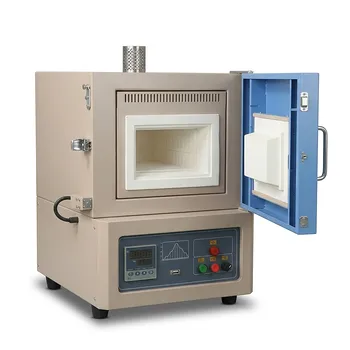
Anti Corrosive Muffle Furnace with Sintered Corundum Chamber and 1050C Operating Range for Corrosive Material Calcination
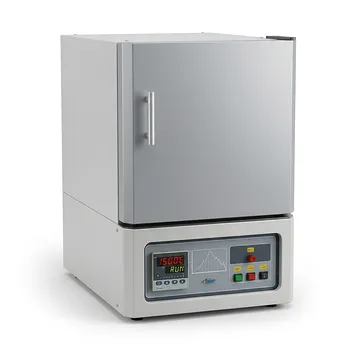
High Temperature 1500C Benchtop Muffle Furnace 3.6L Alumina Fiber Chamber Programmable Controller Sintering Annealing Carbonization Thermal Processing System
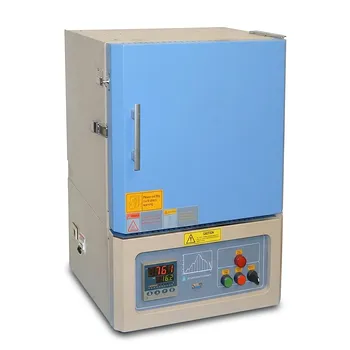
High Temperature 1700C Bench Top Muffle Furnace with Alumina Fiber Insulation and 3.6L Chamber Capacity for Precision Sintering and Heat Treatment
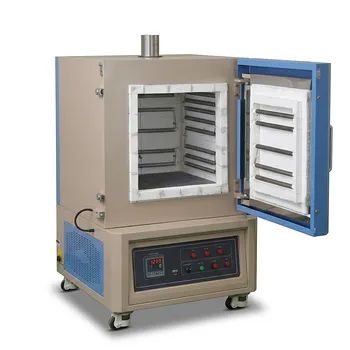
1200C High Temperature 125L Muffle Furnace 5 Side Heating for Large Batch Sintering with Optional Alloy Debinding Chamber
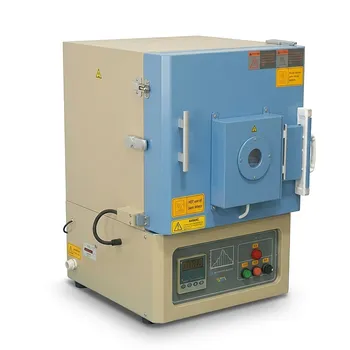
High Temperature Benchtop Muffle Furnace 1500C with 3.6L Chamber and Quartz Observation Window
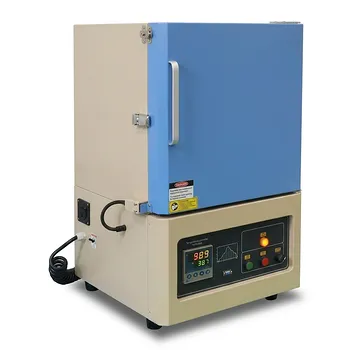
1200°C High Temperature Muffle Furnace 19L Chamber with 50 Segment Programmable Controller
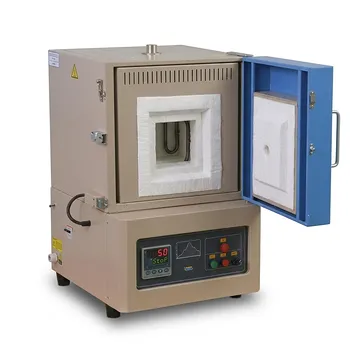
1800°C Bench Top Ultra High Temperature Muffle Furnace with Sapphire Observation Window and Top Feeding Port for Materials Research and Thermal Processing
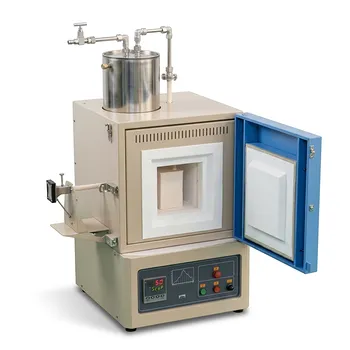
High Temperature Bench Top Muffle Furnace 1700C with Integrated Evaporating Particle Collection and 8x8x8 Alumina Fiber Chamber
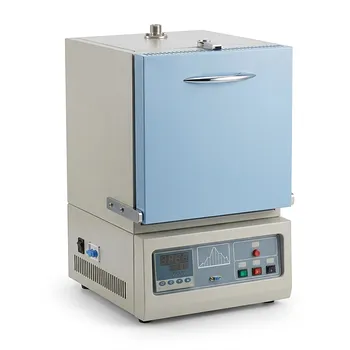
1750C Compact Muffle Furnace 1.7L Ultra High Temperature Laboratory Sintering System for Advanced Ceramics and Material Science Research
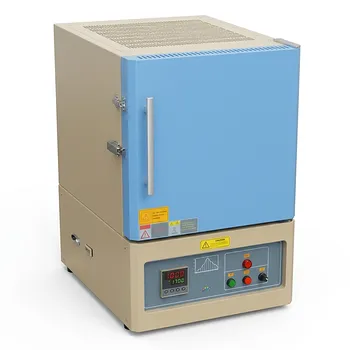
Large Bench Top 1700C High Temperature Muffle Furnace with 19L Chamber for Advanced Material Sintering and Annealing
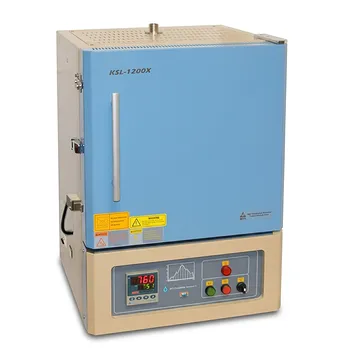
High Temperature 1200C Muffle Furnace 27L Volume 12x12x12 Chamber with Programmable PID Controller for Laboratory Material Science
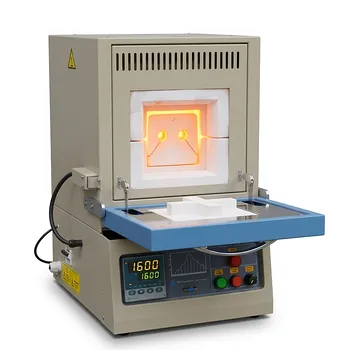
High Temperature Compact Muffle Furnace 1700 C with 30 Segment Programmable Controller and 1.7L Cubic Chamber
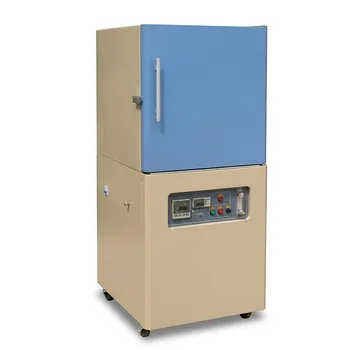
High Temperature Muffle Furnace with Dual Controllers and 36L Large Chamber 1700C Max
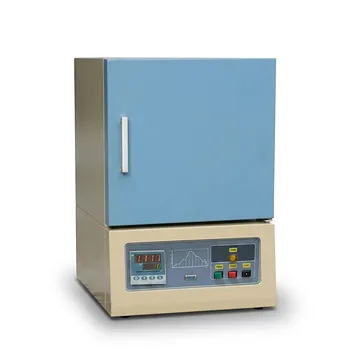
Ultra High Temperature Bench Top Muffle Furnace 1750C Sintering System with Kanthal Super Heating Elements and Precision Digital Control
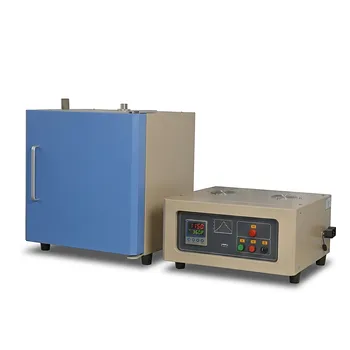
High Temperature Muffle Furnace with Alloy Chamber for Debinding and Sintering Applications
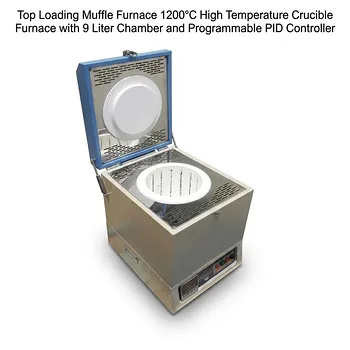
Top Loading Muffle Furnace 1200°C High Temperature Crucible Furnace with 9 Liter Chamber and Programmable PID Controller
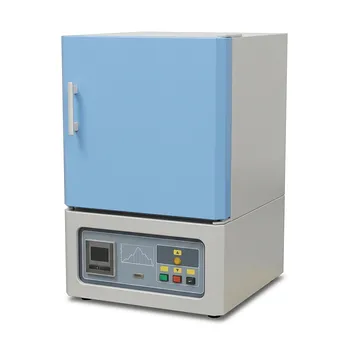
1800C Bench Top Muffle Furnace with Kanthal Super 1900 Heating Elements and 3.6L Alumina Fiber Chamber
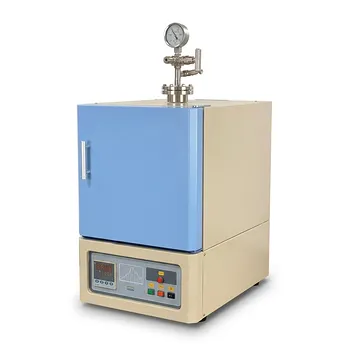
Hybrid High Temperature Muffle and Tube Furnace with 1500C Capability and Vacuum Flange Assembly
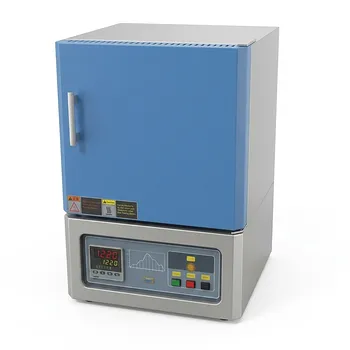
High Temperature Benchtop Muffle Furnace 1700C 10L Chamber Alumina Fiber Insulation MoSi2 Heating Elements