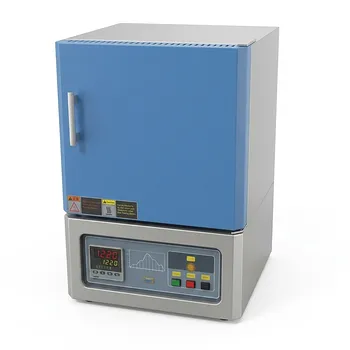
Why is a high-temperature muffle furnace required for the 450 degree Celsius calcination treatment of CuFeOx catalysts?
Updated 3 months ago
A high-temperature muffle furnace is the essential tool for CuFeOx catalyst synthesis because it provides the precise thermal environment required to trigger chemical decomposition and structural phase transitions. At 450 degrees Celsius, the furnace delivers the specific activation energy needed to convert nitrate precursors into stable composite oxide phases while simultaneously engineering the catalyst's internal pore structure.
The muffle furnace serves as a controlled thermal reactor that transforms amorphous chemical precursors into a high-performance crystalline catalyst by managing the delicate balance between thermal decomposition and structural stabilization.
The Chemistry of Thermal Transformation
Driving Nitrate Precursor Decomposition
The primary function of the muffle furnace is to facilitate the thermal decomposition of metal nitrate precursors.
At 450°C, the chemical bonds within the nitrates break down, releasing gaseous byproducts and leaving behind pure metal oxides.
This temperature is high enough to ensure the complete removal of impurities, such as residual nitrates or moisture, which would otherwise poison active sites during catalytic reactions.
Engineering the CuFeOx Composite Phase
The 450°C environment is specifically calibrated to promote the formation of CuFeOx composite oxide phases.
Unlike a simple mixture, these composite phases represent a unique chemical state where copper and iron species are intimately integrated.
This integration is vital for creating the active sites necessary for the catalyst to function effectively in its intended application.
Structural Evolution and Morphology
Developing the Microporous Framework
As the precursors decompose into gases, they escape through the solidifying material, creating a microporous structure.
The muffle furnace provides the stable heat necessary to maintain this architecture, ensuring the catalyst has a high internal surface area.
This porosity is critical because it allows reactant molecules to diffuse into the catalyst and reach the active sites located deep within the structure.
Enhancing Crystallinity and Stability
Calcination at 450°C increases the crystallinity of the active components, moving them from a disordered amorphous state to a stable crystal lattice.
Higher crystallinity typically translates to better thermal and mechanical stability, preventing the catalyst from degrading during harsh industrial processes.
The controlled environment also strengthens the interactions between active sites, ensuring that the copper and iron components work synergistically rather than as isolated particles.
The Importance of Process Control
Precision Heating and Uniformity
Muffle furnaces are used because they offer superior temperature uniformity and control over heating rates, often maintained at specific intervals like 5°C to 7°C per minute.
A controlled heating rate is essential to prevent "thermal shock," which can cause the catalyst particles to crack or lose their structural integrity.
The static air atmosphere inside the furnace provides the oxygen necessary for the oxidation reactions that turn metal ions into their active oxide states, such as hematite or copper oxide.
Understanding the Trade-offs
The Risk of Sintering
While heat is necessary for activation, excessive temperatures or prolonged exposure can lead to sintering.
Sintering occurs when catalyst particles fuse together, which drastically reduces the specific surface area and buries active sites.
If the furnace temperature exceeds the optimal 450°C setpoint significantly, the micropores may collapse, rendering the catalyst less efficient or entirely inactive.
Phase Overshoot
Strict temperature control is required to prevent the formation of undesired phases.
At temperatures higher than necessary, the CuFeOx may transition into a different, less active crystalline structure that does not support the same level of catalytic activity.
A muffle furnace's precision is the primary defense against these irreversible phase transitions that can occur if the thermal energy is not strictly managed.
How to Apply This to Your Project
Making the Right Choice for Your Goal
To achieve the best results with your CuFeOx catalyst, your calcination strategy should align with your specific performance requirements.
- If your primary focus is maximum surface area: Ensure the heating rate is strictly controlled (e.g., 5°C/min) to allow gases to escape slowly without collapsing the pore structure.
- If your primary focus is long-term catalyst stability: Prioritize a longer "soak time" at 450°C to ensure full crystallinity and strong interactions between the copper and iron phases.
- If your primary focus is high catalytic activity: Verify the complete decomposition of nitrate precursors by ensuring the muffle furnace has adequate air circulation to remove gaseous byproducts.
The precise 450°C calcination in a muffle furnace is the definitive step that transforms a chemical mixture into a functional, high-surface-area catalyst.
Summary Table:
| Process Objective | Mechanism at 450°C | Impact on Catalyst |
|---|---|---|
| Nitrate Decomposition | Breaks chemical bonds in precursors | Eliminates impurities and residual nitrates |
| Phase Integration | Promotes Cu and Fe ion integration | Forms active CuFeOx composite oxide phases |
| Pore Engineering | Facilitates controlled gas escape | Creates high-surface-area microporous structures |
| Crystallization | Transition from amorphous to crystal | Improves thermal and mechanical durability |
| Sintering Control | Precise temperature management | Prevents pore collapse and active site loss |
Elevate Your Catalyst R&D with THERMUNITS Precision Heating
Achieving the perfect 450°C calcination environment for CuFeOx catalysts requires absolute thermal precision. THERMUNITS is a premier manufacturer of high-temperature laboratory equipment specifically designed for the rigorous demands of material science and industrial R&D.
Whether you are engineering microporous frameworks or driving complex phase transitions, our comprehensive range of thermal solutions provides the stability and control you need. Our product lineup includes:
- Laboratory Furnaces: Muffle, Vacuum, Atmosphere, Tube, Rotary, and Hot Press Furnaces.
- Advanced Systems: CVD/PECVD systems, Dental Furnaces, and Electric Rotary Kilns.
- Specialized Equipment: Vacuum Induction Melting Furnaces (VIM) and high-quality Thermal Elements.
Don't let temperature fluctuations compromise your research. Contact THERMUNITS today to discuss your specific heat treatment requirements and discover how our advanced furnaces can enhance your laboratory's efficiency and experimental accuracy.
References
- Zhenghua Shen, Shan Ren. Unveiling the Promoting Mechanism of H2 Activation on CuFeOx Catalyst for Low-Temperature CO Oxidation. DOI: 10.3390/molecules29143347
Mentioned Products
- Anti Corrosive Muffle Furnace with Sintered Corundum Chamber and 1050C Operating Range for Corrosive Material Calcination
- High Temperature 1500C Benchtop Muffle Furnace 3.6L Alumina Fiber Chamber Programmable Controller Sintering Annealing Carbonization Thermal Processing System
- High Temperature Muffle Furnace with Alloy Chamber for Debinding and Sintering Applications
- Ultra High Temperature Bench Top Muffle Furnace 1750C Sintering System with Kanthal Super Heating Elements and Precision Digital Control
- High Temperature Hybrid Muffle and Tube Furnace with Vacuum Capability and PID Control
People Also Ask
- Why is a corrosion-resistant high-temperature muffle furnace required for the chemical activation of lignocellulose?
- What role does a muffle furnace play in NiMo/gamma-Al2O3 catalyst prep? Optimize Your Synthesis Process
- Why is a high-temperature muffle furnace used for the preliminary calcination of Titanium Dioxide (TiO2) precursors?
- Why must spinel samples be rapidly moved to open air for quenching? Lock in Phase Purity and Structural Integrity
- Why is a muffle furnace necessary for the post-treatment of silicalite-1 zeolite? Unlock Pore Activity & Stability

Tech Team · ThermUnits
Last updated on Jun 02, 2026
Related Products
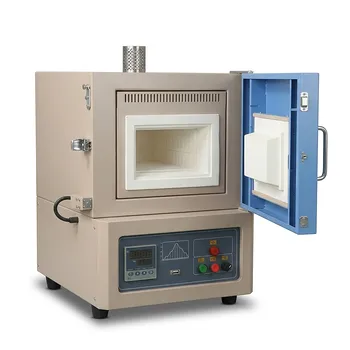
Anti Corrosive Muffle Furnace with Sintered Corundum Chamber and 1050C Operating Range for Corrosive Material Calcination
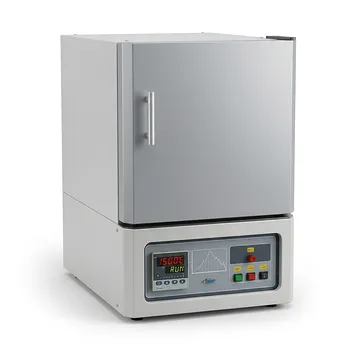
High Temperature 1500C Benchtop Muffle Furnace 3.6L Alumina Fiber Chamber Programmable Controller Sintering Annealing Carbonization Thermal Processing System
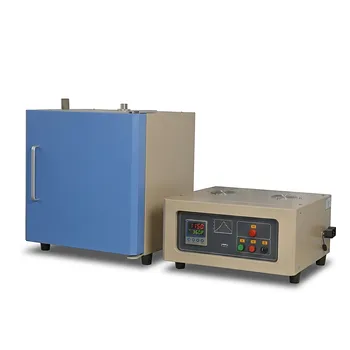
High Temperature Muffle Furnace with Alloy Chamber for Debinding and Sintering Applications
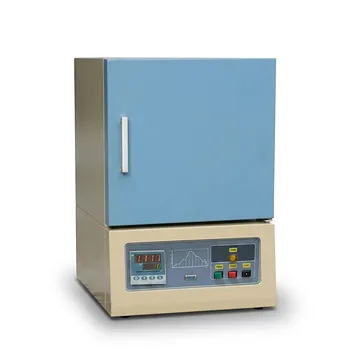
Ultra High Temperature Bench Top Muffle Furnace 1750C Sintering System with Kanthal Super Heating Elements and Precision Digital Control
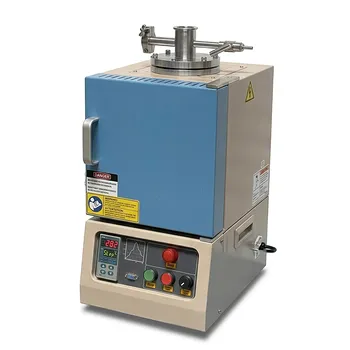
High Temperature Hybrid Muffle and Tube Furnace with Vacuum Capability and PID Control
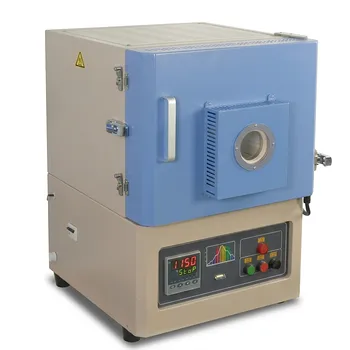
High Temperature Benchtop Muffle Furnace with Quartz Observation Window for Thermal Imaging and Material Analysis
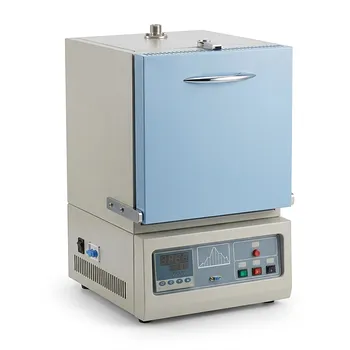
1750C Compact Muffle Furnace 1.7L Ultra High Temperature Laboratory Sintering System for Advanced Ceramics and Material Science Research
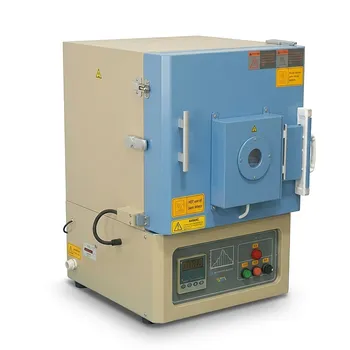
High Temperature Benchtop Muffle Furnace 1500C with 3.6L Chamber and Quartz Observation Window
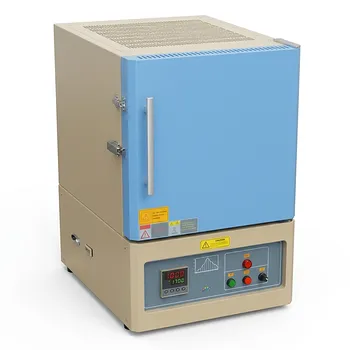
Large Bench Top 1700C High Temperature Muffle Furnace with 19L Chamber for Advanced Material Sintering and Annealing
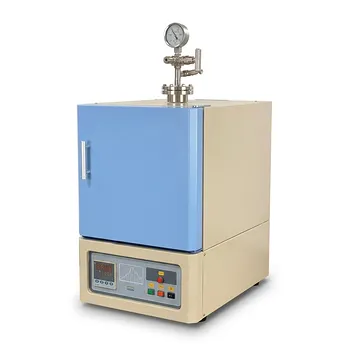
Hybrid High Temperature Muffle and Tube Furnace with 1500C Capability and Vacuum Flange Assembly
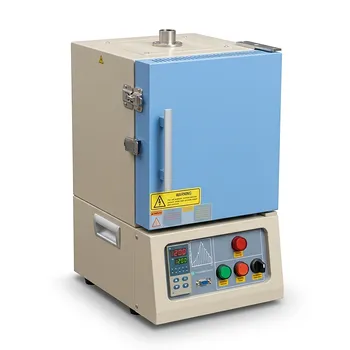
1200°C Small Box Furnace 4.2 Liter Programmable Muffle Furnace with High Purity Alumina Insulation and PID Control
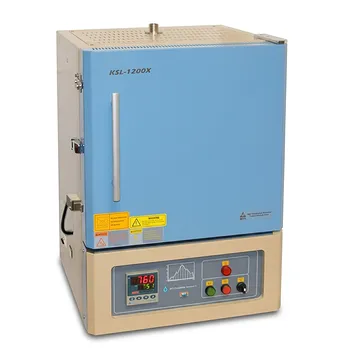
High Temperature 1200C Muffle Furnace 27L Volume 12x12x12 Chamber with Programmable PID Controller for Laboratory Material Science
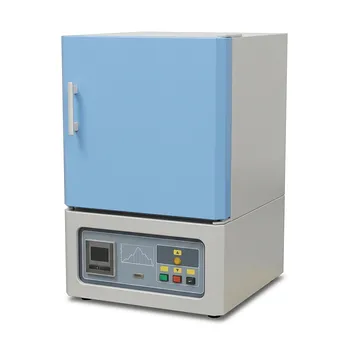
1800C Bench Top Muffle Furnace with Kanthal Super 1900 Heating Elements and 3.6L Alumina Fiber Chamber
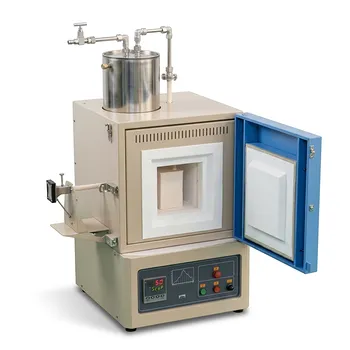
High Temperature Bench Top Muffle Furnace 1700C with Integrated Evaporating Particle Collection and 8x8x8 Alumina Fiber Chamber
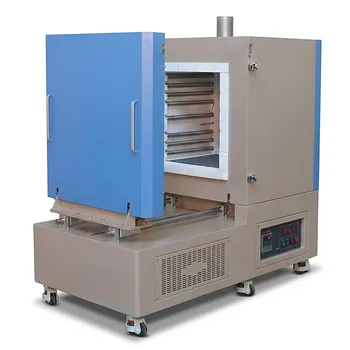
1200C Five Side Heating Muffle Furnace with Sliding Door 125L Volume High Temperature Heat Treatment System for Large Scale Sintering and Annealing
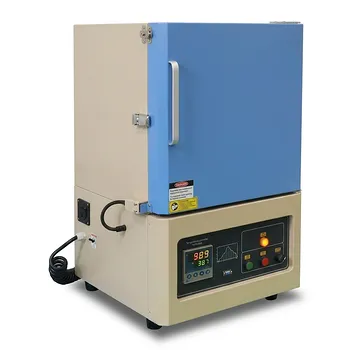
1200°C High Temperature Muffle Furnace 19L Chamber with 50 Segment Programmable Controller
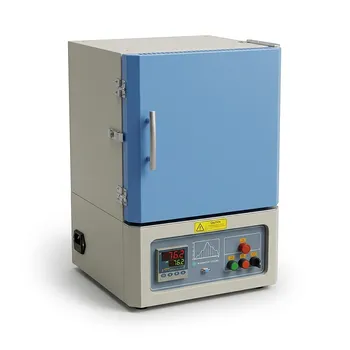
1750C Bench Top Muffle Furnace 3.6L High Grade Molybdenum Disilicide Heating Elements Laboratory Heat Treatment Equipment
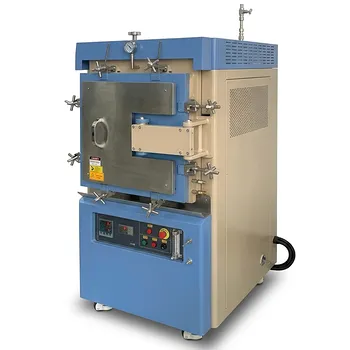
Atmosphere Controlled Muffle Furnace 1700C Maximum Temperature 80L High Capacity Vacuum Inert Gas Box Furnace
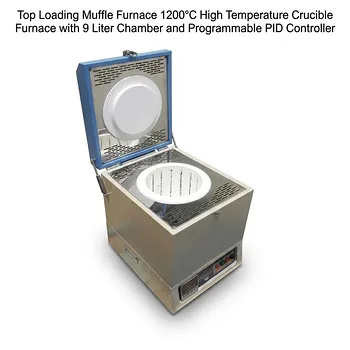
Top Loading Muffle Furnace 1200°C High Temperature Crucible Furnace with 9 Liter Chamber and Programmable PID Controller