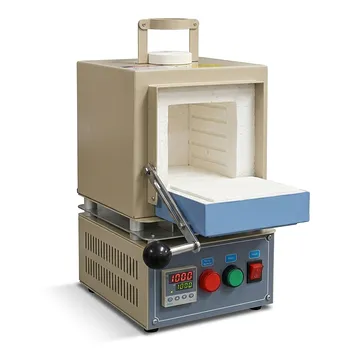
Why is a laboratory muffle furnace essential for ash determination? Achieve Precise Mineralization & Thermal Analysis
Updated 3 months ago
A laboratory muffle furnace is the cornerstone of thermal chemical analysis because it provides an isolated, highly uniform, and precisely controlled high-temperature environment. By utilizing a closed heating structure, it enables the complete oxidation of organic matter and the stable phase transformation of inorganic precursors. This level of thermal precision ensures that the resulting ash or calcined material is a reliable, uncontaminated representation of the sample's inorganic mineral content.
The essential nature of the muffle furnace lies in its ability to decouple a sample from external variables, providing the stable thermal field required to achieve complete mineralization or specific crystal phase transitions that are impossible in open-air or less precise heating vessels.
The Engineering of Thermal Precision
Superior Thermal Field Distribution
The muffle furnace is designed with a closed heating structure that ensures heat is distributed evenly throughout the chamber. This uniformity is critical for ash determination, as it prevents localized "cold spots" that could lead to incomplete combustion of organic matter.
High-Temperature Control and Isolation
Advanced insulation and precise control systems allow these furnaces to maintain specific temperatures—such as the 575°C required for biomass or 850°C for fuel samples—with minimal fluctuation. This thermal isolation protects the sample from ambient atmospheric changes and ensures that the energy input is consistent throughout the duration of the test.
Contamination Prevention
By isolating the sample within a "muffle" or chamber, the furnace prevents cross-contamination from the heating elements or external debris. This isolation is vital when the goal is to produce a pure inorganic residue for sensitive downstream applications like X-ray fluorescence (XRF) analysis.
Achieving Complete Mineralization for Analysis
Removal of Volatile and Organic Matter
In ash determination, the primary goal is to strip away all organic components to reveal the underlying mineral structure. The muffle furnace provides the oxidizing atmosphere and sustained heat necessary to volatilize these components, leaving only non-combustible inorganic residues.
Preparing Samples for XRF Spectroscopy
For industries like cement production or metallurgy, the ash must be free of carbon to accurately detect alkali metal oxides (such as $K_2O$ and $Na_2O$). Precise mineralization allows researchers to evaluate the risk of blast furnace corrosion or predict the fluidity of slag based on the pure mineral content.
Simulating Industrial Combustion States
Muffle furnaces can be programmed with specific heating rates (e.g., 10°C/min) to mimic industrial processes. This simulation provides reliable data on how biomass or coal will behave in a large-scale kiln, specifically regarding its tendency for slagging, fouling, or "ring formation."
Pre-Firing and Chemical Precursor Development
Facilitating Phase Transformations
Beyond simple ashing, muffle furnaces are used for the pre-calcination of precursors in material science. The controlled heat triggers thermal decomposition or phase changes, ensuring that the starting materials reach the desired crystal structure before the next stage of synthesis.
Debinding and Template Removal
In the production of advanced powders, muffle furnaces are used for debinding, which is the removal of organic template agents. This process requires a steady temperature to ensure that the organic binders are removed without disrupting the delicate geometry of the inorganic particles.
Understanding the Trade-offs
Volatilization of Trace Elements
While muffle furnaces are excellent for general ashing, the high temperatures required for complete mineralization can lead to the loss of certain volatile elements, such as mercury, arsenic, or sulfur. If these elements are the focus of your study, specialized lower-temperature ashing or closed-vessel digestion may be required.
Time and Energy Consumption
The high-precision heating and cooling cycles of a muffle furnace can be time-intensive, often requiring several hours to reach equilibrium and complete the oxidation process. Additionally, the high energy demand for maintaining temperatures above 1000 K makes it a resource-heavy step in the analytical workflow.
Implementing Muffle Furnace Results in Your Workflow
How to Apply This to Your Project
- If your primary focus is Biomass Quality Control: Use a stable high-temperature field (specifically around 575°C) for a minimum of five hours to ensure the complete volatilization of organics for accurate mineral filler data.
- If your primary focus is Cement or Steel Production: Target higher oxidative environments (850°C to 1088 K) to produce carbon-free ash suitable for XRF analysis of alkali metals and slagging risks.
- If your primary focus is Material Synthesis: Prioritize furnaces with programmable heating rates to control the phase transformation of chemical precursors and the removal of organic binders.
The laboratory muffle furnace transforms raw, complex samples into stable, inorganic data points, providing the analytical certainty required for both industrial safety and scientific innovation.
Summary Table:
| Key Feature | Benefit for Chemical Analysis | Primary Application |
|---|---|---|
| Thermal Uniformity | Prevents cold spots and ensures complete organic combustion | Ash Determination & Proximate Analysis |
| Precise Temp Control | Facilitates specific crystal phase transitions and stable calcination | Material Synthesis & Pre-firing |
| Atmospheric Isolation | Eliminates cross-contamination for high-purity inorganic residues | XRF Sample Prep & Trace Metal Analysis |
| Programmable Rates | Mimics industrial heating to predict slagging and fouling behavior | Biomass & Coal Quality Control |
| Controlled Oxidation | Ensures total debinding and removal of organic template agents | Powder Metallurgy & Advanced Ceramics |
Elevate Your Analytical Precision with THERMUNITS
Precise thermal processing is the backbone of reliable chemical analysis and material innovation. THERMUNITS is a leading manufacturer of high-performance high-temperature laboratory equipment, dedicated to supporting researchers in material science and industrial R&D.
Our comprehensive range of thermal solutions is engineered for accuracy and durability, including:
- Laboratory Furnaces: Muffle, Vacuum, Atmosphere, Tube, and Rotary models.
- Specialized Systems: CVD/PECVD systems, Dental Furnaces, and Vacuum Induction Melting (VIM) furnaces.
- Industrial Equipment: Electric rotary kilns, Hot Press furnaces, and premium Thermal Elements.
Whether you are performing routine ash determination or developing advanced chemical precursors, THERMUNITS provides the thermal stability your project demands.
Ready to optimize your heat treatment workflow?
Contact our technical experts today to find the perfect furnace solution for your laboratory.
References
- Qingbo Yu, Zishe Xu. The Effects of Modified Fly Ash on the Structure and Photocatalytic Performance of G‐C <sub>3</sub> N <sub>4</sub> ‐based Materials. DOI: 10.1002/slct.202400718
Mentioned Products
- 1750C Compact Muffle Furnace 1.7L Ultra High Temperature Laboratory Sintering System for Advanced Ceramics and Material Science Research
- 1200C Muffle Furnace 12x8x5 7.2L Heating Chamber with Quartz Observation Window and Vent Port
- High Temperature 1200C Muffle Furnace 27L Volume 12x12x12 Chamber with Programmable PID Controller for Laboratory Material Science
- 1750C Bench Top Muffle Furnace 3.6L High Grade Molybdenum Disilicide Heating Elements Laboratory Heat Treatment Equipment
- 1200°C High Temperature Muffle Furnace 19L Chamber with 50 Segment Programmable Controller
People Also Ask
- What role does a laboratory high-temperature muffle furnace play in the ash analysis phase of biomass co-firing research? [Guide]
- What is the function of a high-temp muffle furnace in Ni-V oxide synthesis? Optimize your material's performance.
- What role does a high-temperature muffle furnace play in the synthesis of Melem precursors? Precision Polymerization.
- What is the function of a high-temperature muffle furnace in phosphorus-modified zeolite catalyst preparation?
- What is the function of a muffle furnace in aluminoborosilicate glass prep? Stabilize Raw Materials for Superior Purity

Tech Team · ThermUnits
Last updated on Jun 02, 2026
Related Products
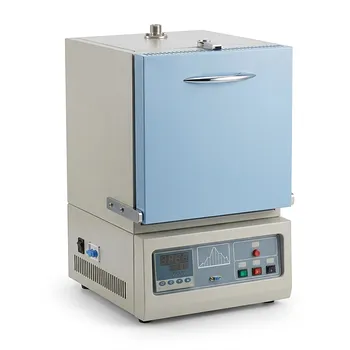
1750C Compact Muffle Furnace 1.7L Ultra High Temperature Laboratory Sintering System for Advanced Ceramics and Material Science Research
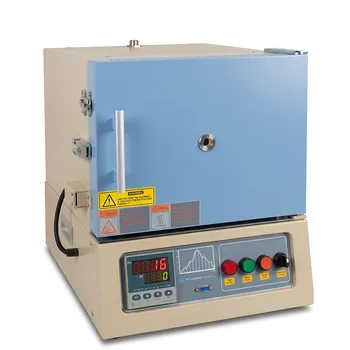
1200C Muffle Furnace 12x8x5 7.2L Heating Chamber with Quartz Observation Window and Vent Port
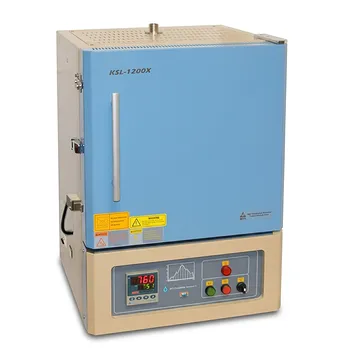
High Temperature 1200C Muffle Furnace 27L Volume 12x12x12 Chamber with Programmable PID Controller for Laboratory Material Science
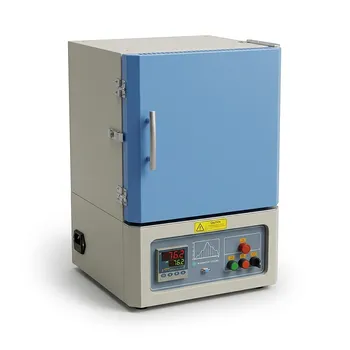
1750C Bench Top Muffle Furnace 3.6L High Grade Molybdenum Disilicide Heating Elements Laboratory Heat Treatment Equipment
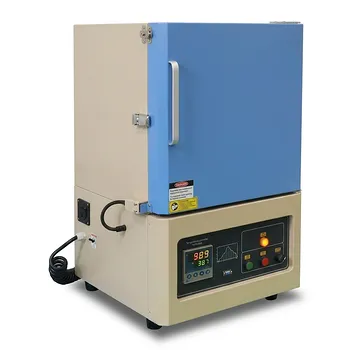
1200°C High Temperature Muffle Furnace 19L Chamber with 50 Segment Programmable Controller
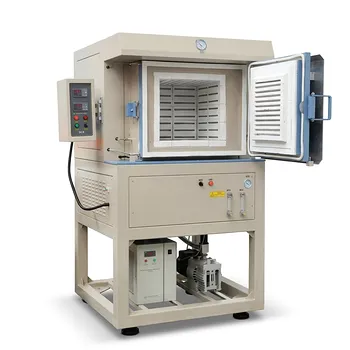
1200°C Five Side Heating Atmosphere Controlled Muffle Furnace 64 Liter High Uniformity Box Furnace for Material Synthesis
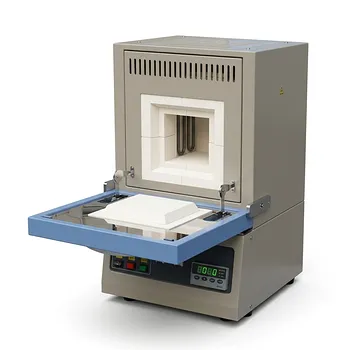
Five Sided Heating Muffle Furnace High Uniformity 1200C Lab Box Furnace 27L Alumina Fiber Chamber
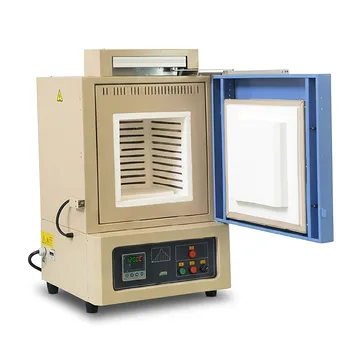
1200C High Temperature Muffle Furnace with Motorized Door and Automated PC Control for Industrial Sintering and Material Processing 27 Liter
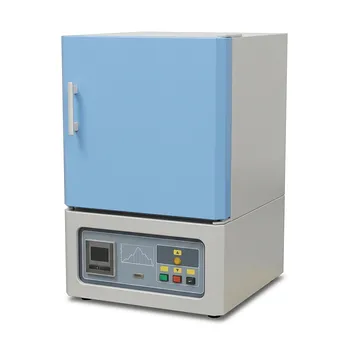
1800C Bench Top Muffle Furnace with Kanthal Super 1900 Heating Elements and 3.6L Alumina Fiber Chamber
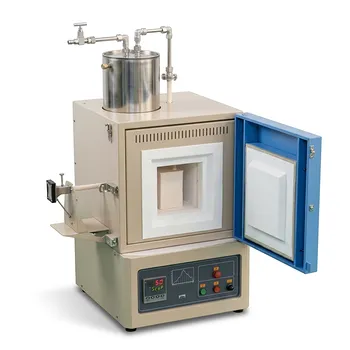
High Temperature Bench Top Muffle Furnace 1700C with Integrated Evaporating Particle Collection and 8x8x8 Alumina Fiber Chamber
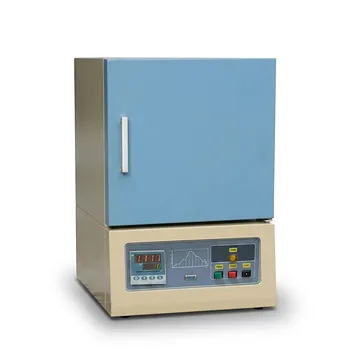
Ultra High Temperature Bench Top Muffle Furnace 1750C Sintering System with Kanthal Super Heating Elements and Precision Digital Control
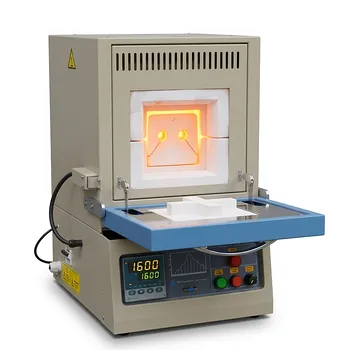
High Temperature Compact Muffle Furnace 1700 C with 30 Segment Programmable Controller and 1.7L Cubic Chamber
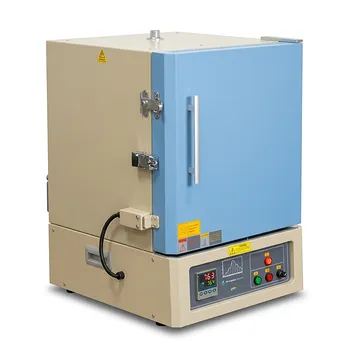
Large Capacity 1200C Muffle Furnace 64 Liter Chamber with Digital PID Controller and Built In Venting Port
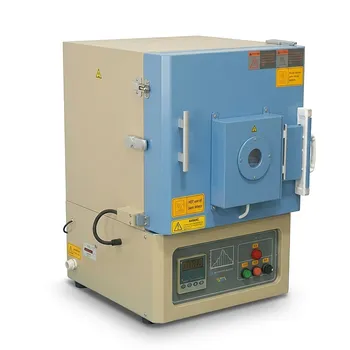
High Temperature Benchtop Muffle Furnace 1500C with 3.6L Chamber and Quartz Observation Window
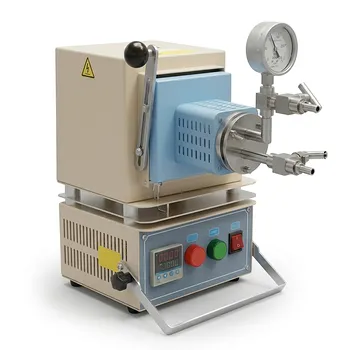
Compact Hybrid Muffle and Tube Furnace for 1000C Controlled Atmosphere Laboratory Material Sintering
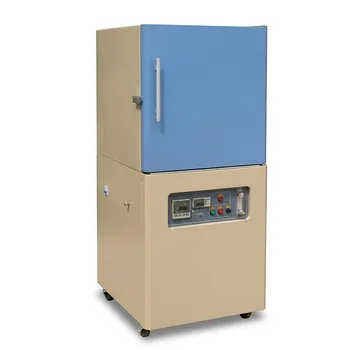
High Temperature Muffle Furnace with Dual Controllers and 36L Large Chamber 1700C Max
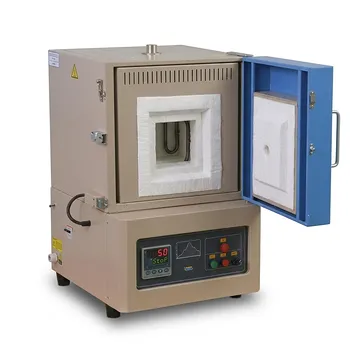
1800°C Bench Top Ultra High Temperature Muffle Furnace with Sapphire Observation Window and Top Feeding Port for Materials Research and Thermal Processing
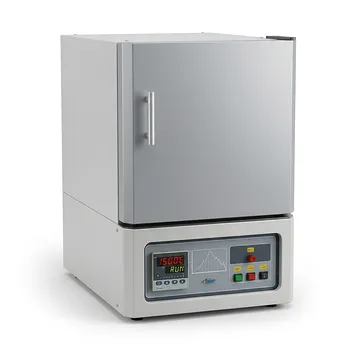
High Temperature 1500C Benchtop Muffle Furnace 3.6L Alumina Fiber Chamber Programmable Controller Sintering Annealing Carbonization Thermal Processing System
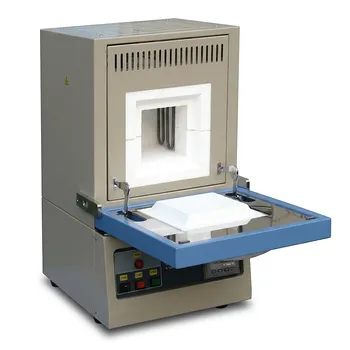
High Temperature 1800C Compact Muffle Furnace with Kanthal Super 1900 Heating Elements and 1.7L Alumina Chamber