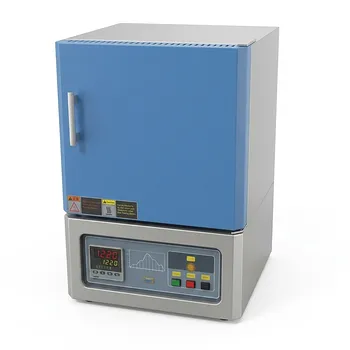
Why use a muffle furnace for willemite reduction residues? Key to Accurate Zinc Extraction
Updated 3 months ago
The use of a muffle furnace in this context is primarily for the complete oxidation and removal of residual carbon. This critical step ensures that the final mass of the residue contains only unreduced minerals and newly formed silicates, which is essential for calculating an accurate zinc extraction rate through mass balance equations.
To determine how much zinc has been successfully extracted from willemite, you must isolate the mineral mass from the reagents. The muffle furnace achieves this by burning off excess charcoal, preventing the weight of the reducing agent from skewing the final analytical data.
The Necessity of Carbon Removal
Eliminating Excess Reducing Agents
During the initial reduction of willemite in a tube furnace, charcoal is typically added in excess to ensure the reaction goes to completion. If this residual carbon remains in the sample during the final weighing, it will artificially inflate the residue's mass.
Achieving Chemical Stability through Oxidation
The muffle furnace provides a controlled environment to heat residues at 800°C for two hours in the presence of air. This high-temperature aerobic environment facilitates the full oxidation of carbon into carbon dioxide gas, which then escapes the system.
Isolating the Mineral Phase
By removing the charcoal, the technician ensures that the remaining material consists strictly of the unreduced minerals and newly formed silicates. This clean separation is the only way to verify the physical changes that occurred specifically to the zinc-bearing compounds.
Ensuring Accuracy in Mass Balance Calculations
The Role of Mass Difference
Zinc extraction rates are calculated based on the difference between the initial mass and the final mass of the mineral sample. Because the mass balance equation relies on precise weights, any extraneous material like charcoal acts as a "contaminant" that renders the calculation invalid.
Preventing False Data Points
In high-temperature metallurgy, even small discrepancies in mass can lead to significant errors in reported efficiency. Utilizing the muffle furnace ensures that the observed weight loss is attributed solely to the volatilization of zinc rather than the presence of unreacted charcoal.
Correlation with Pre-treatment Standards
Just as charcoal is often pre-treated in a muffle furnace at 1000°C to remove its own volatile components, the residue treatment mirrors this rigor. This consistency ensures that every gram of weight change recorded during the experiment is a result of the target chemical reaction.
Understanding the Trade-offs
Risk of Secondary Volatilization
While 800°C is effective for carbon removal, it is high enough that certain other volatile impurities might also be lost. If the residue contains elements with low boiling points, the muffle furnace step could potentially cause a slight overestimation of zinc extraction.
Potential for Phase Alteration
Subjecting residues to prolonged high heat in air can change the crystalline structure of the remaining silicates. While this does not usually impact mass balance, it may complicate subsequent XRD (X-ray diffraction) analysis if the goal is to study the exact state of the residue immediately following reduction.
Energy and Time Intensity
The two-hour soak time at 800°C represents a significant bottleneck in the laboratory workflow. However, skipping this step or reducing the time may lead to incomplete oxidation, resulting in "dark" residues that still contain carbon and yield inaccurate extraction percentages.
How to Apply This to Your Process
Recommendations for Experimental Accuracy
Proper use of a muffle furnace is vital for translating raw experimental results into reliable metallurgical data. Depending on your specific analytical goals, consider the following:
- If your primary focus is precise extraction rates: Always perform the 800°C oxidation step to ensure the mass balance is based solely on mineral transformations.
- If your primary focus is residue phase identification: Consider taking a small aliquot of the "raw" residue for XRD analysis before putting the bulk sample into the muffle furnace for mass determination.
- If your primary focus is high-throughput testing: Ensure the crucibles used in the muffle furnace are wide and shallow to maximize the surface area of the residue, promoting faster and more uniform carbon oxidation.
By rigorously removing the reducing agent, you transform a complex mixture into a clean mineral residue ready for definitive measurement.
Summary Table:
| Feature | Specification/Requirement |
|---|---|
| Primary Objective | Complete oxidation and removal of residual carbon (charcoal) |
| Recommended Temperature | 800°C |
| Processing Time | 2 Hours (Soak time) |
| Atmosphere | Aerobic (Presence of air) |
| Calculated Metric | Accurate zinc extraction rate via mass balance |
| Impact of Skipping | Artificially high residue mass and inaccurate data |
Optimize Your Metallurgical Research with THERMUNITS
Precision is paramount in material science. THERMUNITS is a leading manufacturer of high-temperature laboratory equipment designed for rigorous industrial R&D. Our comprehensive range of thermal solutions—including Muffle, Vacuum, Atmosphere, Tube, and Rotary furnaces, as well as CVD/PECVD systems and Vacuum Induction Melting (VIM) furnaces—ensures uniform heating and reliable results for every experiment.
Whether you are treating reduction residues or developing new alloys, our equipment provides the stability and control your lab requires. Contact us today to discuss your specific heat treatment needs and discover how our advanced thermal elements can enhance your research efficiency.
References
- Vitória Silva Coimbra, Victor de Alvarenga Oliveira. Carbothermic reduction of a willemite concentrate for use in the Waelz process. DOI: 10.17159/2411-9717/2516/2023
Mentioned Products
- 1200C Muffle Furnace 12x8x5 7.2L Heating Chamber with Quartz Observation Window and Vent Port
- High Temperature 1200C Muffle Furnace 27L Volume 12x12x12 Chamber with Programmable PID Controller for Laboratory Material Science
- 1750C Compact Muffle Furnace 1.7L Ultra High Temperature Laboratory Sintering System for Advanced Ceramics and Material Science Research
- 1200C High Temperature 125L Muffle Furnace 5 Side Heating for Large Batch Sintering with Optional Alloy Debinding Chamber
- Ultra High Temperature Bench Top Muffle Furnace 1750C Sintering System with Kanthal Super Heating Elements and Precision Digital Control
People Also Ask
- What is the function of an experimental muffle furnace in the conversion of FeOOH to α-Fe2O3? Optimize Phase Transition
- Why is a muffle furnace required for MoO2@HCNF pre-oxidation? Crucial Steps for High-Performance Composites
- What is the function of a high-temperature Muffle furnace in removing residual solvents? Essential Bismuth Synthesis
- What is the function of Muffle furnace calcination? Essential steps for Pr-doped SrFeMoO6 Perovskite synthesis.
- What are the primary functions of a Muffle furnace in oxide calcination? Achieve high purity and phase control.

Tech Team · ThermUnits
Last updated on Jun 02, 2026
Related Products
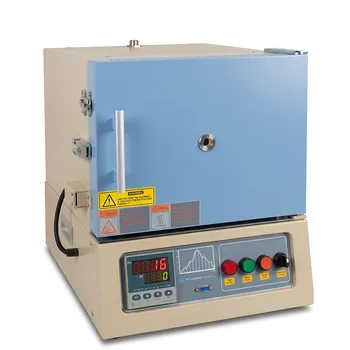
1200C Muffle Furnace 12x8x5 7.2L Heating Chamber with Quartz Observation Window and Vent Port
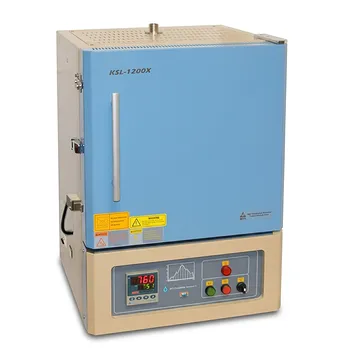
High Temperature 1200C Muffle Furnace 27L Volume 12x12x12 Chamber with Programmable PID Controller for Laboratory Material Science
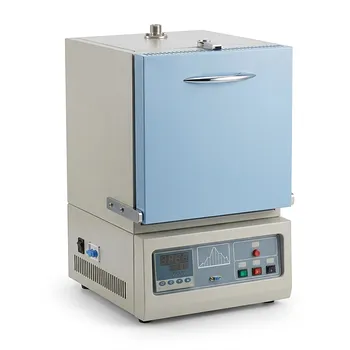
1750C Compact Muffle Furnace 1.7L Ultra High Temperature Laboratory Sintering System for Advanced Ceramics and Material Science Research
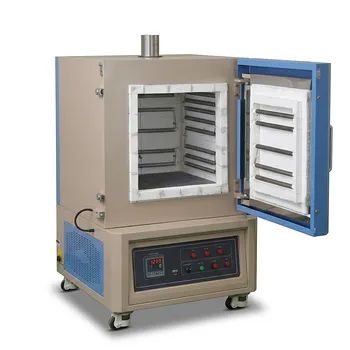
1200C High Temperature 125L Muffle Furnace 5 Side Heating for Large Batch Sintering with Optional Alloy Debinding Chamber
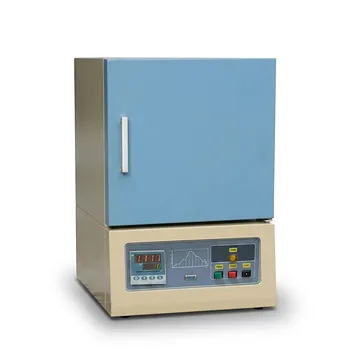
Ultra High Temperature Bench Top Muffle Furnace 1750C Sintering System with Kanthal Super Heating Elements and Precision Digital Control
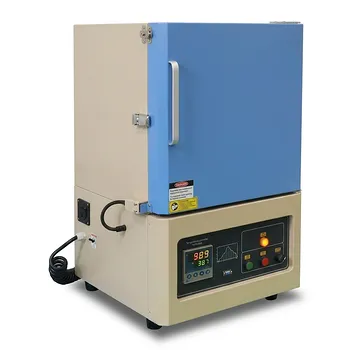
1200°C High Temperature Muffle Furnace 19L Chamber with 50 Segment Programmable Controller
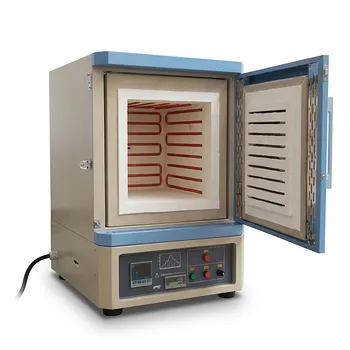
Five Side Heating Muffle Furnace 1200C High Uniformity 64L Chamber 16x16x16 Inch Industrial Heat Treatment
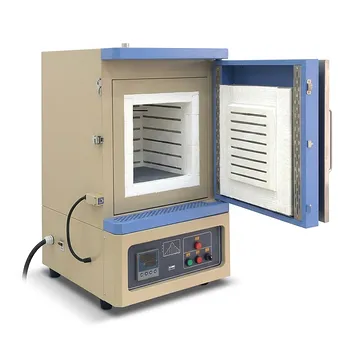
Five Side Heating Muffle Furnace High Purity Alumina Fiber 27L Chamber 1200C High Temperature Thermal Processing System for Sintering Annealing and Materials Research
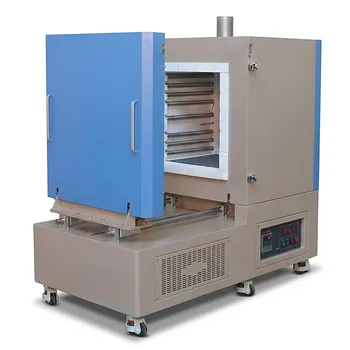
1200C Five Side Heating Muffle Furnace with Sliding Door 125L Volume High Temperature Heat Treatment System for Large Scale Sintering and Annealing
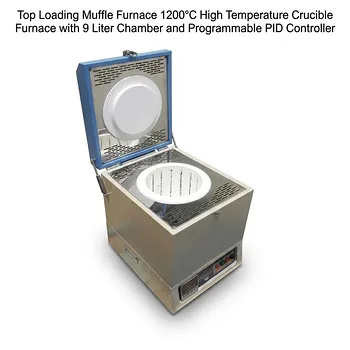
Top Loading Muffle Furnace 1200°C High Temperature Crucible Furnace with 9 Liter Chamber and Programmable PID Controller
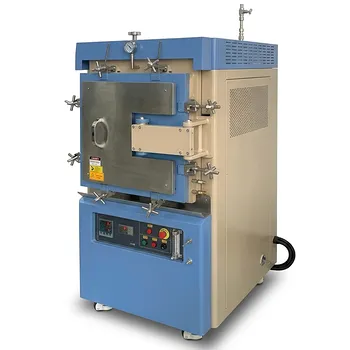
Atmosphere Controlled Muffle Furnace 1700C Maximum Temperature 80L High Capacity Vacuum Inert Gas Box Furnace
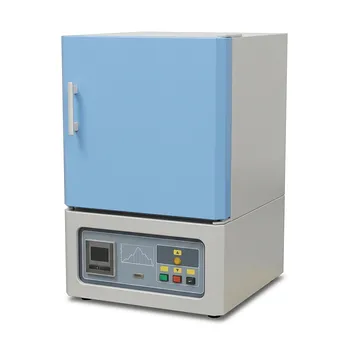
1800C Bench Top Muffle Furnace with Kanthal Super 1900 Heating Elements and 3.6L Alumina Fiber Chamber
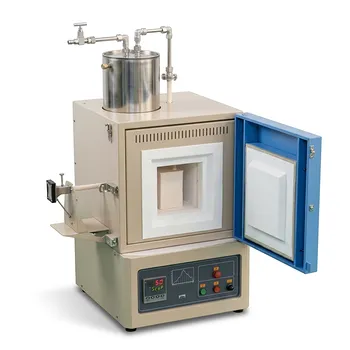
High Temperature Bench Top Muffle Furnace 1700C with Integrated Evaporating Particle Collection and 8x8x8 Alumina Fiber Chamber
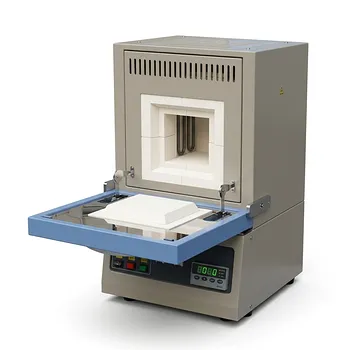
Five Sided Heating Muffle Furnace High Uniformity 1200C Lab Box Furnace 27L Alumina Fiber Chamber
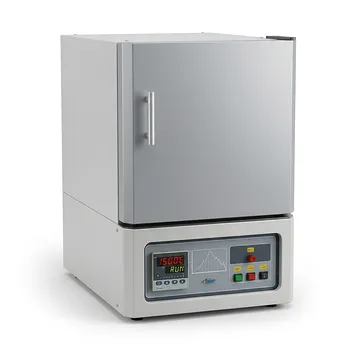
High Temperature 1500C Benchtop Muffle Furnace 3.6L Alumina Fiber Chamber Programmable Controller Sintering Annealing Carbonization Thermal Processing System
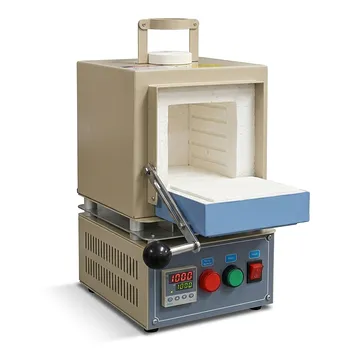
Compact 1000C Muffle Furnace with Programmable Controller and 2 Inch Top Port for Vacuum and Atmosphere Material Research
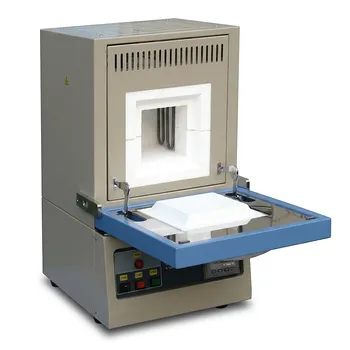
High Temperature 1800C Compact Muffle Furnace with Kanthal Super 1900 Heating Elements and 1.7L Alumina Chamber
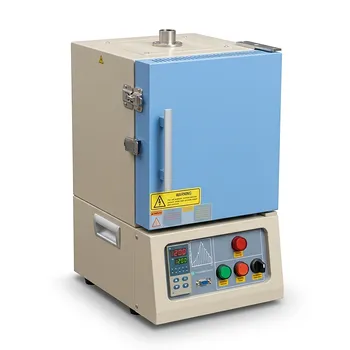
1200°C Small Box Furnace 4.2 Liter Programmable Muffle Furnace with High Purity Alumina Insulation and PID Control
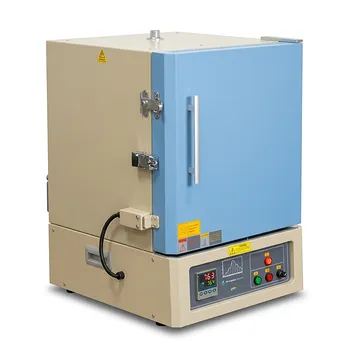
Large Capacity 1200C Muffle Furnace 64 Liter Chamber with Digital PID Controller and Built In Venting Port