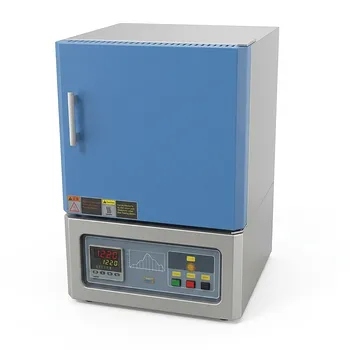
Why use a muffle furnace for Ni-Fe-Cu anode pre-oxidation? Create protective spinel layers for stable, accurate testing
Updated 6 months ago
A muffle furnace is utilized for the pre-oxidation of Ni-Fe-Cu based alloy anodes to synthesize a protective, electrocatalytically active surface layer prior to electrochemical testing. By heating the alloy at 800°C in an air environment for approximately 8 hours, the furnace facilitates the growth of a dense nickel-iron spinel (NiFe2O4) oxide film. This pre-formed layer acts as a critical barrier, significantly enhancing the anode's chemical stability and efficiency when exposed to aggressive molten fluoride electrolytes.
The core objective of muffle furnace pre-oxidation is to transform the raw alloy surface into a stable NiFe2O4 spinel phase. This transition is necessary to prevent rapid metal dissolution and to optimize the oxygen evolution reaction (OER) kinetics during operation.
The Role of the Spinel Layer in Anode Stability
Formation of the NiFe2O4 Protective Barrier
The high-temperature environment of the muffle furnace triggers a chemical reaction between the alloy components and atmospheric oxygen. This process results in a nickel-iron spinel structure that is far more resistant to corrosion than the base metal.
This oxide film is intentionally dense, serving as a physical shield that prevents the electrolyte from directly attacking the underlying alloy. Without this treatment, the metallic components would dissolve rapidly in molten salts, leading to premature anode failure.
Enhancement of Electrocatalytic Activity
Beyond protection, the NiFe2O4 film is electrocatalytically active, meaning it lowers the energy barrier for the oxygen evolution reaction. This ensures that the anode can facilitate the necessary electrochemical reactions with higher efficiency.
By cultivating this layer before testing, researchers ensure that the performance data reflects the behavior of a stabilized "inert" anode rather than a degrading metal sample. This creates a more accurate representation of how the material would perform in industrial applications.
Why a Muffle Furnace is the Preferred Tool
Uniformity of the Thermal Field
A muffle furnace, or box-type resistance furnace, provides a highly uniform thermal field that is essential for consistent oxide growth. This uniformity ensures that the entire surface of the anode develops a spinel layer of equal thickness and composition.
Consistent heating prevents localized defects or "hot spots" where the oxide film might be too thin or poorly adhered. This structural integrity is vital for preventing the film from peeling or collapsing when submerged in high-temperature electrolytes.
Precise Control of the Oxidation Atmosphere
The "muffle" design isolates the sample from direct combustion contaminants while allowing for a stable air atmosphere. This controlled environment is necessary for the precise stoichiometric formation of the NiFe2O4 phase.
The furnace allows for specific temperature programming, such as maintaining 800°C for 8 hours. This precision ensures the lattice structure of the precursors is properly broken and rearranged into the desired spinel foundation.
Understanding the Trade-offs and Limitations
The Risk of Excessive Oxidation
While a dense film is desirable, overly long exposure or higher temperatures in the muffle furnace can lead to excessive scaling. If the oxide layer becomes too thick, it may become brittle and lose its mechanical adhesion to the alloy substrate.
A layer that is too thick can also increase the electrical resistance of the anode. This requires a higher voltage to drive the reaction, which reduces the overall energy efficiency of the electrochemical process.
Consequences of Incomplete Phase Formation
If the furnace temperature is too low or the time is insufficient, the transition to the NiFe2O4 spinel may be incomplete. This leaves the anode vulnerable to "pitting" or rapid chemical attack in the fluoride melt.
Incomplete oxidation can also lead to the presence of unstable intermediate oxides. These intermediates may dissolve into the electrolyte, contaminating the bath and altering the results of the electrochemical testing.
How to Optimize Pre-Oxidation for Your Goals
Making the Right Choice for Your Goal
To achieve the best results with Ni-Fe-Cu based alloy anodes, the pre-oxidation parameters must be tailored to the specific testing environment.
- If your primary focus is Maximum Corrosion Resistance: Ensure the muffle furnace is calibrated to maintain exactly 800°C to facilitate the densest possible NiFe2O4 spinel layer.
- If your primary focus is High Energy Efficiency: Optimize the oxidation duration to create a film that is thick enough for protection but thin enough to maintain low electrical resistivity.
- If your primary focus is Material Longevity: Use a slow cooling ramp-up and ramp-down within the furnace to prevent thermal shock and cracking of the newly formed oxide film.
Correctly calibrated pre-oxidation transforms a vulnerable alloy into a robust, high-performance electrode capable of withstanding the most demanding electrochemical environments.
Summary Table:
| Key Feature | Process Role | Technical Benefit |
|---|---|---|
| Temperature Control | Sustained 800°C heating | Facilitates NiFe2O4 spinel formation |
| Thermal Uniformity | Even heat distribution | Ensures consistent oxide film thickness |
| Atmosphere Stability | Controlled air environment | Prevents alloy dissolution and pitting |
| Cycle Precision | 8-hour dwell time | Optimizes OER kinetics & film adhesion |
Elevate Your Material Research with THERMUNITS Precision
Are you looking to achieve superior chemical stability and uniform oxide layers in your alloy research? THERMUNITS is a leading manufacturer of high-temperature laboratory equipment, providing the precision needed for material science and industrial R&D.
From high-performance Muffle and Atmosphere Furnaces perfect for anode pre-oxidation to advanced Vacuum, Tube, Rotary, and Hot Press furnaces, we offer a comprehensive range of thermal solutions. Our catalog also includes CVD/PECVD systems, Dental Furnaces, Electric Rotary Kilns, and Vacuum Induction Melting (VIM) furnaces designed to meet the most rigorous laboratory standards.
Ready to optimize your heat treatment process? Contact THERMUNITS today to find the perfect furnace for your lab!
References
- Kamaljeet Singh, Guðrún Sævarsdóttir. Overpotential on Oxygen-Evolving Platinum and Ni-Fe-Cu Anode for Low-Temperature Molten Fluoride Electrolytes. DOI: 10.1007/s11837-024-06425-5
Mentioned Products
- 1200C Muffle Furnace 12x8x5 7.2L Heating Chamber with Quartz Observation Window and Vent Port
- High Temperature 1200C Muffle Furnace 27L Volume 12x12x12 Chamber with Programmable PID Controller for Laboratory Material Science
- 1750C Compact Muffle Furnace 1.7L Ultra High Temperature Laboratory Sintering System for Advanced Ceramics and Material Science Research
- 1200C High Temperature 125L Muffle Furnace 5 Side Heating for Large Batch Sintering with Optional Alloy Debinding Chamber
- Ultra High Temperature Bench Top Muffle Furnace 1750C Sintering System with Kanthal Super Heating Elements and Precision Digital Control
People Also Ask
- What is the function of an experimental muffle furnace in the conversion of FeOOH to α-Fe2O3? Optimize Phase Transition
- What are the primary functions of a Muffle furnace in oxide calcination? Achieve high purity and phase control.
- What is the function of a high-temperature Muffle furnace in removing residual solvents? Essential Bismuth Synthesis
- What is the function of Muffle furnace calcination? Essential steps for Pr-doped SrFeMoO6 Perovskite synthesis.
- Why is a muffle furnace required for MoO2@HCNF pre-oxidation? Crucial Steps for High-Performance Composites

Tech Team · ThermUnits
Last updated on Apr 14, 2026
Related Products
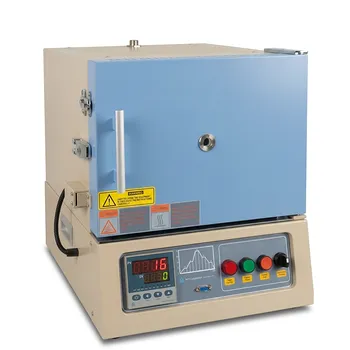
1200C Muffle Furnace 12x8x5 7.2L Heating Chamber with Quartz Observation Window and Vent Port
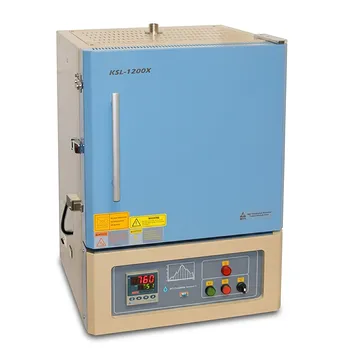
High Temperature 1200C Muffle Furnace 27L Volume 12x12x12 Chamber with Programmable PID Controller for Laboratory Material Science
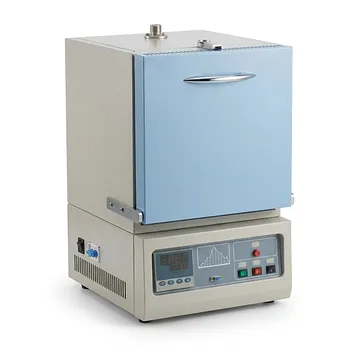
1750C Compact Muffle Furnace 1.7L Ultra High Temperature Laboratory Sintering System for Advanced Ceramics and Material Science Research
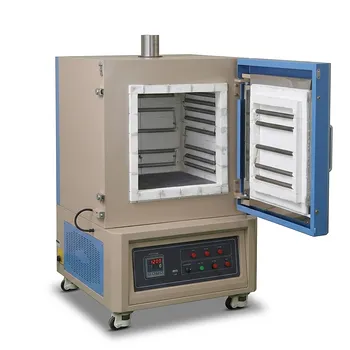
1200C High Temperature 125L Muffle Furnace 5 Side Heating for Large Batch Sintering with Optional Alloy Debinding Chamber
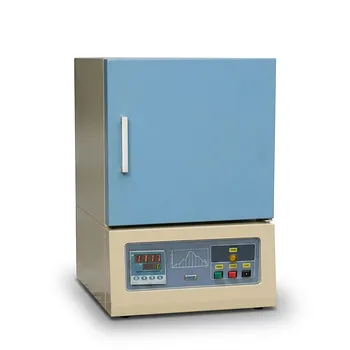
Ultra High Temperature Bench Top Muffle Furnace 1750C Sintering System with Kanthal Super Heating Elements and Precision Digital Control
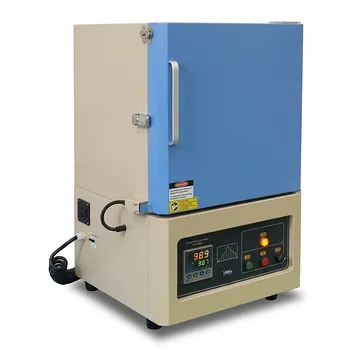
1200°C High Temperature Muffle Furnace 19L Chamber with 50 Segment Programmable Controller
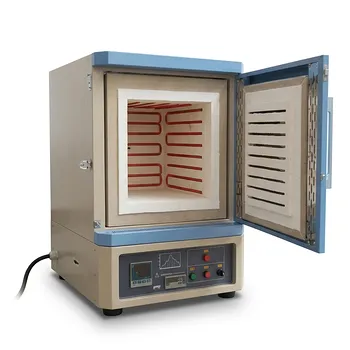
Five Side Heating Muffle Furnace 1200C High Uniformity 64L Chamber 16x16x16 Inch Industrial Heat Treatment
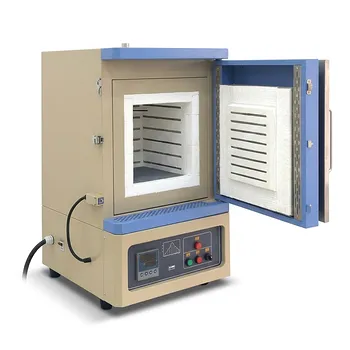
Five Side Heating Muffle Furnace High Purity Alumina Fiber 27L Chamber 1200C High Temperature Thermal Processing System for Sintering Annealing and Materials Research
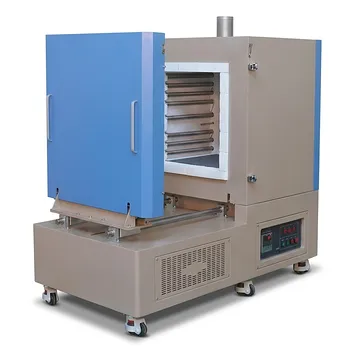
1200C Five Side Heating Muffle Furnace with Sliding Door 125L Volume High Temperature Heat Treatment System for Large Scale Sintering and Annealing
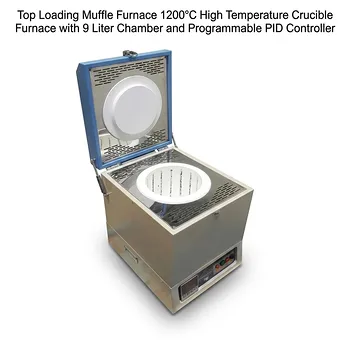
Top Loading Muffle Furnace 1200°C High Temperature Crucible Furnace with 9 Liter Chamber and Programmable PID Controller
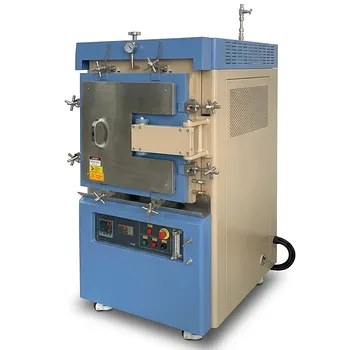
Atmosphere Controlled Muffle Furnace 1700C Maximum Temperature 80L High Capacity Vacuum Inert Gas Box Furnace
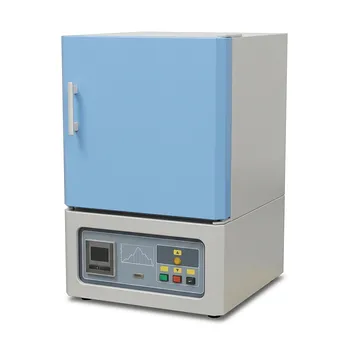
1800C Bench Top Muffle Furnace with Kanthal Super 1900 Heating Elements and 3.6L Alumina Fiber Chamber
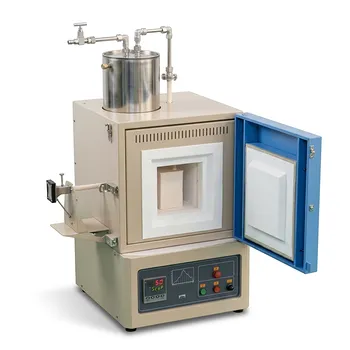
High Temperature Bench Top Muffle Furnace 1700C with Integrated Evaporating Particle Collection and 8x8x8 Alumina Fiber Chamber
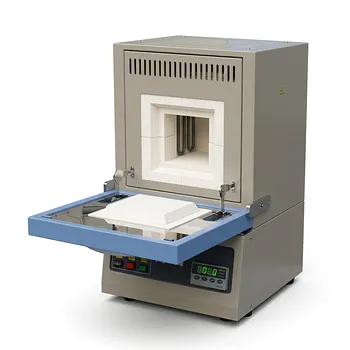
Five Sided Heating Muffle Furnace High Uniformity 1200C Lab Box Furnace 27L Alumina Fiber Chamber
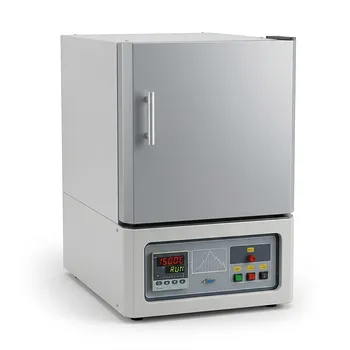
High Temperature 1500C Benchtop Muffle Furnace 3.6L Alumina Fiber Chamber Programmable Controller Sintering Annealing Carbonization Thermal Processing System
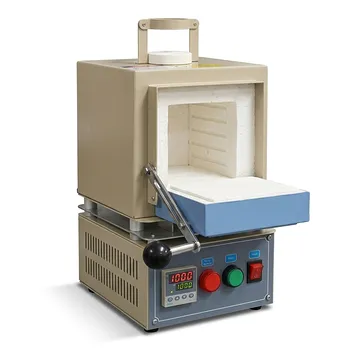
Compact 1000C Muffle Furnace with Programmable Controller and 2 Inch Top Port for Vacuum and Atmosphere Material Research
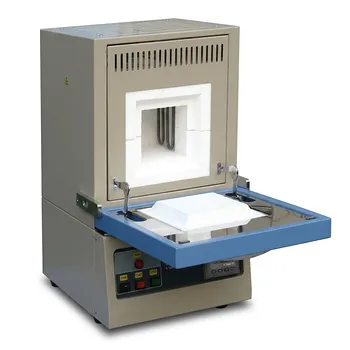
High Temperature 1800C Compact Muffle Furnace with Kanthal Super 1900 Heating Elements and 1.7L Alumina Chamber
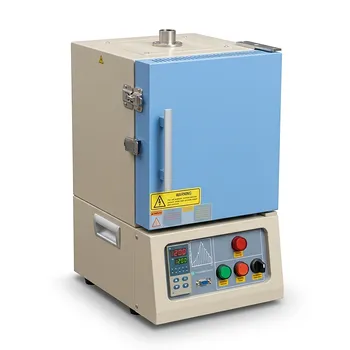
1200°C Small Box Furnace 4.2 Liter Programmable Muffle Furnace with High Purity Alumina Insulation and PID Control
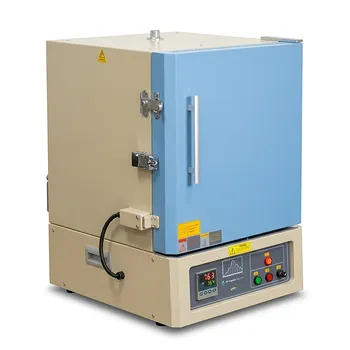
Large Capacity 1200C Muffle Furnace 64 Liter Chamber with Digital PID Controller and Built In Venting Port