Why is a tube furnace selected for biochar pyrolysis? Achieve Precise Carbonization and Superior Material Quality
Updated 5 months ago
A tube furnace is selected as the core equipment for biochar pyrolysis because it provides the precise thermal control and strictly sealed, anaerobic environment necessary for thermochemical decomposition. By enabling the introduction of inert gases like nitrogen, it prevents biomass combustion while allowing for exact manipulation of heating rates and residence times. This technical precision is what ultimately determines the biochar's carbon content, pore structure, and chemical stability.
Core Takeaway: The tube furnace is the industry standard for pyrolysis because it allows researchers to isolate specific thermal variables—such as heating rates and oxygen levels—to ensure biomass carbonizes into a stable framework rather than burning away.
Maintaining a Controlled Atmosphere
Prevention of Direct Combustion
Pyrolysis, by definition, requires the thermal degradation of organic matter in the absence of oxygen. A tube furnace features a sealed quartz or alumina tube that effectively isolates the biomass from the external environment.
This sealing allows for the continuous flow of inert gases, such as nitrogen or argon, to displace oxygen. This ensures the biomass undergoes carbonization rather than combustion, which would otherwise result in ash rather than biochar.
Protection of Volatile Compounds
The ability to maintain a stable, oxygen-free atmosphere protects the internal chemistry of the biomass as it heats. This environment is critical for the conversion of phenolic substances and the formation of persistent free radicals (PFRs).
Without this atmospheric protection, the delicate balance of hemicellulose, cellulose, and lignin degradation would be lost. The tube furnace ensures these components break down into a stable carbon skeleton.
Precision Thermal Management
Control Over Heating Rates
Biochar quality is heavily dependent on the "heating rate," often set at specific intervals like 10°C per minute. A tube furnace allows operators to program these ramps with extreme accuracy, preventing thermal shock and ensuring uniform carbonization.
Precise heating rates are essential for "slow pyrolysis," which maximizes the yield of solid biochar. This gradual temperature increase allows volatile matter to escape without destroying the emerging pore structure.
Stability of Peak Pyrolysis Temperatures
The furnace provides a stable high-temperature environment, typically ranging from 400°C to 800°C depending on the desired end product. Maintaining a constant temperature during the "dwell time" or "residence time" is what allows for the reorganization of carbon into graphitic or amorphous frameworks.
This thermal stability is vital when creating composite materials. For instance, it allows for the uniform conversion of loaded metal salts into nano-scale oxides within the carbon matrix.
Influencing Material Properties
Optimizing Pore Structure and Surface Area
The internal architecture of biochar, including its specific surface area, is a direct result of the thermal environment. The tube furnace’s ability to maintain specific temperature intervals determines how the pore structure develops as volatiles are removed.
High-temperature settings (e.g., 700°C) in a tube furnace are often used to produce biochar with high porosity. This is essential for applications like contaminant adsorption or as a catalyst support.
Facilitating Chemical Reorganization
At high temperatures, the furnace induces complex cracking and polymerization reactions within the biomass. This process removes volatile matter and facilitates the reorganization of carbon elements into stable, durable frameworks.
This reorganization is what gives biochar its "fixed carbon" content. The result is a material that is chemically stable and capable of resisting degradation in soil or industrial applications.
Understanding the Trade-offs
Scale and Throughput Limitations
While tube furnaces offer unmatched precision, they are typically limited in terms of volume. They are ideal for laboratory research and high-value material production but can be difficult to scale for mass-market agricultural biochar production.
Operational Complexity
Maintaining a strictly sealed atmosphere requires careful management of gas flow and pressure. Any leak in the system can introduce oxygen, which may ruin a batch by causing partial combustion or reducing the quality of the carbon pores.
Strategic Implementation for Biochar Production
When selecting a tube furnace for your pyrolysis project, your choice should be dictated by the specific requirements of your precursor material and the intended application of the biochar.
- If your primary focus is maximizing solid yield: Use a tube furnace to maintain slow heating rates (e.g., 5-10°C/min) and lower peak temperatures around 400°C to 500°C.
- If your primary focus is high surface area or adsorption: Operate the furnace at higher peak temperatures, such as 700°C to 800°C, to ensure complete removal of volatiles and the development of a complex pore network.
- If your primary focus is creating functional composites: Leverage the furnace’s precise atmosphere control to safely incorporate metallic salts or oxides into the carbon framework during the heating cycle.
By mastering the thermal and atmospheric variables of a tube furnace, you can precisely engineer biochar to meet the exact needs of your environmental or industrial application.
Summary Table:
| Key Feature | Role in Pyrolysis | Impact on Biochar Quality |
|---|---|---|
| Sealed Environment | Prevents oxygen entry and combustion | Ensures carbonization over ash formation |
| Inert Gas Flow | Displaces oxygen and protects volatiles | Preserves chemical stability and PFRs |
| Heating Rate Control | Allows precise ramping (e.g., 10°C/min) | Prevents thermal shock; optimizes pore structure |
| Thermal Stability | Maintains constant peak temperatures | Facilitates uniform graphitic reorganization |
| Versatile Atmosphere | Enables introduction of N2, Ar, or CO2 | Supports the creation of functional composites |
Elevate Your Biochar Research with THERMUNITS Precision Engineering
As a leading manufacturer of high-temperature laboratory equipment, THERMUNITS specializes in providing the precise thermal processing solutions required for advanced material science and industrial R&D. Our high-performance Tube Furnaces, alongside our extensive range of Muffle, Vacuum, Atmosphere, Rotary, and Hot Press furnaces, are engineered to provide the strictly controlled anaerobic environments and exact heating profiles necessary for high-quality biochar production.
Whether you are developing catalysts via CVD/PECVD systems or scaling up with an electric rotary kiln, THERMUNITS ensures your materials undergo perfect chemical reorganization. Our equipment empowers researchers to master pore structure, carbon content, and surface area for environmental and industrial applications.
Ready to optimize your pyrolysis process? Contact our technical experts today to find the ideal thermal solution for your lab
References
- Betül Coşkun, Ümit Nazlı Temel. Farklı Piroliz Maksimum Sıcaklıklarında Üretilen Biyokömür/Faz Değiştiren Malzeme Kompozitlerinin Enerji Depolama Kapasitelerinin Karşılaştırılması. DOI: 10.66248/cumfad.1598630
Mentioned Products
- Gas Pre-Heating Tube Furnace for High Temperature Pyrolysis Reactors and Material Science Research
- Electric Rotary Kiln Small Rotary Furnace Biomass Pyrolysis Plant
- 1500C Three Zone Vertical Pyrolysis Furnace for Nanoparticle Synthesis and Advanced Oxide Coating
- High Temperature 1700C Vertical Tube Furnace for Powder Spherification and Material Sintering
- Compact High Temperature 1600C Tube Furnace with 50mm Alumina Tube and Vacuum Flanges for Material Sintering
People Also Ask
- What is the function of a preheated high-temperature tube furnace in the rapid pyrolysis synthesis of carbon nitride films?
- What is the role of a high-temperature tube furnace in coal powder pyrolysis benchmarking? Achieve Precise Baselines.
- Why is high-precision temperature control essential in a pyrolysis furnace? Master Pd NPs/NO-C Catalyst Synthesis
- How does a high-temperature tube furnace facilitate the pyrolysis of PR-ZS hybrid aerogels into carbon aerogels?
- How is a laboratory tube heating furnace applied during the evaluation of denitration catalysts? Essential Guide

Tech Team · ThermUnits
Last updated on Apr 14, 2026
Related Products
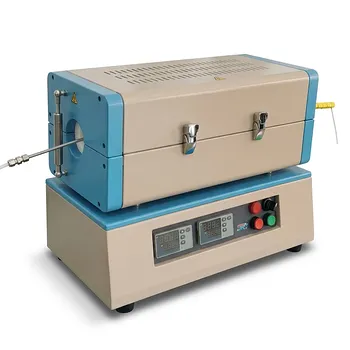
Gas Pre-Heating Tube Furnace for High Temperature Pyrolysis Reactors and Material Science Research
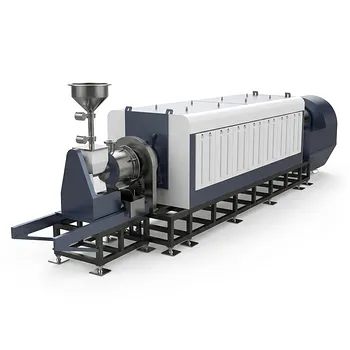
Electric Rotary Kiln Small Rotary Furnace Biomass Pyrolysis Plant
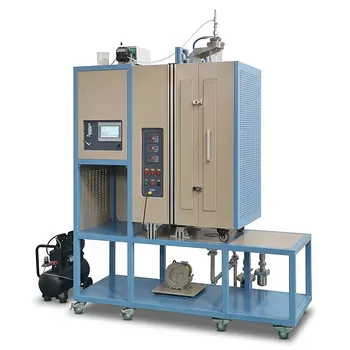
1500C Three Zone Vertical Pyrolysis Furnace for Nanoparticle Synthesis and Advanced Oxide Coating

High Temperature 1700C Vertical Tube Furnace for Powder Spherification and Material Sintering

Compact High Temperature 1600C Tube Furnace with 50mm Alumina Tube and Vacuum Flanges for Material Sintering
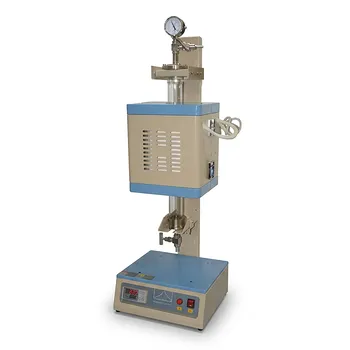
Compact Vertical Split Quartz Tube Furnace with Stainless Steel Vacuum Flanges for Rapid Thermal Quenching and Controlled Atmosphere Material Processing
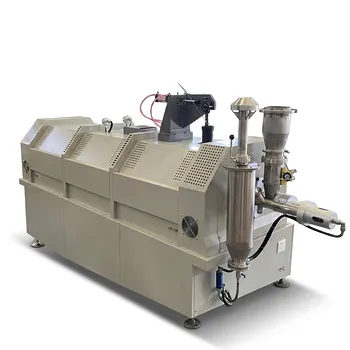
Electric Rotary Kiln Continuous Working Small Rotary Furnace Heating Pyrolysis Plant
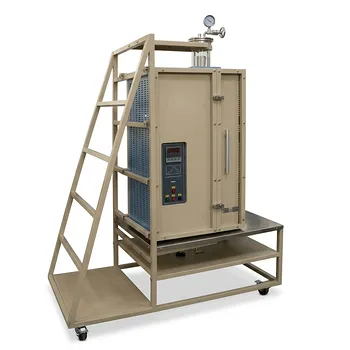
Split Vertical Tube Furnace with 1200C Quartz Tube and Stainless Steel Vacuum Flanges for Rapid Thermal Processing
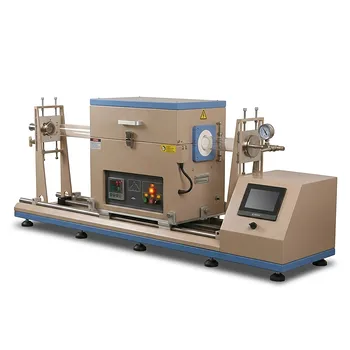
1200C Sliding Tube Furnace for Rapid Thermal Processing and CVD Graphene Growth with 100mm OD Capacity
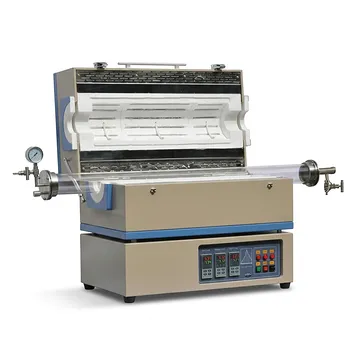
24 Inch Three Zone Split Tube Furnace with Optional Quartz Tube and Vacuum Flange System for High Temperature Material Synthesis
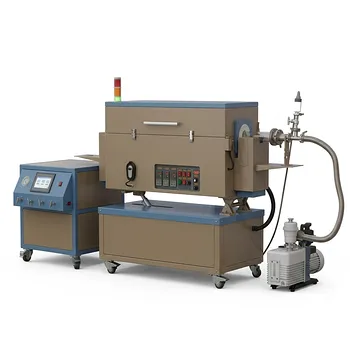
5 Inch Three Zone Rotary Tube Furnace with Integrated Gas Delivery System and 1200C Capability for Advanced Material CVD Processing
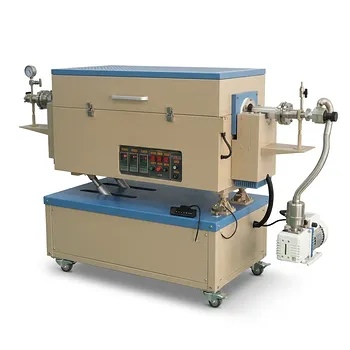
Three Zone Rotary Tube Furnace for High Temperature Powder Processing and Material Research

High Temperature Automated 5 Inch Tube Furnace for Autonomous Material Research and Advanced Laboratory R&D
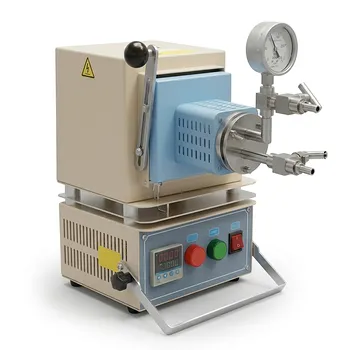
Compact Hybrid Muffle and Tube Furnace for 1000C Controlled Atmosphere Laboratory Material Sintering
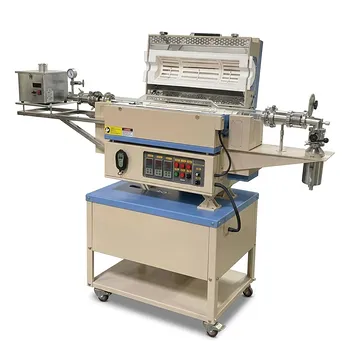
5 Inch Rotary Tube Furnace with Automatic Feeding and Receiving System 1200C Three Zone CVD Powder Processing
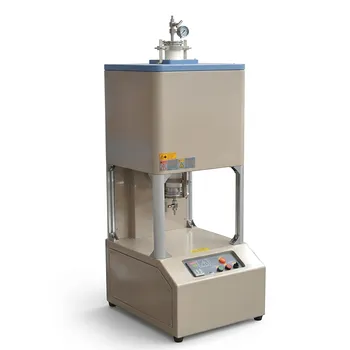
Vertical 1700C Vacuum and Atmosphere Tube Furnace with 80mm Alumina Tube
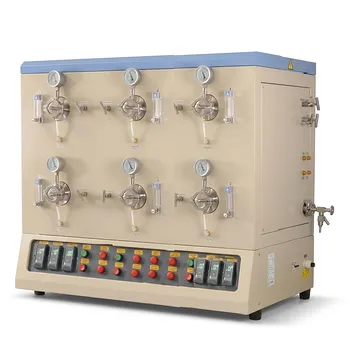
1200C High Throughput Multi Channel Tube Furnace with 50mm Quartz Tubes for Annealing and Material Phase Diagram Research
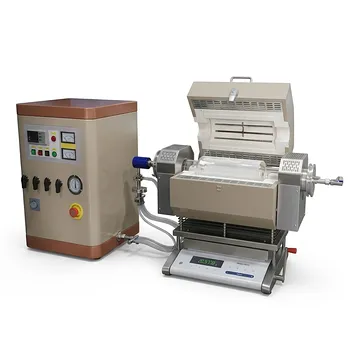
Mini Rotary Tubular Furnaces for Precision Powder Heat Treatment and Thermogravimetric Analysis
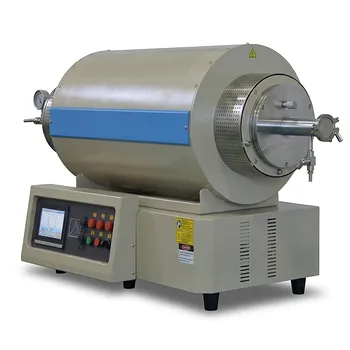
1200C Max Three Zone Tube Furnace 6 Inch OD Max with Tube and Flange
