Why is high-purity nitrogen required as a protective gas during the pyrolysis process of wind turbine blade composites?
Updated 3 months ago
High-purity nitrogen acts as a critical barrier that prevents the destructive oxidation of materials during thermal treatment. In the pyrolysis of wind turbine blade composites, nitrogen is used to displace oxygen from the furnace chamber, ensuring the organic resin matrix decomposes thermally rather than burning. This inert environment is the only way to recover high-quality solid residues and protect the underlying glass fibers from irreversible oxidative damage.
The primary purpose of high-purity nitrogen is to shift the chemical reaction from combustion to pyrolysis. By maintaining an oxygen-free atmosphere, the process preserves the structural integrity of the reinforcement fibers and the chemical potential of the carbonized resin.
Preventing the Shift from Pyrolysis to Combustion
The Chemistry of an Oxygen-Free Environment
Pyrolysis is defined as the thermal decomposition of organic material in the absence of oxygen. When high-purity nitrogen is introduced, it creates a strictly inert atmosphere that prevents the organic matrix of the composite from undergoing oxidative combustion.
Avoiding the "Ashing" Effect
Without a nitrogen shield, high temperatures would cause the composite’s resin to catch fire and burn away completely into ash. This uncontrolled reaction releases excessive heat and destroys the valuable carbon structures that could otherwise be recovered as biochar or solid residues.
Managing System Pressure and Flow
A continuous flow of nitrogen maintains a specific pressure within the furnace, which serves to purge residual air before the process begins. This ensures that even as the temperature rises to extreme levels, no stray oxygen molecules can trigger a combustion event.
Protecting the Integrity of Recovered Materials
Preserving Glass Fiber Quality
Wind turbine blades are reinforced with glass fibers that lose significant mechanical strength if exposed to oxygen at high temperatures. The nitrogen atmosphere prevents oxidative damage to these fibers, allowing them to be reclaimed and reused in new manufacturing cycles.
Developing Complex Carbon Structures
The inert environment allows the resin to transform into a stable carbonized structure. This process preserves the microporous structure and surface functional groups of the resulting carbon, which are essential for specialized applications like filtration or chemical catalysis.
Removing Volatile Organic Compounds (VOCs)
As the composite breaks down, it releases volatile gases that can interfere with the reaction or contaminate the solid residue. The continuous flow of nitrogen acts as a carrier gas, effectively removing these volatiles from the furnace chamber to ensure a clean final product.
Understanding the Trade-offs and Risks
The Cost of Purity
Using high-purity nitrogen increases the operational cost of the recycling process compared to using lower-grade inert gases. However, even trace amounts of oxygen can lead to "hot spots" where localized combustion occurs, leading to inconsistent product quality.
Nitrogen Flow Rate Sensitivity
If the nitrogen flow rate is too low, the system may fail to fully displace oxygen or remove VOCs, leading to fiber degradation. Conversely, an excessively high flow rate can lead to thermal inefficiencies by carrying away too much heat, increasing the energy required to maintain pyrolysis temperatures.
Equipment Dependency
The success of the nitrogen shield relies heavily on the airtight integrity of the furnace or reactor. Any mechanical leak can introduce oxygen, neutralizing the benefits of the high-purity nitrogen and potentially ruining an entire batch of processed material.
Making the Right Choice for Your Goal
To achieve the best results in wind turbine blade recycling, your nitrogen strategy must align with your recovery objectives.
- If your primary focus is Fiber Recovery: Maintain a strict, high-volume nitrogen purge to ensure zero oxidation, as glass fibers are highly sensitive to oxygen-induced brittleness at high temperatures.
- If your primary focus is Producing High-Quality Biochar: Prioritize a steady, continuous nitrogen flow to protect the development of the microporous structure and preserve surface functional groups for future chemical use.
- If your primary focus is Maximum Process Safety: Ensure the nitrogen system includes a pre-heating purge cycle to completely remove residual air from the chamber before the temperature reaches the ignition point of the resin.
Properly managed nitrogen gas is the difference between a high-value recycling operation and the simple destruction of composite waste.
Summary Table:
| Feature | Role of High-Purity Nitrogen | Impact on Material Recovery |
|---|---|---|
| Atmosphere Control | Displaces oxygen to prevent combustion | Preserves resin as biochar/carbon structures |
| Fiber Protection | Prevents oxidative damage to glass fibers | Maintains mechanical strength for recycling |
| VOC Removal | Acts as a carrier gas for volatiles | Ensures a clean final product and clean fibers |
| Process Safety | Purges residual air before ignition | Prevents localized "hot spots" and reactor damage |
Optimize Your Pyrolysis Efficiency with THERMUNITS
Achieving the perfect inert environment is critical for successful material recovery. THERMUNITS is a leading manufacturer of high-temperature laboratory equipment for material science and industrial R&D. We provide the precision atmosphere control you need to transform composite waste into high-value reclaimed materials.
Our Comprehensive Thermal Solutions:
- Atmosphere & Vacuum Furnaces: Specifically designed for oxygen-free pyrolysis and material carbonization.
- Tube & Rotary Furnaces: Ideal for continuous processing and uniform heat treatment of composites.
- Advanced Systems: Including CVD/PECVD, Hot Press, and Vacuum Induction Melting (VIM) furnaces for specialized R&D.
Don't let oxidation compromise your recovery quality. Contact our experts today to find the ideal furnace configuration for your lab's specific heat treatment needs!
References
- Zhengmin Wang, Fei You. Pyrolysis-recycling Utilization Properties Waste Wind Turbine Composite Blades. DOI: 10.61935/acetr.2.1.2024.p552
Mentioned Products
- 1500C Three Zone Vertical Pyrolysis Furnace for Nanoparticle Synthesis and Advanced Oxide Coating
- Electric Rotary Kiln Small Rotary Furnace Biomass Pyrolysis Plant
- Electric Rotary Kiln Continuous Working Small Rotary Furnace Heating Pyrolysis Plant
- Chemical Vapor Deposition CVD System Slide PECVD Tube Furnace with Liquid Gasifier PECVD Machine
People Also Ask
- Why is high-precision temperature control essential in a pyrolysis furnace? Master Pd NPs/NO-C Catalyst Synthesis
- What is the technical necessity of multiple high-temperature thermocouples in a pyrolysis furnace? Precision Control
- Why is it necessary to maintain a strict nitrogen (N2) atmosphere during the operation of a pyrolysis furnace? (Pro Tips)
- Why is Nitrogen (N2) required for 3D carbon electrodes? Ensure material purity and structural integrity.
- Why are precise nitrogen supply systems and flow meters necessary in the pyrolysis process? Optimize Purity & Yield.

Tech Team · ThermUnits
Last updated on Jun 03, 2026
Related Products
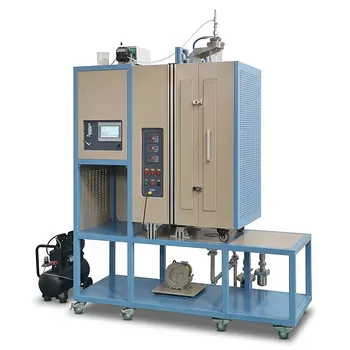
1500C Three Zone Vertical Pyrolysis Furnace for Nanoparticle Synthesis and Advanced Oxide Coating
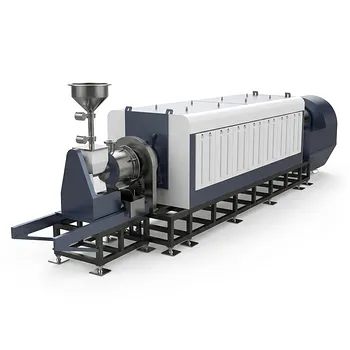
Electric Rotary Kiln Small Rotary Furnace Biomass Pyrolysis Plant
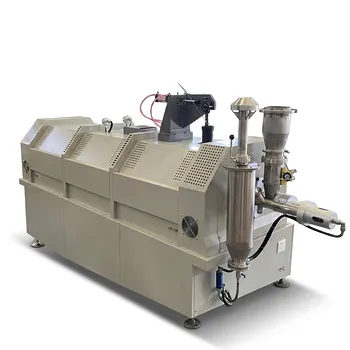
Electric Rotary Kiln Continuous Working Small Rotary Furnace Heating Pyrolysis Plant