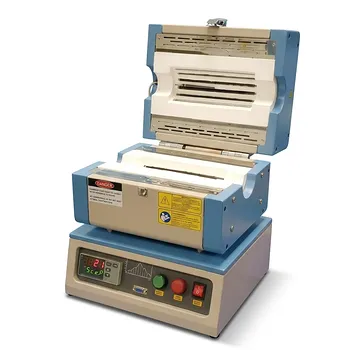
What is the role of a tube furnace in NSP? Master precision material synthesis and morphology control.
Updated 3 months ago
The tube furnace acts as the primary thermal reactor in nebulized spray pyrolysis (NSP), providing the controlled environment necessary for phase transformation. It serves as the high-temperature zone where aerosolized precursor droplets are converted into solid-state particles through a sequence of rapid solvent evaporation, solute precipitation, and thermal decomposition. By precisely managing the temperature gradient and residence time, the furnace dictates the final product's crystallinity, chemical purity, and spherical morphology.
The tube furnace is the critical engine of the NSP process, transforming liquid-phase precursors into high-performance solid nanomaterials. Its ability to maintain a uniform temperature field and a stable chemical atmosphere determines whether the resulting particles meet the specific structural and functional requirements of the application.
The Furnace as the Central Reaction Engine
Facilitating Rapid Solvent Evaporation
As the carrier gas transports nebulized droplets into the furnace, the high-temperature environment triggers immediate solvent evaporation. This rapid drying phase is the first step in shrinking the droplets and concentrating the metal salt precursors.
Driving Thermal Decomposition and Synthesis
Once the solvent is removed, the remaining solute undergoes thermal decomposition or chemical reactions, such as oxidation or carbonization. The furnace provides the activation energy required to break molecular bonds in the precursors and reform them into the desired inorganic or carbon-based structures.
Ensuring Particle Transformation Consistency
A stable temperature field within the furnace ensures that every droplet experiences a similar thermal history. This uniformity is vital for achieving a narrow particle size distribution and preventing inconsistencies in the material's final chemical state.
Precision Control of Material Properties
Optimizing Crystallinity and Phase Purity
The peak temperature within the tube furnace directly influences the atom mobility and grain growth of the synthesized material. High-precision control allows researchers to achieve high-crystallinity oxide particles or specific crystal phases that are essential for functional performance.
Managing Morphology through Residence Time
The duration the aerosol remains within the heating zone, known as residence time, determines the physical shape of the particles. Proper calibration of gas flow and furnace length ensures that particles have sufficient time to densify into solid spheres rather than remaining as porous or incomplete fragments.
Atmosphere-Specific Chemical Reactions
Many tube furnaces used in NSP are designed to handle specific atmospheres, such as reducing, oxidizing, or inert gases. This capability allows for precise stoichiometric control, ensuring that chemical reactions—like the carbonization of lignin or the formation of superconductors—occur under the exact environmental conditions required.
Understanding the Trade-offs and Challenges
The Risk of Non-Uniform Heating
In larger diameter tubes, a temperature gradient may exist between the furnace wall and the center of the gas stream. This can lead to a mixture of fully reacted and under-reacted particles, compromising the overall quality of the batch.
Balancing Throughput and Quality
Increasing the flow rate of the carrier gas boosts production speed but significantly reduces the residence time within the furnace. If the residence time is too short, the precursor may not fully decompose, resulting in residual precursors or poorly crystallized "amorphous" products.
Precursor Accumulation and Contamination
Over time, decomposed materials can deposit on the inner walls of the furnace tube. This accumulation can alter the thermal profile of the furnace or flake off, leading to cross-contamination of subsequent synthesis runs.
How to Optimize Your Furnace Setup
Selecting and configuring your tube furnace depends heavily on the specific material characteristics you aim to achieve.
- If your primary focus is high-crystallinity oxides: Prioritize a furnace with multi-stage programmable temperature control to allow for precise "soak" times at peak temperatures.
- If your primary focus is spherical, dense morphology: Focus on optimizing the balance between the furnace length and carrier gas flow rate to ensure an adequate residence time for particle densification.
- If your primary focus is sensitive chemical stoichiometry: Utilize an atmosphere-controlled tube furnace with high-quality seals to maintain a strict reducing or inert environment throughout the heating cycle.
By mastering the thermal and atmospheric variables of the tube furnace, you transform a simple heating element into a sophisticated tool for precision material engineering.
Summary Table:
| Process Stage | Role of the Tube Furnace | Impact on Final Material |
|---|---|---|
| Solvent Evaporation | Provides rapid, high-temperature heating | Shrinks droplets and concentrates precursors |
| Thermal Decomposition | Supplies activation energy for chemical reactions | Forms inorganic or carbon-based solid structures |
| Phase Transformation | Maintains a stable, uniform temperature field | Ensures high crystallinity and phase purity |
| Morphology Control | Regulates gas flow and residence time | Determines particle density and spherical shape |
| Atmosphere Control | Provides inert, oxidizing, or reducing environments | Enables precise chemical stoichiometry |
Elevate Your Material Research with THERMUNITS Precision
As a leading manufacturer of high-temperature laboratory equipment, THERMUNITS specializes in empowering material science and industrial R&D teams. Whether you are conducting Nebulized Spray Pyrolysis (NSP) or advanced CVD/PECVD processes, our high-precision Tube Furnaces, Vacuum Furnaces, and Atmosphere Furnaces provide the thermal stability and atmospheric control your synthesis requires.
Why Partner with THERMUNITS?
- Comprehensive Solutions: From Muffle, Tube, and Rotary furnaces to Hot Press and Vacuum Induction Melting (VIM) systems.
- Advanced Engineering: Specialized CVD/PECVD systems, Dental Furnaces, and Electric Rotary Kilns designed for precision.
- Proven Results: Achieve consistent crystallinity and superior morphology for your high-performance nanomaterials.
Ready to optimize your heat treatment process and achieve superior material performance? Contact THERMUNITS today to discuss your project requirements with our technical experts!
References
- Lishan Dong, Zhifeng Wang. Porous High-Entropy Oxide Anode Materials for Li-Ion Batteries: Preparation, Characterization, and Applications. DOI: 10.3390/ma17071542
Mentioned Products
- Gas Pre-Heating Tube Furnace for High Temperature Pyrolysis Reactors and Material Science Research
- 1500C Three Zone Vertical Pyrolysis Furnace for Nanoparticle Synthesis and Advanced Oxide Coating
- High Temperature 1700C Vertical Tube Furnace for Powder Spherification and Material Sintering
- High Temperature Hybrid Muffle and Tube Furnace with Vacuum Capability and PID Control
- 5 Inch Three Zone Rotary Tube Furnace with Integrated Gas Delivery System and 1200C Capability for Advanced Material CVD Processing
People Also Ask
- What is the function of a preheated high-temperature tube furnace in the rapid pyrolysis synthesis of carbon nitride films?
- What is the role of a high-temperature tube furnace in coal powder pyrolysis benchmarking? Achieve Precise Baselines.
- Why is high-precision temperature control essential in a pyrolysis furnace? Master Pd NPs/NO-C Catalyst Synthesis
- How does a high-temperature tube furnace facilitate the pyrolysis of PR-ZS hybrid aerogels into carbon aerogels?
- How is a laboratory tube heating furnace applied during the evaluation of denitration catalysts? Essential Guide

Tech Team · ThermUnits
Last updated on Jun 02, 2026
Related Products
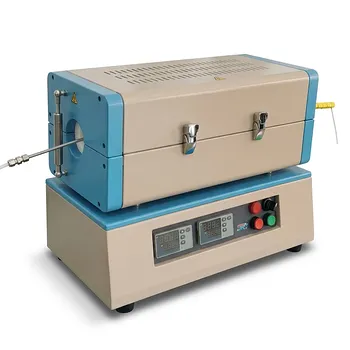
Gas Pre-Heating Tube Furnace for High Temperature Pyrolysis Reactors and Material Science Research
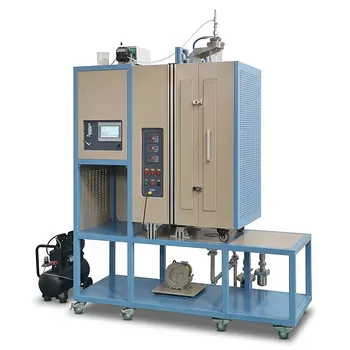
1500C Three Zone Vertical Pyrolysis Furnace for Nanoparticle Synthesis and Advanced Oxide Coating

High Temperature 1700C Vertical Tube Furnace for Powder Spherification and Material Sintering
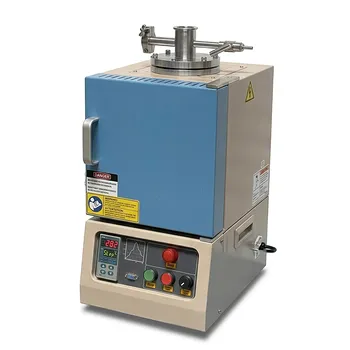
High Temperature Hybrid Muffle and Tube Furnace with Vacuum Capability and PID Control

5 Inch Three Zone Rotary Tube Furnace with Integrated Gas Delivery System and 1200C Capability for Advanced Material CVD Processing

Compact Vertical Split Quartz Tube Furnace with Stainless Steel Vacuum Flanges for Rapid Thermal Quenching and Controlled Atmosphere Material Processing

High Temperature 1700C Six Zone Split Tube Furnace with Alumina Tube and Water Cooled Flanges
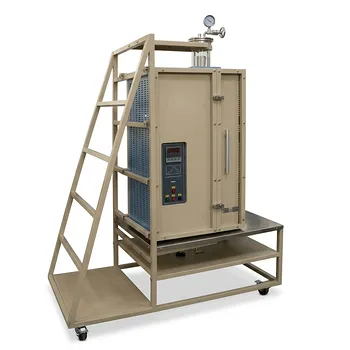
Split Vertical Tube Furnace with 1200C Quartz Tube and Stainless Steel Vacuum Flanges for Rapid Thermal Processing

Compact High Temperature 1600C Tube Furnace with 50mm Alumina Tube and Vacuum Flanges for Material Sintering

High Temperature Automated 5 Inch Tube Furnace for Autonomous Material Research and Advanced Laboratory R&D
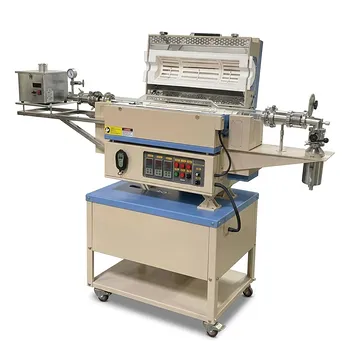
5 Inch Rotary Tube Furnace with Automatic Feeding and Receiving System 1200C Three Zone CVD Powder Processing

Vertical 1700C Vacuum and Atmosphere Tube Furnace with 80mm Alumina Tube
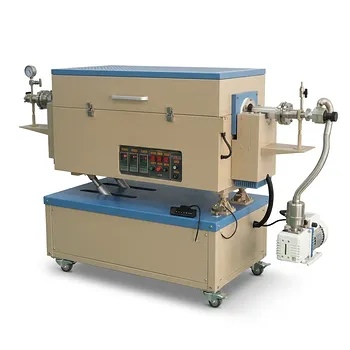
Three Zone Rotary Tube Furnace for High Temperature Powder Processing and Material Research
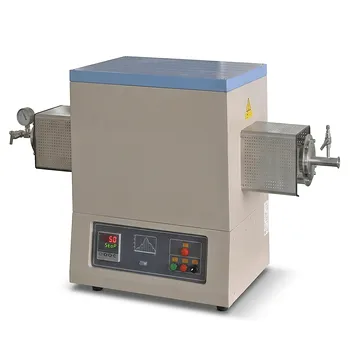
High Temperature 1700C Tube Furnace with 4 Inch OD Alumina Tube and Vacuum Sealing Flanges
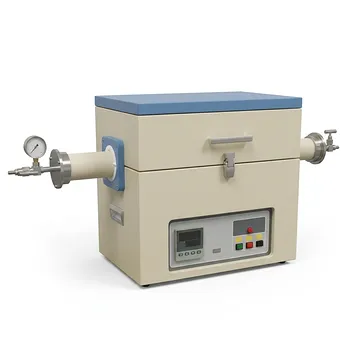
1250C Split Tube Furnace with 3 Inch Mullite Tube and Vacuum Sealing Flanges for Precision Thermal Processing
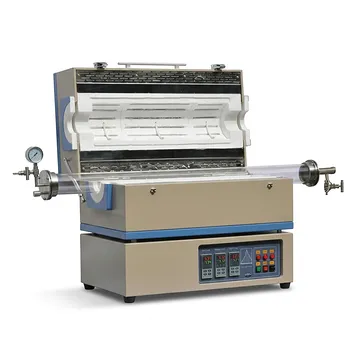
24 Inch Three Zone Split Tube Furnace with Optional Quartz Tube and Vacuum Flange System for High Temperature Material Synthesis
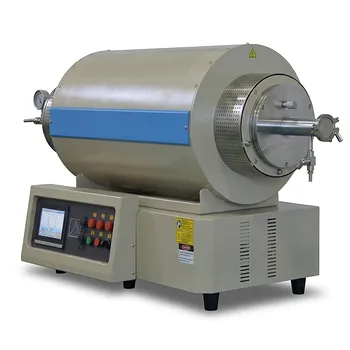
1200C Max Three Zone Tube Furnace 6 Inch OD Max with Tube and Flange

1800C High Temperature Compact Vacuum Tube Furnace with 60mm OD Alumina Tube and Kanthal MoSi2 Heating Elements
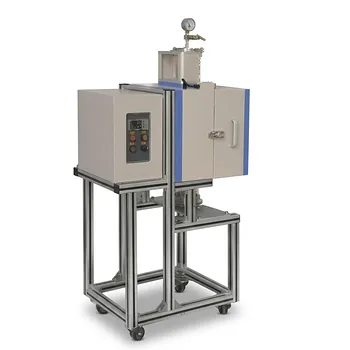
1200°C 5 Inch Vertical Quartz Tube Furnace with Stainless Steel Vacuum Flanges