Why is it necessary to incorporate a nitrogen supply system during the heating and transmission of steel wire in thermal experiments? | Stop Oxidation
Updated 3 months ago
The primary reason for incorporating a nitrogen supply system is to create an inert protective atmosphere that prevents surface oxidation of the steel wire. During high-temperature processes like austenitization, steel reacts rapidly with oxygen, forming a scale layer. This layer acts as an insulating barrier, which would otherwise skew thermal measurements and provide inaccurate data regarding the heat transfer between the metal and the cooling medium.
Core Takeaway: Nitrogen serves as a critical safeguard for data integrity by eliminating oxidation-induced thermal resistance, ensuring that researchers measure the true interface heat transfer characteristics rather than the insulating properties of metallic scale.
The Impact of Oxidation on Thermal Measurements
The Formation of Oxide Scale
High-temperature austenitization makes steel highly reactive to atmospheric oxygen. Without a nitrogen blanket, a layer of iron oxide forms almost instantly on the wire surface as it heats.
Scale as a Thermal Insulator
This oxide scale possesses significantly different thermal properties than the base metal. It introduces parasitic thermal resistance, which creates a "blanket effect" that slows down the rate of heat exchange.
Distortion of Experimental Results
If oxidation is present, the data collected reflects the thermal properties of the oxide layer rather than the steel itself. This leads to an underestimation of the metal's true cooling or heating rates in a lead bath.
Preserving the Integrity of the Heat Transfer Coefficient
Defining the Interface Characteristics
The primary goal of these thermal experiments is to measure the heat transfer coefficient between the metal surface and the lead bath. For this measurement to be valid, the interface must be clean and consistent.
The Role of Continuous Nitrogen Supply
By continuously flushing the furnace and transmission channels, the system displaces oxygen-rich air. This ensures that the steel wire remains "bright" and metallic throughout its journey from the furnace to the transmission zones.
Achieving Accurate Modeling
Maintaining a clean surface allows the experiment to capture the interface heat transfer characteristics accurately. This data is vital for developing precise mathematical models used in industrial steel processing.
Understanding the Trade-offs and Operational Challenges
Gas Purity and Flow Control
Using low-purity nitrogen or inconsistent flow rates can still allow minor oxidation to occur. It is essential to monitor the atmosphere to ensure it remains truly inert throughout the duration of the experiment.
System Sealing and Leakage
The effectiveness of a nitrogen system depends heavily on the mechanical integrity of the transmission channels. Even minor leaks can introduce enough oxygen to compromise the wire surface at high temperatures.
Impact on Thermal Equilibrium
While nitrogen prevents oxidation, the gas flow itself can potentially introduce a minor cooling effect. Researchers must balance the flow rate to ensure an inert environment without inadvertently altering the wire's temperature profile.
How to Apply This to Your Thermal Experiment
In thermal research, the environment is just as critical as the material being tested.
- If your primary focus is Maximum Data Precision: Maintain a slight positive pressure within the furnace and channels to ensure no ambient air can seep into the system.
- If your primary focus is Material Integrity: Monitor the surface of the steel wire post-experiment; any discoloration indicates a failure in the nitrogen supply or a leak in the transmission path.
- If your primary focus is Operational Cost: Optimize the seal design of your transmission channels to reduce the volume of nitrogen required to maintain an inert state.
Maintaining a controlled, inert environment is the only way to isolate and accurately measure the fundamental thermal properties of steel during high-temperature processing.
Summary Table:
| System Feature | Primary Benefit | Impact on Research Data |
|---|---|---|
| Inert Nitrogen Blanket | Prevents oxide scale formation | Eliminates parasitic thermal resistance |
| Continuous Flow | Displaces atmospheric oxygen | Maintains "bright" metallic wire surface |
| Positive Pressure | Stops ambient air leakage | Ensures accurate heat transfer coefficients |
| Atmosphere Control | Protects material integrity | Facilitates precise industrial modeling |
Elevate Your Research Precision with THERMUNITS
Precise atmospheric control is critical for data integrity in material science and industrial R&D. THERMUNITS is a leading manufacturer of advanced high-temperature laboratory equipment, specializing in solutions that eliminate experimental bias caused by oxidation.
Whether you require Atmosphere, Vacuum, Tube, or Muffle furnaces, our systems are engineered to provide the stable, inert environments necessary for accurate heat treatment analysis. We also offer Rotary kilns, CVD/PECVD systems, and Hot Press furnaces designed to meet the most demanding thermal processing standards.
Ready to optimize your thermal experiments? Contact our technical experts today to find the perfect thermal processing solution for your laboratory.
References
- Jan Hof, Christian Wuppermann. Experimental Determination of the Heat Transfer Coefficient of Wire Samples in an Industrial Lead Bath. DOI: 10.3390/app142311300
Mentioned Products
- 1650C Recirculating Steam Corrosion and Thermal Shock Testing Furnace with Integrated Water Vapor Generator and Automated Sample Delivery
- Compact High Temperature Bottom Loading Furnace 1700C Rapid Heating Cooling System Small Sample Thermal Cycling Equipment
- Three Temperature Zone Fast Heating Furnace 1500C Laboratory High Precision Thermal Processing System
- Multi Position Tube Furnace 1100C for Laboratory Material Research and Advanced Industrial Thermal Processing
- 1100°C Vertical Laboratory Furnace for DIY Tubular Reactors with PID Temperature Controller
People Also Ask
- What is the objective of a 100-hour thermal exposure test at 1000 °C on IN625/TiC? Evaluate Microstructural Stability
- What are the process advantages of using ultrafast high-temperature shock equipment? Revolutionize Anode Recycling.
- What function does a ceramic sample boat perform during the reforming of plastic powders? Optimize Thermal Conversion
- How does a laboratory tube furnace demonstrate the protective value of coatings? Test Durability for Silicon Production
- What role does a sessile drop furnace play in biochar-slag studies? Essential for Green Steelmaking.

Tech Team · ThermUnits
Last updated on Jun 03, 2026
Related Products
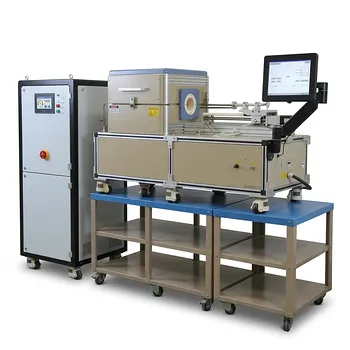
1650C Recirculating Steam Corrosion and Thermal Shock Testing Furnace with Integrated Water Vapor Generator and Automated Sample Delivery
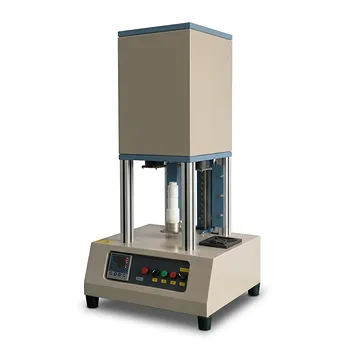
Compact High Temperature Bottom Loading Furnace 1700C Rapid Heating Cooling System Small Sample Thermal Cycling Equipment
Three Temperature Zone Fast Heating Furnace 1500C Laboratory High Precision Thermal Processing System
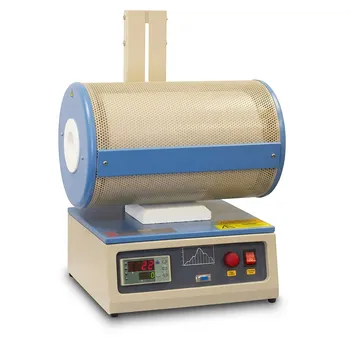
Multi Position Tube Furnace 1100C for Laboratory Material Research and Advanced Industrial Thermal Processing
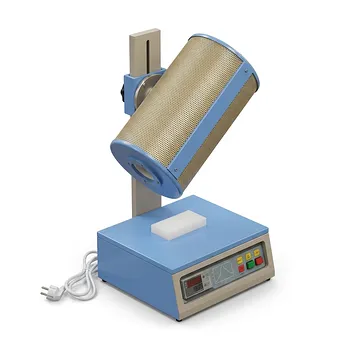
1100°C Vertical Laboratory Furnace for DIY Tubular Reactors with PID Temperature Controller
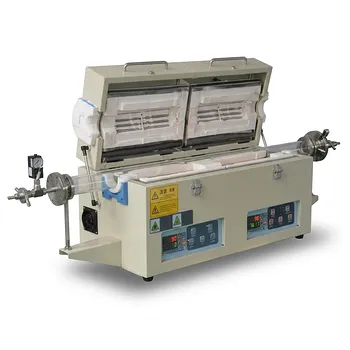
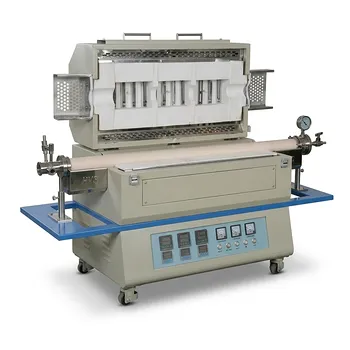
Elongated Two Temperature Zone Pipe Furnace for Industrial Heat Treatment and Material Science Research
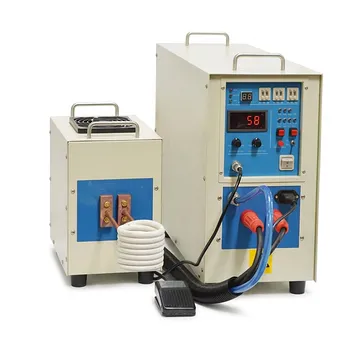
High Frequency Desktop Induction Heater 15 KVA Induction Heating System with Automatic Timer Control for Material Research and Metal Melting
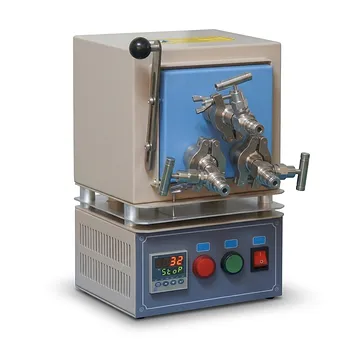
Triple Tube Compact Hybrid Muffle Furnace 1000C High Vacuum Thermal Processing System