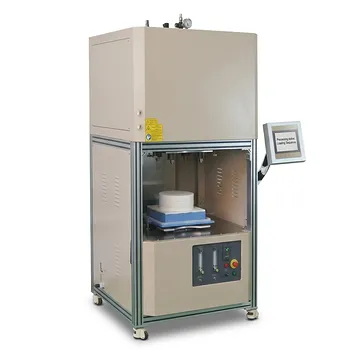
What role does a sessile drop furnace play in biochar-slag studies? Essential for Green Steelmaking.
Updated 3 months ago
A high-temperature sessile drop test furnace is the primary tool for quantifying the interfacial behavior between biochar and molten slag. It allows researchers to measure the contact angle and wettability of slag droplets on biochar surfaces in real-time under extreme thermal conditions. By simulating the environment of an Electric Arc Furnace (EAF) at temperatures up to 1600 °C, this equipment provides the empirical data necessary to determine if a specific biochar can effectively sustain foaming slag.
The sessile drop test furnace transforms biochar research from theoretical material science into practical metallurgy by providing high-resolution, dynamic data on slag-biochar adhesion. This information is critical for ensuring that biochar can serve as a viable, sustainable replacement for fossil-based carbon in industrial steelmaking.
Simulating the Extreme Environments of Steelmaking
Reaching High-Temperature Thresholds
Unlike standard preparation furnaces that operate between 300 °C and 750 °C for pyrolysis, the sessile drop furnace reaches 1600 °C. This is essential because the interaction between carbon and slag only becomes relevant to steelmaking at these melting points.
Precise Atmosphere Control
The furnace maintains a strictly controlled atmosphere to prevent the premature oxidation of the biochar. This ensures that the observed interactions are purely between the molten slag and the carbon matrix, reflecting the actual chemistry occurring within a submerged arc or EAF.
Quantifying Interfacial Dynamics
High-Resolution Imaging for Contact Angle Analysis
The core of this equipment is its high-resolution imaging system, which captures the profile of a slag droplet as it rests on a biochar substrate. By measuring the contact angle, researchers can calculate the "wettability," which determines how easily the slag spreads across the carbon surface.
Assessing Adhesion and Foaming Stability
The degree of adhesion between the slag and biochar directly impacts the stability of foaming slag. A specialized furnace provides the dynamic data needed to predict if the biochar will stay in contact with the slag long enough to facilitate the gas-generating reactions required for a stable foam.
Understanding the Trade-offs
Static Testing vs. Dynamic Industrial Flow
The sessile drop test is a static measurement, meaning it observes a stationary droplet on a stationary surface. While excellent for fundamental chemistry, it may not fully capture the turbulent kinetic energy and mechanical stirring present in a real-world industrial furnace.
Complexity of Slag Chemistry
Slag is a complex mixture of oxides, and its behavior can change drastically with even minor variations in composition. A sessile drop furnace provides highly accurate data for a specific sample, but users must perform multiple iterations with different slag recipes to ensure the biochar is robust across various operating conditions.
How to Apply This to Your Project
Identifying the right role for this equipment depends on your stage of material development.
- If your primary focus is material preparation: Use high-temperature tube or muffle furnaces (300-750 °C) to control the biochar’s initial pore structure and surface functional groups.
- If your primary focus is industrial performance testing: Use the sessile drop furnace (up to 1600 °C) to evaluate how those prepared structures actually interact with molten iron and slag.
- If your primary focus is sustainability in steelmaking: Leverage the sessile drop data to select biochars with the highest adhesion scores, as these are the most likely to successfully replace anthracite in EAF injection.
By utilizing high-temperature sessile drop testing, you move beyond simple carbonization and begin to master the complex interfacial chemistry required for modern green steelmaking.
Summary Table:
| Feature | Capability | Industrial Benefit |
|---|---|---|
| Temperature Range | Up to 1600 °C | Simulates Electric Arc Furnace (EAF) conditions |
| Imaging System | High-resolution Dynamic Capture | Accurate contact angle and wettability measurement |
| Atmosphere Control | Precise Inert/Reactive Gas | Prevents premature biochar oxidation during testing |
| Analytical Focus | Interfacial Adhesion | Predicts stability of foaming slag for green steel |
Elevate Your Metallurgy Research with THERMUNITS
As a leading manufacturer of high-temperature laboratory equipment for material science, THERMUNITS empowers researchers with the precision tools required for advanced industrial R&D. Our specialized thermal solutions—including Muffle, Vacuum, Atmosphere, Tube, Rotary, and Hot Press furnaces, as well as CVD/PECVD systems, Vacuum Induction Melting (VIM), and Electric Rotary Kilns—are engineered to deliver consistent results under extreme conditions.
Whether you are analyzing biochar-slag interactions or perfecting heat treatment processes, our equipment provides the reliability your lab demands. Contact our experts today to find the perfect furnace for your application and join the forefront of sustainable material innovation!
References
- Christopher DiGiovanni, Thomas Echterhof. Progress Toward Biocarbon Utilization in Electric Arc Furnace Steelmaking: Current Status and Future Prospects. DOI: 10.1007/s40831-024-00940-0
Mentioned Products
- 1600C High Temperature Automatic Bottom Loading Furnace for Thermal Shock Cycling and Material Fatigue Testing
- 1200 C Maximum Three Sided Heating Top Loading Furnace with 12 x 12 x 8 Inch Chamber for Solid Oxide Fuel Cell Testing and High Temperature RD
- High Temperature 1700C Vertical Tube Furnace for Powder Spherification and Material Sintering
- High Temperature 1700C Six Zone Split Tube Furnace with Alumina Tube and Water Cooled Flanges
- High Temperature Vertical Hybrid Furnace with Alumina Tube and SiC Heating for SOFC Coin Cell Testing and Atmosphere Processing
People Also Ask
- What are the advantages of using a Bottom-Loading High-Temperature Furnace in Barium Titanate Fast Firing? Superior Microstructure
- What is the objective of a 100-hour thermal exposure test at 1000 °C on IN625/TiC? Evaluate Microstructural Stability
- How does sintering in a 1600°C box furnace affect high-entropy thermistor ceramics? Achieve 98%+ Densification
- What are the process advantages of using ultrafast high-temperature shock equipment? Revolutionize Anode Recycling.
- How does precise temperature control up to 900 °C impact activated carbon adsorption? Optimize Pore Size & Surface Area

Tech Team · ThermUnits
Last updated on Jun 02, 2026
Related Products
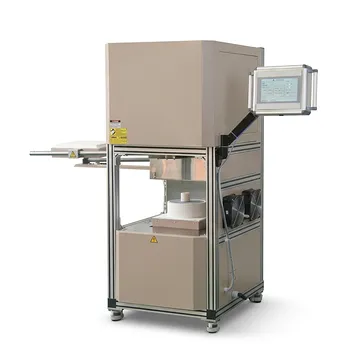
1600C High Temperature Automatic Bottom Loading Furnace for Thermal Shock Cycling and Material Fatigue Testing
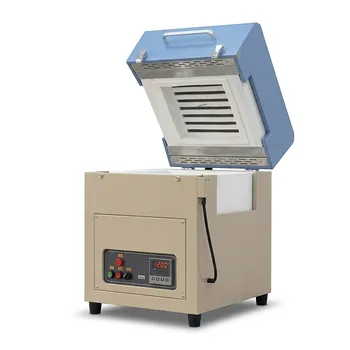
1200 C Maximum Three Sided Heating Top Loading Furnace with 12 x 12 x 8 Inch Chamber for Solid Oxide Fuel Cell Testing and High Temperature RD

High Temperature 1700C Vertical Tube Furnace for Powder Spherification and Material Sintering

High Temperature 1700C Six Zone Split Tube Furnace with Alumina Tube and Water Cooled Flanges
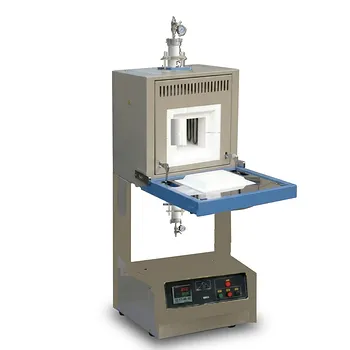
High Temperature Vertical Hybrid Furnace with Alumina Tube and SiC Heating for SOFC Coin Cell Testing and Atmosphere Processing
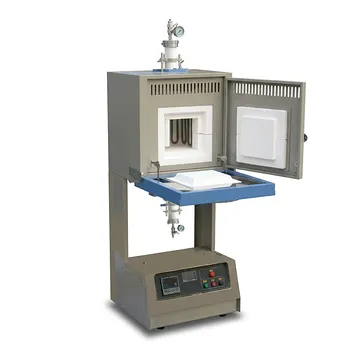
Vertical Hybrid High Temperature Furnace 1500C Alumina Tube SOFC Fuel Cell Testing Laboratory Heat Treatment Research Equipment
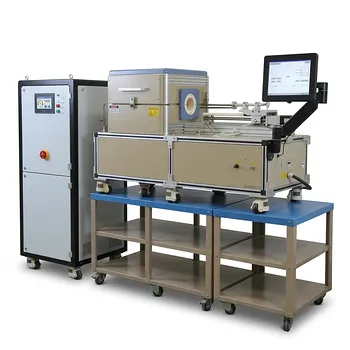
1650C Recirculating Steam Corrosion and Thermal Shock Testing Furnace with Integrated Water Vapor Generator and Automated Sample Delivery

High Temperature 1700C Tube Furnace with High Vacuum Turbomolecular Pump System and Multi Channel Mass Flow Controller Gas Mixer
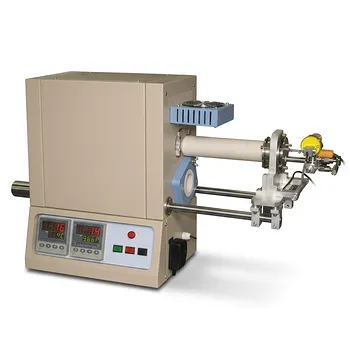
High Temperature Tube Furnace 1500C with Sliding Flanges and 50mm OD for Rapid Thermal Processing Fast Heating and Cooling
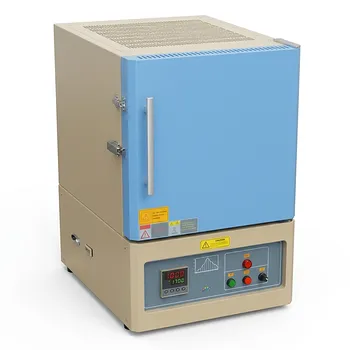
Large Bench Top 1700C High Temperature Muffle Furnace with 19L Chamber for Advanced Material Sintering and Annealing
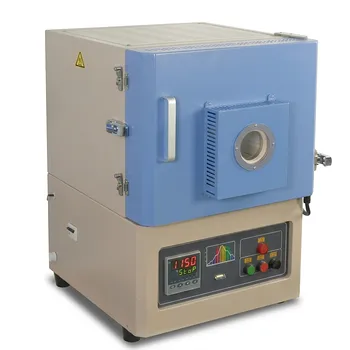
High Temperature Benchtop Muffle Furnace with Quartz Observation Window for Thermal Imaging and Material Analysis
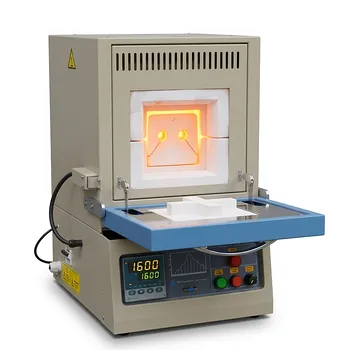
High Temperature Compact Muffle Furnace 1700 C with 30 Segment Programmable Controller and 1.7L Cubic Chamber
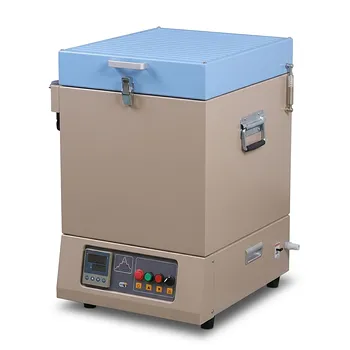
High Temperature Vertical Crucible Furnace with 22L Heating Chamber and 1200C Maximum Temperature
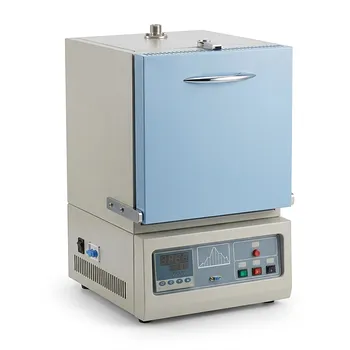
1750C Compact Muffle Furnace 1.7L Ultra High Temperature Laboratory Sintering System for Advanced Ceramics and Material Science Research
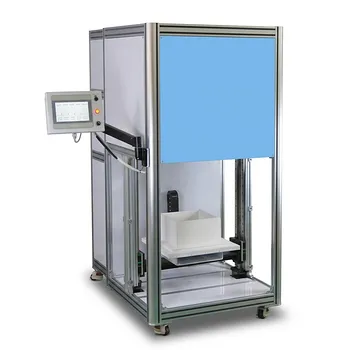
High Temperature 1600°C Three Zone Heated Bottom Loading Box Furnace with Rapid Thermal Processing Chamber 72L Volume
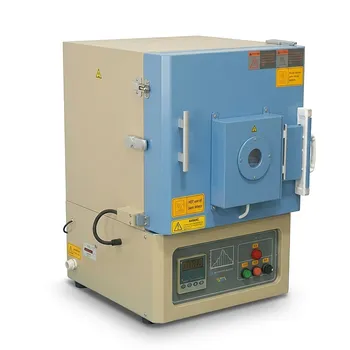
High Temperature Benchtop Muffle Furnace 1500C with 3.6L Chamber and Quartz Observation Window
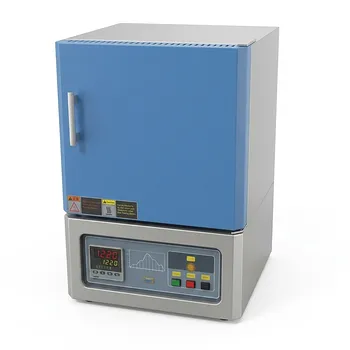
High Temperature Benchtop Muffle Furnace 1700C 10L Chamber Alumina Fiber Insulation MoSi2 Heating Elements
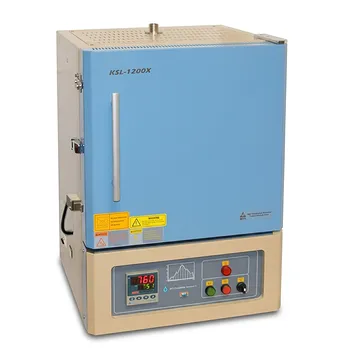
High Temperature 1200C Muffle Furnace 27L Volume 12x12x12 Chamber with Programmable PID Controller for Laboratory Material Science
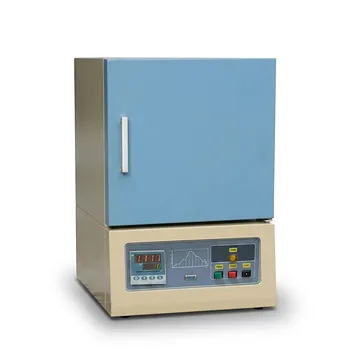
Ultra High Temperature Bench Top Muffle Furnace 1750C Sintering System with Kanthal Super Heating Elements and Precision Digital Control