What function does a ceramic sample boat perform during the reforming of plastic powders? Optimize Thermal Conversion
Updated 3 months ago
The ceramic sample boat serves as a high-temperature crucible and thermal conductor. During the reforming of plastic powders like Polyethylene (PE) or Polypropylene (PP), it acts as a specialized carrier that positions raw materials in the optimal thermal zone. By maintaining the material’s proximity to the heating element, the boat maximizes heat transfer efficiency, which is critical for the melting and gasification stages of the reforming reaction.
Core Takeaway: A ceramic sample boat is a critical component for optimizing the conversion rate of plastic powders by providing a chemically inert, high-temperature environment that ensures efficient heat absorption and controlled gasification.
Maximizing Thermal Efficiency and Conversion
Proximity to the Heat Source
The primary function of the boat is to hold plastic powders directly beneath the furnace's heating wire. This specific positioning ensures that the raw materials receive the most intense and consistent thermal energy available.
Enhancing Heat Transfer
By acting as a stable platform, the ceramic boat facilitates rapid melting and gasification. This efficient energy transfer is essential for breaking down complex plastic polymers into the desired chemical outputs during the reforming process.
Maintaining Chemical and Structural Integrity
Ensuring Chemical Inertness
Ceramic materials are chosen for their excellent chemical stability, ensuring the boat does not react with the plastic powders at high temperatures. This prevents contamination of the sample and ensures that no unwanted side reactions interfere with the reforming results.
Resilience to Thermal Shock
Reforming processes involve significant temperature fluctuations that can cause lesser materials to crack. The ceramic boat’s thermal shock resistance allows it to withstand rapid heating and cooling cycles without structural failure.
Managing the Reaction Environment
Controlling Gas Flow and Delivery
The physical geometry of the boat helps regulate the flow of gases over the surface of the melting plastic. This controlled environment is vital for the stable generation and delivery of vapors produced during the gasification phase.
Containing the Phase Transition
As plastic powder transitions from a solid to a molten state and finally to a gas, the boat provides a secure vessel that prevents the liquid phase from spreading. This containment ensures the reaction remains localized and measurable.
Understanding the Trade-offs
Material Fragility vs. Performance
While ceramic boats offer superior heat resistance, they are inherently brittle and susceptible to mechanical impact. Dropping or mishandling the boat can result in immediate fracture, unlike metal alternatives.
Porosity and Cleaning Challenges
Depending on the specific ceramic used (such as alumina), some boats may have micro-porosity. Over time, residual carbon or byproducts from the plastic reforming process can become trapped, potentially requiring specialized high-heat cleaning cycles to prevent cross-contamination between experiments.
How to Optimize Your Reforming Process
Choosing the Right Approach
- If your primary focus is maximizing conversion rates: Ensure the ceramic boat is placed in the "sweet spot" of the furnace, directly aligned with the heating elements to exploit maximum radiant heat.
- If your primary focus is sample purity: Select a high-purity alumina boat with low porosity to minimize the risk of chemical interaction or retention of previous sample residues.
- If your primary focus is gasification stability: Monitor the depth of the plastic powder within the boat; a thinner, more even layer typically allows for more consistent gas release.
By leveraging the thermal and chemical properties of a ceramic sample boat, you transform a simple container into a precision tool for efficient plastic polymer conversion.
Summary Table:
| Function | Impact on Reforming Process |
|---|---|
| Heat Transfer | Directs thermal energy for efficient melting and gasification |
| Chemical Stability | Ensures high-purity results with zero material reaction |
| Thermal Shock Resistance | Durable performance during rapid heating and cooling cycles |
| Reaction Containment | Prevents liquid spreading and manages stable gas delivery |
Advance Your Research with THERMUNITS
As a global leader in high-temperature laboratory equipment, THERMUNITS empowers material science and industrial R&D with high-performance thermal solutions. Whether you are performing plastic reforming, CVD/PECVD, or advanced sintering, our comprehensive range—including Tube, Muffle, Vacuum, and Atmosphere Furnaces—is designed for precision and reliability.
Why Choose THERMUNITS?
- Superior Accuracy: Precise temperature control for complex chemical reactions.
- Comprehensive Catalog: From Rotary Kilns and VIM furnaces to high-quality Thermal Elements and Dental Furnaces.
- Expert Support: Solutions tailored to the demanding needs of modern heat treatment and material processing.
Maximize your laboratory's efficiency and achieve superior conversion rates. Contact our experts today to discuss your specific application!
References
- Qing Ma, Ding Ma. Grave-to-cradle dry reforming of plastics via Joule heating. DOI: 10.1038/s41467-024-52515-y
Mentioned Products
- Compact High Temperature Bottom Loading Furnace 1700C Rapid Heating Cooling System Small Sample Thermal Cycling Equipment
- 1800C Bench Top Muffle Furnace 18 Liters with Kanthal Super 1900 Heating Elements for High Purity Ceramic Sintering and Material Research
- High Temperature Rocking Tube Furnace with Quartz Tube and Vacuum Flange for Materials Synthesis
- High Temperature Hydrogen Atmosphere Box Furnace 1650C Max Reducing Environment Material Synthesis System 8x8x8 Chamber
- Compact 1000C Muffle Furnace with Programmable Controller and 2 Inch Top Port for Vacuum and Atmosphere Material Research
People Also Ask
- What are the advantages of using a Bottom-Loading High-Temperature Furnace in Barium Titanate Fast Firing? Superior Microstructure
- What are the advantages of using a rapid heating box furnace for catalyst precursor transformation in MS-SOECs? Boost Efficiency
- How should the choice between a Quartz crucible and an Alumina crucible be made for La2O2S? Optimize Material Purity
- Why is a laboratory box furnace used for the pre-oxidation treatment of lotus-root-like nanofibers? Boost Porosity
- Why is a laboratory oven required during the preparation of Li3V2(PO4)3 gel precursors? Ensure Stoichiometric Precision

Tech Team · ThermUnits
Last updated on Jun 03, 2026
Related Products
Compact High Temperature Bottom Loading Furnace 1700C Rapid Heating Cooling System Small Sample Thermal Cycling Equipment
1800C Bench Top Muffle Furnace 18 Liters with Kanthal Super 1900 Heating Elements for High Purity Ceramic Sintering and Material Research
High Temperature Rocking Tube Furnace with Quartz Tube and Vacuum Flange for Materials Synthesis
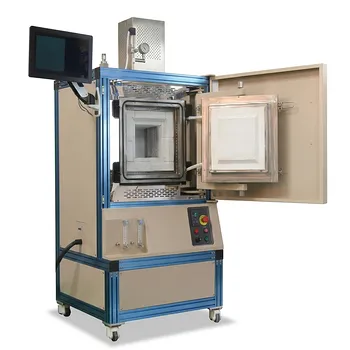
High Temperature Hydrogen Atmosphere Box Furnace 1650C Max Reducing Environment Material Synthesis System 8x8x8 Chamber
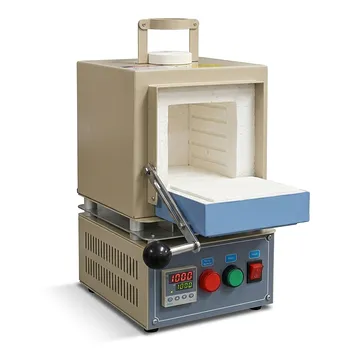
Compact 1000C Muffle Furnace with Programmable Controller and 2 Inch Top Port for Vacuum and Atmosphere Material Research
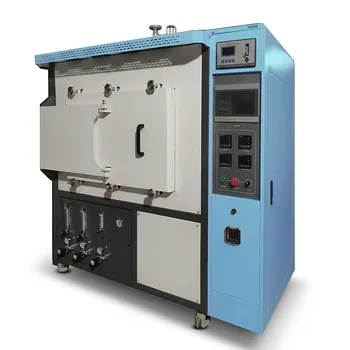
Roller Table Atmosphere Furnace 1500C High Temperature Battery Material Sintering System 112L Capacity
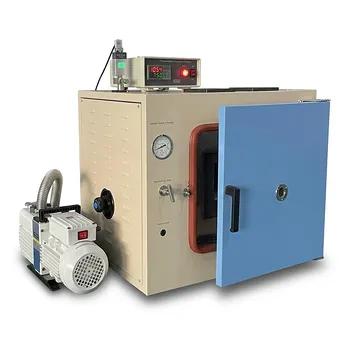
Compact High Vacuum Box Furnace 1050C Max 6.2L Ceramic Chamber Stainless Steel Shell Programmable Temperature Controller for Material Science Research
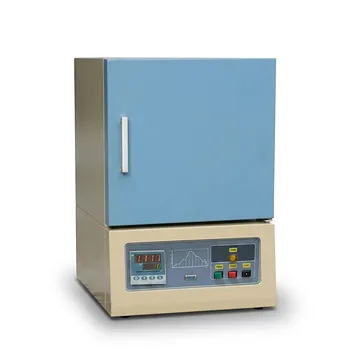
Ultra High Temperature Bench Top Muffle Furnace 1750C Sintering System with Kanthal Super Heating Elements and Precision Digital Control
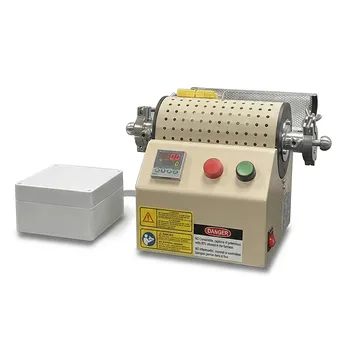
1000C Mini Tube Furnace with 20mm Quartz Tube and Vacuum Flanges for Material Science Research and Controlled Atmosphere Small Sample Processing
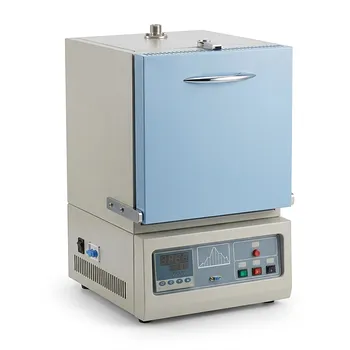
1750C Compact Muffle Furnace 1.7L Ultra High Temperature Laboratory Sintering System for Advanced Ceramics and Material Science Research
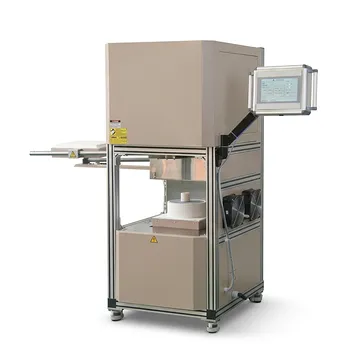
1600C High Temperature Automatic Bottom Loading Furnace for Thermal Shock Cycling and Material Fatigue Testing
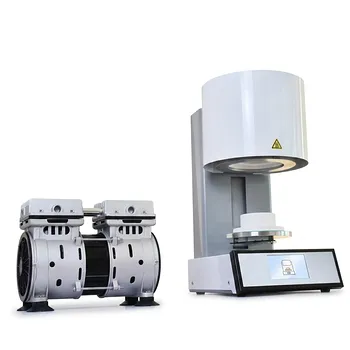
Vacuum Dental Porcelain Sintering Furnace for High Precision Ceramic Restorations
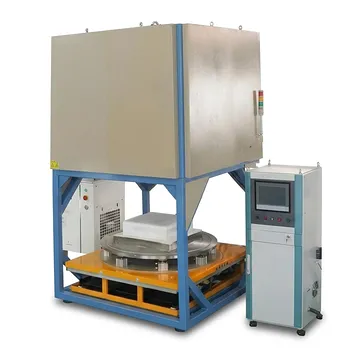
Bottom Loaded Inert Gas Atmosphere Box Furnace 1400C Maximum Temperature 125L High Capacity Laboratory Heat Treatment System
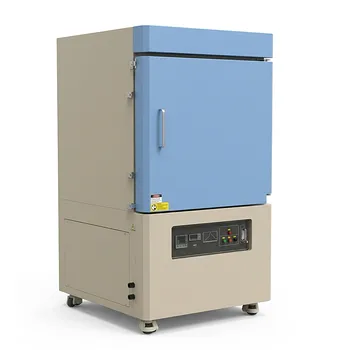
Industrial Large Box Furnace 1700C 216L High Temp Muffle Sintering System
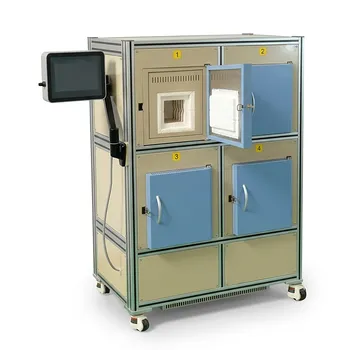
High Temperature Four Chamber Box Furnace for High Throughput Materials Research and Space Saving Thermal Processing
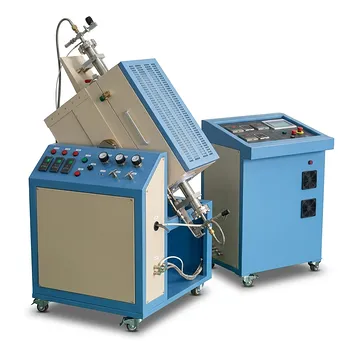
1100C High Pressure Rocking Tube Furnace with 2 Inch Super Alloy Processing Tube for Material Synthesis
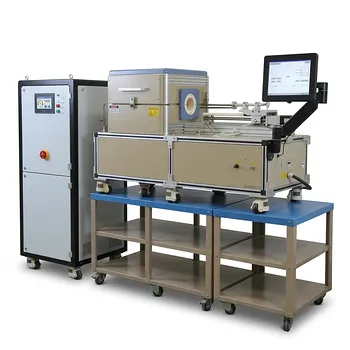
1650C Recirculating Steam Corrosion and Thermal Shock Testing Furnace with Integrated Water Vapor Generator and Automated Sample Delivery
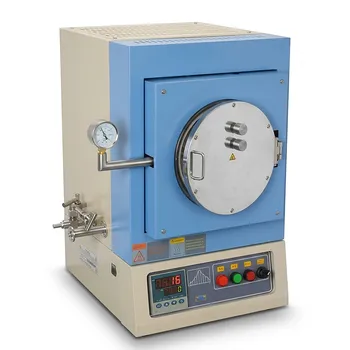
1100°C High Temperature Quartz Chamber Furnace 8 Inch OD with 7.6 Liter Capacity and Vacuum Atmosphere Capability
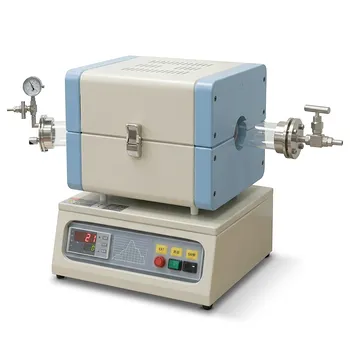
1200C Tube Furnace with Internal Magnetic Sample Sliding for Direct Vaporizing Deposition and Rapid Thermal Processing