What are the process advantages of using ultrafast high-temperature shock equipment? Revolutionize Anode Recycling.
Updated 5 months ago
Ultrafast high-temperature shock (HTS) equipment revolutionizes anode recycling by reducing processing time from several hours to approximately 60 seconds. This method utilizes extreme thermal stress to engineer "Defect-Rich Graphite" (DRG), which significantly enhances lithium-ion diffusion kinetics compared to the slow, equilibrium-based heating of traditional tube furnaces.
HTS technology shifts graphite recycling from a slow thermal equilibrium process to a kinetic-dominated transient event. This transition allows for the intentional introduction of functional defects and expanded layers that dramatically improve battery performance while slashing energy consumption.
Transforming Process Kinetics from Hours to Seconds
Radical Reduction in Processing Time
Traditional tube furnaces require hours for heating and cooling cycles to achieve the necessary temperature for graphite regeneration. HTS achieves superior thermal objectives in approximately 60 seconds, representing a massive leap in operational efficiency and throughput.
Thermal Pulse vs. Steady State
Unlike the slow ramp-up of tube furnaces, HTS utilizes transient thermal pulses to reach extreme temperatures almost instantly. This rapid cycling minimizes energy waste and prevents the excessive grain coarsening that typically occurs during prolonged exposure to heat.
Energy Efficiency and Volatilization Control
The ultra-short heating window of HTS inhibits the volatilization of specific material components that would otherwise be lost in a tube furnace. This efficiency not only saves energy but also ensures the chemical integrity of the recycled material is preserved.
Engineering High-Performance Material Structures
Creation of Defect-Rich Graphite (DRG)
Extreme thermal stress and rapid thermal cycling introduce significant dislocations and defects within the graphite layers. These defects act as active sites that greatly accelerate the kinetic diffusion of lithium ions, converting spent material into high-performance DRG.
Explosive Expansion of Graphite Layers
HTS triggers the instantaneous gasification of intercalation compounds within the graphite layers. This "explosive expansion" opens the layered structure more thoroughly than traditional methods, creating a richer porous structure for ion transport.
Inhibition of Particle Agglomeration
By operating in a kinetic-dominated regime, HTS effectively suppresses the migration and agglomeration of nanoparticles. This results in more uniform distribution and smaller particle sizes, which are essential for shortening electron diffusion paths in battery applications.
Understanding the Trade-offs
High Defect Density vs. Crystallinity
While HTS creates high-performance DRG, traditional furnaces produce graphite with fewer lattice defects. For specific industrial applications requiring maximum theoretical crystallinity over rapid discharge performance, the "perfect" structure of traditional heating may be preferred.
Atmospheric and Equipment Stress
The extreme heating and cooling rates of HTS place significant thermal stress on the equipment itself, requiring specialized materials for the heating elements. Furthermore, maintaining a strict argon atmosphere is mandatory to prevent oxidation during the high-energy shock process.
Making the Right Choice for Your Goal
Selecting the appropriate thermal processing method depends on whether your priority is structural perfection or electrochemical speed.
- If your primary focus is high-rate battery performance and throughput: HTS is the superior choice because it engineers the defect-rich structures and porous layers necessary for rapid ion diffusion in under a minute.
- If your primary focus is maximizing structural crystallinity and minimizing defects: Traditional tube furnaces are more appropriate, as their slow heating rates allow for the repair of lattice defects and the formation of a more uniform, pristine graphite structure.
By leveraging kinetic-dominated thermal shock, HTS offers a faster, more energy-efficient pathway to converting spent anodes into high-performance battery materials.
Summary Table:
| Feature | HTS Equipment | Traditional Tube Furnace |
|---|---|---|
| Processing Time | ~60 Seconds | Several Hours |
| Thermal State | Transient Thermal Pulses | Thermal Equilibrium |
| Material Structure | Defect-Rich Graphite (DRG) | High Lattice Crystallinity |
| Energy Efficiency | High (Minimal Waste) | Lower (Long Cycles) |
| Ion Diffusion | Significantly Accelerated | Standard Diffusion Rates |
Optimize Your Thermal Processing with THERMUNITS
As a global leader in high-temperature laboratory equipment for material science and industrial R&D, THERMUNITS empowers researchers to push the boundaries of battery technology and material synthesis. Whether you are implementing cutting-edge High-Temperature Shock techniques or require stable, high-precision thermal environments, our comprehensive catalog is designed to meet your most demanding specifications.
Our Specialized Solutions Include:
- Advanced Furnaces: Muffle, Vacuum, Atmosphere, Tube, Rotary, and Hot Press systems.
- Thin Film & Deposition: High-performance CVD and PECVD systems.
- Specialized Melting: Vacuum Induction Melting (VIM) and electric rotary kilns.
- Precision Components: High-quality Thermal Elements and laboratory heat treatment accessories.
Accelerate your R&D throughput and enhance material performance with our industry-leading technology. Contact THERMUNITS today to find the perfect thermal processing solution for your laboratory!
References
- Xiaoya Cui, Yanan Chen. Ultrafast micro/nano-manufacturing of metastable materials for energy. DOI: 10.1093/nsr/nwae033
Mentioned Products
- 1650C Recirculating Steam Corrosion and Thermal Shock Testing Furnace with Integrated Water Vapor Generator and Automated Sample Delivery
- 1600C High Temperature Automatic Bottom Loading Furnace for Thermal Shock Cycling and Material Fatigue Testing
- High Temperature Ultrafast Heating Pressing Furnace 2900C Max 100kgf Rapid Thermal Processing System
- 1750C Bench Top Muffle Furnace 3.6L High Grade Molybdenum Disilicide Heating Elements Laboratory Heat Treatment Equipment
- 1200°C High Temperature Muffle Furnace 19L Chamber with 50 Segment Programmable Controller
People Also Ask
- What is the objective of a 100-hour thermal exposure test at 1000 °C on IN625/TiC? Evaluate Microstructural Stability
- What function does a ceramic sample boat perform during the reforming of plastic powders? Optimize Thermal Conversion
- How does a laboratory tube furnace demonstrate the protective value of coatings? Test Durability for Silicon Production
- What role does a sessile drop furnace play in biochar-slag studies? Essential for Green Steelmaking.
- What key conditions do large quartz tube corrosion test furnaces provide for hot corrosion evaluations at 900 °C?

Tech Team · ThermUnits
Last updated on Apr 14, 2026
Related Products
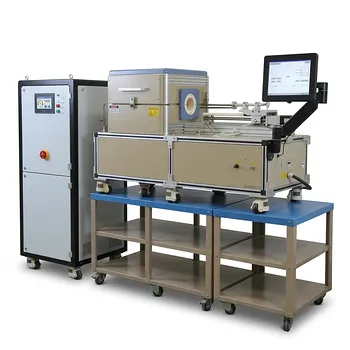
1650C Recirculating Steam Corrosion and Thermal Shock Testing Furnace with Integrated Water Vapor Generator and Automated Sample Delivery
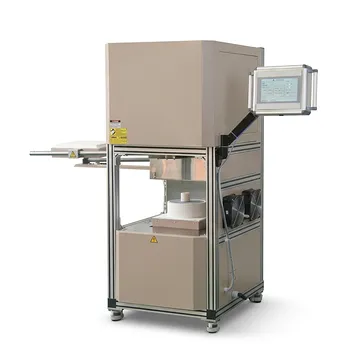
1600C High Temperature Automatic Bottom Loading Furnace for Thermal Shock Cycling and Material Fatigue Testing
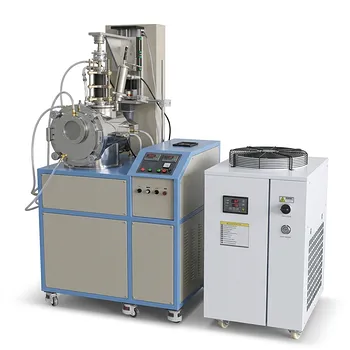
High Temperature Ultrafast Heating Pressing Furnace 2900C Max 100kgf Rapid Thermal Processing System
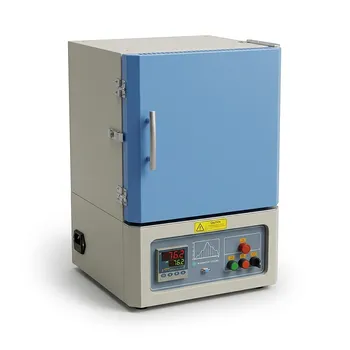
1750C Bench Top Muffle Furnace 3.6L High Grade Molybdenum Disilicide Heating Elements Laboratory Heat Treatment Equipment
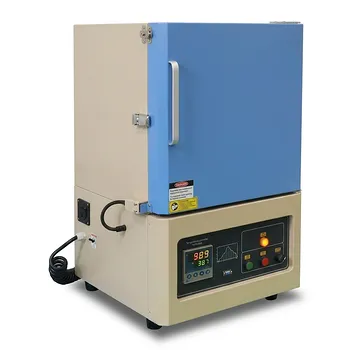
1200°C High Temperature Muffle Furnace 19L Chamber with 50 Segment Programmable Controller
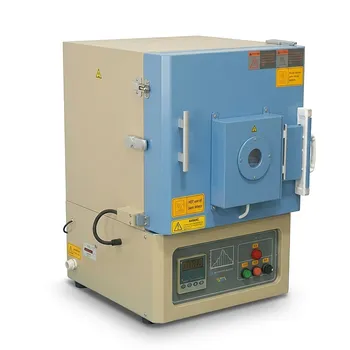
High Temperature Benchtop Muffle Furnace 1500C with 3.6L Chamber and Quartz Observation Window
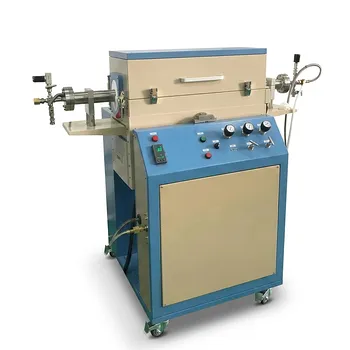
High Temperature Rocking Tube Furnace 1700°C Alumina Processing Tube with Precision Oscillation for Material Synthesis
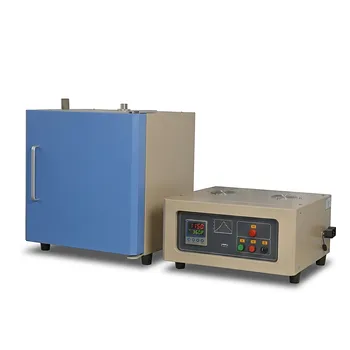
High Temperature Muffle Furnace with Alloy Chamber for Debinding and Sintering Applications
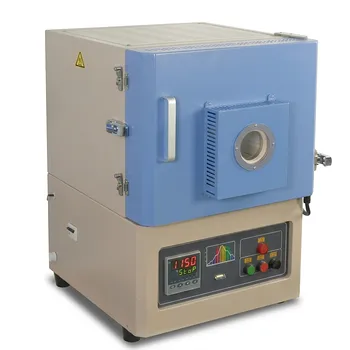
High Temperature Benchtop Muffle Furnace with Quartz Observation Window for Thermal Imaging and Material Analysis
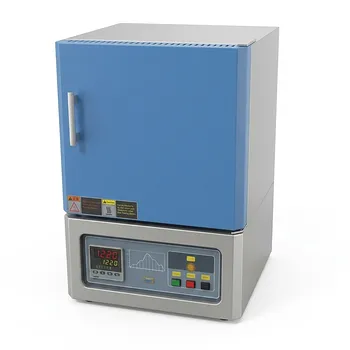
High Temperature Benchtop Muffle Furnace 1700C 10L Chamber Alumina Fiber Insulation MoSi2 Heating Elements

High Temperature 1700C Tube Furnace with High Vacuum Turbomolecular Pump System and Multi Channel Mass Flow Controller Gas Mixer
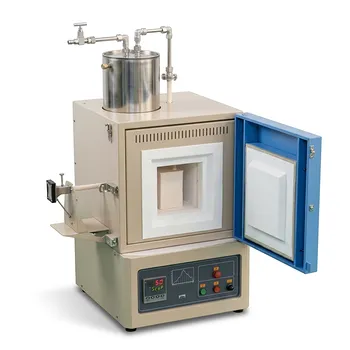
High Temperature Bench Top Muffle Furnace 1700C with Integrated Evaporating Particle Collection and 8x8x8 Alumina Fiber Chamber
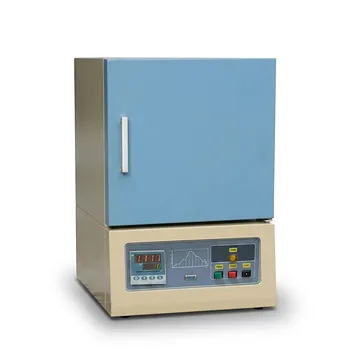
Ultra High Temperature Bench Top Muffle Furnace 1750C Sintering System with Kanthal Super Heating Elements and Precision Digital Control
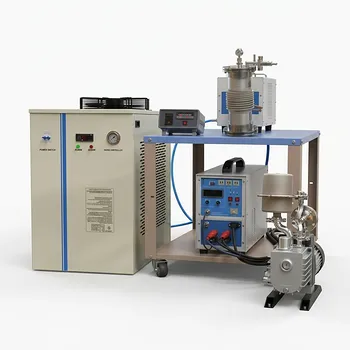
Induction Heating System with Temperature Control for High Temperature Vacuum Sintering and Melting
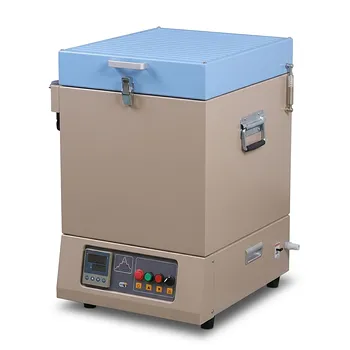
High Temperature Vertical Crucible Furnace with 22L Heating Chamber and 1200C Maximum Temperature
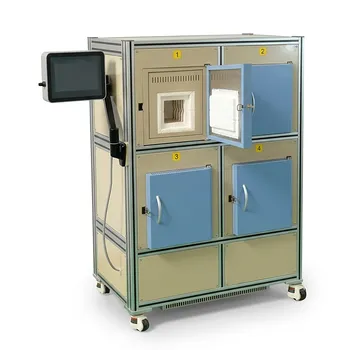
High Temperature Four Chamber Box Furnace for High Throughput Materials Research and Space Saving Thermal Processing

High Temperature Tube Furnace 1500C with Sliding Flanges and 50mm OD for Rapid Thermal Processing Fast Heating and Cooling
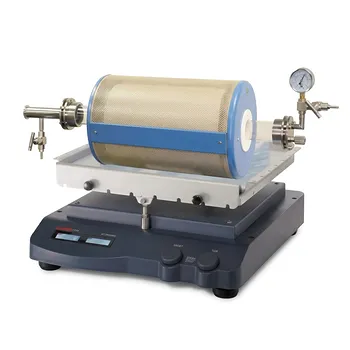
High Temperature Rocking Tube Furnace with Quartz Tube and Vacuum Flange for Materials Synthesis
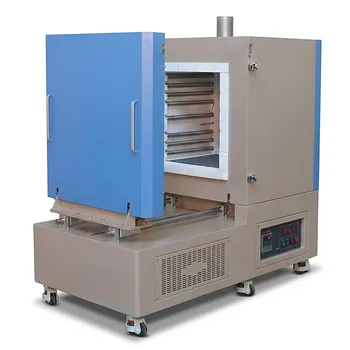
1200C Five Side Heating Muffle Furnace with Sliding Door 125L Volume High Temperature Heat Treatment System for Large Scale Sintering and Annealing