What mechanisms support and rotate the shell of an electric rotary kiln? Key Components for Mechanical Stability
Updated 5 months ago
Supporting and rotating the heavy cylindrical shell of an electric rotary kiln requires a specialized system of riding rings, rollers, and gear-driven assemblies. The weight of the shell is distributed across two to eight steel tyres (riding rings) that rest on machined rollers, while rotation is facilitated by an electric motor driving a girth gear that encircles the kiln. This configuration allows the kiln to rotate slowly and steadily—typically between 0.5 and 5 rpm—even while inclined at a slight angle.
Core Takeaway: To manage extreme weight and thermal expansion, electric rotary kilns use a "floating" support system of riding rings and rollers combined with a girth-gear drive, ensuring precise rotation and mechanical stability under high-temperature conditions.
The Mechanical Support System
Steel Tyres and Riding Rings
The primary support for the kiln shell comes from large, circular steel tyres, also known as riding rings. These are not welded directly to the shell; instead, they sit over it to allow for the thermal expansion of the steel tube.
Machined Support Rollers
The tyres rest on pairs of machined rollers located at various points along the kiln's length. These rollers are engineered to handle massive radial loads while maintaining the kiln's alignment.
Managing the Kiln Inclination
Kiln shells are typically mounted at a slight inclination of 1 to 4 degrees. To prevent the kiln from sliding downhill, specialized thrust rollers are used to control the longitudinal position of the shell as it rotates.
The Drive and Rotation Assembly
The Girth Gear Mechanism
Rotation is powered by a large girth gear that encircles a relatively cool section of the kiln shell. This gear is driven by a smaller pinion gear, which is connected to the main power source via a gear train.
Variable-Speed Electric Motors
The primary driver is a variable-speed electric motor. This allows operators to fine-tune the rotation speed (0.5 to 5 rpm) based on the specific processing requirements of the material inside.
Auxiliary Drive Systems
In the event of a power outage, the kiln must not stop abruptly, as uneven cooling can cause the shell to warp. An auxiliary drive with a backup power source is employed to maintain a very slow, continuous rotation until the unit cools safely.
Maintaining Structural Integrity Under Heat
Refractory Lining and Insulation
The interior of the mild-steel shell (15 to 30 mm thick) is lined with refractory bricks or castable material. This lining, ranging from 80 to 300 mm in thickness, protects the steel from internal temperatures that can reach 1400 °C.
Protecting the Outer Shell
The refractory lining ensures the outer surface of the shell remains below 350 °C. This temperature control is critical for the mechanical integrity of the riding rings and for the safe mounting of external heating elements.
Material Buildup Prevention
Continuous rotation is essential not just for heat distribution, but to prevent material buildup on the inner walls. If the kiln stops while hot, the weight of the internal load can cause the shell to sag or deform permanently.
Common Pitfalls and Trade-offs
The Risk of Thermal Warping
The greatest risk to a rotary kiln is "bowing" or warping. If the kiln stops rotating while at operating temperature, the temperature differential between the top and bottom of the shell will cause the steel to bend.
Mechanical Wear and Alignment
The interface between the tyres and rollers is a high-wear zone. Misalignment of the rollers can lead to "scuffing" or pitting of the steel surfaces, eventually requiring expensive resurfacing or replacement.
Energy Efficiency vs. Structural Mass
Thicker refractory linings provide better insulation but significantly increase the total mass of the kiln. This requires more robust support structures and higher torque from the drive motor, increasing initial capital costs.
Making the Right Choice for Your Goal
To ensure the longevity and efficiency of an electric rotary kiln, consider the following technical priorities:
- If your primary focus is process consistency: Ensure the variable-speed drive is integrated with a precise control system to maintain exact RPMs regardless of load fluctuations.
- If your primary focus is equipment longevity: Prioritize the installation of a high-quality auxiliary drive and backup power system to prevent shell warping during unplanned shutdowns.
- If your primary focus is thermal efficiency: Invest in high-performance refractory materials that allow for a thinner lining, reducing the mechanical load on the rollers and tyres.
A well-engineered support and drive system is the foundation of a reliable, high-performance electric rotary kiln operation.
Summary Table:
| Component | Primary Function | Key Technical Feature |
|---|---|---|
| Steel Tyres (Riding Rings) | Weight distribution | Floating design to accommodate thermal expansion |
| Support Rollers | Radial load management | Machined surfaces for precise kiln alignment |
| Girth Gear | Rotation drive | Large diameter gear driven by variable-speed motor |
| Thrust Rollers | Longitudinal control | Prevents downhill sliding due to kiln inclination |
| Auxiliary Drive | Emergency rotation | Prevents shell warping during power outages |
| Refractory Lining | Thermal protection | Protects the steel shell from internal heat up to 1400°C |
Optimize Your Thermal Processing with THERMUNITS
As a leading manufacturer of high-temperature laboratory equipment for material science and industrial R&D, THERMUNITS delivers the precision and durability your research demands. Whether you require an advanced electric rotary kiln, a vacuum induction melting furnace (VIM), or specialized CVD/PECVD systems, our engineering ensures long-term mechanical stability and superior heat treatment results.
Our comprehensive range includes:
- Rotary & Tube Furnaces for continuous material processing.
- Muffle, Vacuum, & Atmosphere Furnaces for diverse lab applications.
- Hot Press & Dental Furnaces for specialized material synthesis.
- Thermal Elements and high-quality heat treatment accessories.
Ready to elevate your lab's efficiency? Contact our experts today to find the perfect thermal solution for your specific requirements.
Mentioned Products
- Electric Rotary Kiln Continuous Working Small Rotary Furnace Heating Pyrolysis Plant
- Electric Rotary Kiln Small Rotary Furnace for Activated Carbon Regeneration
- Electric Rotary Kiln Small Rotary Furnace Biomass Pyrolysis Plant
- 900°C Max Rotary Tube Furnace with 8 Inch 310S Alloy Tube and Optional Multi Zone Heating for Industrial Material Calcination
- High Temperature Tilting Rotary Tube Furnace with Integrated Mass Flow Control and Multi Zone Heating
People Also Ask
- What thermal efficiency can be expected from an electric rotary kiln compared to fuel-fired alternatives? Gain 95% efficiency.
- How does the use of an electric rotary kiln facilitate CO2 capture in cement and lime production? Achieve High-Purity CCUS
- What are the maintenance and service life advantages of an electric rotary kiln? 25+ Year Longevity & Low Maintenance
- How does the electric rotary kiln support environmental compliance and sustainability? Achieve Zero-Emission Production
- What are the primary components and heating mechanisms of an electric rotary kiln? Optimize High-Purity Heat Treatment

Tech Team · ThermUnits
Last updated on Apr 14, 2026
Related Products
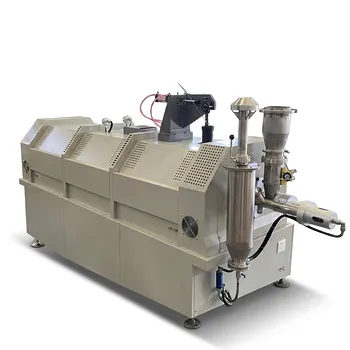
Electric Rotary Kiln Continuous Working Small Rotary Furnace Heating Pyrolysis Plant
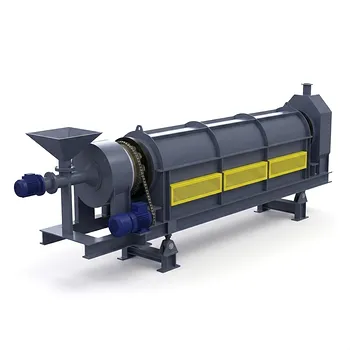
Electric Rotary Kiln Small Rotary Furnace for Activated Carbon Regeneration
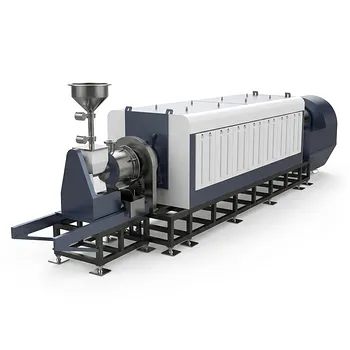
Electric Rotary Kiln Small Rotary Furnace Biomass Pyrolysis Plant
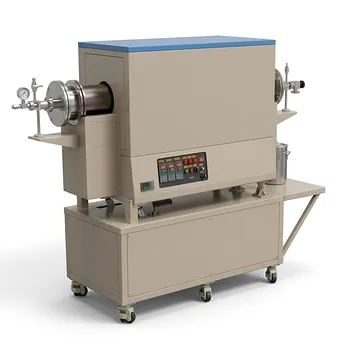
900°C Max Rotary Tube Furnace with 8 Inch 310S Alloy Tube and Optional Multi Zone Heating for Industrial Material Calcination
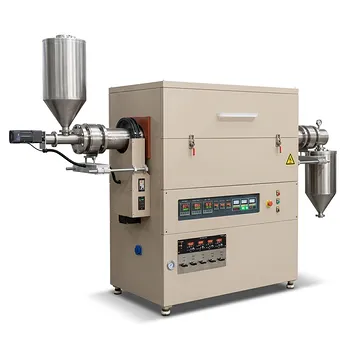
High Temperature Tilting Rotary Tube Furnace with Integrated Mass Flow Control and Multi Zone Heating
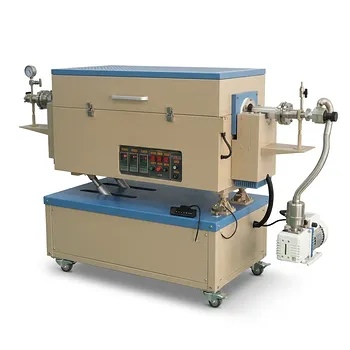
Three Zone Rotary Tube Furnace for High Temperature Powder Processing and Material Research
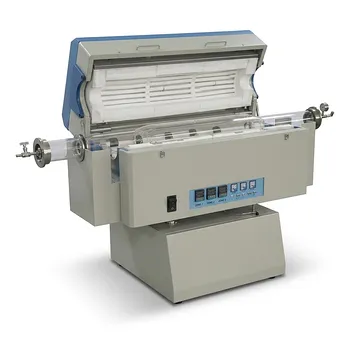
Large Three Temperature Zone Rotating Tube Furnace for High Uniformity Material Sintering
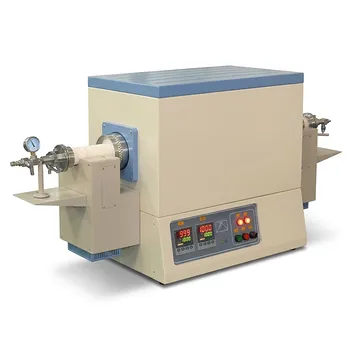
High Temperature 1700C Dual Zone Rotary Tube Furnace with 60mm Alumina Tube and Precision Rotation Control
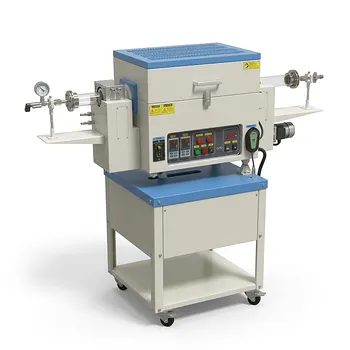
4 Inch Two Zone Rotary CVD Tube Furnace for High Temperature Battery Material Synthesis and Advanced Material Calcination
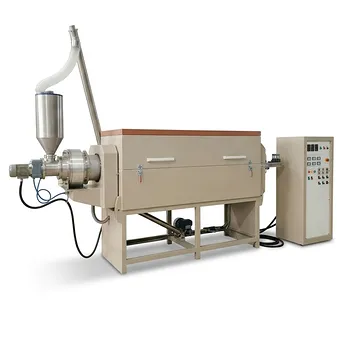
Continuous Feeding Rotary Tube Furnace for Industrial Powder Heat Treatment and Material Research
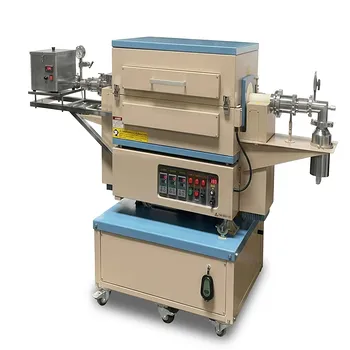
1500C 3-Zone Rotary Tube Furnace 60mm with Automatic Powder Feeding and Receiving System for Continuous Material Synthesis
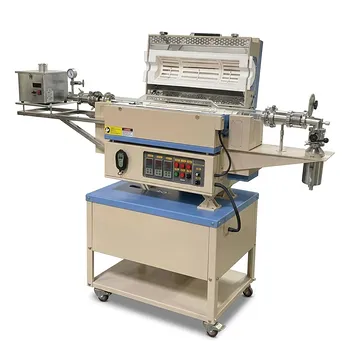
5 Inch Rotary Tube Furnace with Automatic Feeding and Receiving System 1200C Three Zone CVD Powder Processing
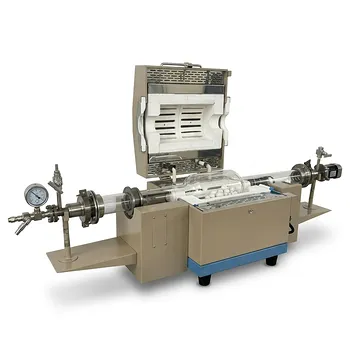
High Temperature Rotary Tube Furnace with Integrated Ball Milling and Gas Flow Function for Powder Nitriding

Vertical 1700C Vacuum and Atmosphere Tube Furnace with 80mm Alumina Tube
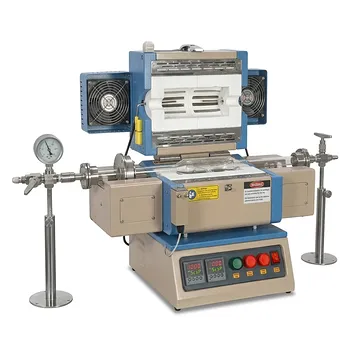
Dual Zone Rotary Tube Furnace for Uniform Powder Calcination 1000C 2 Inch Quartz Tube
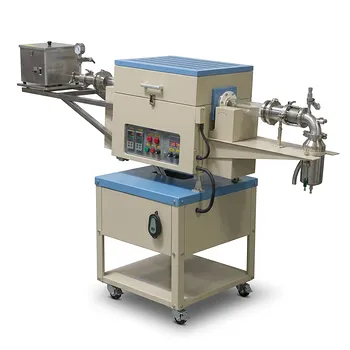
Two Zone Rotary CVD Furnace with Automatic Feeding and Receiving System for Powder Processing
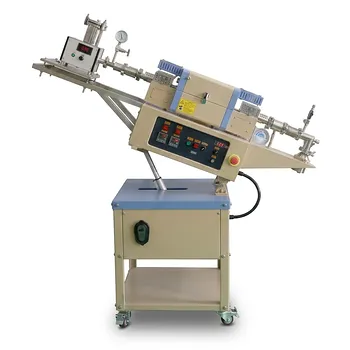
1100°C Dual Zone Rotary Tube Furnace with Automatic Feeding and Collection System for Continuous Powder Processing
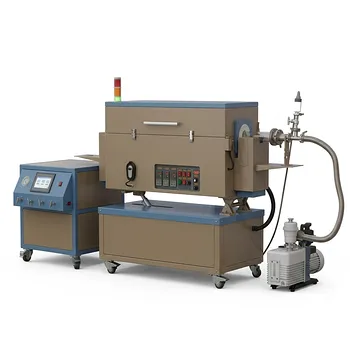
5 Inch Three Zone Rotary Tube Furnace with Integrated Gas Delivery System and 1200C Capability for Advanced Material CVD Processing
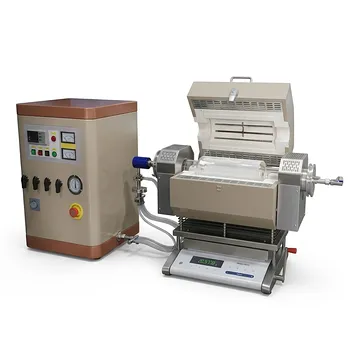
Mini Rotary Tubular Furnaces for Precision Powder Heat Treatment and Thermogravimetric Analysis