Why must high-quality ceramic crucibles be used for biochar sintering? Ensure Purity & Thermal Stability
Updated 3 months ago
High-quality ceramic crucibles and porcelain boats are essential for biochar sintering because they maintain structural integrity and chemical inertness under extreme conditions. These containers withstand temperatures exceeding 750°C—and often up to 1000°C—without deforming, cracking, or reacting with the sample. Their primary role is to ensure that the resulting biochar is free from metal impurities and that all experimental measurements remain scientifically accurate.
These specialized carriers provide a stable, non-reactive environment that protects the purity of the biochar sample. By resisting both thermal shock and aggressive chemical activators, they allow researchers to isolate the effects of the carbonization process from environmental contamination.
Superior Thermal Stability and Heat Resistance
Withstanding Extreme Processing Temperatures
High-temperature sintering often requires environments reaching 1000°C inside muffle or tube furnaces. Ceramic and porcelain materials are specifically engineered to remain structurally sound at these levels, preventing the deformation that would occur with lesser materials.
Resilience to Thermal Shock
Pyrolysis and carbonization often involve cyclic heat treatments or rapid temperature fluctuations. High-quality ceramics possess excellent thermal shock stability, which prevents the boats from cracking or shattering when subjected to intense heating and cooling cycles.
Chemical Inertness and Purity Preservation
Resistance to Aggressive Chemical Activators
Biochar production frequently utilizes strong alkaline activators like KOH or acidic agents like phosphoric acid. High-quality porcelain is resistant to chemical erosion from these substances, ensuring the container does not break down and introduce unwanted elements into the reaction.
Prevention of Impurity Leaching
The use of inert ceramic materials prevents the introduction of metal impurities into the biochar. This is critical for applications such as cadmium ion adsorption, where the presence of foreign metals would compromise the biochar’s effectiveness and the validity of the research.
Protecting the Carbonization Atmosphere
In high-temperature reducing atmospheres, many materials can react with the biomass raw materials. Ceramic crucibles remain chemically indifferent, ensuring that the chemical transformation is limited strictly to the biomass and the intended additives, such as molybdenum sources or molten salts.
Accuracy in Physical and Chemical Analysis
Consistent Mass for Precise Measurement
For experiments tracking ash yield or mass loss, the carrier's weight must remain perfectly constant. High-quality ceramics do not lose mass during prolonged incineration, ensuring that all recorded changes in weight are derived solely from the sample composition.
Facilitating Uniform Heat Transfer
The thermal conductivity of materials like corundum (high-alumina) ensures that heat is distributed evenly throughout the biomass. This leads to uniform carbonization, preventing "cold spots" that could result in an inconsistent or under-processed final product.
Understanding the Trade-offs
Material Brittleness and Handling
While ceramics are thermally robust, they are inherently brittle. Rough handling or localized mechanical stress can lead to fractures, meaning they require careful storage and placement compared to metallic alternatives.
Porosity and Cleaning Challenges
Lower-grade porcelain may have slight porosity that can trap residual carbon or salts. To maintain the highest purity, these carriers often require rigorous cleaning with acids or high-temperature "burn-off" cycles between uses to prevent cross-contamination.
Cost vs. Performance
High-purity alumina or corundum boats are significantly more expensive than standard laboratory porcelain. Choosing the wrong grade for long-duration pyrolysis at very high temperatures can lead to premature carrier failure and the loss of valuable samples.
How to Apply This to Your Project
When selecting a carrier for biochar production, your choice should align with the specific chemical environment of your experiment.
- If your primary focus is heavy metal adsorption studies: Use high-purity alumina or porcelain to ensure no background metal ions contaminate your results.
- If your primary focus is activation with KOH or NaOH: Prioritize ceramic crucibles with high chemical stability ratings to prevent the activator from eating through the container.
- If your primary focus is accurate ash content calculation: Ensure you use a high-quality porcelain crucible that has been "pre-fired" to a constant mass to guarantee measurement precision.
- If your primary focus is high-throughput production at lower temperatures: Standard laboratory-grade porcelain boats may be sufficient, provided the temperature does not exceed their rated limit (typically 700°C-800°C).
Choosing the correct high-quality carrier is the baseline requirement for producing pure, high-performance biochar and generating reliable experimental data.
Summary Table:
| Key Feature | Benefit | Impact on Biochar |
|---|---|---|
| Thermal Stability | Withstands temperatures up to 1000°C | Prevents carrier deformation and cracking |
| Chemical Inertness | Resists KOH and acidic activators | Ensures zero metal impurity leaching |
| Mass Consistency | Maintains constant weight | Guarantees accurate ash yield measurements |
| Heat Distribution | High thermal conductivity | Enables uniform carbonization of biomass |
Optimize Your Biochar Research with THERMUNITS
As a leading manufacturer of high-temperature laboratory equipment, THERMUNITS provides the precision thermal processing solutions required for advanced material science. Whether you are performing pyrolysis in our Muffle or Tube furnaces or utilizing CVD/PECVD systems, our equipment ensures the stable, controlled environments necessary for high-quality biochar production.
Why Choose THERMUNITS?
- Comprehensive Range: From Muffle and Vacuum furnaces to Rotary, Atmosphere, and Hot Press systems.
- Expert Engineering: Designed for industrial R&D and material science excellence.
- Reliability: High-grade thermal elements, electric rotary kilns, and vacuum induction melting furnaces (VIM).
Ready to enhance your lab's efficiency and experimental accuracy? Contact us today to find the ideal thermal solution for your research needs!
References
- Feiyan Wang, LI Wen-kui. Biochar from de-oiled <i>Chlorella vulgaris</i> and its adsorption on antibiotics. DOI: 10.1515/chem-2023-0178
Mentioned Products
- Dental Porcelain Zirconia Sintering Ceramic Furnace Chairside with Transformer
- 1100C High Temperature Vacuum Crucible Furnace with Quartz Chamber for Thermal Processing and Sintering
- Dental Porcelain Zirconia Sintering Ceramic Vacuum Press Furnace
- Vacuum Dental Porcelain Sintering Furnace for High Precision Ceramic Restorations
- 1800C Bench Top Muffle Furnace 18 Liters with Kanthal Super 1900 Heating Elements for High Purity Ceramic Sintering and Material Research
People Also Ask
- How do zirconia sintering furnaces differ from porcelain firing furnaces? Key Technical & Performance Differences
- What technical features ensure temperature precision and material integrity in dental furnaces? Quality Sintering Guide
- What are the practical benefits of using chairside-specific dental furnaces? Boost Single-Visit Dentistry Efficiency.
- What is the importance of dental furnaces in material science research and development? Keys to Ceramic Innovation
- How do sintering and firing differ in a dental furnace? Master the key techniques for flawless restorations.

Tech Team · ThermUnits
Last updated on Jun 02, 2026
Related Products
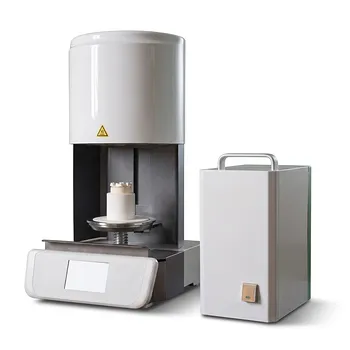
Dental Porcelain Zirconia Sintering Ceramic Furnace Chairside with Transformer
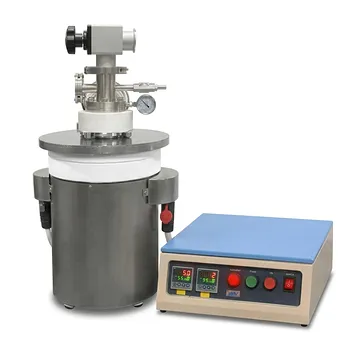
1100C High Temperature Vacuum Crucible Furnace with Quartz Chamber for Thermal Processing and Sintering
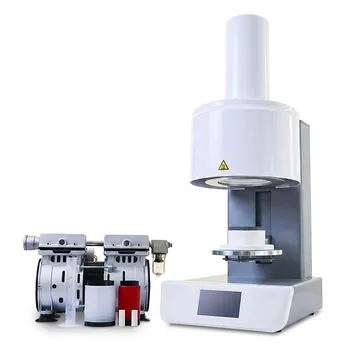
Dental Porcelain Zirconia Sintering Ceramic Vacuum Press Furnace
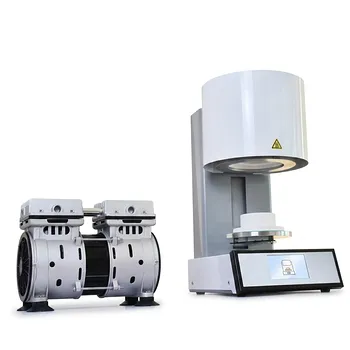
Vacuum Dental Porcelain Sintering Furnace for High Precision Ceramic Restorations
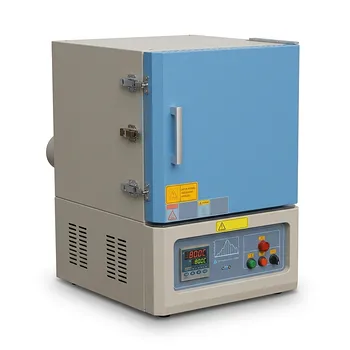
1800C Bench Top Muffle Furnace 18 Liters with Kanthal Super 1900 Heating Elements for High Purity Ceramic Sintering and Material Research
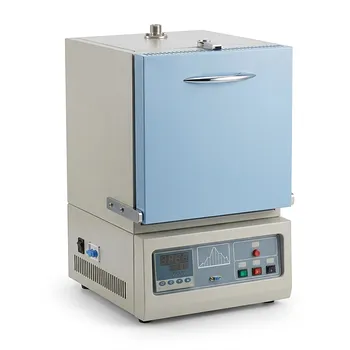
1750C Compact Muffle Furnace 1.7L Ultra High Temperature Laboratory Sintering System for Advanced Ceramics and Material Science Research