How do zirconia sintering furnaces differ from porcelain firing furnaces? Key Technical & Performance Differences
Updated 5 months ago
The primary difference between zirconia sintering furnaces and porcelain firing furnaces is their thermal range and their impact on material structure. Zirconia furnaces are high-temperature units (1400–1700 °C) designed to achieve full material densification by fusing "green" state particles into a solid crystalline structure. In contrast, porcelain furnaces operate at lower temperatures (800–1200 °C) and use vacuum pressure to melt and fuse ceramic layers for aesthetic finishes and framework bonding.
Core Takeaway: While both units are essential to the dental laboratory, they perform distinct physical transformations: sintering densifies zirconia through extreme heat, whereas firing vitrifies porcelain through a combination of lower heat and vacuum pressure.
The Physical Transformation of Materials
Zirconia Sintering and Densification
Sintering is the process of transforming a porous "green" body into a high-strength, dense ceramic. By heating the zirconia to temperatures between 1400 °C and 1700 °C, the particles fuse together without reaching their melting point. This results in full crystallization, giving the material its final strength, translucency, and dimensional stability.
Porcelain Firing and Vitrification
Porcelain firing, often called vitrification, focuses on melting and fusing ceramic particles to create a glassy, aesthetic surface. These furnaces operate at a significantly lower range, typically 800 °C to 1200 °C, which is sufficient for layering, glazing, and staining. The goal here is not structural densification from a raw state, but rather the refinement of aesthetics and the bonding of veneering ceramics to a framework.
Atmospheric and Technical Requirements
Vacuum Capabilities in Porcelain Furnaces
A defining feature of porcelain furnaces is the integration of a vacuum pump to remove air from the firing chamber. Removing air prevents the formation of microscopic bubbles within the porcelain, which ensures maximum translucency and minimizes porosity. Zirconia sintering furnaces, conversely, usually operate under atmospheric pressure and do not require vacuum technology for the densification process.
Heating Elements and Chamber Design
Because of the extreme heat requirements, zirconia furnaces utilize specialized heating elements such as molybdenum disilicide (MoSi2). Porcelain furnaces use different heating coils designed for lower temperatures and more precise, rapid adjustments during the cooling phase. The cooling cycles in zirconia furnaces are typically much longer and more strictly controlled to prevent thermal shock and cracking in the dense material.
Understanding the Trade-offs
Equipment Interoperability
You cannot use a porcelain furnace to sinter zirconia because it cannot reach the extreme temperatures required for densification. Conversely, using a zirconia furnace for porcelain firing is impractical due to the lack of vacuum control and the risk of over-firing the material. Attempting to bypass these physical limits will result in catastrophic material failure, such as opaque zirconia or brittle porcelain.
Cycle Times and Energy Consumption
Zirconia sintering cycles are notoriously long, often requiring several hours to reach peak temperature and cool down safely. Porcelain firing is much faster, allowing for multiple "short" cycles to add characterization or glazes. This difference means that lab workflows must be planned around the long-duration occupancy of the sintering furnace.
Making the Right Choice for Your Goal
When selecting or utilizing these furnaces, your choice must align with the specific stage of the restorative process.
- If your primary focus is structural integrity: Use a zirconia sintering furnace to ensure the restoration achieves its rated strength and final dimensions.
- If your primary focus is aesthetic characterization: Use a porcelain firing furnace to apply glazes, stains, and veneers where vacuum control is necessary for clarity.
- If your primary focus is high-volume production: Invest in a fast-sintering zirconia furnace to reduce the traditional 8-hour cycle times without compromising material density.
The choice of furnace is a choice between the structural transformation of the material and its final aesthetic refinement.
Summary Table:
| Feature | Zirconia Sintering Furnace | Porcelain Firing Furnace |
|---|---|---|
| Temperature Range | High (1400°C – 1700°C) | Moderate (800°C – 1200°C) |
| Primary Process | Sintering (Densification) | Vitrification (Glazing/Bonding) |
| Atmosphere | Ambient/Atmospheric Pressure | Vacuum Required (removes air) |
| Heating Elements | Molybdenum Disilicide (MoSi2) | Specialized Coils/Kanthal |
| Cycle Time | Long (Several hours) | Short (Fast cooling cycles) |
| Key Outcome | Structural Strength & Density | Aesthetic Finish & Translucency |
Optimize Your Thermal Processing with THERMUNITS
Precision in heat treatment is the difference between material failure and excellence. THERMUNITS is a leading manufacturer of high-temperature laboratory equipment, dedicated to supporting material science and industrial R&D with cutting-edge technology.
From high-strength dental restorations to advanced industrial ceramics, we offer a comprehensive range of solutions tailored to your specific temperature and atmospheric needs, including:
- Dental Furnaces: Specialized for high-temperature zirconia sintering.
- Versatile Furnaces: Muffle, Vacuum, Atmosphere, Tube, Rotary, and Hot Press models.
- Advanced Systems: CVD/PECVD systems, Vacuum Induction Melting (VIM), and Electric Rotary Kilns.
- Components: High-quality Thermal Elements for consistent performance.
Ensure your lab achieves superior structural integrity and aesthetic results. Contact our experts today to find the perfect thermal processing solution for your requirements.
Mentioned Products
- Dental Porcelain Zirconia Sintering Ceramic Vacuum Press Furnace
- Dental Porcelain Zirconia Sintering Ceramic Furnace Chairside with Transformer
- High Temperature Horizontal Electrical Assisted Sintering Furnace with 3KW Programmable Power Source for Advanced Ceramic Materials
- 1700C Compact Hybrid Furnace with Dual Layer Box Sintering and Controlled Atmosphere Alumina Tubes
- Vacuum Dental Porcelain Sintering Furnace for High Precision Ceramic Restorations
People Also Ask
- How do sintering and firing differ in a dental furnace? Master the key techniques for flawless restorations.
- What is the importance of dental furnaces in material science research and development? Keys to Ceramic Innovation
- What are the specific stages of the zirconia sintering process in a dental furnace? 4 Key Steps for Strength & Aesthetics
- How does a dental furnace prevent material cracking during rapid thermal cycles? Master Precision Thermal Control
- What is the role of a programmable logic controller (PLC) in modern dental furnace operations? Enhance Sintering Precision.

Tech Team · ThermUnits
Last updated on Apr 14, 2026
Related Products
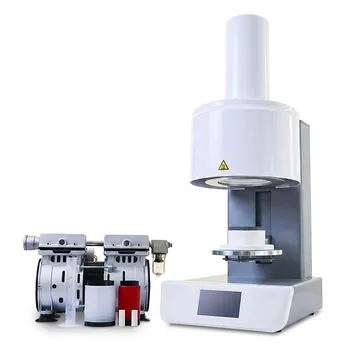
Dental Porcelain Zirconia Sintering Ceramic Vacuum Press Furnace
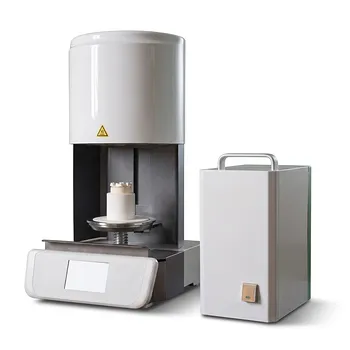
Dental Porcelain Zirconia Sintering Ceramic Furnace Chairside with Transformer
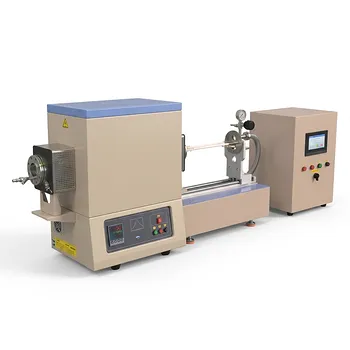
High Temperature Horizontal Electrical Assisted Sintering Furnace with 3KW Programmable Power Source for Advanced Ceramic Materials
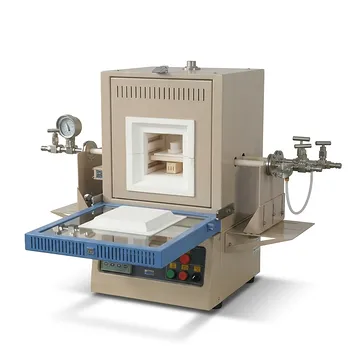
1700C Compact Hybrid Furnace with Dual Layer Box Sintering and Controlled Atmosphere Alumina Tubes
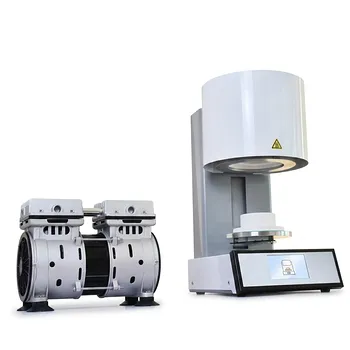
Vacuum Dental Porcelain Sintering Furnace for High Precision Ceramic Restorations
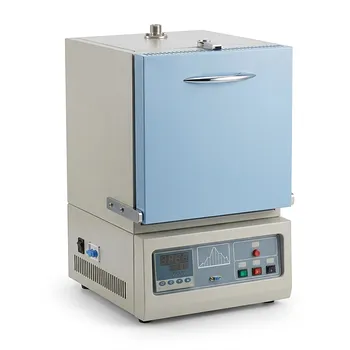
1750C Compact Muffle Furnace 1.7L Ultra High Temperature Laboratory Sintering System for Advanced Ceramics and Material Science Research

High Temperature 1700C Vertical Tube Furnace for Powder Spherification and Material Sintering

Compact High Temperature 1600C Tube Furnace with 50mm Alumina Tube and Vacuum Flanges for Material Sintering
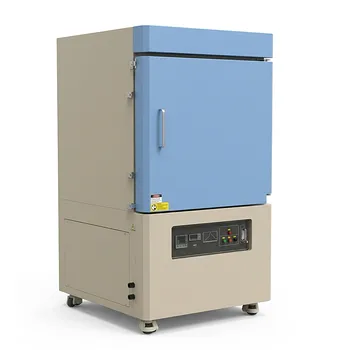
Industrial Large Box Furnace 1700C 216L High Temp Muffle Sintering System
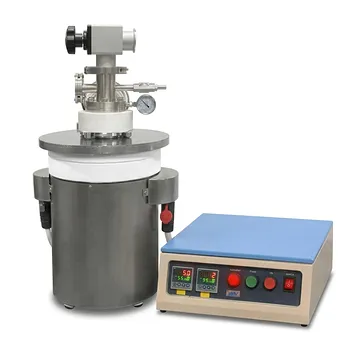
1100C High Temperature Vacuum Crucible Furnace with Quartz Chamber for Thermal Processing and Sintering
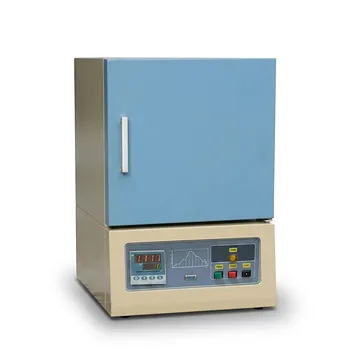
Ultra High Temperature Bench Top Muffle Furnace 1750C Sintering System with Kanthal Super Heating Elements and Precision Digital Control
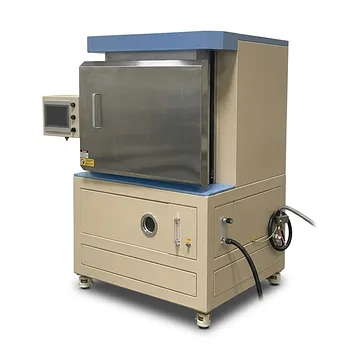
1650C High Temperature Atmosphere Controlled Box Furnace with 65L Chamber for Advanced Material Sintering and Industrial Heat Treatment
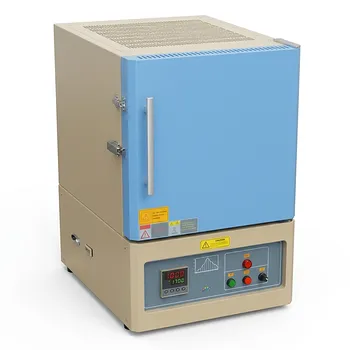
Large Bench Top 1700C High Temperature Muffle Furnace with 19L Chamber for Advanced Material Sintering and Annealing
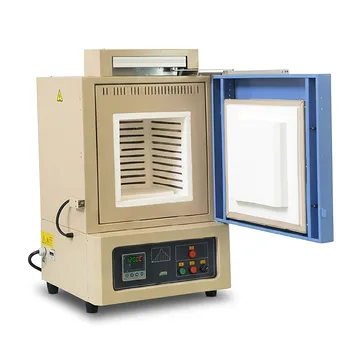
1200C High Temperature Muffle Furnace with Motorized Door and Automated PC Control for Industrial Sintering and Material Processing 27 Liter
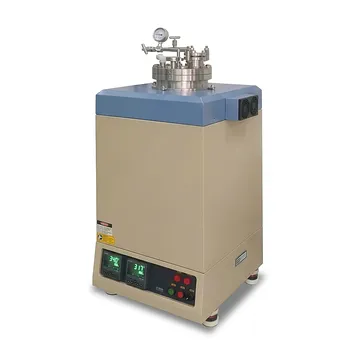
High Temperature 1000C Vacuum Furnace with 8 Inch ID Chamber for Material Sintering and Research Annealing
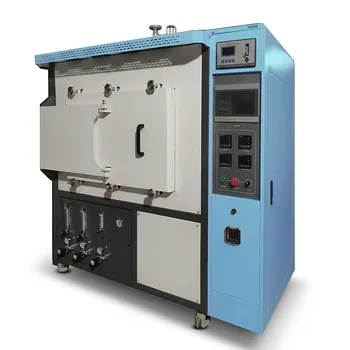
Roller Table Atmosphere Furnace 1500C High Temperature Battery Material Sintering System 112L Capacity
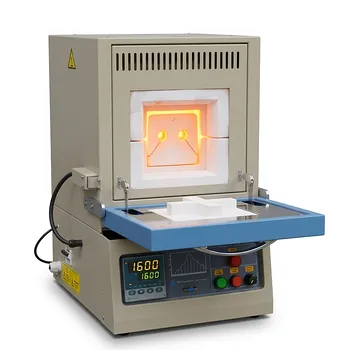
High Temperature Compact Muffle Furnace 1700 C with 30 Segment Programmable Controller and 1.7L Cubic Chamber
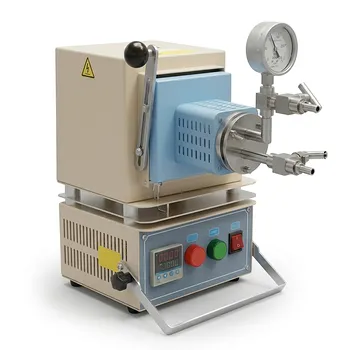
Compact Hybrid Muffle and Tube Furnace for 1000C Controlled Atmosphere Laboratory Material Sintering
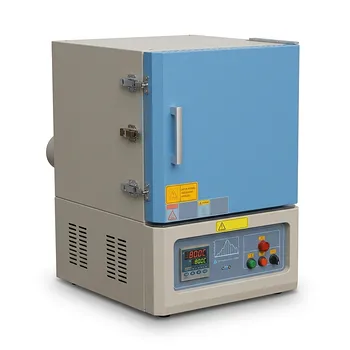
1800C Bench Top Muffle Furnace 18 Liters with Kanthal Super 1900 Heating Elements for High Purity Ceramic Sintering and Material Research