How do sintering and firing differ in a dental furnace? Master the key techniques for flawless restorations.
Updated 5 months ago
The primary distinction between sintering and firing lies in the temperature range and the physical state of the material during transformation. Sintering occurs at extreme temperatures (1,400°C to 1,600°C) to densify "green" zirconia or ceramic bodies through solid-state diffusion without reaching a melting point. Firing, often called vitrification, operates at lower temperatures (800°C to 1,200°C) and involves the actual melting and fusion of ceramic particles to create a smooth, aesthetic surface.
Sintering is a high-heat densification process used to establish the structural foundation and strength of a restoration, whereas firing is a lower-heat aesthetic process used to fuse veneering layers and eliminate surface porosity.
The Mechanics of Sintering: Building Structural Integrity
Achieving Density through Solid-State Diffusion
Sintering transforms a porous "green" body into a solid, high-strength restoration by inducing atomic fusion between particles. This process occurs entirely below the melting point of the material, relying on heat to drive atoms across particle boundaries.
The Critical Four-Stage Thermal Cycle
A successful sintering cycle requires a preheating phase to remove moisture, followed by a controlled ramp to the peak temperature. A dwell or soak period then allows for full densification, finished by a slow cooling phase to prevent internal stresses.
Impact on Physical Properties
The precision of the sintering temperature directly dictates the bending strength and transparency of the dental prosthetic. Even slight deviations in the thermal curve can result in a brittle structure or a restoration that lacks the necessary translucency to match natural teeth.
The Art of Firing: Perfecting Aesthetics and Porosity
Vitrification and Particle Fusion
Firing is primarily used for veneering ceramics to create a liquid phase that fills gaps between particles. Unlike sintering, this process involves partial melting to achieve "porcelainization," resulting in a dense, glass-like finish.
The Strategic Use of Vacuum Environments
Many firing processes utilize a high-vacuum environment (often around 730 mmHg) to extract residual gas bubbles from the ceramic matrix. This prevents the formation of macroscopic pores, ensuring the restoration is both hygienically smooth and resistant to fractures.
Enhancing Translucency and Surface Texture
By melting the outer ceramic layers, firing minimizes surface roughness and enhances the optical properties of the tooth. This stage is where the technician refines the final shade and luster, ensuring the restoration blends seamlessly with the patient’s dentition.
Understanding the Trade-offs and Risks
Thermal Shock and Microcracking
The most significant risk in both processes is rapid temperature fluctuation during the cooling phase. If a furnace cools too quickly, the material may develop microcracks that compromise the long-term structural integrity of the bridge or crown.
Dimensional Shrinkage vs. Structural Stability
Sintering involves significant volumetric shrinkage as the pores between particles close. Technicians must calculate this shrinkage accurately beforehand, as improper sintering dwell times can lead to a restoration that does not fit the prepared site.
Oxidation and Contamination
In firing, failing to maintain a clean vacuum or precise temperature control can lead to oxidation. This often results in discoloration or "cloudiness" in the ceramic, forcing a complete remake of the aesthetic layers.
Making the Right Choice for Your Goal
When managing dental ceramic transformations, your approach must align with the specific material requirements of the restoration.
- If your primary focus is structural durability and framework strength: Prioritize a high-temperature sintering cycle with a long dwell period to ensure maximum solid-state densification.
- If your primary focus is aesthetic depth and surface smoothness: Utilize a vacuum-assisted firing process at lower temperatures to eliminate porosity and achieve a high-gloss vitrified finish.
- If your primary focus is preventing restoration failure or cracking: Implement strictly controlled heating and cooling ramps to manage thermal expansion and prevent micro-stresses in the material matrix.
Mastering the balance between high-heat structural sintering and vacuum-assisted aesthetic firing is the foundation of high-performance dental laboratory work.
Summary Table:
| Feature | Sintering | Firing |
|---|---|---|
| Temperature Range | 1,400°C – 1,600°C | 800°C – 1,200°C |
| Primary Objective | Structural strength & densification | Aesthetics, smoothness & vitrification |
| Physical State | Solid-state diffusion (no melting) | Partial melting (liquid phase) |
| Atmosphere | Controlled air/Atmosphere | Often high-vacuum (730 mmHg) |
| Key Outcome | High-strength "green" body transformation | Pore-free, high-gloss porcelain finish |
Elevate Your Laboratory Precision with THERMUNITS
Achieving the perfect balance between structural integrity and aesthetic beauty requires world-class thermal equipment. THERMUNITS is a leading manufacturer of high-temperature laboratory equipment dedicated to material science and industrial R&D. We offer a comprehensive suite of thermal processing solutions designed for precision and durability.
Whether you are performing high-heat sintering or vacuum-assisted firing, our equipment ensures uniform heating and reliable performance. Our product range includes:
- Dental Furnaces for specialized zirconia and ceramic processing.
- Muffle, Vacuum, Atmosphere, and Tube Furnaces for versatile heat treatments.
- Rotary Kilns, Hot Press Furnaces, and Vacuum Induction Melting (VIM) systems.
- CVD/PECVD Systems and advanced Thermal Elements for cutting-edge research.
Optimize your material outcomes and lab efficiency with our expert solutions. Contact us today to find the ideal thermal system for your specific needs!
Mentioned Products
- Dental Porcelain Zirconia Sintering Ceramic Vacuum Press Furnace
- Vacuum Dental Porcelain Sintering Furnace for High Precision Ceramic Restorations
- Dental Porcelain Zirconia Sintering Ceramic Furnace Chairside with Transformer
- Ultra High Temperature Bench Top Muffle Furnace 1750C Sintering System with Kanthal Super Heating Elements and Precision Digital Control
- 1800C Bench Top Muffle Furnace 18 Liters with Kanthal Super 1900 Heating Elements for High Purity Ceramic Sintering and Material Research
People Also Ask
- How do zirconia sintering furnaces differ from porcelain firing furnaces? Key Technical & Performance Differences
- What is the importance of dental furnaces in material science research and development? Keys to Ceramic Innovation
- What are the specific stages of the zirconia sintering process in a dental furnace? 4 Key Steps for Strength & Aesthetics
- How does a dental furnace prevent material cracking during rapid thermal cycles? Master Precision Thermal Control
- What is the role of a programmable logic controller (PLC) in modern dental furnace operations? Enhance Sintering Precision.

Tech Team · ThermUnits
Last updated on Apr 14, 2026
Related Products
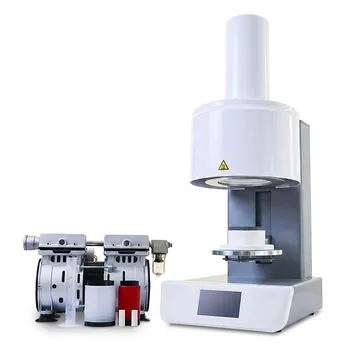
Dental Porcelain Zirconia Sintering Ceramic Vacuum Press Furnace
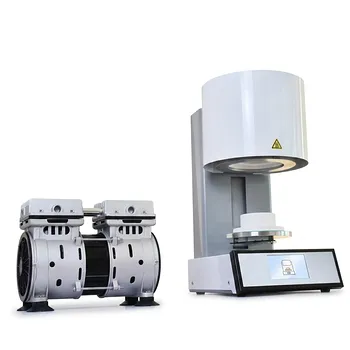
Vacuum Dental Porcelain Sintering Furnace for High Precision Ceramic Restorations
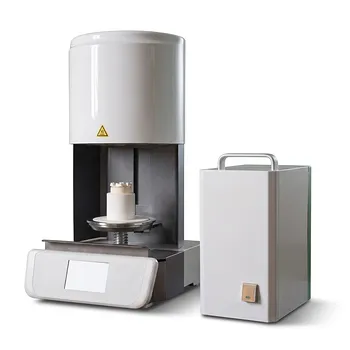
Dental Porcelain Zirconia Sintering Ceramic Furnace Chairside with Transformer
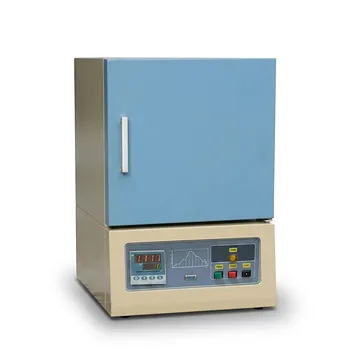
Ultra High Temperature Bench Top Muffle Furnace 1750C Sintering System with Kanthal Super Heating Elements and Precision Digital Control
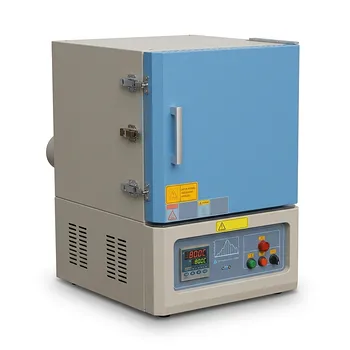
1800C Bench Top Muffle Furnace 18 Liters with Kanthal Super 1900 Heating Elements for High Purity Ceramic Sintering and Material Research
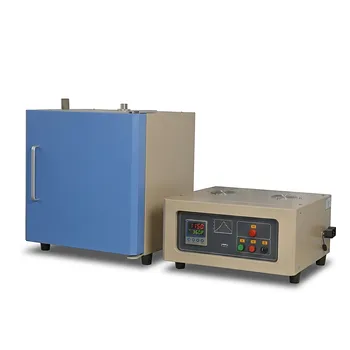
High Temperature Muffle Furnace with Alloy Chamber for Debinding and Sintering Applications
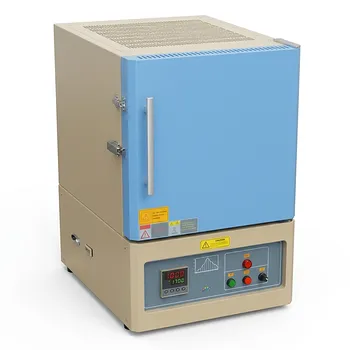
Large Bench Top 1700C High Temperature Muffle Furnace with 19L Chamber for Advanced Material Sintering and Annealing
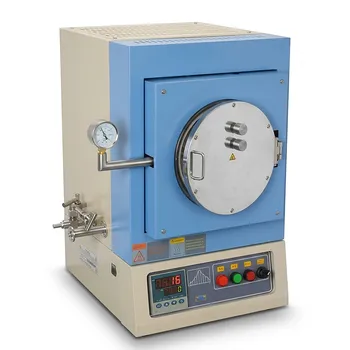
1100°C High Temperature Quartz Chamber Furnace 8 Inch OD with 7.6 Liter Capacity and Vacuum Atmosphere Capability
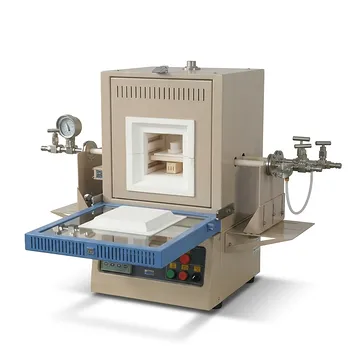
1700C Compact Hybrid Furnace with Dual Layer Box Sintering and Controlled Atmosphere Alumina Tubes
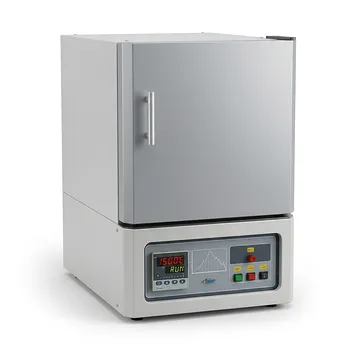
High Temperature 1500C Benchtop Muffle Furnace 3.6L Alumina Fiber Chamber Programmable Controller Sintering Annealing Carbonization Thermal Processing System
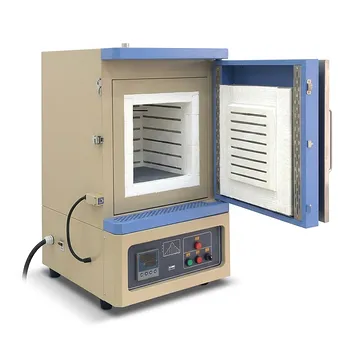
Five Side Heating Muffle Furnace High Purity Alumina Fiber 27L Chamber 1200C High Temperature Thermal Processing System for Sintering Annealing and Materials Research
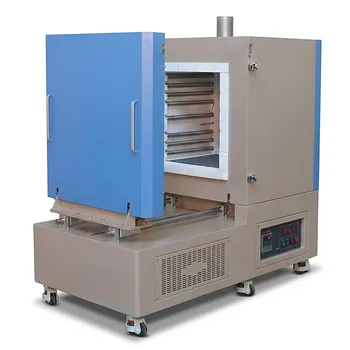
1200C Five Side Heating Muffle Furnace with Sliding Door 125L Volume High Temperature Heat Treatment System for Large Scale Sintering and Annealing
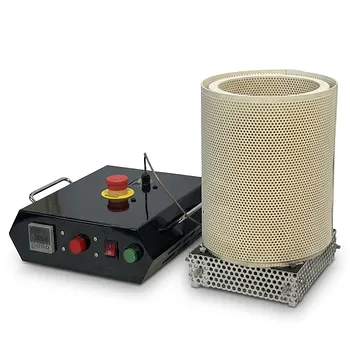
1250 C Compact Vertical Box Furnace for Glovebox Material Research Air Sensitive Samples
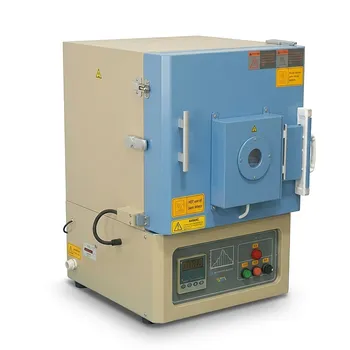
High Temperature Benchtop Muffle Furnace 1500C with 3.6L Chamber and Quartz Observation Window
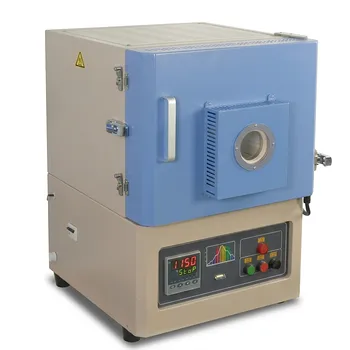
High Temperature Benchtop Muffle Furnace with Quartz Observation Window for Thermal Imaging and Material Analysis
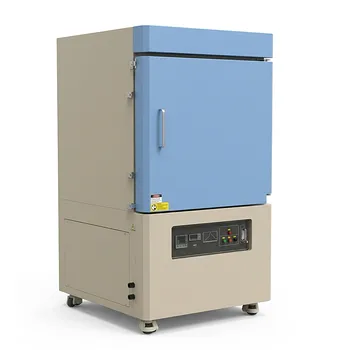
Industrial Large Box Furnace 1700C 216L High Temp Muffle Sintering System

1200°C 5 Inch Vertical Quartz Tube Furnace with Stainless Steel Vacuum Flanges
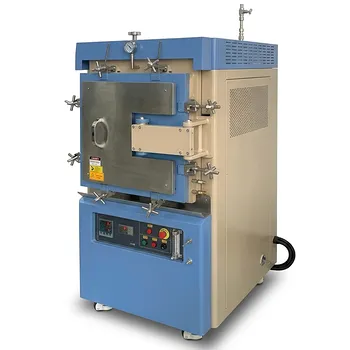
Atmosphere Controlled Muffle Furnace 1700C Maximum Temperature 80L High Capacity Vacuum Inert Gas Box Furnace
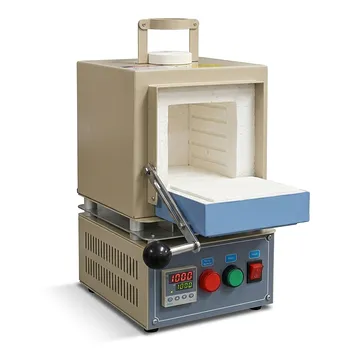
Compact 1000C Muffle Furnace with Programmable Controller and 2 Inch Top Port for Vacuum and Atmosphere Material Research