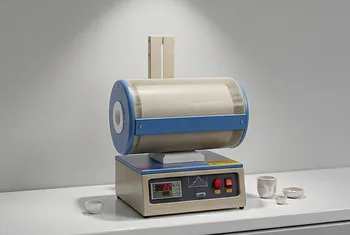
The Architecture of Absence: Why Controlled Atmosphere is the Soul of Sludge-Based Carbon Activation
Aug 03, 2026
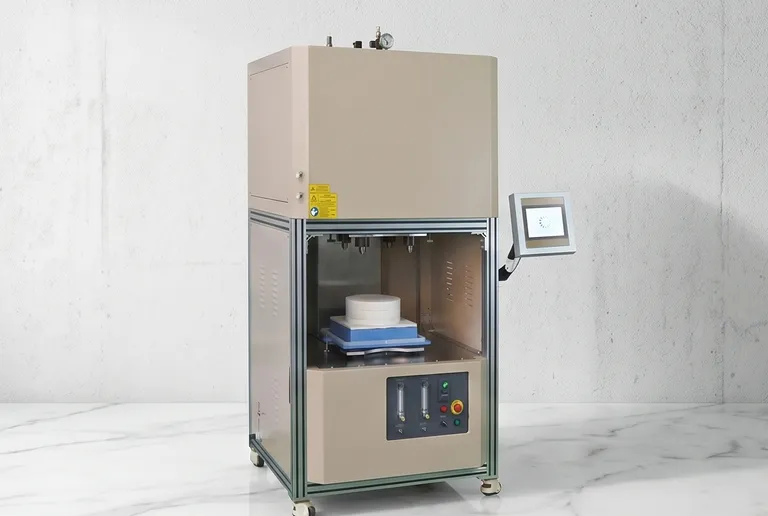
The Paradox of Controlled Destruction
In material science, we often think of "creation" as the assembly of components. However, in the world of activated carbon, creation is an act of surgical removal.
To transform municipal or industrial sludge—a complex, messy byproduct of our civilization—into a high-performance filtration medium, we must destroy the right things while preserving the essential. This requires more than just heat; it requires the absolute absence of oxygen.
An engineer understands that at 800°C, the difference between a high-value carbon framework and a pile of useless ash is simply a few hundred milliliters of nitrogen per minute.
The War Against Ash: Total Oxygen Exclusion
At temperatures between 600°C and 800°C, thermodynamics is a relentless adversary. If oxygen is present, the carbon-rich precursors in sludge will spontaneously ignite.
Without a nitrogen-protected atmosphere, the furnace becomes a crematorium rather than a reactor.
- Preserving the Skeleton: By flooding the chamber with high-purity nitrogen, the furnace exhausts oxygen. This forces the organic components to carbonize rather than combust, maximizing the fixed carbon yield.
- The Integrity of the Carrier: The inert environment prevents "ashing." It ensures that the structural integrity of the carbon is maintained, allowing the material to retain its physical form as it undergoes chemical stress.
The Chemistry of Precision: Selective Etching
Once the oxygen is gone, the furnace becomes a stage for high-temperature chemical ballet. When activation agents like KOH (Potassium Hydroxide) are introduced, the atmosphere furnace facilitates what we call selective etching.
| Mechanism | Process | Result |
|---|---|---|
| Anaerobic Pyrolysis | Driving off volatiles without oxygen interference. | Stable carbon framework with high thermal stability. |
| Selective Etching | KOH reacting with the carbon matrix at specific temperatures. | Development of intricate micro and mesopore networks. |
| N-Q Functionalization | Nitrogen atoms integrating into the carbon lattice. | Enhanced chemical reactivity and adsorption capacity. |
The Mechanics of the Flow
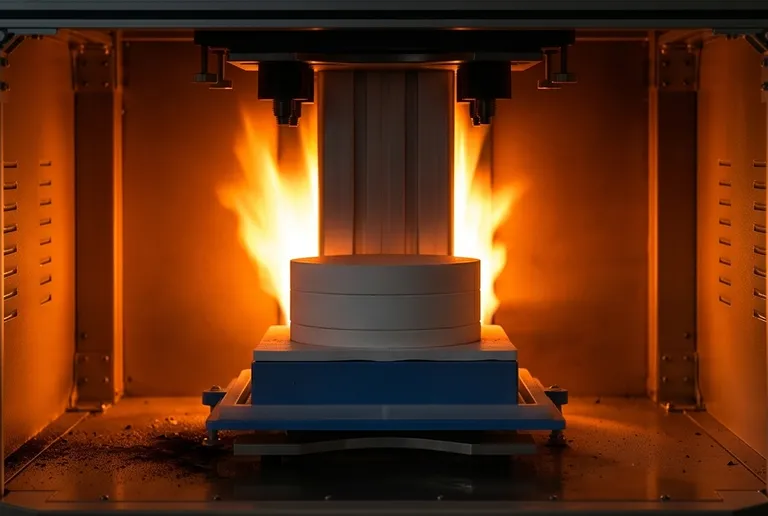
Success in the lab is rarely about big ideas; it is about the mastery of small variables. In a tube furnace, the nitrogen flow rate—typically between 300 and 500 mL/min—is the heartbeat of the process.
The Problem of By-products
As sludge heats up, it releases gaseous impurities and volatiles. If these gases linger, they can re-deposit onto the carbon surface, "choking" the pores you are trying to create. A constant, precise flow of nitrogen acts as a scavenger, carrying these impurities away to maintain a pristine reaction environment.
The Risk of Thermal Gradients
Inert gas flow is a double-edged sword. If the flow is too low, volatiles accumulate. If it is too high, it can create thermal gradients, cooling one side of the sample and leading to uneven activation. True precision requires a furnace that balances gas dynamics with uniform heat distribution.
Strategic Paths for Material Development
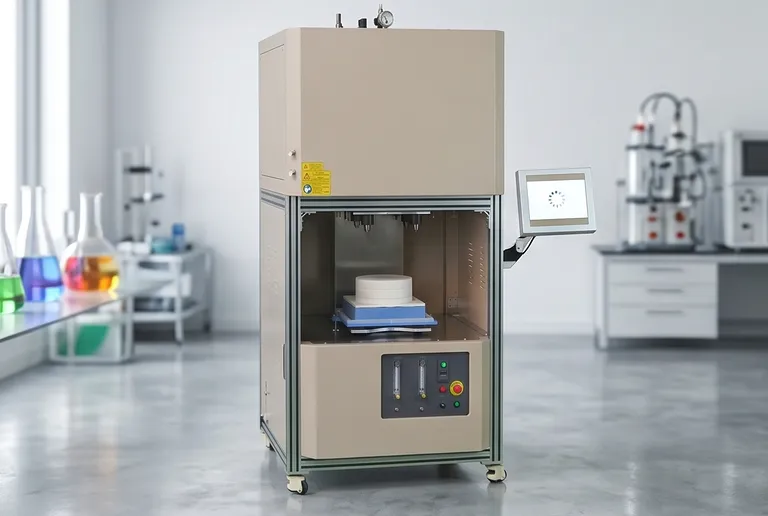
Depending on the intended application of your activated carbon, your furnace parameters must shift.
- For Maximum Surface Area: Prioritize a steady nitrogen flow (400-500 mL/min) and an extended "soak time" at 700°C. This allows the activation agent ample time to carve out the pore structure.
- For High Carbon Yield: Use a slow temperature ramp rate. Rapid heating can lead to "case hardening," where the outer shell carbonizes too quickly, trapping volatiles and potentially rupturing the internal structure.
- For Enhanced Reactivity: Target the 600°C–800°C range with high-purity nitrogen to encourage the formation of quaternary nitrogen (N-Q) groups, which improve the carbon's ability to capture specific pollutants.
Engineering the Future of Waste
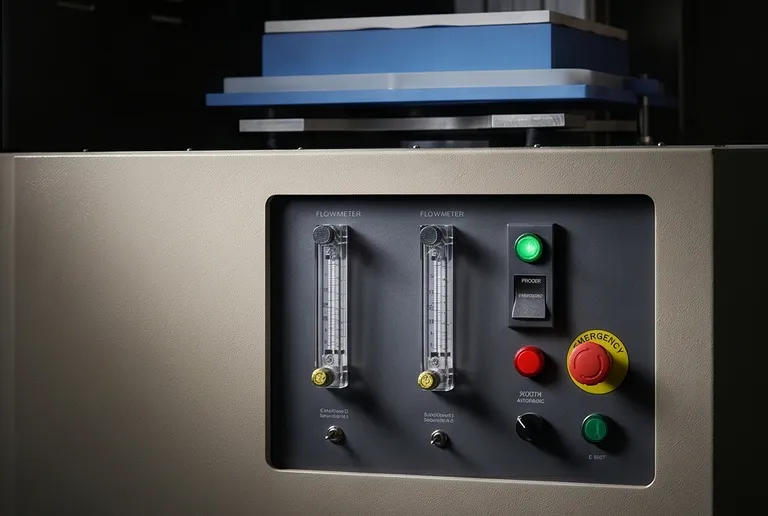
The nitrogen-protected furnace is not merely a heater; it is a precision tool that dictates the structural and chemical destiny of waste materials. At THERMUNITS, we understand that in the pursuit of high-performance materials, the equipment must be as sophisticated as the science behind it.
From Vacuum and Atmosphere Tube Furnaces to Rotary Kilns designed for uniform activation, our thermal processing solutions provide the stability and control required for the next generation of industrial R&D.
Whether you are scaling up sludge-to-carbon projects or exploring the frontiers of CVD and material synthesis, our systems are built to ensure your results are consistent, repeatable, and pure.
To explore how our advanced thermal systems can optimize your carbon activation research, Contact Our Experts.
Quick Links
Suggested Products
1100C Dual Zone Hydrogen Gas Tube Furnace with Quartz Tube and Integrated H2 Leak Detection System High Temperature Oxygen and Inert Atmosphere Controlled Furnace 8 Liter 1700C Sintering System for Advanced Materials RD High Temperature Hydrogen Atmosphere Box Furnace 1650C Max Reducing Environment Material Synthesis System 8x8x8 Chamber 1200C Hydrogen Atmosphere Box Furnace with 5 Heated Sides and 64L Chamber 1700C Hydrogen Gas Tube Furnace with 60mm Alumina Process Tube and Integrated Hydrogen Safety DetectorFurther Reading
The Invisible Guardian: Why Precision Diamond Hydrogenation Demands Quantitative Scent The Geography of Atoms: Engineering the Thermal Gradient in CVD Synthesis The Geometry of Heat: Why Atmosphere Control is the Silent Architect of Micro-Copper The Ghost in the Fiber: How Thermal Precision Rewrites the Surface Life of Hafnium Oxide
ThermUnits
Last updated on Apr 14, 2026
Related Products
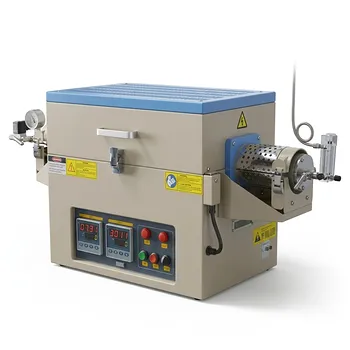
1100C Dual Zone Hydrogen Gas Tube Furnace with Quartz Tube and Integrated H2 Leak Detection System
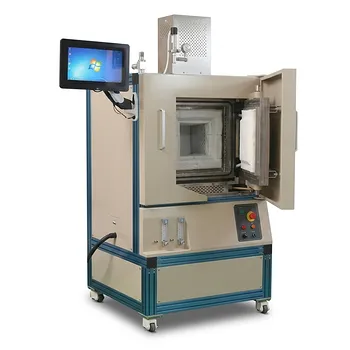
High Temperature Oxygen and Inert Atmosphere Controlled Furnace 8 Liter 1700C Sintering System for Advanced Materials RD
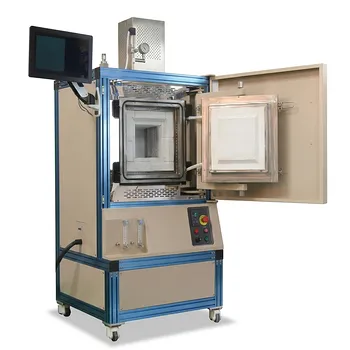
High Temperature Hydrogen Atmosphere Box Furnace 1650C Max Reducing Environment Material Synthesis System 8x8x8 Chamber
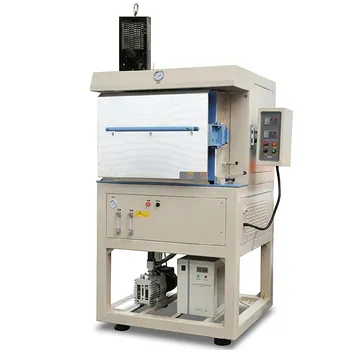
1200C Hydrogen Atmosphere Box Furnace with 5 Heated Sides and 64L Chamber

1700C Hydrogen Gas Tube Furnace with 60mm Alumina Process Tube and Integrated Hydrogen Safety Detector
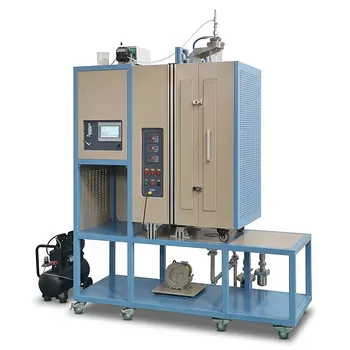
1500C Three Zone Vertical Pyrolysis Furnace for Nanoparticle Synthesis and Advanced Oxide Coating
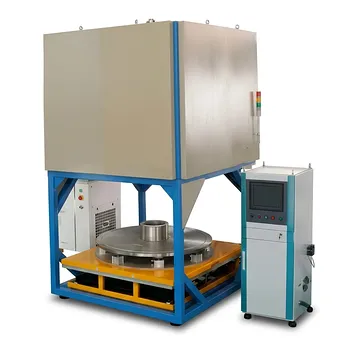
1400C Bottom Loaded Inert Gas Atmosphere Box Furnace with 125L Capacity and Precision Hydraulic Lift
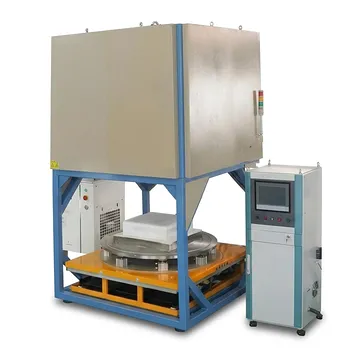
Bottom Loaded Inert Gas Atmosphere Box Furnace 1400C Maximum Temperature 125L High Capacity Laboratory Heat Treatment System
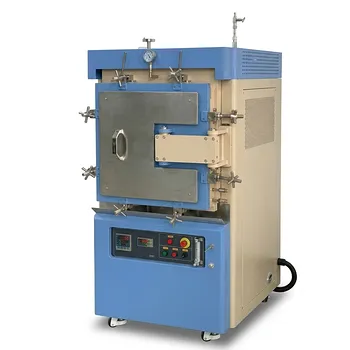
High Temperature Economic Hydrogen Gas Box Furnace 1600C Atmosphere Controlled Thermal Processing System 65L Capacity
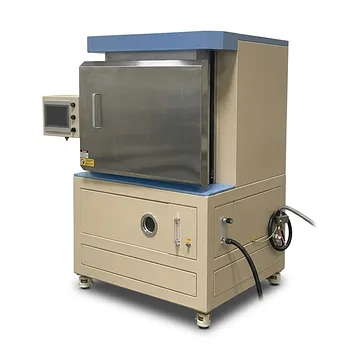
1650C High Temperature Atmosphere Controlled Box Furnace with 65L Chamber for Advanced Material Sintering and Industrial Heat Treatment

High Temperature 1700C Vertical Tube Furnace for Powder Spherification and Material Sintering
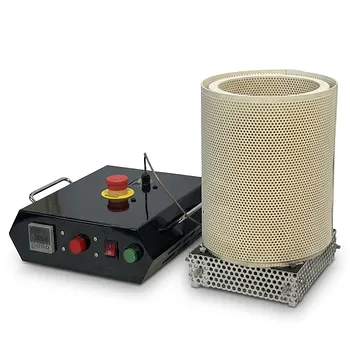
1250 C Compact Vertical Box Furnace for Glovebox Material Research Air Sensitive Samples
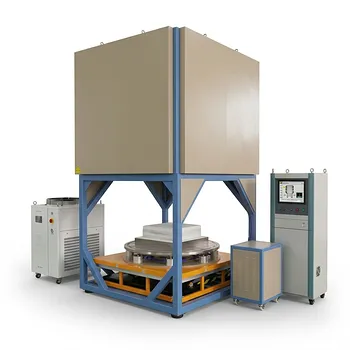
Bottom Loaded Inert Gas Atmosphere Box Furnace 1700C 1300C 216L Large Capacity Industrial Thermal Processing System

Compact Vertical Split Quartz Tube Furnace with Stainless Steel Vacuum Flanges for Rapid Thermal Quenching and Controlled Atmosphere Material Processing
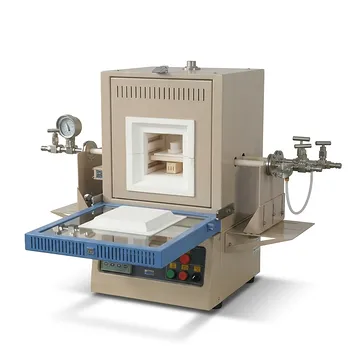
1700C Compact Hybrid Furnace with Dual Layer Box Sintering and Controlled Atmosphere Alumina Tubes
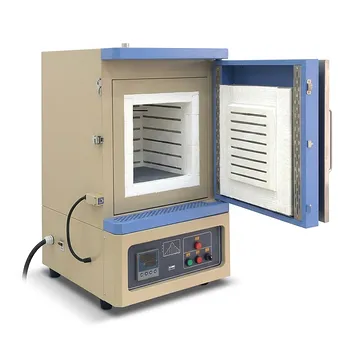
Five Side Heating Muffle Furnace High Purity Alumina Fiber 27L Chamber 1200C High Temperature Thermal Processing System for Sintering Annealing and Materials Research
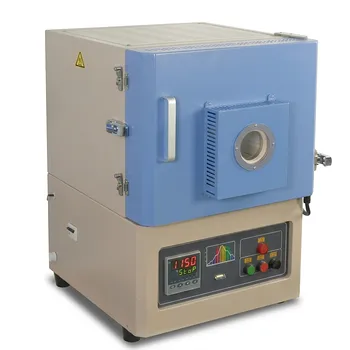
High Temperature Benchtop Muffle Furnace with Quartz Observation Window for Thermal Imaging and Material Analysis
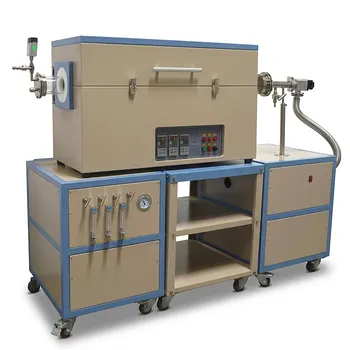
Three Zone Quartz Tube Furnace with 3 Channel Gas Mixer Vacuum Pump and Anti Corrosive Vacuum Gauge
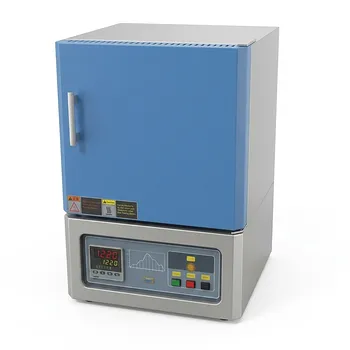
High Temperature Benchtop Muffle Furnace 1700C 10L Chamber Alumina Fiber Insulation MoSi2 Heating Elements