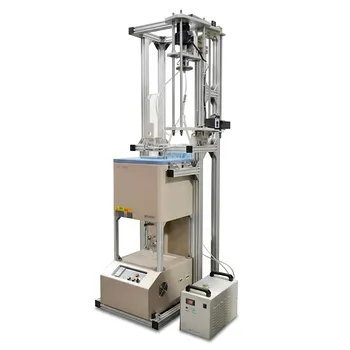
What are the specific metallurgical advantages of the vacuum environment in a VIM furnace? Achieve Extreme Alloy Purity
Updated 5 months ago
The vacuum environment in a Vacuum Induction Melting (VIM) furnace is the primary driver for achieving extreme metallurgical purity. Operating typically at pressures between 10⁻² and 10⁻³ torr, the vacuum acts as both a protective shield and a chemical purifier. It prevents the oxidation of reactive elements, removes dissolved gases through desorption, and eliminates volatile impurities that would otherwise degrade the mechanical properties of high-performance alloys.
The vacuum environment provides a chemically neutral space that facilitates the removal of harmful gases and tramp metals while ensuring that reactive alloying elements remain in solution, resulting in aerospace-grade material with superior cleanliness.
Preventing Oxidation and Nitridation
Protection of Reactive Elements
In a standard atmosphere, reactive elements such as aluminum (Al), titanium (Ti), and hafnium (Hf) would immediately react with oxygen or nitrogen. The vacuum environment prevents these reactions, ensuring these critical elements remain in solution within the melt rather than forming brittle oxides or nitrides.
Precise Micro-Alloying Control
Because the vacuum eliminates atmospheric interference, metallurgists can achieve precise control over alloy chemistry. This is particularly vital for micro-alloying applications where trace additions of elements like vanadium or nitrogen must be maintained at exact levels to ensure material stability and repeatable performance.
Elimination of Oxide-Free Surfaces
The vacuum process produces bright, oxide-free surfaces on the resulting ingots or castings. This often eliminates the need for expensive post-process cleaning or chemical etching, streamlining the production workflow for high-purity components.
Degassing and Volatilization of Impurities
Removal of Dissolved Gases
High vacuum levels facilitate the desorption of dissolved gases such as hydrogen, nitrogen, and oxygen from the liquid metal. Because these gases have high vapor pressures, they are naturally drawn out of the melt and evacuated by the pumping system, preventing internal porosity in the final solid part.
Selective Volatilization of Tramp Metals
The vacuum environment allows for the selective volatilization of undesirable high-vapor-pressure impurities and tramp metals. By manipulating the pressure and temperature, metallurgists can "boil off" specific contaminants that would otherwise compromise the alloy's integrity or heat resistance.
Removal of Volatile Binders
In certain specialized processes, the vacuum environment is essential for the removal of volatile by-products and binders. This ensures that the final material is free of organic residues or chemical contaminants that could cause defects during high-temperature service.
Enhancing Structural Integrity and Cleanliness
Suppression of Slag and Inclusions
By operating without an atmosphere, VIM furnaces significantly suppress slag formation and minimize inclusion pickup. Reducing these non-metallic inclusions is critical for improving the fatigue life and fracture toughness of aerospace and semiconductor-grade alloys.
Compositional Uniformity via Stirring
While the vacuum provides the environment, the induction process creates electromagnetic stirring within the melt. This ensures that the purified metal has a highly uniform chemical composition and temperature distribution throughout the entire batch.
Improved Mechanical Properties
The cumulative effect of gas removal, inclusion suppression, and precise alloying is a material with superior mechanical properties. These alloys exhibit higher consistency and repeatability, which are non-negotiable requirements for mission-critical hardware in extreme environments.
Understanding the Trade-offs
Loss of Desirable Volatile Elements
The primary challenge of the VIM vacuum is that it does not discriminate between harmful impurities and beneficial alloying elements with high vapor pressures. Elements like manganese or chromium can inadvertently volatilize if the vacuum level and melt temperature are not strictly controlled.
Refractory Interactions
At high vacuum and high temperatures, the molten metal may react more aggressively with the crucible's refractory lining. This can lead to "crucible pickup," where ceramic particles or oxygen from the lining contaminate the melt, partially offsetting the benefits of the vacuum environment.
Applying VIM Technology to Your Project
Making the Right Choice for Your Goal
- If your primary focus is Aerospace-Grade Alloys: Utilize VIM to ensure the total removal of hydrogen and oxygen, which prevents embrittlement and ensures maximum fatigue resistance in turbine components.
- If your primary focus is Semiconductor Manufacturing: Leverage the vacuum's ability to eliminate tramp metals and achieve extreme chemical purity required for high-conductive electronic materials.
- If your primary focus is Experimental Research: Use the controlled vacuum to study the behavior of micro-alloying elements in a solid solution state without the interference of atmospheric contaminants.
The vacuum environment of a VIM furnace is the essential foundation for producing the ultra-clean, high-performance materials required by modern high-technology industries.
Summary Table:
| Advantage | Technical Mechanism | Metallurgical Impact |
|---|---|---|
| Oxidation Prevention | Removal of O2 and N2 | Retains reactive elements like Al, Ti, and Hf in solution. |
| Degassing | Low-pressure desorption | Removes H, N, and O to prevent internal porosity. |
| Impurity Volatilization | Vapor pressure manipulation | "Boils off" tramp metals and volatile chemical contaminants. |
| Slag Suppression | Atmosphere-free melting | Minimizes non-metallic inclusions and improves fatigue life. |
| Composition Control | Neutral environment | Precise micro-alloying with repeatable chemical results. |
Transform Your Material Research with THERMUNITS
As a global leader in high-temperature laboratory equipment, THERMUNITS empowers material scientists and industrial R&D teams with precision thermal processing solutions. Our Vacuum Induction Melting (VIM) furnaces are specifically engineered to provide the extreme vacuum levels (10⁻² to 10⁻³ torr) necessary for producing aerospace-grade, ultra-pure alloys.
From Muffle, Vacuum, Atmosphere, and Tube furnaces to advanced CVD/PECVD systems, Rotary kilns, and Hot Press furnaces, we offer a comprehensive range of equipment designed to meet the most rigorous heat treatment standards.
Ready to elevate your alloy purity and structural integrity?
Contact THERMUNITS Today to discuss your specific high-purity requirements and discover how our advanced thermal solutions can optimize your R&D outcomes.
Mentioned Products
- 1900C Maximum High Temperature 7KW Vacuum Induction Melting System with 60mm Quartz Tube and Manual Temperature Control for Metallic Alloy Research
- Induction Melting Casting Furnace 1750C Vacuum High Frequency Metal Processing Unit
- Atmosphere Controlled Induction Melting Granulating Casting Furnace 1500C 5kg Capacity
- High Temperature Induction Melting System with Integrated Ultra High Purity Glove Box for Metallic Alloy Processing
- High Pressure 600T Vacuum Induction Hot Press Furnace for Advanced Material Heat Treatment and Sintering
People Also Ask
- What is the primary role of a Vacuum Induction Melting furnace in the smelting of Fe-Cr-N alloys? Ensuring High Purity
- How does a Vacuum Induction Melting furnace heat materials while preventing atmospheric contamination? Achieve High Purity
- What are the key structural components that make up a Vacuum Induction Melting (VIM) furnace system? Full Guide
- How does the skin effect influence VIM frequency selection? Optimize Heat Penetration & Stirring Efficiency
- What technical advantages does Vacuum Induction Melting offer regarding alloy homogeneity and purity? Enhance Performance

Tech Team · ThermUnits
Last updated on Apr 14, 2026
Related Products
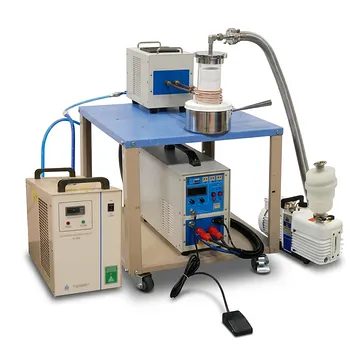
1900C Maximum High Temperature 7KW Vacuum Induction Melting System with 60mm Quartz Tube and Manual Temperature Control for Metallic Alloy Research
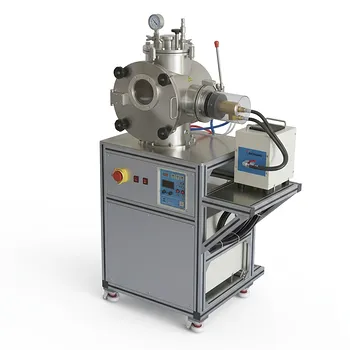
Induction Melting Casting Furnace 1750C Vacuum High Frequency Metal Processing Unit
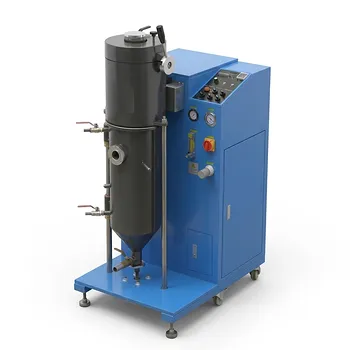
Atmosphere Controlled Induction Melting Granulating Casting Furnace 1500C 5kg Capacity
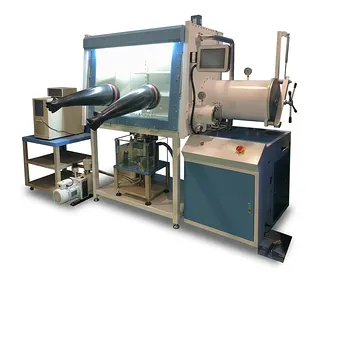
High Temperature Induction Melting System with Integrated Ultra High Purity Glove Box for Metallic Alloy Processing
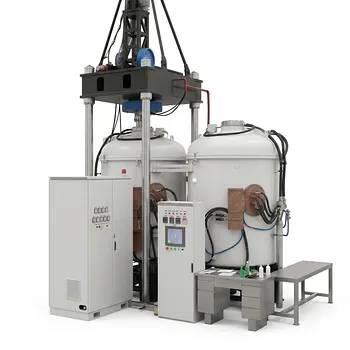
High Pressure 600T Vacuum Induction Hot Press Furnace for Advanced Material Heat Treatment and Sintering
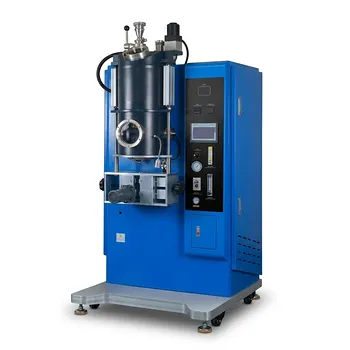
Atmosphere Controlled Continuous Casting Furnace with Secondary Charge Function for Induction Melting and Metal Alloy Wire Production
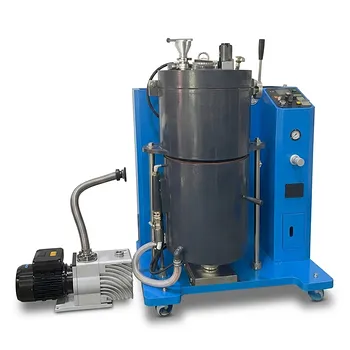
Atmosphere Controlled Induction Melting Casting System 1600C 10L Capacity
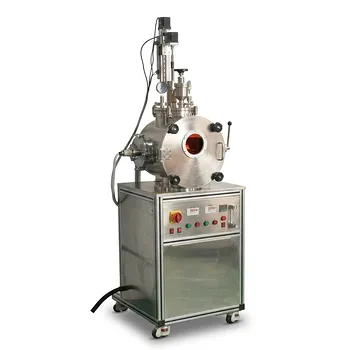
High Vacuum Melting Casting Furnace with Mechanical Stirring and Secondary Charge for Metallic Alloy Research
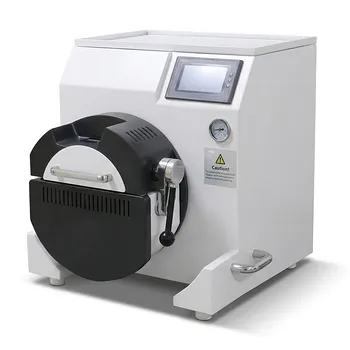
Desktop Induction Melting Furnace with Automatic Rotary Casting Function up to 1700C for Advanced Metal Alloy Research
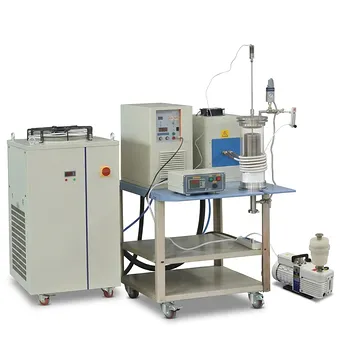
High Temperature Induction Melting System with Multi Cavity Crucible and 15KW Precision Digital Temperature Control
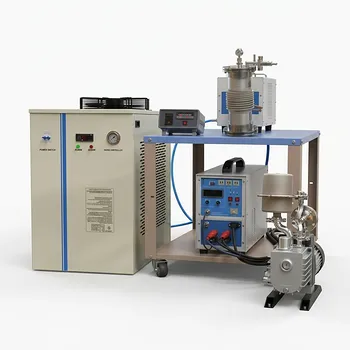
Induction Heating System with Temperature Control for High Temperature Vacuum Sintering and Melting
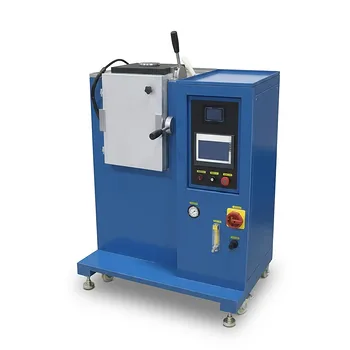
High Throughput Induction Melting and Casting Furnace for Superalloy Research 1700C Atmosphere Controlled Multi Sample System
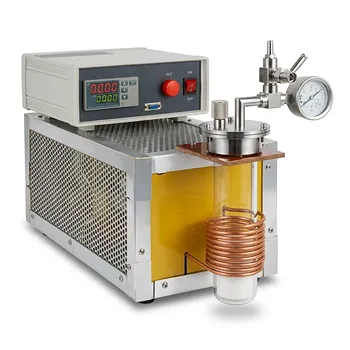
High Temperature Mini Induction Heating Furnace 1600C Laboratory Material Melting System
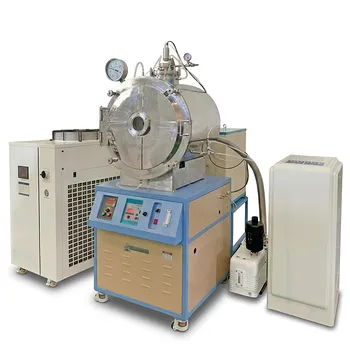
Ultra High Temperature Induction Heated Vacuum Furnace with Molten Salt Electrolysis Capability and 3000 Degree Precision Control
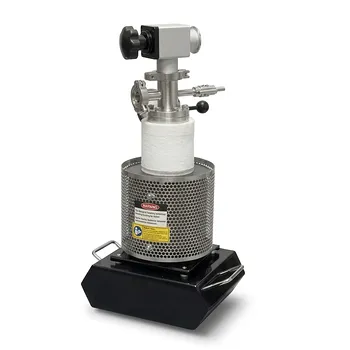
High Temperature 1100C Compact Top Loading Vertical Vacuum Tube Furnace for High Vacuum Noble Metal Melting and Material Research
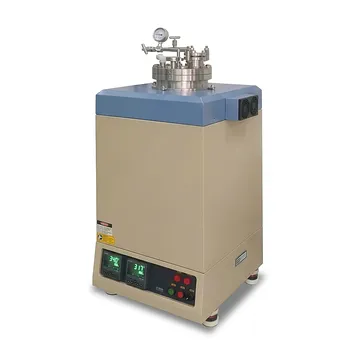
High Temperature 1000C Vacuum Furnace with 8 Inch ID Chamber for Material Sintering and Research Annealing
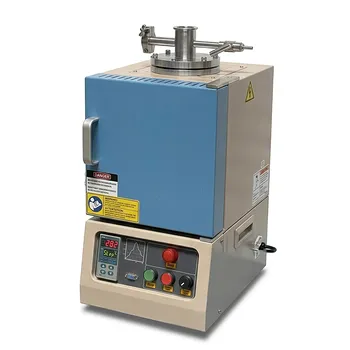
High Temperature Hybrid Muffle and Tube Furnace with Vacuum Capability and PID Control
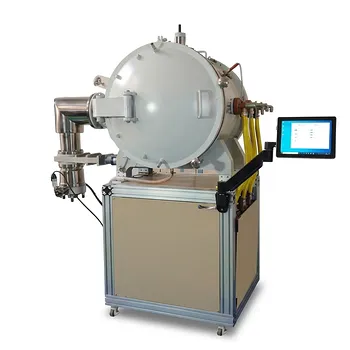
High Temperature Cold Wall Vacuum Furnace for Advanced Material Sintering and Annealing 1600C Heating Area 200x200x300mm
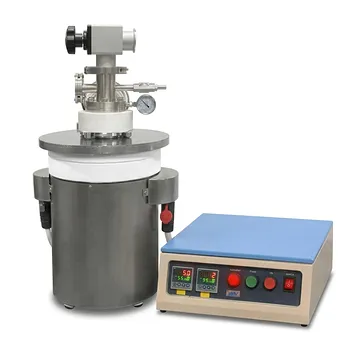
1100C High Temperature Vacuum Crucible Furnace with Quartz Chamber for Thermal Processing and Sintering