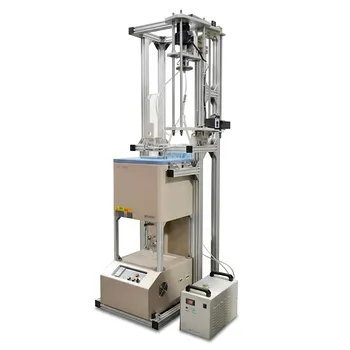
What are the primary applications and functions of a Vacuum Induction Melting (VIM) furnace? Mastering High-Purity Alloys
Updated 5 months ago
Vacuum Induction Melting (VIM) is the definitive process for melting and refining high-purity metals and alloys within a controlled vacuum environment. Its primary function is to eliminate atmospheric contamination while using electromagnetic induction to provide precise temperature control and homogenization. This makes it an essential tool for producing high-value materials like superalloys, stainless steels, and magnetic materials that require rigorous compositional integrity.
The VIM furnace serves as the foundational technology for critical industries by removing dissolved gases and preventing the oxidation of reactive elements. It transforms raw components into high-performance alloys where traditional air-melting methods would fail due to impurity levels.
The Fundamental Functions of VIM
Gas Removal and Impurity Elimination
The vacuum-sealed environment is designed specifically to extract dissolved gases like oxygen, nitrogen, and hydrogen. These gases are pulled from the molten metal, preventing the formation of voids or brittle structures in the final billet. Additionally, the process facilitates the evaporation of volatile impurities such as copper and tin, which can compromise the alloy's performance.
Prevention of Elemental Oxidation
Many high-performance alloys rely on active elements like aluminum (Al), titanium (Ti), and silicon (Si) to achieve their specific properties. In an open-air environment, these elements oxidize rapidly and are lost to the slag; however, VIM protects these elements from oxygen. This protection ensures that the exact chemical ratios required for aerospace or electronic applications are strictly maintained.
Homogenization via Electromagnetic Stirring
The induction coils do more than just heat the metal; they generate an electromagnetic force that creates intense stirring within the melt. This stirring action eliminates temperature gradients and ensures a uniform distribution of alloying elements throughout the entire batch. This mass transfer rate is vital for moving impurities to the surface for evaporation and ensuring a consistent microstructure.
Primary Industrial Applications
Aerospace and High-Temperature Superalloys
VIM is the industry standard for producing nickel-based superalloys and materials like Inconel 718. These materials are used in jet engines and turbines where high-strength and resistance to extreme heat are mandatory. The furnace ensures the high-purity base material necessary for subsequent processes like electroslag remelting (ESR).
Magnetic and Electronic Materials
The production of high-strength silicon steel (Fe-Si alloys) and other magnetic materials relies on the high-vacuum environment of VIM. By eliminating gaseous impurities, the furnace produces billets with clean microstructures. This leads to superior magnetic properties and performance in electrical components and electronic devices.
Precision Casting and Research
Industrial VIM furnaces often incorporate the ability to pour the melt into molds while still under vacuum. This is critical for aerospace-grade precision castings, as it prevents any re-contamination during the transition from liquid to solid. It is also used extensively in research to prepare CoNiCr alloys and other experimental materials requiring high chemical uniformity.
Understanding the Operational Trade-offs
High Capital and Operating Costs
Operating a VIM furnace involves significant investment in vacuum pumping systems and high-frequency power supplies. The maintenance of vacuum seals and the energy required to maintain high temperatures in a vacuum can result in higher per-unit costs compared to air induction melting.
Crucible Interactions
While the vacuum protects the melt from the air, the molten metal is still in contact with the refractory lining of the crucible. At high temperatures and low pressures, certain alloys can react with the crucible material, potentially introducing ceramic inclusions. Selecting the correct refractory material is a critical engineering challenge for every specific alloy melt.
Batch Size and Throughput Limitations
VIM is typically a batch process, which can limit total throughput compared to continuous casting methods. Achieving the necessary vacuum levels takes time, meaning the cycle time for a single melt can be significantly longer than traditional melting techniques.
Choosing VIM for Your Metallurgy Needs
How to Apply This to Your Project
When deciding if a Vacuum Induction Melting furnace is the correct solution for your metallurgical requirements, consider your primary performance goals:
- If your primary focus is gas-sensitive alloys: Use VIM to ensure the total removal of hydrogen and nitrogen, which prevents internal cracking and embrittlement.
- If your primary focus is reactive element retention: Utilize VIM to prevent the oxidation of aluminum, titanium, or silicon, ensuring your alloy meets strict chemical specifications.
- If your primary focus is aerospace-grade purity: Implement VIM as the initial melting stage to provide a high-quality, homogeneous ingot for downstream refining or precision casting.
The VIM furnace remains the most reliable method for achieving the extreme metallurgical cleanliness required by the world's most demanding technical applications.
Summary Table:
| Feature/Aspect | Key Function / Application Detail |
|---|---|
| Core Functions | Degassing, oxidation prevention, and electromagnetic stirring |
| Primary Materials | Nickel-based superalloys, stainless steel, magnetic materials |
| Key Industries | Aerospace, electronics, energy, and advanced metallurgy |
| Main Advantage | Exceptional chemical uniformity and metallurgical cleanliness |
| Process Type | Controlled batch melting for precision R&D and production |
Elevate Your Metallurgical Precision with THERMUNITS
As a global leader in high-temperature laboratory equipment, THERMUNITS empowers material scientists and industrial R&D teams with high-performance thermal solutions. Our Vacuum Induction Melting (VIM) furnaces are engineered to deliver the extreme purity and compositional control required for next-generation superalloys and electronic materials.
Beyond VIM systems, we offer a comprehensive suite of heat treatment technology, including:
- Muffle, Vacuum, Atmosphere, and Tube Furnaces
- Rotary, Hot Press, and Dental Furnaces
- CVD/PECVD Systems and Vacuum Induction Melting (VIM) Furnaces
- Electric Rotary Kilns and high-quality Thermal Elements
Don't compromise on your material integrity. Contact us today to learn how our specialized equipment can enhance your research and production efficiency.
Mentioned Products
- 1900C Maximum High Temperature 7KW Vacuum Induction Melting System with 60mm Quartz Tube and Manual Temperature Control for Metallic Alloy Research
- Induction Melting Casting Furnace 1750C Vacuum High Frequency Metal Processing Unit
- Atmosphere Controlled Induction Melting Granulating Casting Furnace 1500C 5kg Capacity
- High Temperature Induction Melting System with Integrated Ultra High Purity Glove Box for Metallic Alloy Processing
- High Pressure 600T Vacuum Induction Hot Press Furnace for Advanced Material Heat Treatment and Sintering
People Also Ask
- What is the primary role of a Vacuum Induction Melting furnace in the smelting of Fe-Cr-N alloys? Ensuring High Purity
- How does a Vacuum Induction Melting furnace heat materials while preventing atmospheric contamination? Achieve High Purity
- What are the key structural components that make up a Vacuum Induction Melting (VIM) furnace system? Full Guide
- How does the skin effect influence VIM frequency selection? Optimize Heat Penetration & Stirring Efficiency
- What technical advantages does Vacuum Induction Melting offer regarding alloy homogeneity and purity? Enhance Performance

Tech Team · ThermUnits
Last updated on Apr 14, 2026
Related Products
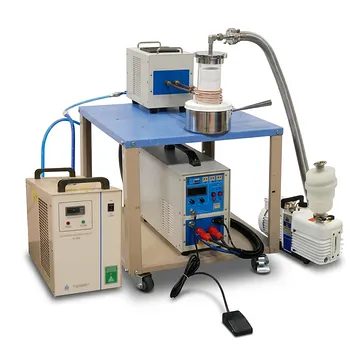
1900C Maximum High Temperature 7KW Vacuum Induction Melting System with 60mm Quartz Tube and Manual Temperature Control for Metallic Alloy Research
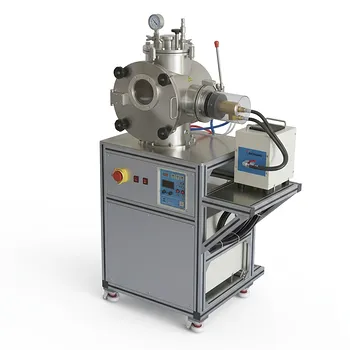
Induction Melting Casting Furnace 1750C Vacuum High Frequency Metal Processing Unit
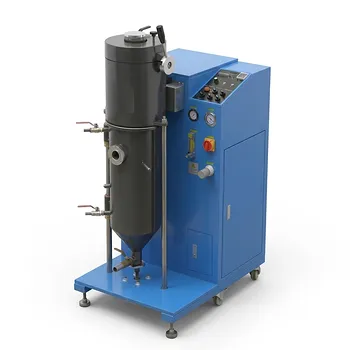
Atmosphere Controlled Induction Melting Granulating Casting Furnace 1500C 5kg Capacity
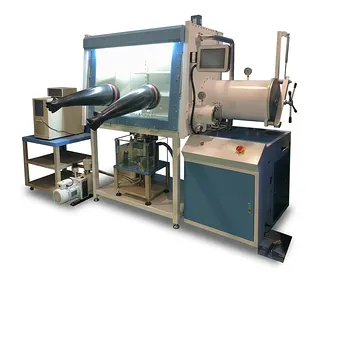
High Temperature Induction Melting System with Integrated Ultra High Purity Glove Box for Metallic Alloy Processing
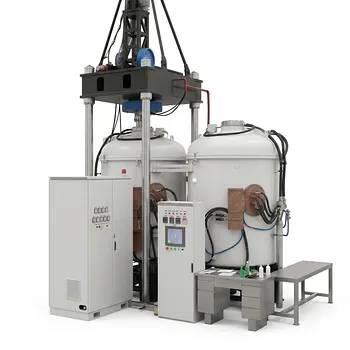
High Pressure 600T Vacuum Induction Hot Press Furnace for Advanced Material Heat Treatment and Sintering
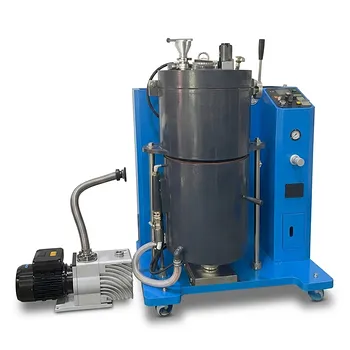
Atmosphere Controlled Induction Melting Casting System 1600C 10L Capacity
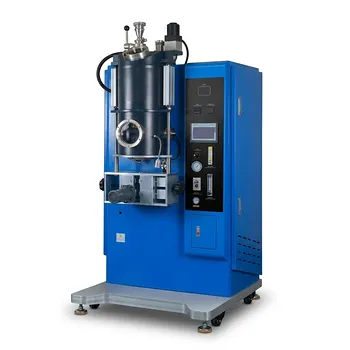
Atmosphere Controlled Continuous Casting Furnace with Secondary Charge Function for Induction Melting and Metal Alloy Wire Production
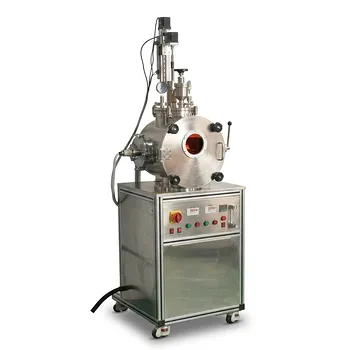
High Vacuum Melting Casting Furnace with Mechanical Stirring and Secondary Charge for Metallic Alloy Research
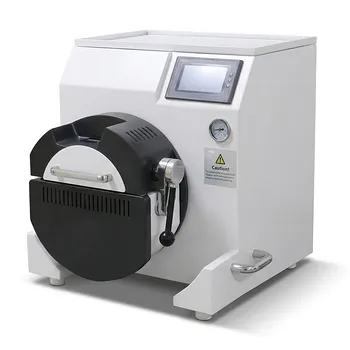
Desktop Induction Melting Furnace with Automatic Rotary Casting Function up to 1700C for Advanced Metal Alloy Research
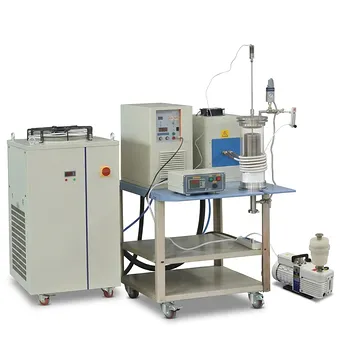
High Temperature Induction Melting System with Multi Cavity Crucible and 15KW Precision Digital Temperature Control
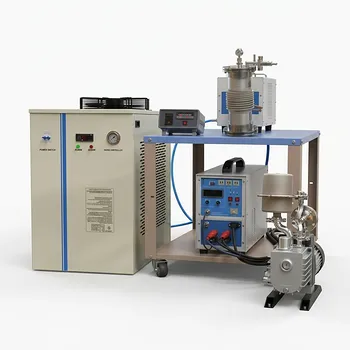
Induction Heating System with Temperature Control for High Temperature Vacuum Sintering and Melting
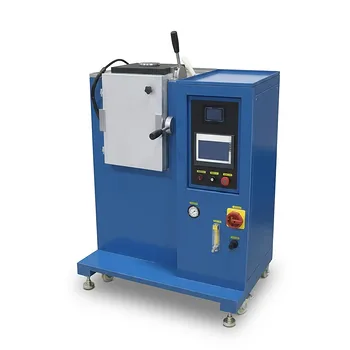
High Throughput Induction Melting and Casting Furnace for Superalloy Research 1700C Atmosphere Controlled Multi Sample System
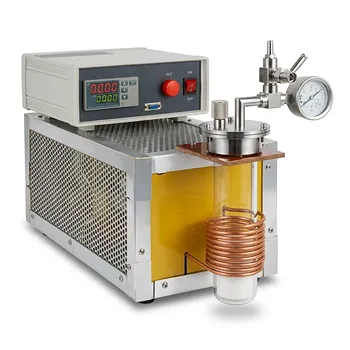
High Temperature Mini Induction Heating Furnace 1600C Laboratory Material Melting System
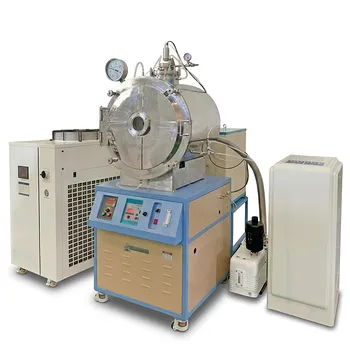
Ultra High Temperature Induction Heated Vacuum Furnace with Molten Salt Electrolysis Capability and 3000 Degree Precision Control
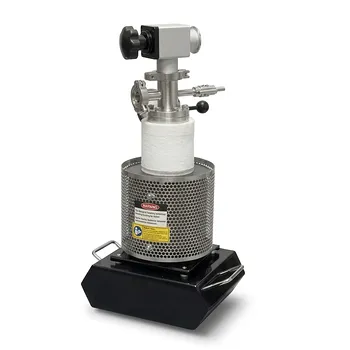
High Temperature 1100C Compact Top Loading Vertical Vacuum Tube Furnace for High Vacuum Noble Metal Melting and Material Research
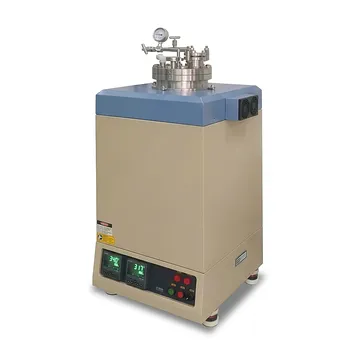
High Temperature 1000C Vacuum Furnace with 8 Inch ID Chamber for Material Sintering and Research Annealing
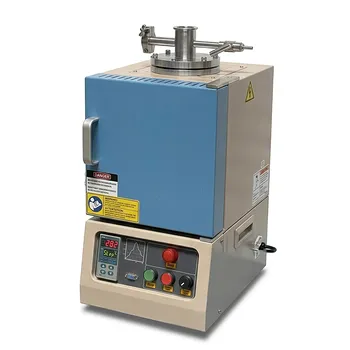
High Temperature Hybrid Muffle and Tube Furnace with Vacuum Capability and PID Control
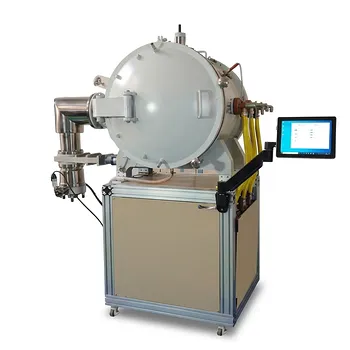
High Temperature Cold Wall Vacuum Furnace for Advanced Material Sintering and Annealing 1600C Heating Area 200x200x300mm
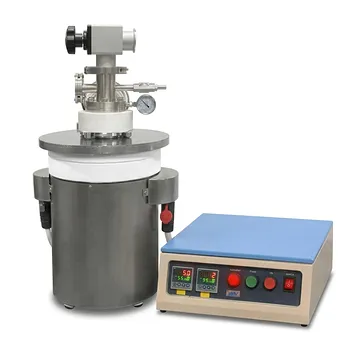
1100C High Temperature Vacuum Crucible Furnace with Quartz Chamber for Thermal Processing and Sintering