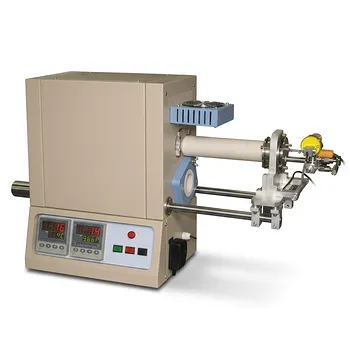
How do dental furnaces contribute to the mechanical performance of zirconia and lithium disilicate restorations?
Updated 5 months ago
Dental furnaces are the critical catalyst for mechanical integrity, facilitating the densification and phase transformations necessary for restorations to withstand oral forces. By providing precise thermal cycles, these furnaces allow zirconia and lithium disilicate to reach near-full density, resulting in high flexural strength and fracture toughness. This process ensures that materials can endure posterior occlusal loads, cyclic fatigue, and environmental erosion over the long term.
Core Takeaway: A dental furnace is not a simple heating element but a precision tool that dictates the final density, microstructure, and grain size of a restoration. Proper thermal processing transforms porous ceramic frameworks into high-strength, chemically stable prosthetics through controlled sintering and crystallization.
Achieving Maximum Mechanical Density
Eliminating Internal Porosity
High-temperature sintering furnaces create environments ranging from 1350°C to 1530°C to facilitate solid-phase sintering of zirconia. This process causes zirconia particles to bond closely through diffusion, eliminating micropores that would otherwise act as failure points under stress.
Pressure Casting for Lithium Disilicate
Dental press furnaces use a combination of vacuum environments and precise pressure control to inject lithium disilicate into investment cavities. This method reduces internal porosity and ensures the integrity of the ceramic crystal structure, resulting in a high-density glass-ceramic restoration.
Managing Predictable Shrinkage
Proper thermal processing ensures that zirconia undergoes a predictable linear shrinkage of typically 15–20 percent. Controlling this shrinkage is vital for achieving excellent marginal adaptation, which prevents mechanical leverage issues and ensures the crown fits accurately on its substrate.
Microstructural Control and Phase Transformation
The Strengthening of Zirconia
The furnace provides the heat necessary for "phase transformation strengthening," a mechanism where zirconia crystals change structure to resist crack propagation. This specific transformation provides the restoration with its final biomechanical strength and hardness.
Transitioning from Machinable to Hard States
For glass-ceramics like lithium disilicate, a ceramic furnace triggers crystallization through precisely controlled heating and holding curves. This transforms the material from a soft, easily machinable state into a finished product with the ideal hardness and toughness for clinical use.
Influence of Grain Growth
The furnace directly determines the grain size of the material by controlling heating rates and high-temperature exposure times. Rapid sintering protocols can limit grain size to improve aesthetic translucency while maintaining the material's underlying structural strength.
Surface Integrity and Chemical Stability
Glazing as a Protective Barrier
Glaze firing furnaces execute specific cycles (e.g., heating to 710°C) to melt glaze materials into a dense, glassy protective layer. This layer fills surface micropores and microscopic cracks, significantly reducing the risk of fracture initiation on the restoration's surface.
Resistance to Acidic Erosion
The dense surface formed during the glazing process acts as a physical barrier against chemical degradation from the oral environment. This protection is critical for maintaining color stability and surface smoothness when exposed to acidic conditions, such as gastric acid.
Understanding the Trade-offs
Speed vs. Material Stability
While rapid sintering protocols save significant time and improve translucency by limiting grain growth, they must be perfectly calibrated. Deviating from manufacturer-recommended cycles can lead to incomplete densification, which compromises the long-term fracture resistance of the framework.
The Risks of Thermal Shock
Inconsistent cooling rates in a furnace can induce internal stresses within the ceramic or between the ceramic and the glaze layer. If the thermal expansion coefficients are not respected through controlled cooling, the "strong" restoration may develop micro-cracks before it is even seated in the patient's mouth.
Optimizing Furnace Protocols for Clinical Success
To ensure the mechanical performance of your restorations meets the highest standards, your processing protocols should align with your specific clinical objectives.
- If your primary focus is Maximum Posterior Strength: Prioritize longer sintering cycles at the manufacturer's peak temperature to ensure 100% densification of zirconia frameworks.
- If your primary focus is High-Translucency Anterior Aesthetics: Utilize rapid sintering protocols that minimize grain growth while ensuring the material still reaches its required crystalline phase.
- If your primary focus is Chemical Longevity: Ensure every restoration undergoes a vacuum-glazing cycle to seal surface defects and protect the material from acidic erosion.
Mastering the thermal variables of your dental furnace is the definitive step in converting high-quality ceramic materials into durable, high-performance dental restorations.
Summary Table:
| Process Mechanism | Material Impact | Clinical Benefit |
|---|---|---|
| High-Temp Sintering | Eliminates internal porosity in Zirconia | Maximum flexural strength & durability |
| Pressure Casting | Ensures high-density glass-ceramic structure | Superior marginal adaptation & fit |
| Phase Transformation | Triggers crystal structure changes | Enhanced fracture toughness & hardness |
| Vacuum Glazing | Seals surface cracks and micropores | High chemical stability & erosion resistance |
| Controlled Cooling | Minimizes internal thermal stresses | Prevents micro-cracking and failure |
Elevate Your Restoration Standards with THERMUNITS
Are you looking to achieve peak mechanical integrity and aesthetic precision in your dental lab? THERMUNITS is a leading manufacturer specializing in high-performance thermal processing solutions for material science and industrial R&D.
We offer a comprehensive range of equipment, including specialized Dental Furnaces, Vacuum and Atmosphere Furnaces, Muffle Furnaces, and CVD/PECVD systems. Our technology ensures precise temperature control and uniform heating, essential for the perfect sintering and crystallization of zirconia and lithium disilicate.
Why choose THERMUNITS?
- Precision Engineering: Achieve 100% densification and predictable shrinkage.
- Versatile Solutions: From dental labs to industrial rotary kilns and VIM furnaces.
- Expert Support: Tailored thermal cycles to match your specific material requirements.
Ready to enhance your laboratory's efficiency and product longevity? Contact our experts today to find the perfect thermal solution for your needs!
Mentioned Products
- Dental Porcelain Zirconia Sintering Ceramic Vacuum Press Furnace
- Vacuum Dental Porcelain Sintering Furnace for High Precision Ceramic Restorations
- Dental Porcelain Zirconia Sintering Ceramic Furnace Chairside with Transformer
- 1800C Bench Top Muffle Furnace 18 Liters with Kanthal Super 1900 Heating Elements for High Purity Ceramic Sintering and Material Research
- High Temperature 1500C Benchtop Muffle Furnace 3.6L Alumina Fiber Chamber Programmable Controller Sintering Annealing Carbonization Thermal Processing System
People Also Ask
- How do zirconia sintering furnaces differ from porcelain firing furnaces? Key Technical & Performance Differences
- How do sintering and firing differ in a dental furnace? Master the key techniques for flawless restorations.
- What is the importance of dental furnaces in material science research and development? Keys to Ceramic Innovation
- What are the specific stages of the zirconia sintering process in a dental furnace? 4 Key Steps for Strength & Aesthetics
- How does a dental furnace prevent material cracking during rapid thermal cycles? Master Precision Thermal Control

Tech Team · ThermUnits
Last updated on Apr 14, 2026
Related Products
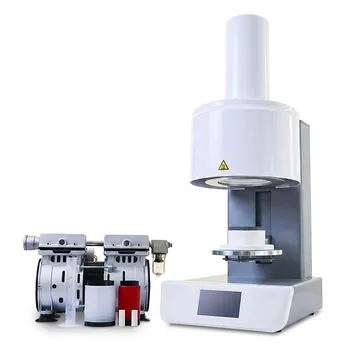
Dental Porcelain Zirconia Sintering Ceramic Vacuum Press Furnace
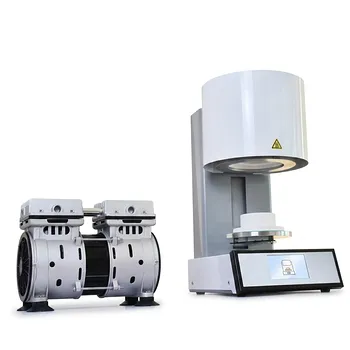
Vacuum Dental Porcelain Sintering Furnace for High Precision Ceramic Restorations
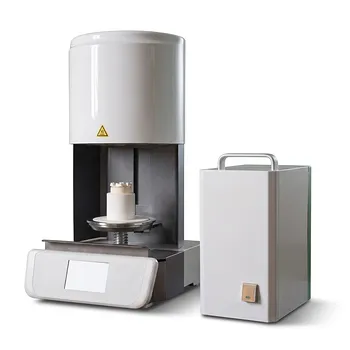
Dental Porcelain Zirconia Sintering Ceramic Furnace Chairside with Transformer
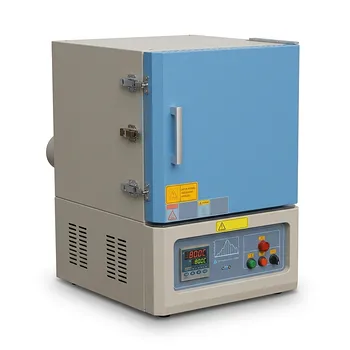
1800C Bench Top Muffle Furnace 18 Liters with Kanthal Super 1900 Heating Elements for High Purity Ceramic Sintering and Material Research
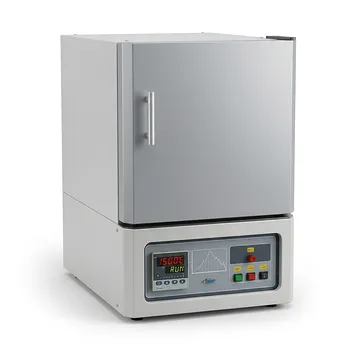
High Temperature 1500C Benchtop Muffle Furnace 3.6L Alumina Fiber Chamber Programmable Controller Sintering Annealing Carbonization Thermal Processing System
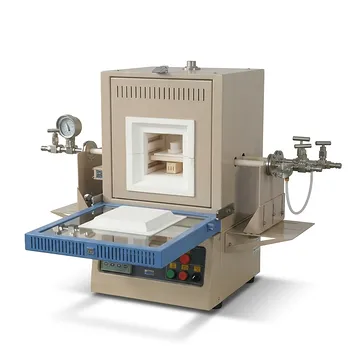
1700C Compact Hybrid Furnace with Dual Layer Box Sintering and Controlled Atmosphere Alumina Tubes
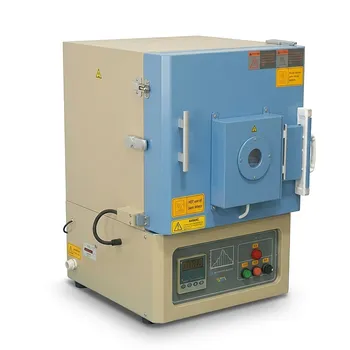
High Temperature Benchtop Muffle Furnace 1500C with 3.6L Chamber and Quartz Observation Window
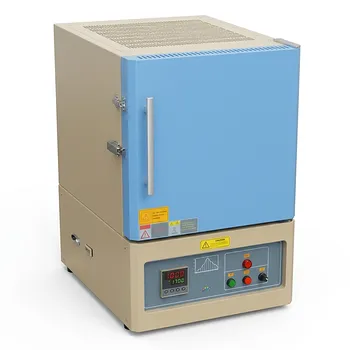
Large Bench Top 1700C High Temperature Muffle Furnace with 19L Chamber for Advanced Material Sintering and Annealing
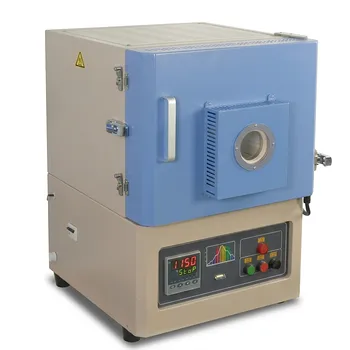
High Temperature Benchtop Muffle Furnace with Quartz Observation Window for Thermal Imaging and Material Analysis
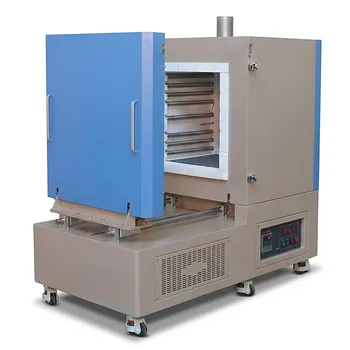
1200C Five Side Heating Muffle Furnace with Sliding Door 125L Volume High Temperature Heat Treatment System for Large Scale Sintering and Annealing
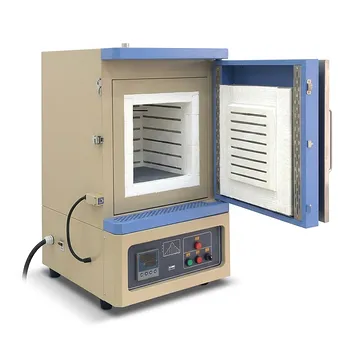
Five Side Heating Muffle Furnace High Purity Alumina Fiber 27L Chamber 1200C High Temperature Thermal Processing System for Sintering Annealing and Materials Research

1800C High Temperature Compact Vacuum Tube Furnace with 60mm OD Alumina Tube and Kanthal MoSi2 Heating Elements
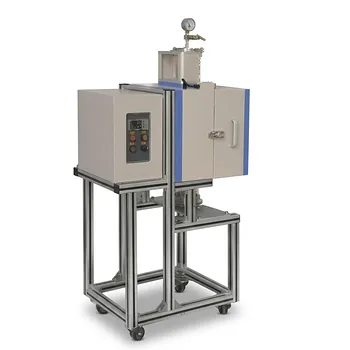
1200°C 5 Inch Vertical Quartz Tube Furnace with Stainless Steel Vacuum Flanges
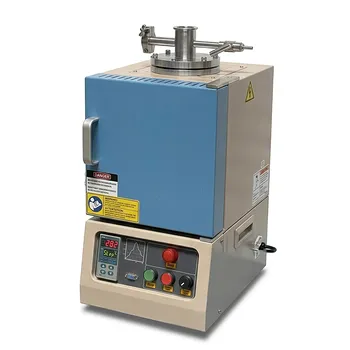
High Temperature Hybrid Muffle and Tube Furnace with Vacuum Capability and PID Control
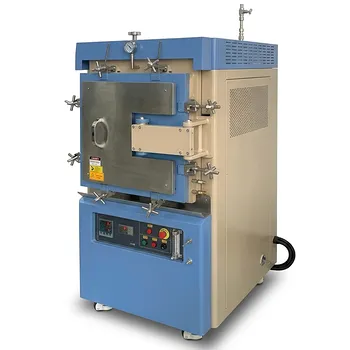
Atmosphere Controlled Muffle Furnace 1700C Maximum Temperature 80L High Capacity Vacuum Inert Gas Box Furnace
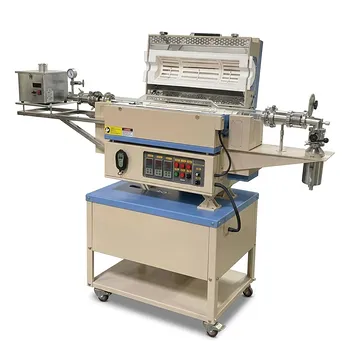
5 Inch Rotary Tube Furnace with Automatic Feeding and Receiving System 1200C Three Zone CVD Powder Processing
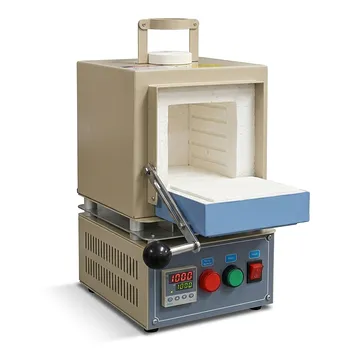
Compact 1000C Muffle Furnace with Programmable Controller and 2 Inch Top Port for Vacuum and Atmosphere Material Research
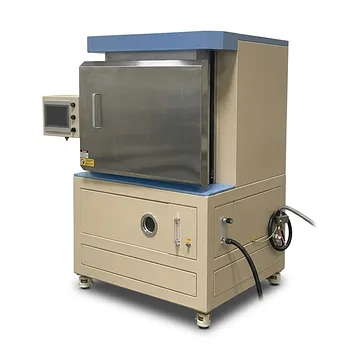
1650C High Temperature Atmosphere Controlled Box Furnace with 65L Chamber for Advanced Material Sintering and Industrial Heat Treatment
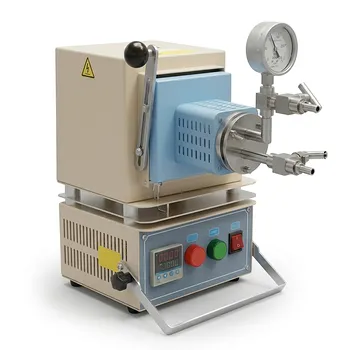
Compact Hybrid Muffle and Tube Furnace for 1000C Controlled Atmosphere Laboratory Material Sintering