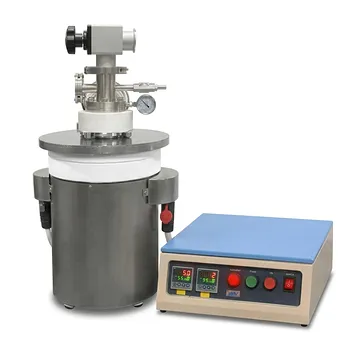
What types of heating elements are utilized in dental furnaces to reach ultra-high temperatures? Expert Guide to MoSi2
Updated 5 months ago
To reach ultra-high temperatures in dental furnaces, Molybdenum Disilicide (MoSi2) and Silicon Carbide (SiC) are the primary heating elements used. While standard porcelain furnaces utilize metallic resistance wires or quartz tubes for lower ranges, MoSi2 is the industry standard for extreme applications, capable of reaching and maintaining stable temperatures up to 1,650°C (and even as high as 1,850°C in specialized industrial settings).
Core Takeaway: Choosing a dental furnace heating element is a balance between target temperature and chemical stability. Molybdenum Disilicide stands as the premier choice for ultra-high sintering due to its unique ability to form a protective oxide layer that prevents degradation at extreme heat.
The Hierarchy of Heating Elements
Molybdenum Disilicide (MoSi2) for Ultra-High Temps
Molybdenum Disilicide is the material of choice when a furnace must reach 1,650°C or higher. These elements are highly valued in dental labs for their stability and minimal chemical interaction with the materials being fired.
Silicon Carbide (SiC) for High-Temperature Sintering
Silicon Carbide rods are typically utilized for temperatures ranging between 1,400°C and 1,550°C. They provide a robust and reliable heat source for high-temperature sintering, though they operate at a slightly lower thermal ceiling than MoSi2.
Metallic and Quartz Elements for Low-Temp Applications
For standard porcelain work, furnaces often rely on metallic resistance wires or elements embedded in quartz tubes. These are efficient and cost-effective but cannot withstand the extreme thermal stress required for modern zirconia sintering.
The Chemistry of Longevity at High Heat
The Role of Self-Passivating Oxide Layers
Both MoSi2 and SiC elements possess a critical "self-healing" property. At high temperatures, they develop a self-passivating oxide layer on their surface.
Protection Against Oxidation
This oxide layer acts as a barrier, protecting the core of the element from oxidation and aggressive atmospheres. This ensures long-term stability and prevents the element from becoming brittle or failing prematurely during repeated firing cycles.
Impact on Material Properties
Reaching these ultra-high temperatures is not just about heat; it is about the modification of the material structure. In polymers and ceramics, extreme heat allows for better homogenization and increased cross-linking bonds, directly resulting in superior mechanical strength and surface microhardness.
Understanding the Trade-offs
Chemical Sensitivity and Contamination
While MoSi2 is highly stable, it can still interact with certain furnace atmospheres. If the protective oxide layer is compromised by chemical vapors, the element may experience "pest" oxidation, leading to rapid degradation.
Brittleness and Handling Risks
High-temperature elements, particularly after they have been "broken in" at heat, become incredibly brittle. They cannot be adjusted or moved easily once they have undergone several firing cycles, making maintenance a high-risk activity.
Energy Consumption and Ramp Rates
Elements like SiC and MoSi2 require sophisticated power controllers to manage their varying electrical resistance. As these elements age, their resistance changes, which can lead to longer firing times or uneven temperature distribution if the furnace software does not calibrate for "element aging."
How to Apply This to Your Lab
Effective element selection depends entirely on the materials you intend to process and the volume of your production.
- If your primary focus is high-strength Zirconia sintering: Opt for a furnace equipped with Molybdenum Disilicide (MoSi2) elements to ensure you can reach the 1,600°C+ range safely.
- If your primary focus is standard restorative ceramics: A furnace with Silicon Carbide (SiC) or quartz-embedded elements will provide the necessary precision without the higher cost of ultra-high temp hardware.
- If your primary focus is material longevity and hardness: Ensure your furnace provides stable, high-temperature treatment near the glass transition temperature to maximize cross-linking and densification.
By matching the heating element's thermal limits to your material requirements, you ensure both the longevity of your equipment and the clinical success of your restorations.
Summary Table:
| Element Type | Max Temperature | Primary Application | Key Benefit |
|---|---|---|---|
| MoSi2 | 1,650°C - 1,850°C | Ultra-high Zirconia sintering | Self-healing oxide layer; extreme stability |
| SiC | 1,400°C - 1,550°C | High-temp restorative ceramics | Robust performance and reliable heat |
| Metallic/Quartz | Low-Temp Range | Standard porcelain work | Efficient and cost-effective for basic use |
Elevate Your Lab's Precision with THERMUNITS
As a leading manufacturer of high-temperature laboratory equipment for material science and industrial R&D, THERMUNITS offers a comprehensive range of thermal processing solutions. Our Dental Furnaces are specifically engineered with high-grade MoSi2 and SiC elements to ensure the chemical stability and ultra-high temperatures required for professional Zirconia sintering.
From Muffle, Vacuum, and Atmosphere furnaces to specialized CVD/PECVD systems, Rotary kilns, and Vacuum Induction Melting (VIM) furnaces, we provide the technology to enhance material homogenization and mechanical strength.
Ready to upgrade your heat treatment capabilities? Contact our experts today to find the perfect solution for your research or production needs!
Mentioned Products
- Dental Porcelain Zirconia Sintering Ceramic Vacuum Press Furnace
- Vacuum Dental Porcelain Sintering Furnace for High Precision Ceramic Restorations
- Dental Porcelain Zirconia Sintering Ceramic Furnace Chairside with Transformer
- Ultra High Temperature Bench Top Muffle Furnace 1750C Sintering System with Kanthal Super Heating Elements and Precision Digital Control
- 1800C Bench Top Muffle Furnace 18 Liters with Kanthal Super 1900 Heating Elements for High Purity Ceramic Sintering and Material Research
People Also Ask
- How do zirconia sintering furnaces differ from porcelain firing furnaces? Key Technical & Performance Differences
- How do sintering and firing differ in a dental furnace? Master the key techniques for flawless restorations.
- What is the importance of dental furnaces in material science research and development? Keys to Ceramic Innovation
- What are the specific stages of the zirconia sintering process in a dental furnace? 4 Key Steps for Strength & Aesthetics
- How does a dental furnace prevent material cracking during rapid thermal cycles? Master Precision Thermal Control

Tech Team · ThermUnits
Last updated on Apr 14, 2026
Related Products
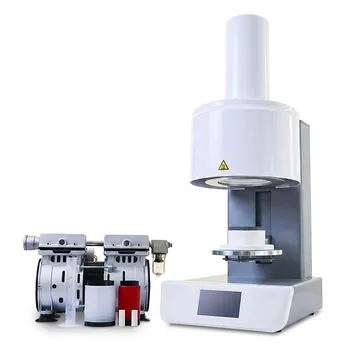
Dental Porcelain Zirconia Sintering Ceramic Vacuum Press Furnace
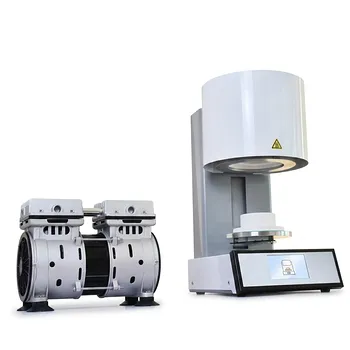
Vacuum Dental Porcelain Sintering Furnace for High Precision Ceramic Restorations
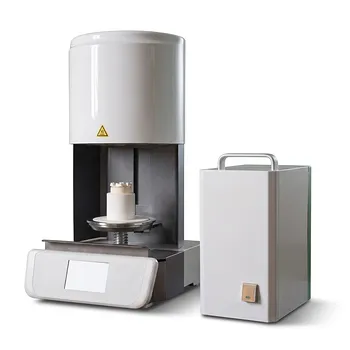
Dental Porcelain Zirconia Sintering Ceramic Furnace Chairside with Transformer
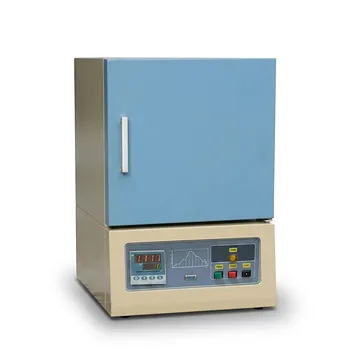
Ultra High Temperature Bench Top Muffle Furnace 1750C Sintering System with Kanthal Super Heating Elements and Precision Digital Control
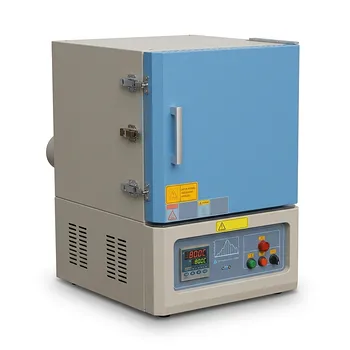
1800C Bench Top Muffle Furnace 18 Liters with Kanthal Super 1900 Heating Elements for High Purity Ceramic Sintering and Material Research
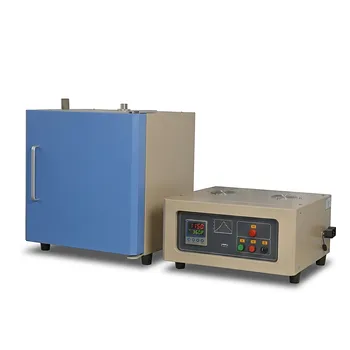
High Temperature Muffle Furnace with Alloy Chamber for Debinding and Sintering Applications
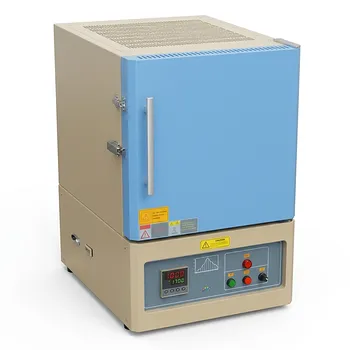
Large Bench Top 1700C High Temperature Muffle Furnace with 19L Chamber for Advanced Material Sintering and Annealing
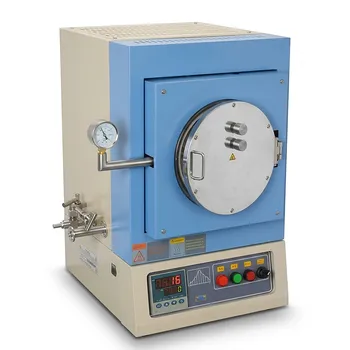
1100°C High Temperature Quartz Chamber Furnace 8 Inch OD with 7.6 Liter Capacity and Vacuum Atmosphere Capability
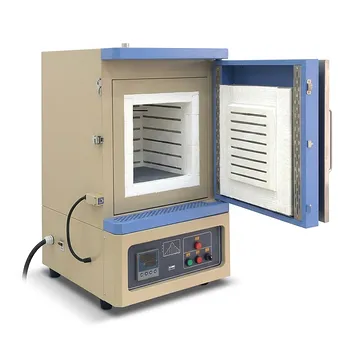
Five Side Heating Muffle Furnace High Purity Alumina Fiber 27L Chamber 1200C High Temperature Thermal Processing System for Sintering Annealing and Materials Research
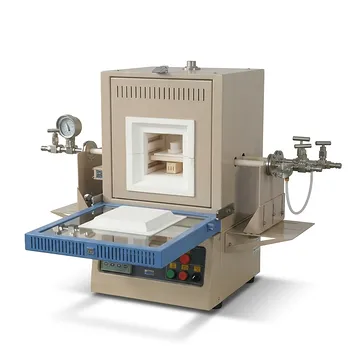
1700C Compact Hybrid Furnace with Dual Layer Box Sintering and Controlled Atmosphere Alumina Tubes
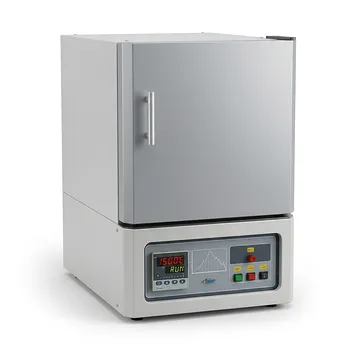
High Temperature 1500C Benchtop Muffle Furnace 3.6L Alumina Fiber Chamber Programmable Controller Sintering Annealing Carbonization Thermal Processing System
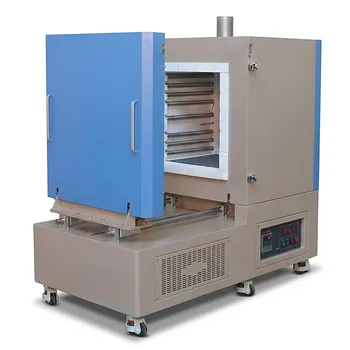
1200C Five Side Heating Muffle Furnace with Sliding Door 125L Volume High Temperature Heat Treatment System for Large Scale Sintering and Annealing
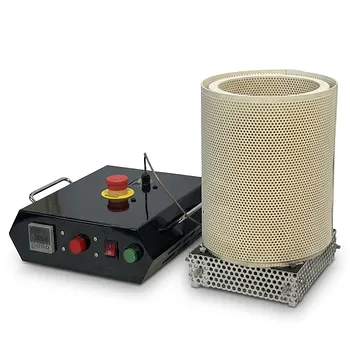
1250 C Compact Vertical Box Furnace for Glovebox Material Research Air Sensitive Samples
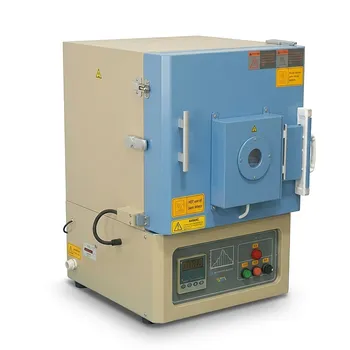
High Temperature Benchtop Muffle Furnace 1500C with 3.6L Chamber and Quartz Observation Window
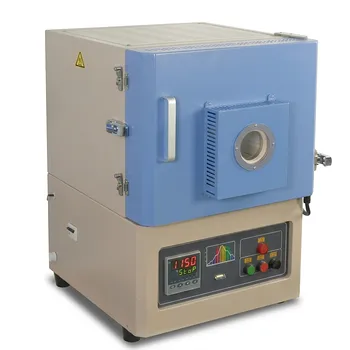
High Temperature Benchtop Muffle Furnace with Quartz Observation Window for Thermal Imaging and Material Analysis
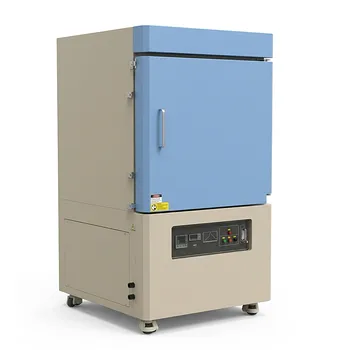
Industrial Large Box Furnace 1700C 216L High Temp Muffle Sintering System
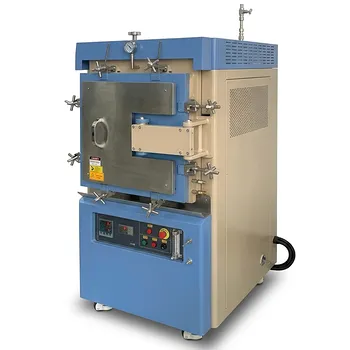
Atmosphere Controlled Muffle Furnace 1700C Maximum Temperature 80L High Capacity Vacuum Inert Gas Box Furnace

1200°C 5 Inch Vertical Quartz Tube Furnace with Stainless Steel Vacuum Flanges
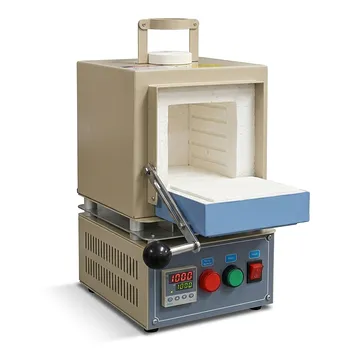
Compact 1000C Muffle Furnace with Programmable Controller and 2 Inch Top Port for Vacuum and Atmosphere Material Research