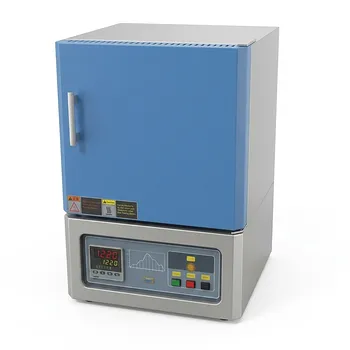
How do quenching and tempering furnaces improve NAB composites? Unlock Superior Hardness and Wear Resistance
Updated 3 months ago
The synergy between quenching and tempering furnaces transforms Nickel-Aluminum Bronze (NAB) from a base alloy into a high-performance composite. By heating the material to 900°C and rapidly cooling it in ice water, the quenching furnace creates a hard, needle-like beta-prime martensite structure. The tempering furnace then refines this structure at 500°C, relieving internal stresses and inducing the precipitation of fine kappa IV phases that provide superior wear resistance.
The combination of quenching and tempering is a two-stage metallurgical refinement: quenching establishes a hard, metastable foundation, while tempering stabilizes the matrix and triggers secondary hardening through controlled phase precipitation.
The Role of Quenching in Structural Transformation
Inducing the Beta-Prime Martensite Phase
The process begins in a high-temperature furnace where the NAB composite is heated to 900°C. This temperature allows the alloying elements to dissolve into a solid solution, preparing the matrix for a complete structural overhaul.
Rapid cooling in an ice-water bath "freezes" this high-temperature state. This creates beta-prime needle-like martensite, a phase characterized by high hardness but significant internal tension.
Freezing the Atomic Structure
Quenching acts as a kinetic trap for solute atoms. By dropping the temperature instantly, the furnace and cooling medium prevent the atoms from migrating into their natural, softer equilibrium positions.
This creates a supersaturated solid solution. This state is critical because it holds the "ingredients" for strengthening in suspension, ready to be released during the next thermal stage.
The Role of Tempering in Phase Precipitation
Relieving Internal Quenching Stresses
The intense cooling of the quenching stage leaves the NAB composite brittle and prone to cracking. A tempering furnace, typically set to 500°C, provides the thermal energy necessary to relax these internal stresses without sacrificing the material's integrity.
This stage ensures the composite is tough enough for industrial applications. Without this stress relief, the material would likely fail under mechanical loading despite its high hardness.
Promoting Kappa IV Precipitation
The true performance boost occurs as the tempering furnace facilitates the growth of kappa IV phases. These fine strengthening phases precipitate both at the grain boundaries and within the grains themselves.
The presence of these dispersed nanoscale κ phases significantly increases the microhardness of the alloy matrix. This refined microstructure is the primary driver behind the composite’s enhanced wear resistance.
Environmental Control and Precision
Preventing Oxidation in Reactive Elements
Nickel-Aluminum Bronze contains elements like aluminum and iron, which are highly reactive at high temperatures. If treated in a standard atmosphere, these elements would oxidize, weakening the composite structure.
Using a high-vacuum tube furnace (maintaining vacuum levels around 10^-4 torr) inhibits these reactions. This ensures the chemical purity of the composite and allows for the full development of diffusion bonds between alloying elements.
The Necessity of Precise Temperature Aging
Precision is paramount during the aging and tempering phases. Laboratory electric resistance furnaces provide the constant-temperature environment required to ensure uniform precipitation.
Small deviations in temperature can lead to over-aging, where the strengthening phases grow too large. Maintaining precise control ensures the phases remain finely dispersed, which is essential for maximizing matrix strength.
Understanding the Trade-offs
Hardness vs. Ductility
While quenching significantly increases hardness through martensite formation, it drastically reduces ductility. If the tempering stage is skipped or performed at too low a temperature, the NAB composite remains brittle and susceptible to catastrophic brittle failure.
Oxidation Risks vs. Equipment Cost
Achieving the best results requires vacuum or inert gas environments to protect the aluminum and iron content. While standard furnaces are more cost-effective, they risk creating oxide inclusions that compromise the material’s fatigue life and density.
Processing Time vs. Microstructural Refinement
Longer tempering or aging times can improve stability but may lead to the "coarsening" of the kappa phases. This reduces the dispersion strengthening effect, highlighting the need for a strict balance between furnace time and desired mechanical properties.
How to Apply This to Your Project
Recommendations for Implementation
- If your primary focus is maximum surface hardness: Prioritize the 900°C quenching stage with an immediate ice-water bath to ensure a high volume of beta-prime martensite.
- If your primary focus is long-term wear resistance: Focus on the tempering stage at 500°C to maximize the precipitation of fine kappa IV strengthening phases.
- If your primary focus is material purity and density: Utilize a high-vacuum sintering or heat treatment furnace to prevent the oxidation of aluminum and iron.
- If your primary focus is structural toughness: Ensure the tempering duration is sufficient to fully eliminate quenching stresses, even if it results in a slight reduction in peak hardness.
By precisely coordinating the thermal cycles of quenching and tempering furnaces, you can engineer a Nickel-Aluminum Bronze composite that excels in both hardness and durability.
Summary Table:
| Process Stage | Temperature | Structural Transformation | Primary Performance Benefit |
|---|---|---|---|
| Quenching | 900°C | Beta-prime needle-like martensite | Significant increase in hardness and strength |
| Tempering | 500°C | Kappa IV phase precipitation | Stress relief and enhanced wear resistance |
| Vacuum Control | Variable | Prevents Al/Fe oxide inclusions | Ensures chemical purity and material density |
| Aging | Precise | Controlled phase dispersion | Stabilizes matrix strength and prevents brittleness |
Elevate Your Material Research with THERMUNITS
As a leading manufacturer of high-temperature laboratory equipment for material science and industrial R&D, THERMUNITS provides the precision thermal solutions required to master complex processes like NAB composite refinement.
Our comprehensive range—including Muffle, Vacuum, Atmosphere, Tube, Rotary, and Hot Press furnaces, as well as CVD/PECVD systems and Vacuum Induction Melting (VIM) furnaces—is engineered to provide the exact temperature control and atmospheric purity your projects demand. Whether you need to prevent oxidation in reactive alloys or achieve perfect phase precipitation, we have the expertise to support your heat treatment goals.
Ready to optimize your lab’s efficiency? Contact us today to discuss your specific thermal processing needs!
References
- Shahad Ali Hammood, Haydar Al-Ethari. A Tribological Study on NAB-Y2O3-CNT Composite prepared by the Powder Metallurgy Method. DOI: 10.48084/etasr.8150
Mentioned Products
- 1200C High Temperature Atmosphere Controlled Vertical Quenching Tube Furnace with 4 Inch Quartz Tube
- High Temperature 1700C Vertical Split Tube Furnace for Material Quenching and Single Crystal Growth
- Compact Vertical Split Quartz Tube Furnace with Stainless Steel Vacuum Flanges for Rapid Thermal Quenching and Controlled Atmosphere Material Processing
- 1200C Five Side Heating Muffle Furnace with Sliding Door 125L Volume High Temperature Heat Treatment System for Large Scale Sintering and Annealing
- Large Bench Top 1700C High Temperature Muffle Furnace with 19L Chamber for Advanced Material Sintering and Annealing
People Also Ask
- Why is a quartz tube furnace necessary for phosphorus-doped MoS2/GO preparation? Ensure Purity & Precise Synthesis
- What are the advantages of using a quartz tube atmosphere furnace for Pt-MFI catalysts? Optimize Precision H2 Reduction
- Significance of Atmosphere Control Tube Furnaces in Hard Carbon Annealing? Enhance Battery Material Performance
- What essential conditions does an atmosphere control tube furnace provide for biomass carbonization? Expert Insights
- How does an atmosphere control tube furnace contribute to the preparation of MOF-derived TiO2 heterojunctions? Expert Guide

Tech Team · ThermUnits
Last updated on Jun 03, 2026
Related Products
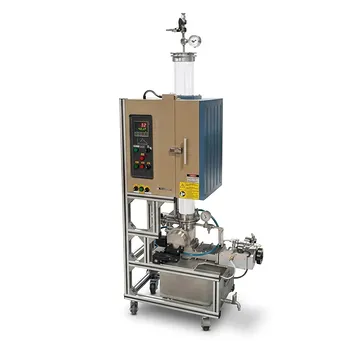
1200C High Temperature Atmosphere Controlled Vertical Quenching Tube Furnace with 4 Inch Quartz Tube
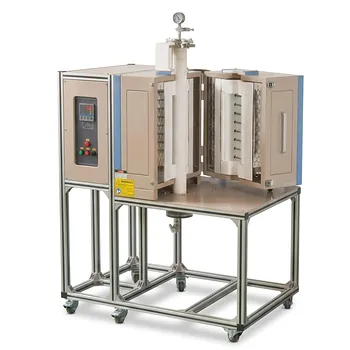
High Temperature 1700C Vertical Split Tube Furnace for Material Quenching and Single Crystal Growth

Compact Vertical Split Quartz Tube Furnace with Stainless Steel Vacuum Flanges for Rapid Thermal Quenching and Controlled Atmosphere Material Processing
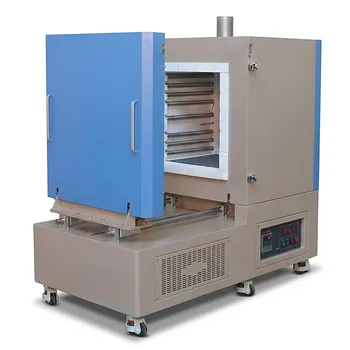
1200C Five Side Heating Muffle Furnace with Sliding Door 125L Volume High Temperature Heat Treatment System for Large Scale Sintering and Annealing
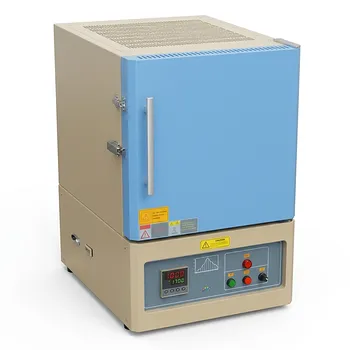
Large Bench Top 1700C High Temperature Muffle Furnace with 19L Chamber for Advanced Material Sintering and Annealing
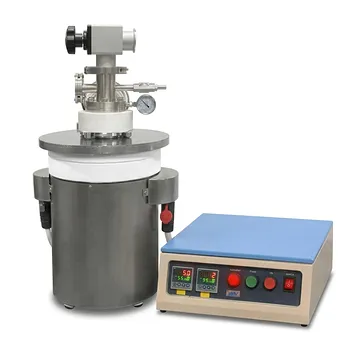
1100C High Temperature Vacuum Crucible Furnace with Quartz Chamber for Thermal Processing and Sintering
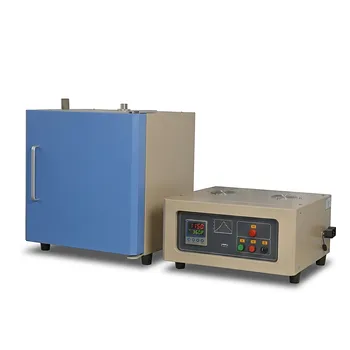
High Temperature Muffle Furnace with Alloy Chamber for Debinding and Sintering Applications
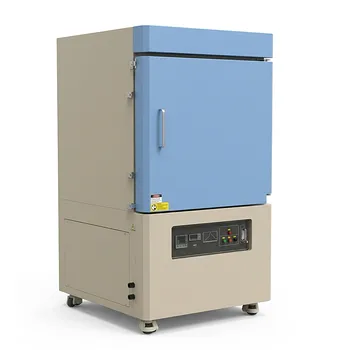
Industrial Large Box Furnace 1700C 216L High Temp Muffle Sintering System
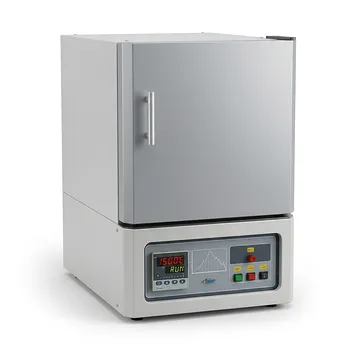
High Temperature 1500C Benchtop Muffle Furnace 3.6L Alumina Fiber Chamber Programmable Controller Sintering Annealing Carbonization Thermal Processing System
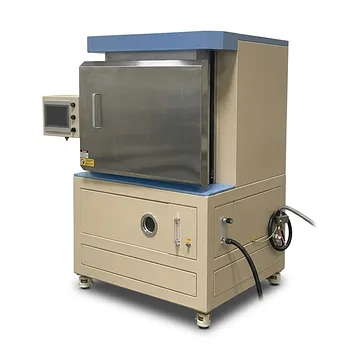
1650C High Temperature Atmosphere Controlled Box Furnace with 65L Chamber for Advanced Material Sintering and Industrial Heat Treatment
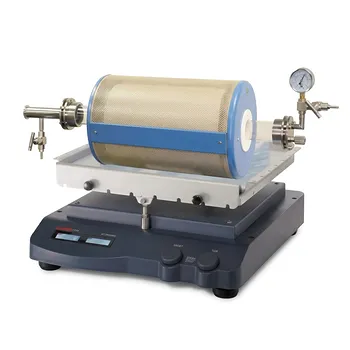
High Temperature Rocking Tube Furnace with Quartz Tube and Vacuum Flange for Materials Synthesis
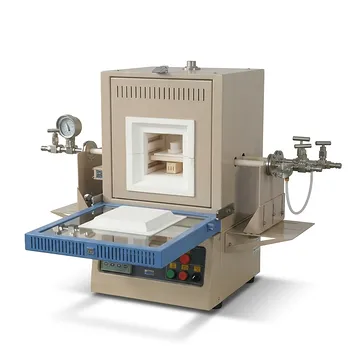
1700C Compact Hybrid Furnace with Dual Layer Box Sintering and Controlled Atmosphere Alumina Tubes
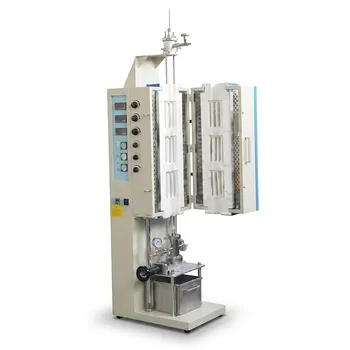
High Temperature Dual Zone Tube Furnace for Material Science Research and Professional Thermal Processing
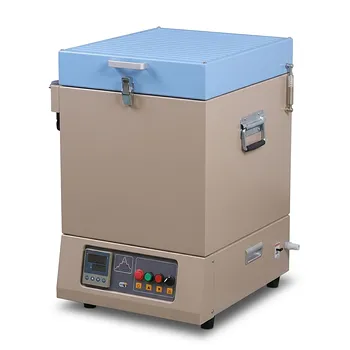
High Temperature Vertical Crucible Furnace with 22L Heating Chamber and 1200C Maximum Temperature
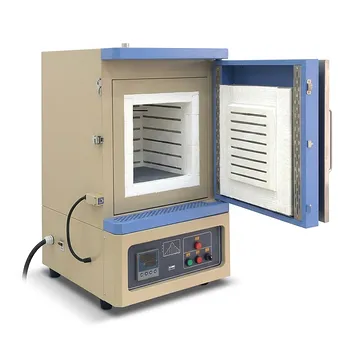
Five Side Heating Muffle Furnace High Purity Alumina Fiber 27L Chamber 1200C High Temperature Thermal Processing System for Sintering Annealing and Materials Research
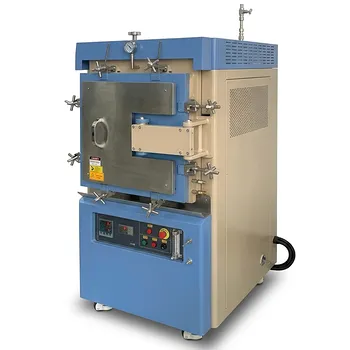
Atmosphere Controlled Muffle Furnace 1700C Maximum Temperature 80L High Capacity Vacuum Inert Gas Box Furnace
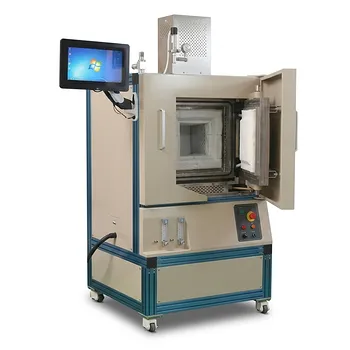
High Temperature Oxygen and Inert Atmosphere Controlled Furnace 8 Liter 1700C Sintering System for Advanced Materials RD
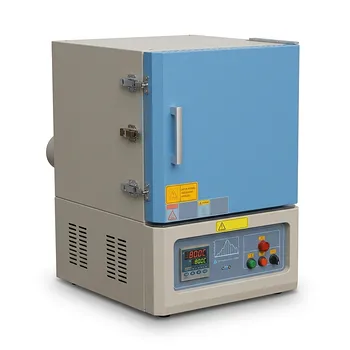
1800C Bench Top Muffle Furnace 18 Liters with Kanthal Super 1900 Heating Elements for High Purity Ceramic Sintering and Material Research

High Temperature 1700C Benchtop Tube Furnace with 5 Inch Heating Zone High Purity Alumina Tube and Vacuum Sealing Flanges