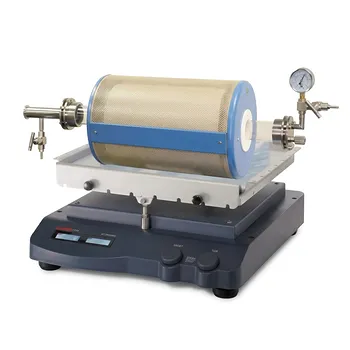
How does an industrial-grade horizontal quartz tube furnace contribute to research on boron-doped diamond stability?
Updated 3 months ago
Industrial-grade horizontal quartz tube furnaces are indispensable for characterizing the thermal stability of boron-doped diamond (BDD) because they provide a highly repeatable, vacuum-sealed environment for high-temperature annealing. By precisely controlling heating rates, holding times, and atmospheric composition, these furnaces allow researchers to simulate the extreme thermal stresses that BDD electronics and industrial tools must survive without undergoing phase transitions or oxidation.
A horizontal quartz tube furnace serves as a high-precision reactor that enables the quantification of material degradation, such as amorphization and carbonization, under strictly controlled thermal and atmospheric conditions. It provides the empirical data necessary to verify how dopant concentrations and protective coatings enhance the diamond’s lifespan in extreme environments.
Simulating Extreme Operating Environments
Precise Control of Thermal Profiles
The furnace allows for the execution of specific heating rates and dwell times to mimic real-world stressors in high-temperature electronics. This precision is critical for identifying the exact temperature thresholds where diamond grains begin to lose their crystalline structure.
Atmospheric Versatility and Inert Environments
Researchers use these furnaces to create inert atmospheres that prevent premature oxidation of the diamond surface. This allows for the study of intrinsic material properties, such as grain evolution, without the confounding variable of atmospheric oxygen.
Replicating Industrial Stress Conditions
For mechanical applications, the furnace can simulate high-intensity grinding environments by maintaining temperatures around 900°C in an air atmosphere. This helps determine how BDD-based tools react to the friction-induced heat encountered in heavy manufacturing.
Quantifying Material Evolution and Degradation
Monitoring Phase Transitions and Amorphization
One of the primary uses of the quartz tube furnace is observing the amorphization evolution of diamond grains. By subjecting thin films to varied thermal cycles, researchers can map the transition from sp3-bonded diamond to less stable carbon phases.
Assessing Oxidation and Carbonization Resistance
The furnace provides a platform to test how effectively coatings, such as boron anhydride (B2O3) or alumina (Al2O3), delay carbonization. By comparing mass changes and thermal resistance coefficients before and after heating, the effectiveness of these protective layers can be quantified.
Evaluating Cyclic Thermal Fatigue
Industrial-grade furnaces are capable of performing cyclic thermal fatigue tests, moving samples between room temperature and high heat (e.g., 400°C) hundreds of times. This process is vital for assessing the durability of thin films used in MEMS packaging and high-frequency power electronics.
Understanding the Trade-offs and Technical Limitations
Temperature Limitations of Quartz
While quartz is highly pure and chemically resistant, it has a functional limit generally around 1100°C to 1200°C. For research requiring temperatures beyond this, more expensive alumina tubes or specialized vacuum furnaces may be required.
Thermal Gradient Challenges
Horizontal furnaces can occasionally suffer from longitudinal temperature gradients where the center of the tube is hotter than the ends. To ensure accurate research data, samples must be placed strictly within the furnace's "constant temperature zone."
Potential for Atmospheric Contamination
If the tube is not properly purged or if seals are worn, trace oxygen can enter the system. This can lead to unintended oxidation, which might be misinterpreted as thermal instability of the diamond itself.
How to Apply This to Your Research
Making the Right Choice for Your Goal
To maximize the value of a horizontal quartz tube furnace in your study of boron-doped diamond, consider your specific research objective:
- If your primary focus is high-temperature electronics: Utilize an inert argon or nitrogen atmosphere to study the thermal threshold for amorphization without the interference of surface oxidation.
- If your primary focus is industrial grinding tools: Conduct tests in an open-air atmosphere at 900°C to evaluate how protective coatings influence the oxidation resistance of diamond grains.
- If your primary focus is durability and lifespan: Implement cyclic thermal fatigue protocols to simulate the long-term operational shocks the material will encounter in practical industrial applications.
By mastering the precise thermal and atmospheric variables offered by an industrial quartz tube furnace, you can accurately define the operational limits and structural integrity of boron-doped diamond.
Summary Table:
| Feature | Research Contribution for Boron-Doped Diamond (BDD) |
|---|---|
| Atmospheric Control | Creates inert/vacuum environments to prevent surface oxidation and isolate intrinsic properties. |
| Precise Thermal Profiles | Allows for exact identification of amorphization thresholds and phase transition temperatures. |
| Cyclic Thermal Testing | Simulates long-term operational shocks to evaluate the durability of BDD thin films and packaging. |
| Coating Validation | Quantifies the effectiveness of protective layers like Al2O3 in delaying carbonization at high heat. |
Optimize Your Advanced Material Research with THERMUNITS
Precision is paramount when studying the thermal limits of synthetic diamonds and high-performance materials. THERMUNITS is a leading manufacturer of high-temperature laboratory equipment, providing the specialized tools needed for cutting-edge material science and industrial R&D.
Our comprehensive range of thermal processing solutions includes:
- Tube and Horizontal Quartz Furnaces for precise atmospheric control.
- CVD/PECVD Systems for advanced thin-film deposition.
- Vacuum, Atmosphere, and Muffle Furnaces for diverse heat treatment needs.
- Hot Press, Rotary, and Vacuum Induction Melting (VIM) Furnaces for specialized industrial applications.
Whether you are evaluating cyclic thermal fatigue or simulating extreme industrial stress, THERMUNITS delivers the reliability and accuracy your research demands.
Ready to upgrade your laboratory’s capabilities?
Contact our technical experts today to find your ideal thermal solution!
References
- Gufei Zhang, Paul May. Annealing-induced evolution of boron-doped polycrystalline diamond. DOI: 10.1103/physrevmaterials.8.044802
Mentioned Products
- 1200°C 5 Inch Vertical Quartz Tube Furnace with Stainless Steel Vacuum Flanges
- Compact Vertical Split Quartz Tube Furnace with Stainless Steel Vacuum Flanges for Rapid Thermal Quenching and Controlled Atmosphere Material Processing
- 1200C High Temperature Atmosphere Controlled Vertical Quenching Tube Furnace with 4 Inch Quartz Tube
- 1200C Three Zone Split Vertical Tube Furnace 4 Inch Quartz Tube Stainless Steel Vacuum Flanges
- Split Vertical Tube Furnace with 1200C Quartz Tube and Stainless Steel Vacuum Flanges for Rapid Thermal Processing
People Also Ask
- Why is a quartz tube furnace necessary for phosphorus-doped MoS2/GO preparation? Ensure Purity & Precise Synthesis
- What is the primary function of a Quartz Tube Furnace in ZnO VLS growth? Master High-Precision Nanowire Synthesis
- Why is high-temperature annealing in a quartz tube furnace done after HfO2 deposition? Unlock peak film performance.
- What functions do quartz tube furnaces perform in NMC111 calcination? Enhance material purity and performance.
- What role does a single-temperature zone quartz tube furnace play in the growth of monolayer MoS2? Optimize 2D Synthesis

Tech Team · ThermUnits
Last updated on Jun 03, 2026
Related Products

1200°C 5 Inch Vertical Quartz Tube Furnace with Stainless Steel Vacuum Flanges

Compact Vertical Split Quartz Tube Furnace with Stainless Steel Vacuum Flanges for Rapid Thermal Quenching and Controlled Atmosphere Material Processing
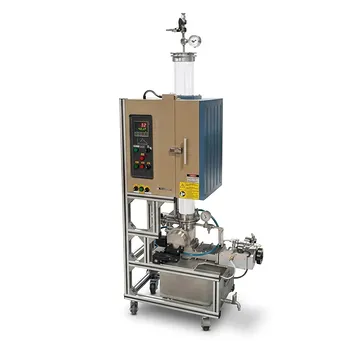
1200C High Temperature Atmosphere Controlled Vertical Quenching Tube Furnace with 4 Inch Quartz Tube
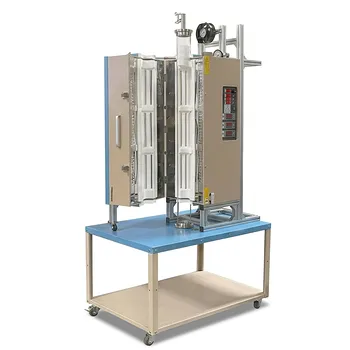
1200C Three Zone Split Vertical Tube Furnace 4 Inch Quartz Tube Stainless Steel Vacuum Flanges
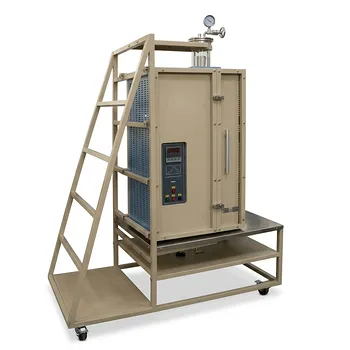
Split Vertical Tube Furnace with 1200C Quartz Tube and Stainless Steel Vacuum Flanges for Rapid Thermal Processing
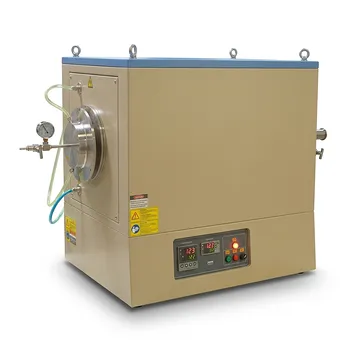
1100°C Large Diameter Quartz Tube Furnace with 24 Inch Heating Zone and Water Cooled Flanges
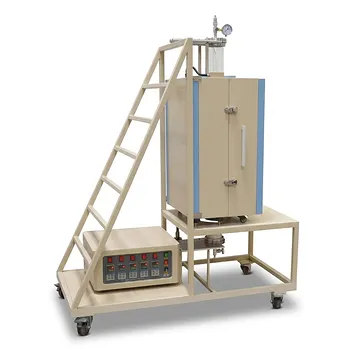
Five Zone Split Vertical Tube Furnace 1200C Max with 4 Inch Quartz Tube and Stainless Steel Vacuum Flanges
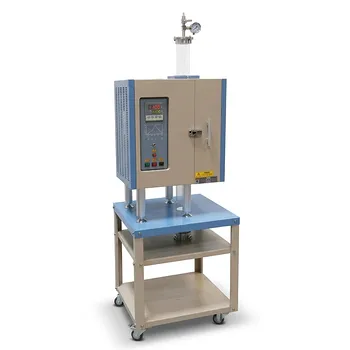
1100°C Split Vertical Tube Furnace with 80mm Quartz Tube and Stainless Steel Vacuum Flanges
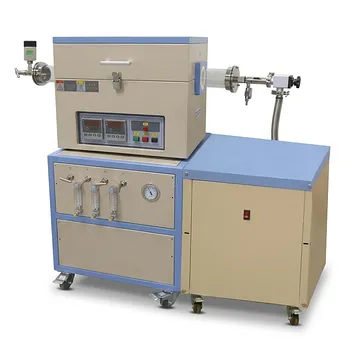
Dual Zone Quartz Tube Furnace with 80mm Diameter 1200C Max Temperature 3 Channel Gas Mixer and Vacuum Pump System

Three Zone Tube Furnace with 11 Inch or 15 Inch Quartz Tube and Hinged Flanges for Vacuum Atmosphere Heat Treatment
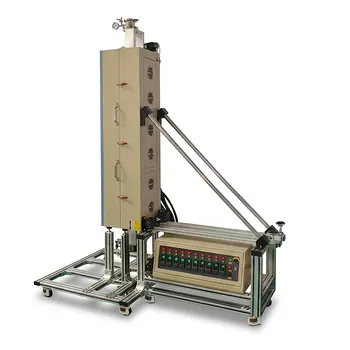
1200°C 10-Zone Split Tube Furnace with Horizontal and Vertical Mounting for Multi-Zone Thermal Gradients and Large Diameter Material Processing
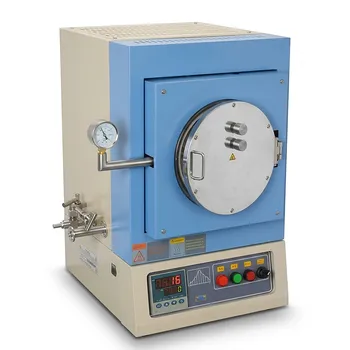
1100°C High Temperature Quartz Chamber Furnace 8 Inch OD with 7.6 Liter Capacity and Vacuum Atmosphere Capability
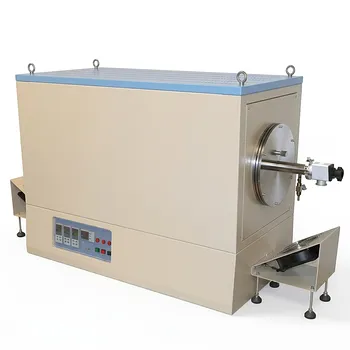
1100°C Three Zone Tube Furnace with 8.5 to 11 Inch OD Quartz Tube and Vacuum Flanges for Large Wafer Processing
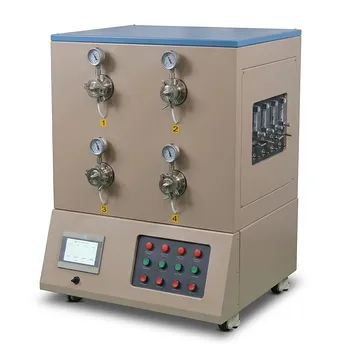
High Throughput 1200C Four Channel Tube Furnace with 3 Inch Quartz Tubes for Multi Zone Annealing and Material Research
Three Zone Quartz Tube Furnace with 3 Channel Gas Mixer Vacuum Pump and Anti Corrosive Vacuum Gauge
Ten Zone Multi Orientation Laboratory Tube Furnace for 1200C High Temperature Gradient Thermal Processing
Three Zone Tube Furnace with 24 Inch Heating Length and Hinged Flange Quartz Tube System
Single Zone Tube Furnace 5 Inch Quartz Tube 36 Inch Heating Zone Vacuum Flanges
1200C Four Zone Split Tube Furnace with Touch Screen Control and High Purity Quartz Tube and Vacuum Sealing Flanges