How does a lab electric furnace facilitate NAB alloy aging? Master Precision Thermal Processing for Peak Hardness.
Updated 3 months ago
The laboratory electric resistance heating furnace is the critical tool for the aging treatment of Nickel-Aluminum Bronze (NAB) alloys. It provides a highly stable, constant-temperature environment—typically at 350°C and 450°C—that facilitates the controlled precipitation of nanoscale $\kappa$ phases from a quenched martensitic matrix. This thermal input is the driving force behind the dramatic increase in the alloy's microhardness and structural stability.
The furnace serves as a precision instrument to manage the solid-state phase transformation of NAB alloys. By maintaining an isothermal field, it allows for the transition from a non-equilibrium supersaturated state to a strengthened, near-equilibrium microstructure.
The Role of Controlled Thermal Energy in Phase Transformation
Driving Atomic Diffusion in the Matrix
The furnace provides the specific thermal energy required to overcome the activation energy for atomic diffusion. This energy allows solute atoms within the supersaturated martensitic matrix to rearrange themselves into more stable configurations.
Without this precise heat input, the alloy would remain in its quenched, brittle state. The furnace ensures that this diffusion occurs uniformly throughout the entire volume of the sample.
Facilitating Nanoscale $\kappa$ Phase Precipitation
The primary function of aging at 350°C or 450°C is to induce the formation of dispersed nanoscale $\kappa$ phases. These precipitates act as barriers to dislocation movement, which is the fundamental mechanism for increasing microhardness.
The electric resistance heating elements ensure that the temperature does not fluctuate. This stability is vital for achieving a uniform density of precipitates across the alloy’s grains.
Achieving Precise Precipitation Kinetics
Managing the Isothermal Field
A laboratory-grade furnace creates a uniform temperature field that prevents localized variations in microstructure. If one part of the sample were hotter than another, the $\kappa$ phases would grow at different rates, leading to inconsistent mechanical properties.
This isothermal environment is a prerequisite for gathering accurate phase diagram data. It allows researchers to establish a direct correlation between aging time and the resulting material strength.
Controlling Precipitate Size and Distribution
By precisely managing the aging duration, the furnace allows for the fine-tuning of precipitate size. This can range from ultra-fine nanometer scales to larger, more stable dimensions depending on the specific application requirements.
The furnace's ability to maintain a steady state for 5 hours or more is essential for rearrangement of phase structures. This duration ensures the alloy evolves fully from its as-cast state into its target phase.
Maintaining Atmospheric Integrity and Surface Quality
Inhibiting Surface Oxidation
When using specialized equipment like a tube furnace, researchers can introduce a controlled or reductive atmosphere, such as hydrogen. This environment is critical during high-temperature treatments to inhibit surface oxidation.
Preventing the loss of active elements ensures that the core chemistry of the NAB alloy remains unchanged. This leads to a higher-quality surface finish and more reliable experimental results.
Influence of Cooling Rates
Advanced experimental furnaces often include controlled or forced cooling capabilities. The rate at which the alloy cools after aging determines the final morphology of the strengthening phases.
Controlled cooling helps in managing secondary and tertiary phase distributions. This capability provides a final layer of control over the alloy's yield strength and creep resistance.
Understanding the Trade-offs
Temperature vs. Time Optimization
Increasing the furnace temperature generally accelerates the precipitation process but carries the risk of over-aging. If the temperature exceeds the optimal range, the $\kappa$ phases may coarsen, leading to a loss of hardness despite the shorter processing time.
Conversely, lower temperatures require significantly longer furnace residence times to achieve the same hardness levels. This increases energy consumption and may lead to diminishing returns in industrial settings.
Matrix Stress and Brittleness
While aging increases hardness, it can also lead to a decrease in ductility if not managed correctly. Rapid heating or cooling within the furnace can introduce internal thermal stresses that may lead to micro-cracking in complex NAB geometries.
How to Apply This to Your Project
When utilizing a laboratory furnace for NAB alloy aging, your approach should vary based on your desired material outcome.
- If your primary focus is Maximum Microhardness: Set the furnace to a lower aging temperature (e.g., 350°C) for a longer duration to promote the densest possible distribution of fine $\kappa$ phases.
- If your primary focus is Phase Stability: Utilize a higher aging temperature (e.g., 450°C) to allow the microstructure to reach a near-equilibrium state more rapidly.
- If your primary focus is Surface Purity: Use a sealed tube furnace with a reductive atmosphere to prevent oxidation and the depletion of alloying elements during the heating cycle.
By treating the furnace as a precision metallurgical tool rather than a simple heater, you can achieve the exact microstructural characteristics required for high-performance NAB applications.
Summary Table:
| Parameter | Role in NAB Aging Treatment | Key Benefit |
|---|---|---|
| Temp. Control | Maintains stable 350°C - 450°C range | Facilitates nanoscale $\kappa$ phase precipitation |
| Isothermal Field | Ensures uniform heat across the sample | Prevents localized microstructure variations |
| Atmosphere Control | Provides reductive or vacuum environment | Inhibits surface oxidation and element loss |
| Process Duration | Manages long-term isothermal soaking | Fine-tunes precipitate size and distribution |
| Cooling Rate | Controlled or forced cooling cycles | Manages secondary and tertiary phase morphology |
Elevate Your Metallurgical Research with THERMUNITS
At THERMUNITS, we understand that precision is the foundation of material science innovation. As a leading manufacturer of high-temperature laboratory equipment, we provide advanced thermal solutions tailored for industrial R&D and material characterization.
Our comprehensive range includes Muffle, Vacuum, Atmosphere, and Tube furnaces, as well as CVD/PECVD systems and Hot Press furnaces, designed to deliver the stable isothermal fields and atmospheric integrity required for complex aging treatments of NAB alloys. Whether you are optimizing microhardness or investigating phase transformations, our equipment ensures repeatable, high-quality results.
Ready to enhance your lab's thermal processing capabilities?
Contact THERMUNITS Today for a Professional Consultation
References
- Ivana Marković, Jasmina Petrović. Changes in the martensitic b' phase in the nickel aluminum bronze during aging. DOI: 10.5937/ioc24281m
Mentioned Products
- 1750C Bench Top Muffle Furnace 3.6L High Grade Molybdenum Disilicide Heating Elements Laboratory Heat Treatment Equipment
- High Temperature Mini Induction Heating Furnace 1600C Laboratory Material Melting System
- 1100°C Vertical Laboratory Furnace for DIY Tubular Reactors with PID Temperature Controller
- Five Sided Heating Muffle Furnace High Uniformity 1200C Lab Box Furnace 27L Alumina Fiber Chamber
- 1200°C Five Side Heating Atmosphere Controlled Muffle Furnace 64 Liter High Uniformity Box Furnace for Material Synthesis
People Also Ask
- Why is a benchtop muffle furnace essential for U3O8 micromaterials? Achieve precision stoichiometry and purity.
- What materials are typically used for heating elements in muffle furnaces? A Guide to Performance & Temperature Limits
- What role does a laboratory high-temperature muffle furnace play in the ash analysis phase of biomass co-firing research? [Guide]
- What role does a high-temperature muffle furnace play in evaluating the mineral composition of rock samples? LOI & XRF Guide
- What is the function of a muffle furnace in aluminoborosilicate glass prep? Stabilize Raw Materials for Superior Purity

Tech Team · ThermUnits
Last updated on Jun 02, 2026
Related Products
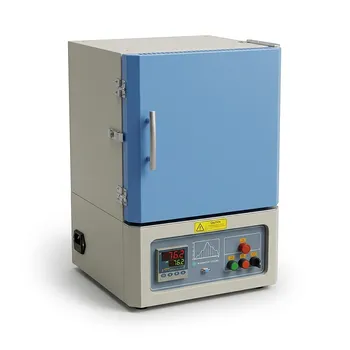
1750C Bench Top Muffle Furnace 3.6L High Grade Molybdenum Disilicide Heating Elements Laboratory Heat Treatment Equipment
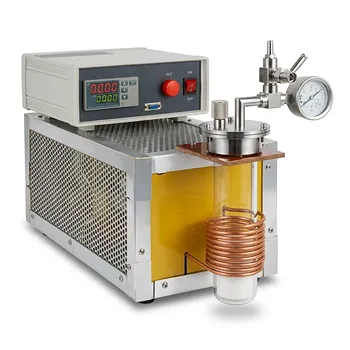
High Temperature Mini Induction Heating Furnace 1600C Laboratory Material Melting System
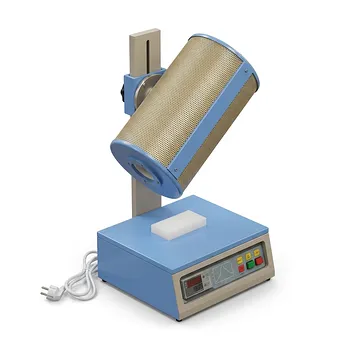
1100°C Vertical Laboratory Furnace for DIY Tubular Reactors with PID Temperature Controller
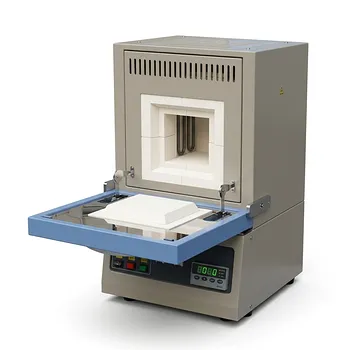
Five Sided Heating Muffle Furnace High Uniformity 1200C Lab Box Furnace 27L Alumina Fiber Chamber
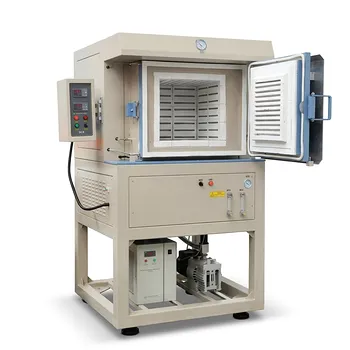
1200°C Five Side Heating Atmosphere Controlled Muffle Furnace 64 Liter High Uniformity Box Furnace for Material Synthesis
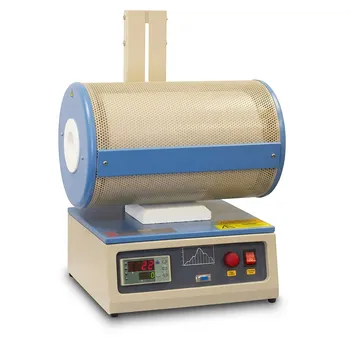
Multi Position Tube Furnace 1100C for Laboratory Material Research and Advanced Industrial Thermal Processing
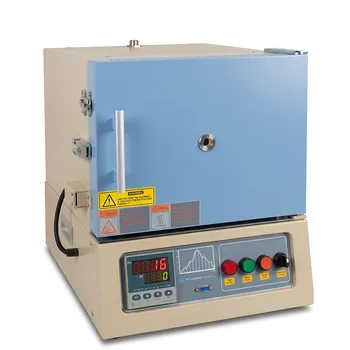
1200C Muffle Furnace 12x8x5 7.2L Heating Chamber with Quartz Observation Window and Vent Port
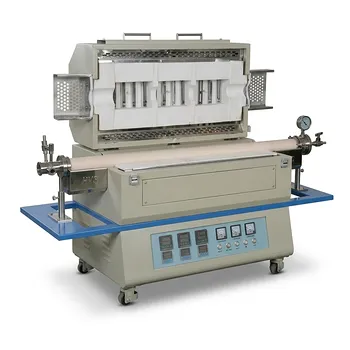
Three Temperature Zone Fast Heating Furnace 1500C Laboratory High Precision Thermal Processing System
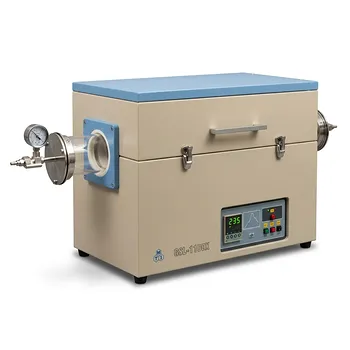
Single Zone Tube Furnace 5 Inch Quartz Tube 36 Inch Heating Zone Vacuum Flanges
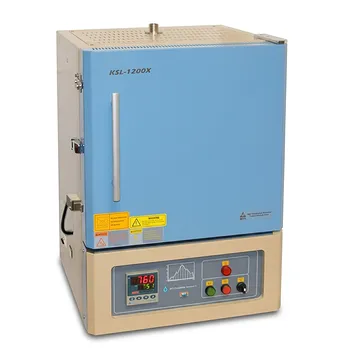
High Temperature 1200C Muffle Furnace 27L Volume 12x12x12 Chamber with Programmable PID Controller for Laboratory Material Science
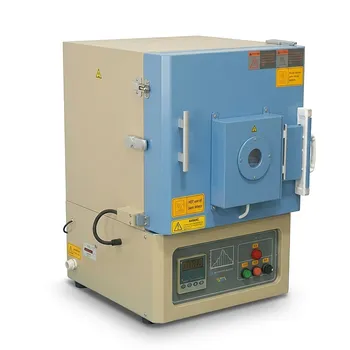
High Temperature Benchtop Muffle Furnace 1500C with 3.6L Chamber and Quartz Observation Window
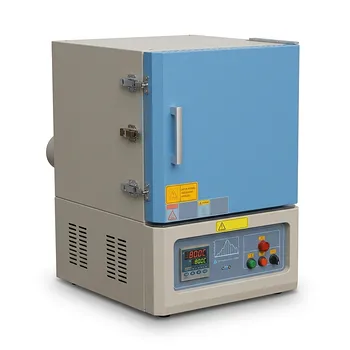
1800C Bench Top Muffle Furnace 18 Liters with Kanthal Super 1900 Heating Elements for High Purity Ceramic Sintering and Material Research
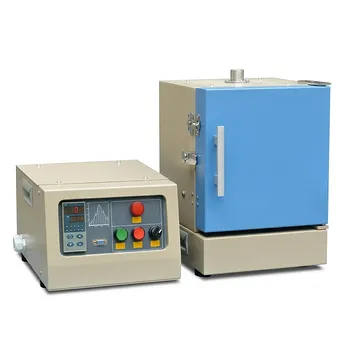
1200C Small Box Muffle Furnace with Separated Programmable Controller and 4.2L Alumina Fiber Chamber
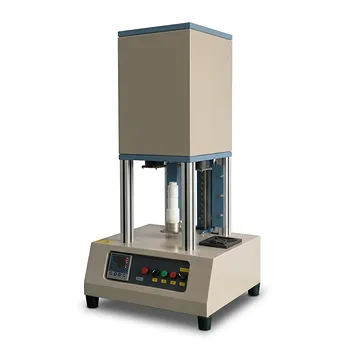
Compact High Temperature Bottom Loading Furnace 1700C Rapid Heating Cooling System Small Sample Thermal Cycling Equipment
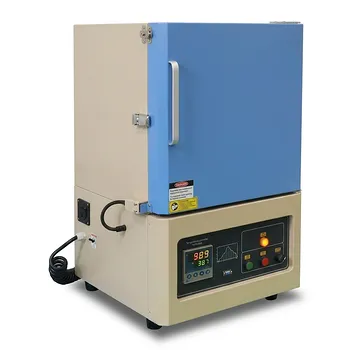
1200°C High Temperature Muffle Furnace 19L Chamber with 50 Segment Programmable Controller
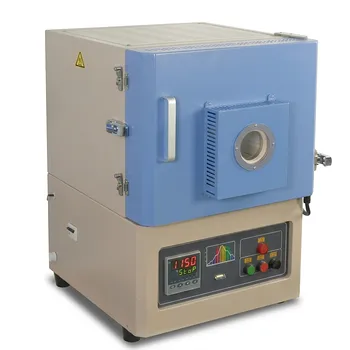
High Temperature Benchtop Muffle Furnace with Quartz Observation Window for Thermal Imaging and Material Analysis
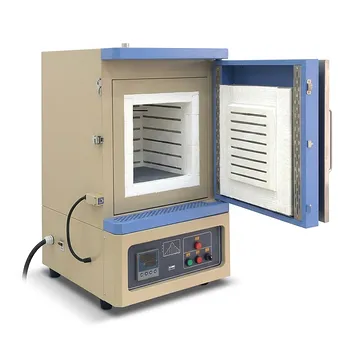
Five Side Heating Muffle Furnace High Purity Alumina Fiber 27L Chamber 1200C High Temperature Thermal Processing System for Sintering Annealing and Materials Research
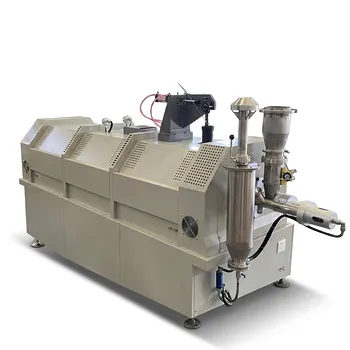
Electric Rotary Kiln Continuous Working Small Rotary Furnace Heating Pyrolysis Plant
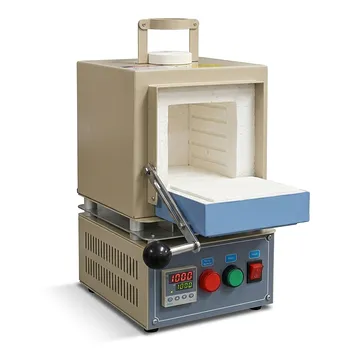
Compact 1000C Muffle Furnace with Programmable Controller and 2 Inch Top Port for Vacuum and Atmosphere Material Research