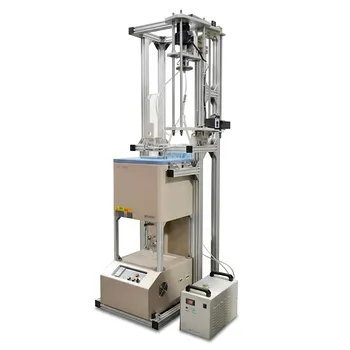
How does a Vacuum Induction Melting (VIM) furnace ensure the cleanliness of superalloys? Achieve High-Purity Results
Updated 5 months ago
Vacuum Induction Melting (VIM) ensures the cleanliness and homogeneity of superalloys by utilizing a high-vacuum environment to eliminate atmospheric contamination and employing electromagnetic stirring for uniform mixing. This process removes dissolved gases like oxygen, nitrogen, and hydrogen while preventing the oxidation of reactive elements such as aluminum and titanium. By operating without electrodes or combustion, VIM eliminates traditional sources of debris, resulting in a chemically stable, high-purity material.
Core Takeaway: VIM technology provides a controlled, contaminant-free environment that simultaneously degasses the melt and uses internal magnetic forces to ensure every part of the alloy has an identical chemical composition.
Eliminating Contamination Through Vacuum Control
The High-Vacuum Atmosphere
VIM furnaces operate in a low-pressure environment that effectively removes atmospheric oxygen and nitrogen. This prevents the formation of non-metallic inclusions that typically weaken metal structures.
Removal of Dissolved Gases
The vacuum environment facilitates the "boiling out" of dissolved gases like hydrogen and nitrogen from the molten metal. This degassing process is critical for enhancing the fracture toughness and ductility of the final superalloy.
Preventing Oxidation of Reactive Elements
Superalloys often contain active elements like Aluminum (Al) and Titanium (Ti), which react instantly with air. The vacuum inhibits this oxidation, ensuring these elements remain in the alloy to provide high-temperature strength rather than forming brittle oxides.
Evaporation of Harmful Impurities
The low pressure allows for the evaporation of low-melting-point harmful elements and volatile impurities. This refining step significantly improves the fatigue resistance and corrosion properties required for aerospace-grade materials.
Achieving Precision Homogeneity
Electromagnetic Stirring and Lorentz Forces
Homogeneity is achieved through electromagnetic stirring, which utilizes medium-frequency induction currents to create Lorentz forces within the melt. This physics-based mixing ensures the thorough distribution of alloying elements without the need for mechanical agitators.
Eliminating Mechanical Contamination
Because the stirring is generated by the induction field itself, there are no mechanical paddles or electrodes to erode into the melt. This "contactless" mixing preserves the high purity of the alloy while ensuring chemical uniformity throughout the entire batch.
Compositional Stability
The combination of vacuum control and induction heating allows for precise control over the chemical composition. This stability is essential for producing single-crystal blades and other components that must meet rigorous performance tolerances.
Refining and Pouring Integrity
The Role of the Preheated Tundish
During the pouring process, a preheated tundish is used to transition the metal from the crucible to the mold. This component acts as a final filter for any remaining non-metallics and minimizes metal turbulence.
Microstructural Density
By reducing turbulence and controlling the pouring rate, the VIM process ensures the final ingot or electrode has a high microstructural density. This leads to fewer internal defects in the final casting or forged part.
Understanding the Trade-offs
Refractory Material Interactions
While VIM eliminates atmospheric contamination, the molten metal is still in contact with the crucible's refractory lining. At high temperatures and low pressures, the melt can react with the ceramic walls, potentially introducing trace impurities if the refractory material is not carefully selected.
Selective Evaporation Risks
The vacuum that removes harmful impurities can also cause the unintended loss of desired volatile alloying elements. Process engineers must carefully manage the vacuum levels and timing to prevent the "boiling off" of necessary components like manganese or chromium.
Capital and Operational Intensity
VIM furnaces are significantly more complex and expensive to operate than air-induction or arc furnaces. The requirement for high-vacuum seals, specialized cooling, and intensive energy consumption makes this a premium melting route reserved for high-performance applications.
How to Apply This to Your Project
Making the Right Choice for Your Goal
- If your primary focus is Fatigue Resistance: Prioritize VIM for its ability to remove dissolved gases and volatile impurities that cause internal stress points.
- If your primary focus is Reactive Alloy Purity: Utilize VIM to prevent the oxidative loss of active elements like Aluminum, Titanium, and Tantalum.
- If your primary focus is Chemical Uniformity: Rely on VIM’s electromagnetic stirring to ensure a consistent distribution of elements in large-scale ingots.
- If your primary focus is Reducing Casting Defects: Ensure the use of a preheated tundish and controlled vacuum pouring to minimize turbulence and inclusions.
By leveraging the physics of high vacuums and induction currents, VIM transforms raw materials into the ultra-clean, homogeneous alloys required for the world's most demanding engineering environments.
Summary Table:
| Feature | Mechanism | Benefit to Superalloys |
|---|---|---|
| High-Vacuum | Degassing (O, N, H) | Eliminates non-metallic inclusions & improves ductility |
| Induction Stirring | Lorentz Force mixing | Ensures identical chemical composition throughout |
| Inert Environment | Oxidation prevention | Preserves reactive elements like Aluminum and Titanium |
| Refined Pouring | Preheated Tundish | Filters remaining impurities and increases ingot density |
Elevate Your Material R&D with THERMUNITS Precision Solutions
Achieving the rigorous standards of aerospace and material science requires uncompromising thermal processing equipment. THERMUNITS is a leading manufacturer of high-temperature laboratory equipment, providing the precision needed for advanced industrial R&D.
Our high-performance Vacuum Induction Melting (VIM) furnaces are specifically engineered to deliver the ultimate cleanliness and chemical homogeneity required for superalloys and reactive metals. Beyond VIM technology, we offer a comprehensive range of thermal solutions tailored to your lab's needs:
- Advanced Melting & Synthesis: CVD/PECVD systems, Vacuum Induction Melting (VIM), and Vacuum Hot Press furnaces.
- Laboratory Essentials: High-precision Muffle, Tube, and Atmosphere furnaces.
- Specialized Industrial Tools: Electric rotary kilns, Rotary furnaces, Dental furnaces, and premium Thermal Elements.
Whether you are developing next-generation single-crystal alloys or optimizing heat treatment protocols, THERMUNITS provides the reliability and technical expertise to advance your research.
Ready to upgrade your thermal processing capabilities? Contact THERMUNITS today to discuss your project requirements!
Mentioned Products
- 1900C Maximum High Temperature 7KW Vacuum Induction Melting System with 60mm Quartz Tube and Manual Temperature Control for Metallic Alloy Research
- Induction Melting Casting Furnace 1750C Vacuum High Frequency Metal Processing Unit
- Atmosphere Controlled Induction Melting Granulating Casting Furnace 1500C 5kg Capacity
- High Temperature Induction Melting System with Integrated Ultra High Purity Glove Box for Metallic Alloy Processing
- High Pressure 600T Vacuum Induction Hot Press Furnace for Advanced Material Heat Treatment and Sintering
People Also Ask
- What is the primary role of a Vacuum Induction Melting furnace in the smelting of Fe-Cr-N alloys? Ensuring High Purity
- How does a Vacuum Induction Melting furnace heat materials while preventing atmospheric contamination? Achieve High Purity
- What are the key structural components that make up a Vacuum Induction Melting (VIM) furnace system? Full Guide
- How does the skin effect influence VIM frequency selection? Optimize Heat Penetration & Stirring Efficiency
- What technical advantages does Vacuum Induction Melting offer regarding alloy homogeneity and purity? Enhance Performance

Tech Team · ThermUnits
Last updated on Apr 14, 2026
Related Products
1900C Maximum High Temperature 7KW Vacuum Induction Melting System with 60mm Quartz Tube and Manual Temperature Control for Metallic Alloy Research
Induction Melting Casting Furnace 1750C Vacuum High Frequency Metal Processing Unit
Atmosphere Controlled Induction Melting Granulating Casting Furnace 1500C 5kg Capacity
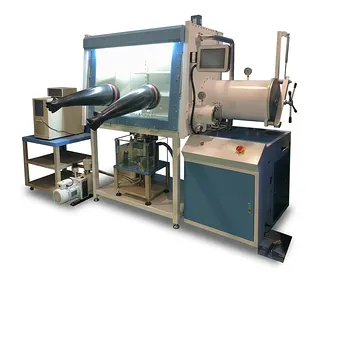
High Temperature Induction Melting System with Integrated Ultra High Purity Glove Box for Metallic Alloy Processing
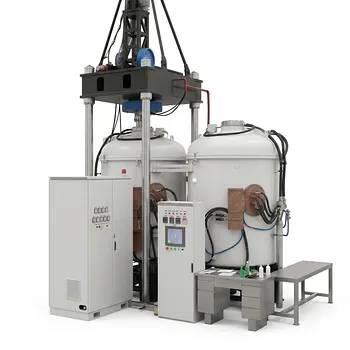
High Pressure 600T Vacuum Induction Hot Press Furnace for Advanced Material Heat Treatment and Sintering
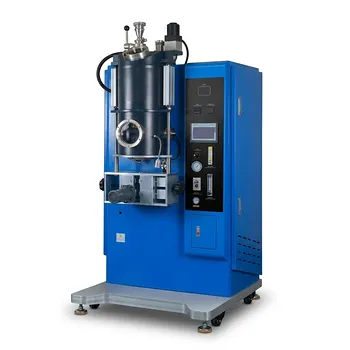
Atmosphere Controlled Continuous Casting Furnace with Secondary Charge Function for Induction Melting and Metal Alloy Wire Production
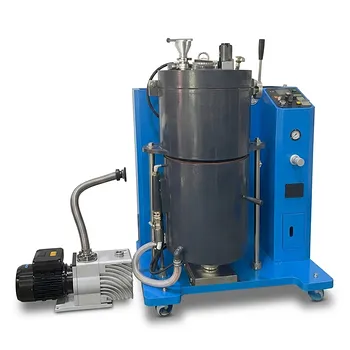
Atmosphere Controlled Induction Melting Casting System 1600C 10L Capacity
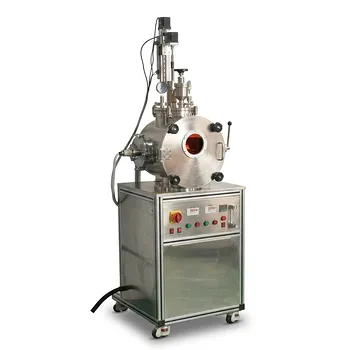
High Vacuum Melting Casting Furnace with Mechanical Stirring and Secondary Charge for Metallic Alloy Research
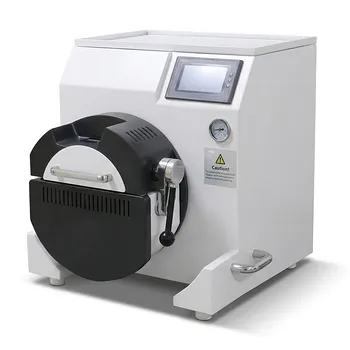
Desktop Induction Melting Furnace with Automatic Rotary Casting Function up to 1700C for Advanced Metal Alloy Research
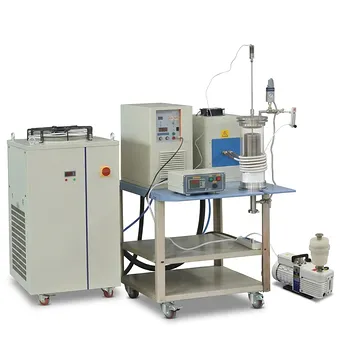
High Temperature Induction Melting System with Multi Cavity Crucible and 15KW Precision Digital Temperature Control
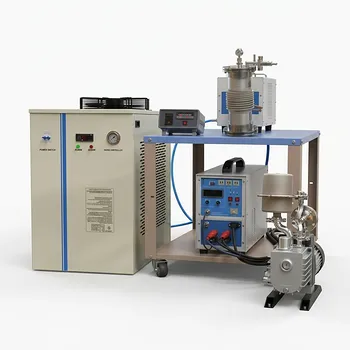
Induction Heating System with Temperature Control for High Temperature Vacuum Sintering and Melting
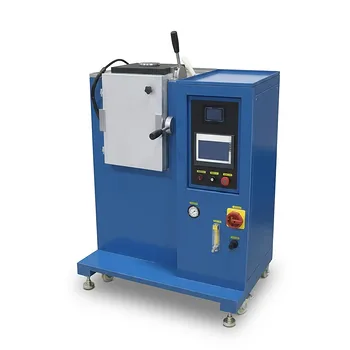
High Throughput Induction Melting and Casting Furnace for Superalloy Research 1700C Atmosphere Controlled Multi Sample System
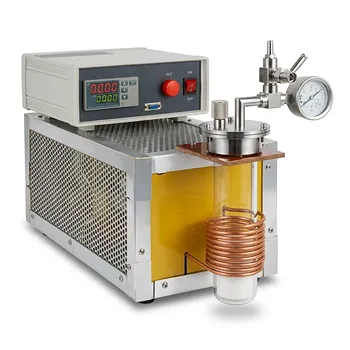
High Temperature Mini Induction Heating Furnace 1600C Laboratory Material Melting System
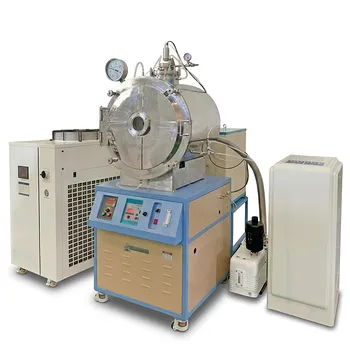
Ultra High Temperature Induction Heated Vacuum Furnace with Molten Salt Electrolysis Capability and 3000 Degree Precision Control
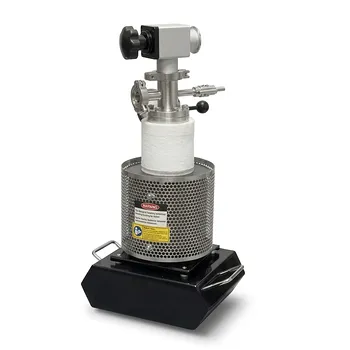
High Temperature 1100C Compact Top Loading Vertical Vacuum Tube Furnace for High Vacuum Noble Metal Melting and Material Research
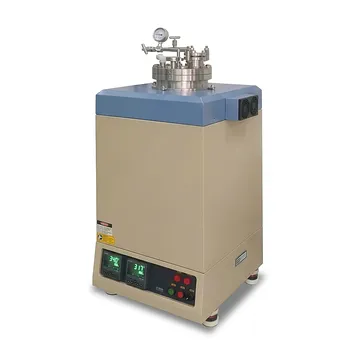
High Temperature 1000C Vacuum Furnace with 8 Inch ID Chamber for Material Sintering and Research Annealing
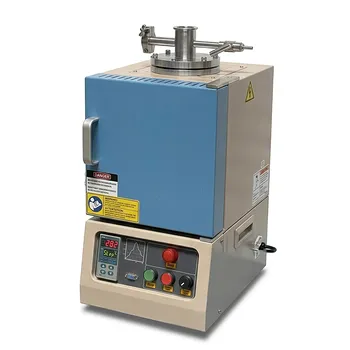
High Temperature Hybrid Muffle and Tube Furnace with Vacuum Capability and PID Control
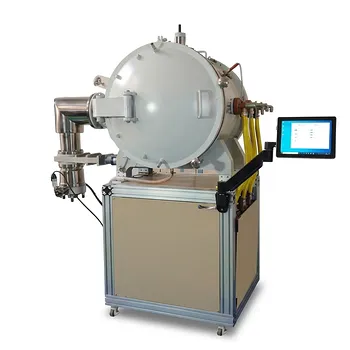
High Temperature Cold Wall Vacuum Furnace for Advanced Material Sintering and Annealing 1600C Heating Area 200x200x300mm
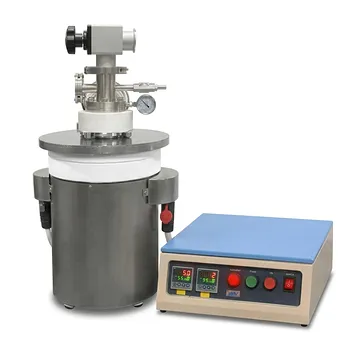
1100C High Temperature Vacuum Crucible Furnace with Quartz Chamber for Thermal Processing and Sintering