How does a Vacuum Induction Melting (VIM) furnace ensure composition precision? Mastering Purity & Homogeneity
Updated 3 months ago
A Vacuum Induction Melting (VIM) furnace ensures metal composition precision by combining electromagnetic stirring with a controlled high-vacuum environment. This dual-action process uses intermediate frequency induction currents to melt the metal while simultaneously homogenizing alloying elements at an atomic level. By operating in a vacuum, the furnace eliminates atmospheric interference, allowing for the removal of gaseous impurities and the prevention of oxidative loss.
Core Takeaway: VIM technology achieves metallurgical precision by using electromagnetic forces to ensure chemical uniformity and a high-vacuum atmosphere to strip away contaminants, resulting in high-purity alloys with exact elemental ratios.
Achieving Atomic-Level Homogeneity
The Power of Electromagnetic Stirring
The VIM furnace utilizes intermediate frequency induction currents to generate eddy currents within the metal charge. These currents do more than just melt the material; they create a vigorous electromagnetic stirring effect. This motion ensures that all alloying elements are distributed uniformly throughout the melt pool, preventing localized concentration gradients.
Consistency in Specialty Alloys
In research settings, even minor variations in composition can alter the physical properties of an alloy. The constant stirring action provides a chemical homogeneity that is difficult to achieve with traditional melting methods. This allows researchers to produce samples that are consistent from the first pour to the last.
Purification via Vacuum Dynamics
Elimination of Gaseous Interstitials
The high-vacuum environment is critical for removing dissolved gases such as oxygen, nitrogen, and hydrogen. By stripping these "interstitial" elements, the VIM furnace prevents the formation of unwanted oxides or nitrides that could weaken the alloy's structure. This results in a material with higher microstructural density and superior mechanical properties.
Removal of Volatile Impurities
Operating under vacuum conditions facilitates the evaporation of low-vapor-pressure impurities. These volatile contaminants are "boiled off" the molten metal, further refining the purity of the sample. This purification process is essential for high-performance applications in the aerospace and nuclear sectors.
Preventing Oxidative Degradation
Many specialty alloys contain active elements that react aggressively with oxygen at high temperatures. The vacuum shield prevents secondary oxidation, ensuring that these expensive or sensitive elements remain in the alloy rather than being lost to slag. This preservation of active elements is the cornerstone of hitting precise composition targets.
Understanding the Trade-offs
Refractory Interaction
While the vacuum protects the melt from the air, the molten metal can still react with the crucible lining (refractories). At high temperatures and low pressures, certain metals may pull oxygen or silicon from the crucible walls. Researchers must carefully select refractory materials that are chemically compatible with the specific alloy being developed.
Loss of Desired Volatile Elements
The same vacuum that removes impurities can also inadvertently remove desirable alloying elements with high vapor pressures, such as manganese or chromium. To counteract this, operators must often backfill the furnace with an inert gas, like argon, to create a "partial pressure" environment. This step balances purification with the need to keep the intended composition intact.
How to Apply This to Your Project
Refining Your Research Strategy
To maximize the effectiveness of a VIM furnace in your research, consider your primary metallurgical goal:
- If your primary focus is extreme purity: Operate at the highest possible vacuum levels and extend the "hold time" to allow for maximum degassing and impurity evaporation.
- If your primary focus is hitting exact element percentages: Use a partial pressure of inert gas during the addition of volatile elements to prevent them from boiling off.
- If your primary focus is reactive alloy development: Select high-purity zirconia or alumina crucibles to minimize contamination from the furnace lining during the melting cycle.
By mastering the balance between electromagnetic homogenization and vacuum purification, researchers can consistently produce the high-performance materials required for tomorrow's technology.
Summary Table:
| Feature | Mechanism | Benefit to Research |
|---|---|---|
| Electromagnetic Stirring | Intermediate frequency induction currents | Ensures atomic-level chemical homogeneity throughout the melt. |
| High-Vacuum Environment | Stripping of dissolved gases (O, N, H) | Prevents oxidative loss and removes gaseous impurities/inclusions. |
| Impurity Evaporation | Low-vapor-pressure boiling | Eliminates volatile contaminants for ultra-high material purity. |
| Partial Pressure Control | Inert gas backfilling (e.g., Argon) | Balances purification while preventing loss of desired volatile elements. |
Elevate Your Material Research with THERMUNITS
THERMUNITS is a leading manufacturer of high-temperature laboratory equipment dedicated to material science and industrial R&D. We offer a comprehensive suite of thermal processing solutions designed for precision and reliability, including:
- Vacuum Induction Melting (VIM) Furnaces for high-purity alloy development.
- Muffle, Atmosphere, and Tube Furnaces for versatile heat treatments.
- CVD/PECVD Systems and Hot Press Furnaces for advanced material synthesis.
- Rotary Kilns, Dental Furnaces, and Thermal Elements tailored to your specific needs.
Whether you are working in aerospace, nuclear, or specialized metallurgy, our equipment ensures the exact composition and performance your project demands.
Ready to optimize your thermal processing? Contact our expert team today to discuss your requirements!
References
- Dawei Yi, H. J. Lü. Nano‐LaMnO<sub>3</sub> Modified Separator for Enhanced Redox Reaction Kinetics and Electrochemical Performance of Lithium‐Sulfur Batteries. DOI: 10.1002/cnma.202300633
Mentioned Products
- 1900C Maximum High Temperature 7KW Vacuum Induction Melting System with 60mm Quartz Tube and Manual Temperature Control for Metallic Alloy Research
- Induction Melting Casting Furnace 1750C Vacuum High Frequency Metal Processing Unit
- High Temperature Induction Melting System with Integrated Ultra High Purity Glove Box for Metallic Alloy Processing
- Atmosphere Controlled Induction Melting Granulating Casting Furnace 1500C 5kg Capacity
- Atmosphere Controlled Induction Melting Casting System 1600C 10L Capacity
People Also Ask
- What is the primary role of a Vacuum Induction Melting furnace in the smelting of Fe-Cr-N alloys? Ensuring High Purity
- How does a Vacuum Induction Melting furnace heat materials while preventing atmospheric contamination? Achieve High Purity
- What are the key structural components that make up a Vacuum Induction Melting (VIM) furnace system? Full Guide
- How does the skin effect influence VIM frequency selection? Optimize Heat Penetration & Stirring Efficiency
- What technical advantages does Vacuum Induction Melting offer regarding alloy homogeneity and purity? Enhance Performance

Tech Team · ThermUnits
Last updated on Jun 02, 2026
Related Products
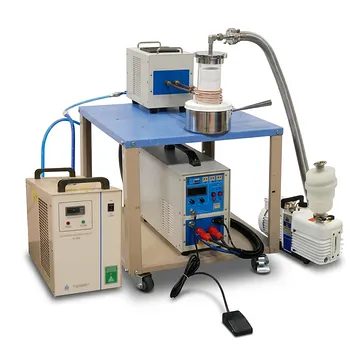
1900C Maximum High Temperature 7KW Vacuum Induction Melting System with 60mm Quartz Tube and Manual Temperature Control for Metallic Alloy Research
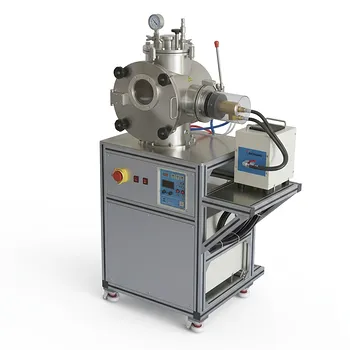
Induction Melting Casting Furnace 1750C Vacuum High Frequency Metal Processing Unit
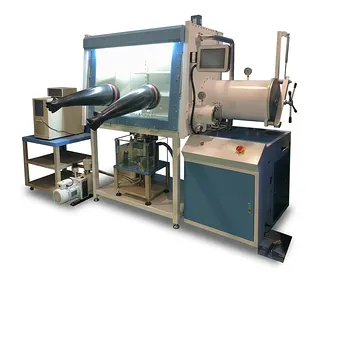
High Temperature Induction Melting System with Integrated Ultra High Purity Glove Box for Metallic Alloy Processing
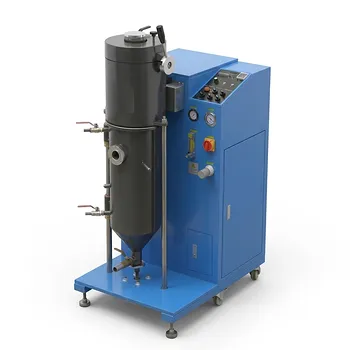
Atmosphere Controlled Induction Melting Granulating Casting Furnace 1500C 5kg Capacity
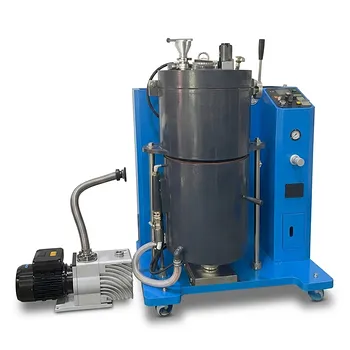
Atmosphere Controlled Induction Melting Casting System 1600C 10L Capacity
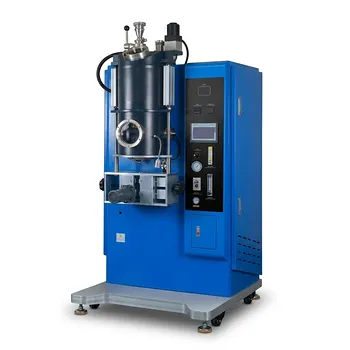
Atmosphere Controlled Continuous Casting Furnace with Secondary Charge Function for Induction Melting and Metal Alloy Wire Production
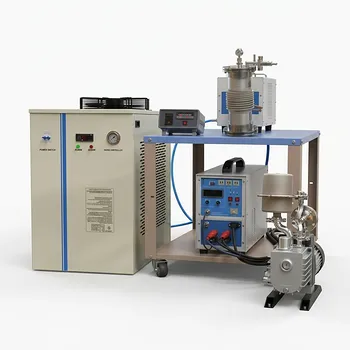
Induction Heating System with Temperature Control for High Temperature Vacuum Sintering and Melting
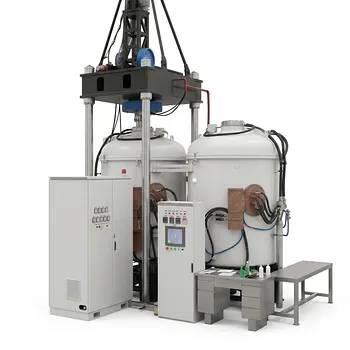
High Pressure 600T Vacuum Induction Hot Press Furnace for Advanced Material Heat Treatment and Sintering
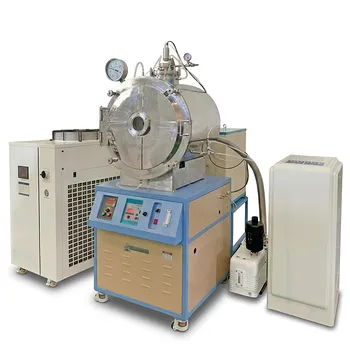
Ultra High Temperature Induction Heated Vacuum Furnace with Molten Salt Electrolysis Capability and 3000 Degree Precision Control
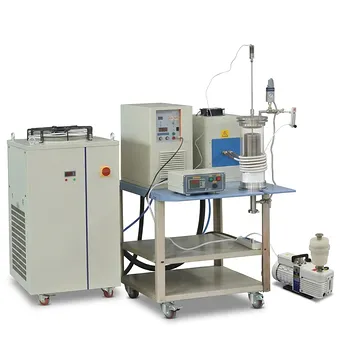
High Temperature Induction Melting System with Multi Cavity Crucible and 15KW Precision Digital Temperature Control
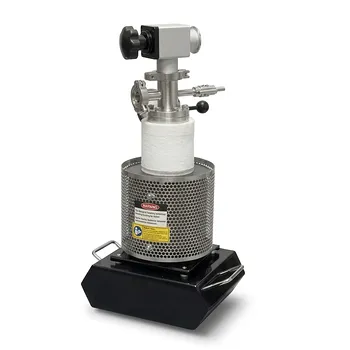
High Temperature 1100C Compact Top Loading Vertical Vacuum Tube Furnace for High Vacuum Noble Metal Melting and Material Research
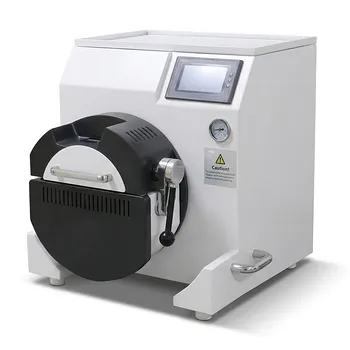
Desktop Induction Melting Furnace with Automatic Rotary Casting Function up to 1700C for Advanced Metal Alloy Research
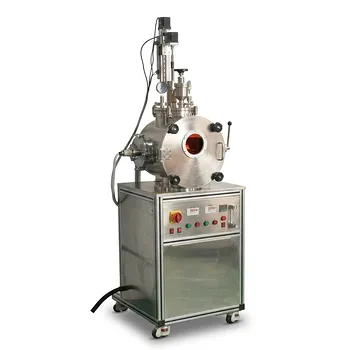
High Vacuum Melting Casting Furnace with Mechanical Stirring and Secondary Charge for Metallic Alloy Research
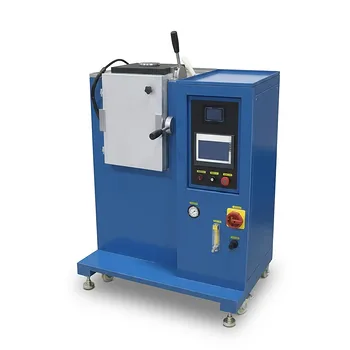
High Throughput Induction Melting and Casting Furnace for Superalloy Research 1700C Atmosphere Controlled Multi Sample System
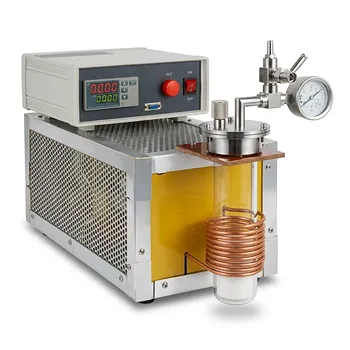
High Temperature Mini Induction Heating Furnace 1600C Laboratory Material Melting System
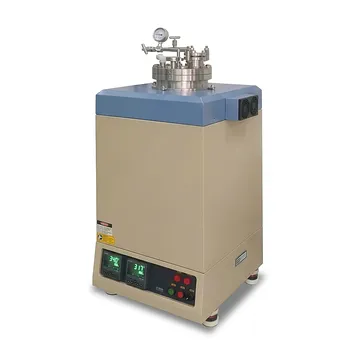
High Temperature 1000C Vacuum Furnace with 8 Inch ID Chamber for Material Sintering and Research Annealing
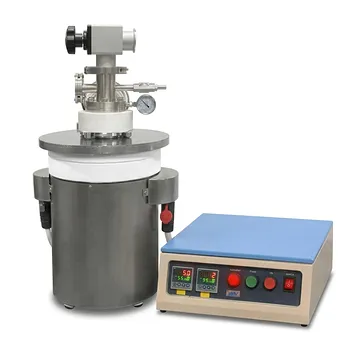
1100C High Temperature Vacuum Crucible Furnace with Quartz Chamber for Thermal Processing and Sintering
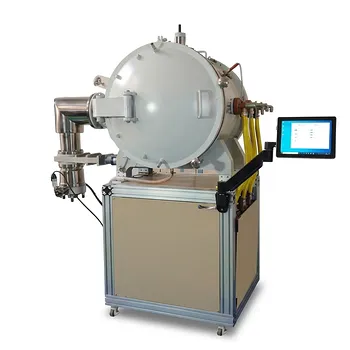
High Temperature Cold Wall Vacuum Furnace for Advanced Material Sintering and Annealing 1600C Heating Area 200x200x300mm
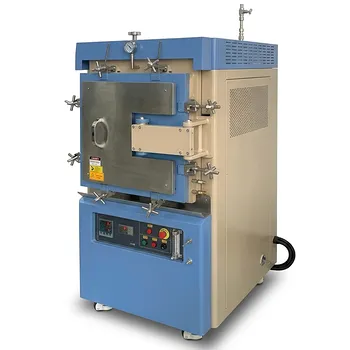
Atmosphere Controlled Muffle Furnace 1700C Maximum Temperature 80L High Capacity Vacuum Inert Gas Box Furnace
