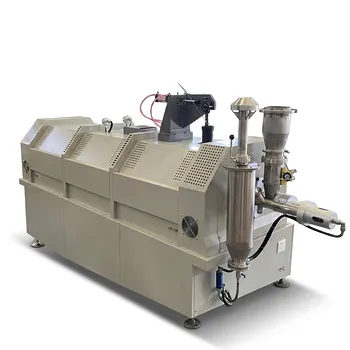
How does precise steam injection in a rotary furnace affect pore size? Engineering Superior Activated Carbon
Updated 3 months ago
Precise steam injection acts as a surgical instrument for pore engineering. By using industrial-grade pumps to modulate the injection rate and duration, operators can trigger a controlled carbon-water gasification reaction that etches and expands the carbon skeleton. This precision allows for the intentional transition from a purely microporous structure to a microporous-mesoporous composite, specifically designed to capture large-molecule pollutants.
Core Takeaway: The ability to regulate steam flow determines the final architecture of the carbon pores; precise control enables the widening of fine micropores into mesopores, which is essential for removing complex contaminants like PFAS and pharmaceutical residues.
The Mechanics of Pore Etching and Expansion
The Carbon-Water Gasification Reaction
Steam functions as a physical activating agent that interacts with carbon atoms at high temperatures. This gasification reaction removes carbon from the internal structure, effectively "carving" out a network of voids.
Clearing Tar and Impurities
In the initial stages, the steam flow clears residual tars and impurities that block the existing carbon structure. This process opens up latent micropores, significantly increasing the initial specific surface area of the material.
Transitioning to Mesoporous Structures
As the duration and volume of steam injection increase, the steam etches the walls of existing micropores. This process causes them to merge and expand, creating a hierarchical pore system with a high mesopore ratio.
Integrating Thermal Precision with Steam Flow
The Impact of Temperature on Activation
The reaction between steam and carbon is endothermic, meaning it requires a precisely maintained thermal environment. High-temperature furnaces provide the energy necessary for steam to effectively etch the carbon surface without losing momentum.
Optimizing the Burn-Off Rate
Minor variations in temperature significantly alter the burn-off rate, which is the amount of carbon lost during activation. Precise thermal control ensures that the burn-off is uniform, maximizing the BET specific surface area while maintaining the material's integrity.
The Role of Controlled Heating Rates
Implementing a slow heating rate, often between 3°C and 5°C per minute, allows volatile components to escape gradually. This prevents the violent eruption of gases, which can cause structural damage and lead to an uneven pore size distribution.
Understanding the Trade-offs
Yield vs. Adsorption Capacity
Increasing steam injection enhances the formation of mesopores but also increases the overall burn-off of the material. A higher mesopore ratio often comes at the cost of total product yield, requiring a balance between adsorption performance and economic efficiency.
The Risk of Pore Wall Collapse
If temperatures exceed optimal thresholds—such as reaching 700°C in certain sensitive materials—the internal structure may sinter or collapse. This destruction of pore walls leads to a drastic loss of adsorption sites and reduces the carbon’s effectiveness.
Kinetic Energy and Structural Stability
While high temperatures promote faster adsorption kinetics by widening pores, they can also weaken the physical "skeleton" of the activated carbon. Over-activation results in a fragile material that may break down during handling or in water treatment columns.
How to Apply This to Your Project
When configuring a rotary activation furnace, your steam injection strategy should align with the specific molecular size of your target contaminant.
- If your primary focus is removing small-molecule VOCs: Maintain a lower steam injection rate and shorter duration to preserve a high volume of micropores.
- If your primary focus is treating PFAS or pharmaceuticals: Increase the steam injection duration to promote the conversion of micropores into a mesoporous composite structure.
- If your primary focus is maximizing structural durability: Utilize a slow heating rate (under 5°C/min) and strictly cap the maximum activation temperature to prevent sintering.
Mastering the synergy between steam flow and thermal stability allows you to transform raw carbon into a high-performance filter tailored for the most challenging environmental pollutants.
Summary Table:
| Parameter | Effect on Pore Structure | Primary Application |
|---|---|---|
| Low Steam Flow | Preserves Micropores | Removing small-molecule VOCs |
| High Steam Flow | Develops Mesopores | Capturing PFAS & pharmaceuticals |
| Precise Thermal Control | Uniform Burn-off | Maximizing BET surface area & yield |
| Slow Heating Rate | Prevents Pore Collapse | Maintaining structural durability |
Elevate Your Thermal Processing with THERMUNITS
Precise pore engineering requires equipment designed for absolute stability and control. THERMUNITS is a leading manufacturer of high-temperature laboratory equipment for material science and industrial R&D. We provide the advanced thermal solutions necessary to transform raw materials into high-performance filters.
Our comprehensive range includes:
- Rotary Kilns & Tube Furnaces: Ideal for precise gasification and activation processes.
- Muffle, Vacuum, & Atmosphere Furnaces: For versatile heat treatment under controlled environments.
- CVD/PECVD & Hot Press Systems: Specialized solutions for advanced material synthesis.
- VIM & Dental Furnaces: High-purity melting and specialized ceramic processing.
Whether you are optimizing activated carbon for environmental remediation or developing new composites, our equipment ensures the thermal precision your project demands. Contact our technical experts today to find the perfect furnace for your laboratory or industrial R&D needs.
References
- Taher Selmi, Alain Celzard. Enhancing micropollutant removal efficiency using sustainable activated charcoal. DOI: 10.1016/j.jece.2024.114855
Mentioned Products
- Electric Rotary Kiln Small Rotary Furnace for Activated Carbon Regeneration
- 900°C Max Rotary Tube Furnace with 8 Inch 310S Alloy Tube and Optional Multi Zone Heating for Industrial Material Calcination
- Mini Rotary Tubular Furnaces for Precision Powder Heat Treatment and Thermogravimetric Analysis
- 1500C 3-Zone Rotary Tube Furnace 60mm with Automatic Powder Feeding and Receiving System for Continuous Material Synthesis
- High Temperature Rotary Tilt Tubular Furnaces for Advanced Powder Sintering and Material Processing
People Also Ask
- What are the primary components and heating mechanisms of an electric rotary kiln? Optimize High-Purity Heat Treatment
- Which minerals and specialty chemicals are commonly processed using electric rotary kilns? Precision Thermal Processing Guide
- What are the maintenance and service life advantages of an electric rotary kiln? 25+ Year Longevity & Low Maintenance
- How does the use of an electric rotary kiln facilitate CO2 capture in cement and lime production? Achieve High-Purity CCUS
- What thermal efficiency can be expected from an electric rotary kiln compared to fuel-fired alternatives? Gain 95% efficiency.

Tech Team · ThermUnits
Last updated on Jun 02, 2026
Related Products
Electric Rotary Kiln Small Rotary Furnace for Activated Carbon Regeneration
900°C Max Rotary Tube Furnace with 8 Inch 310S Alloy Tube and Optional Multi Zone Heating for Industrial Material Calcination
Mini Rotary Tubular Furnaces for Precision Powder Heat Treatment and Thermogravimetric Analysis
1500C 3-Zone Rotary Tube Furnace 60mm with Automatic Powder Feeding and Receiving System for Continuous Material Synthesis
High Temperature Rotary Tilt Tubular Furnaces for Advanced Powder Sintering and Material Processing
High Temperature 1700C Dual Zone Rotary Tube Furnace with 60mm Alumina Tube and Precision Rotation Control
Three Zone Rotary Tube Furnace for High Temperature Powder Processing and Material Research
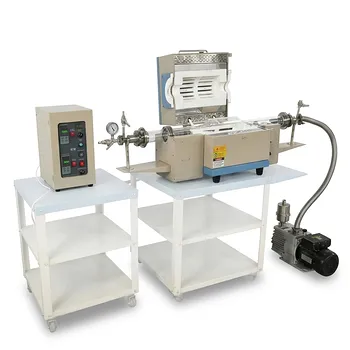
Two Zone Rotary Tube Furnace for Powder CVD Coating and Core Shell Material Synthesis 1100C
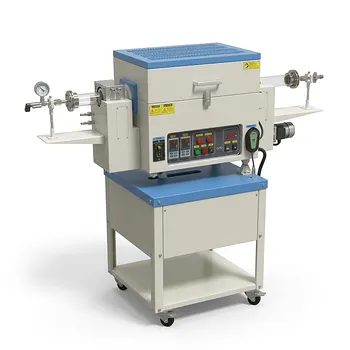
4 Inch Two Zone Rotary CVD Tube Furnace for High Temperature Battery Material Synthesis and Advanced Material Calcination
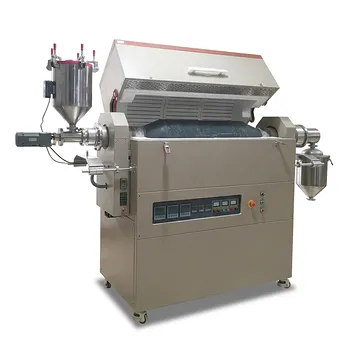
High Temperature Tilting Rotary Tubular Furnace for Continuous Powder Thermal Processing and Controlled Atmosphere Sintering
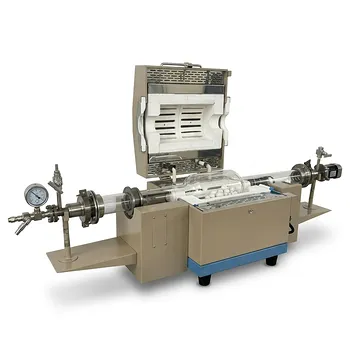
High Temperature Rotary Tube Furnace with Integrated Ball Milling and Gas Flow Function for Powder Nitriding
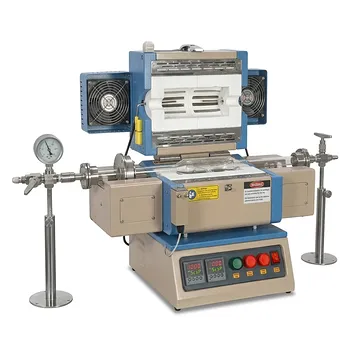
Dual Zone Rotary Tube Furnace for Uniform Powder Calcination 1000C 2 Inch Quartz Tube
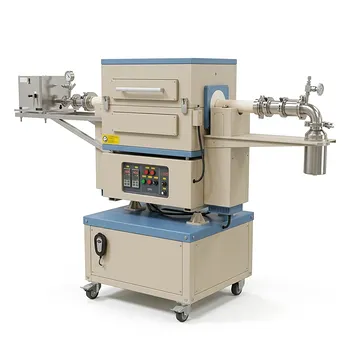
1500C Max Dual Zone Rotary Tube Furnace with 60 mm OD Alumina Tube for High Temperature Material Synthesis
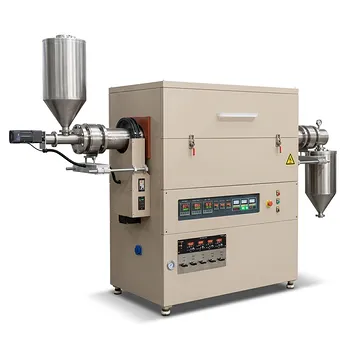
High Temperature Tilting Rotary Tube Furnace with Integrated Mass Flow Control and Multi Zone Heating
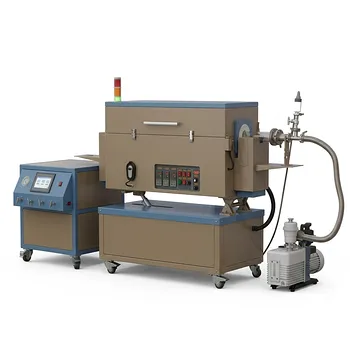
5 Inch Three Zone Rotary Tube Furnace with Integrated Gas Delivery System and 1200C Capability for Advanced Material CVD Processing
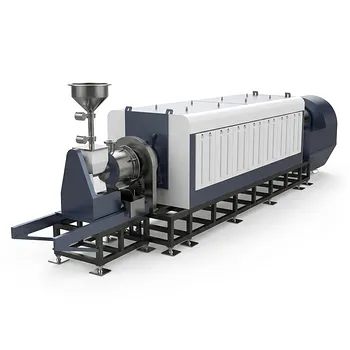
Electric Rotary Kiln Small Rotary Furnace Biomass Pyrolysis Plant
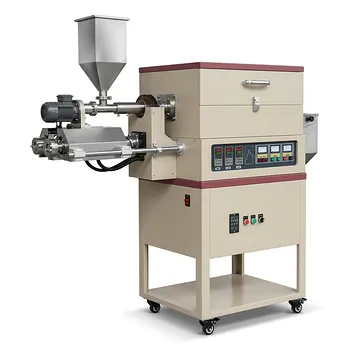
Laboratory Tilting Rotary Tubular Furnaces for Material Science and Industrial Heat Treatment
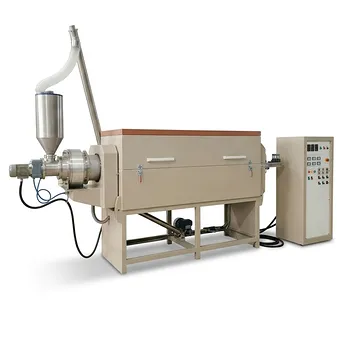
Continuous Feeding Rotary Tube Furnace for Industrial Powder Heat Treatment and Material Research
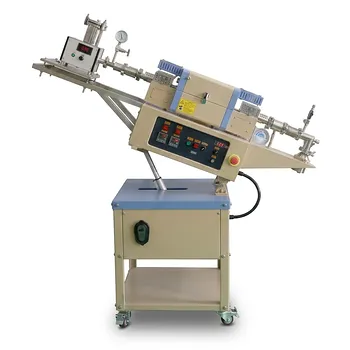
1100°C Dual Zone Rotary Tube Furnace with Automatic Feeding and Collection System for Continuous Powder Processing