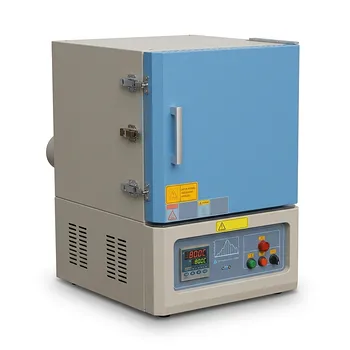
What critical process conditions does a high-temperature muffle furnace provide for FePO4 crystal structure synthesis?
Updated 3 months ago
The high-temperature muffle furnace provides a stable thermal field and precise temperature control required to drive the phase transformation of Iron Phosphate (FePO4). By maintaining specific calcination parameters, such as 600 °C for five hours, the furnace enables the material to transition from an amorphous state into a stable, high-crystallinity olivine-type structure. This process is critical for the formation of unobstructed 1D ion diffusion channels, which dictate the material's efficiency in lithium-ion intercalation.
Core Takeaway: A muffle furnace acts as the thermodynamic engine that converts disordered precursors into organized crystal lattices. Its primary value lies in its ability to provide the uniform heat and duration necessary to ensure high crystallinity and optimal ion transport pathways.
Driving the Amorphous-to-Crystalline Transformation
Establishing the Thermodynamic Driving Force
The furnace provides the essential thermal energy required to break existing chemical bonds in precursor powders. This energy serves as the thermodynamic driving force that allows atoms to rearrange themselves into a more stable, ordered configuration.
Facilitating the Olivine-Type Phase Transition
During the heating cycle, the material shifts from a disordered amorphous state to a structured olivine-type crystal. This specific crystal geometry is vital for the material’s structural stability during subsequent chemical applications.
Maintaining Thermodynamic Equilibrium
By providing a constant temperature environment, the furnace ensures that the reaction system stays in equilibrium. This stability supports a slow, controlled crystallization process, which is necessary for achieving a uniform internal structure.
Precision Control for Functional Architecture
Engineering 1D Ion Diffusion Channels
The formation of unobstructed 1D ion diffusion channels is highly dependent on the "soak time" and temperature stability within the furnace. These channels are the "highways" for lithium ions, and any thermal fluctuation can lead to structural defects that block these paths.
Optimizing Lithium-Ion Intercalation Capacity
The precise execution of temperature programs—such as calcining at exactly 600 °C—directly impacts the electrochemical performance of the final product. High crystallinity achieved in the furnace results in a higher capacity for lithium-ion storage and release.
Regulating Grain Size and Phase Composition
The furnace's ability to maintain a uniform thermal field prevents localized overheating, which could cause irregular grain growth. Controlled heating ensures that the phase composition remains consistent throughout the entire batch of material.
Understanding the Trade-offs and Pitfalls
The Risk of Excessive Sintering
While high temperatures are required for crystallinity, excessive heat or prolonged exposure can lead to over-sintering. This causes grain coarsening, which reduces the surface area and can lengthen the diffusion paths for ions, ultimately degrading performance.
Temperature Fluctuations and Phase Impurity
Inconsistent thermal fields within the furnace chamber can lead to "cold spots" or "hot spots." These fluctuations may result in incomplete phase transitions or the formation of unwanted secondary phases that compromise the purity of the Iron Phosphate.
Balancing Time and Energy Efficiency
There is a critical balance between the duration of calcination and the quality of the crystal structure. Shorter cycles may save energy but result in poor crystallinity, while excessively long cycles may not offer marginal gains in structure while increasing production costs.
How to Optimize Your Calcination Strategy
Establishing the correct furnace parameters is essential for achieving the desired material properties. The following recommendations are based on typical processing goals for Iron Phosphate.
- If your primary focus is Maximum Ion Conductivity: Prioritize a stable, mid-range temperature (approx. 600 °C) with an extended soak time to ensure 1D channels are fully formed and unobstructed.
- If your primary focus is High Phase Purity: Utilize a multi-stage heating program to ensure all precursors are fully decomposed and transformed before reaching the final crystallization temperature.
- If your primary focus is Nanostructure Integrity: Implement a strictly controlled cooling rate after calcination to prevent internal stresses and cracking within the crystal lattice.
The precision of the muffle furnace’s thermal environment is the deciding factor in whether Iron Phosphate becomes a high-performance electrochemical component or an inert powder.
Summary Table:
| Process Condition | Impact on Iron Phosphate (FePO4) | Critical Outcome |
|---|---|---|
| Stable Thermal Field | Breaks chemical bonds in precursor powders | Amorphous-to-crystalline transformation |
| Precise Temperature (600°C) | Drives olivine-type phase transition | High-crystallinity structural stability |
| Extended Soak Time | Engineers 1D ion diffusion channels | Optimized Li-ion intercalation capacity |
| Uniform Heat Distribution | Regulates grain size and phase composition | Prevention of impurities and over-sintering |
Elevate Your Material Research with THERMUNITS Precision
Achieving the perfect crystal structure in Iron Phosphate (FePO4) requires more than just heat—it requires the absolute thermal precision of a THERMUNITS furnace. As a leading manufacturer of high-temperature laboratory equipment for material science and industrial R&D, we empower researchers to master complex phase transformations with ease.
Whether you are engineering next-generation lithium-ion batteries or exploring advanced ceramics, our comprehensive range of thermal solutions—including Muffle, Vacuum, Atmosphere, Tube, Rotary, and Hot Press furnaces, as well as CVD/PECVD systems—provides the stability and control your work demands.
Ready to optimize your calcination strategy?
Contact THERMUNITS Today to discuss your specific heat treatment requirements and discover how our advanced furnace technology can accelerate your R&D breakthroughs.
References
- Xiaoyu Zhao, Yanfei Wang. Enhanced Lithium Extraction from Brines: Prelithiation Effect of FePO<sub>4</sub> with Size and Morphology Control. DOI: 10.1002/advs.202405176
Mentioned Products
- 1200C High Temperature Muffle Furnace with Motorized Door and Automated PC Control for Industrial Sintering and Material Processing 27 Liter
- High Temperature Muffle Furnace with Alloy Chamber for Debinding and Sintering Applications
- 1200C High Temperature 125L Muffle Furnace 5 Side Heating for Large Batch Sintering with Optional Alloy Debinding Chamber
- Large Bench Top 1700C High Temperature Muffle Furnace with 19L Chamber for Advanced Material Sintering and Annealing
- 1800°C Bench Top Ultra High Temperature Muffle Furnace with Sapphire Observation Window and Top Feeding Port for Materials Research and Thermal Processing
People Also Ask
- What is the role of a High-Temperature Muffle Furnace in the synthesis of bulk graphitic carbon nitride (CN)? Expert Guide
- What safety features are standard in high-temperature muffle furnaces? Essential Guide to Laboratory Equipment Safety
- What is the purpose of preheating charcoal in a high-temperature muffle furnace? Ensure Accuracy in Zinc Reduction.
- What is the role of a high-temperature muffle furnace or tube furnace in the preparation of Na2WO4/SiO2 catalysts?
- What role does a high-temperature muffle furnace play in ash content analysis? Ensure Purity & Adsorption Efficiency

Tech Team · ThermUnits
Last updated on Jun 03, 2026
Related Products
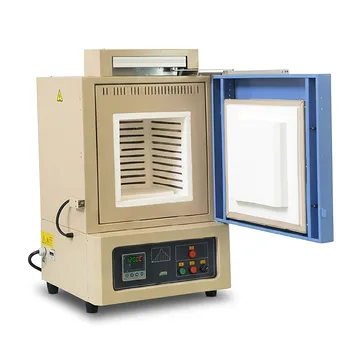
1200C High Temperature Muffle Furnace with Motorized Door and Automated PC Control for Industrial Sintering and Material Processing 27 Liter
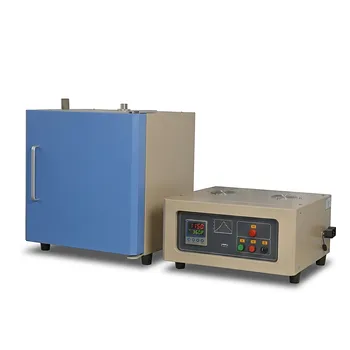
High Temperature Muffle Furnace with Alloy Chamber for Debinding and Sintering Applications
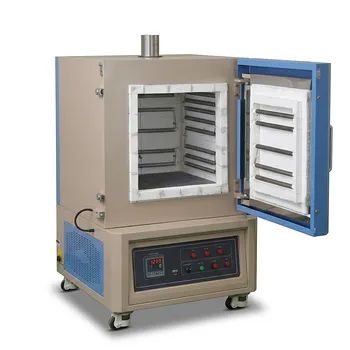
1200C High Temperature 125L Muffle Furnace 5 Side Heating for Large Batch Sintering with Optional Alloy Debinding Chamber
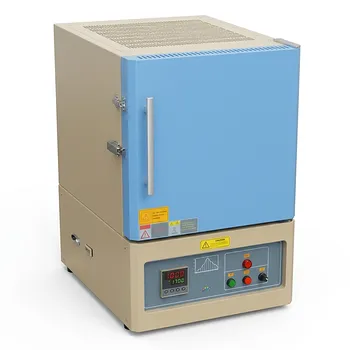
Large Bench Top 1700C High Temperature Muffle Furnace with 19L Chamber for Advanced Material Sintering and Annealing
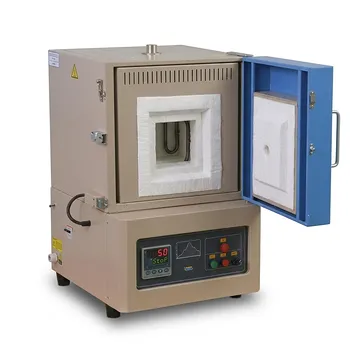
1800°C Bench Top Ultra High Temperature Muffle Furnace with Sapphire Observation Window and Top Feeding Port for Materials Research and Thermal Processing
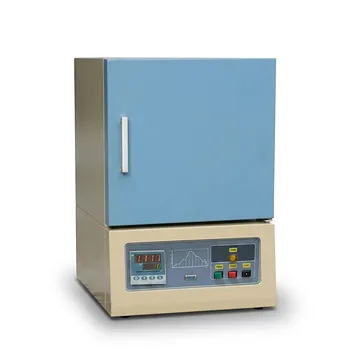
Ultra High Temperature Bench Top Muffle Furnace 1750C Sintering System with Kanthal Super Heating Elements and Precision Digital Control
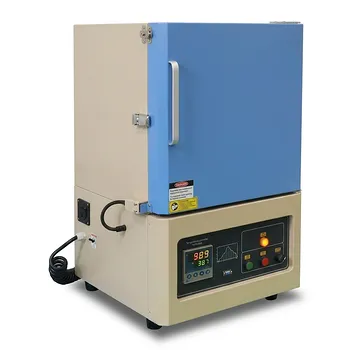
1200°C High Temperature Muffle Furnace 19L Chamber with 50 Segment Programmable Controller
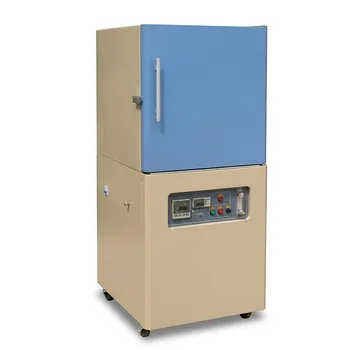
High Temperature Muffle Furnace with Dual Controllers and 36L Large Chamber 1700C Max
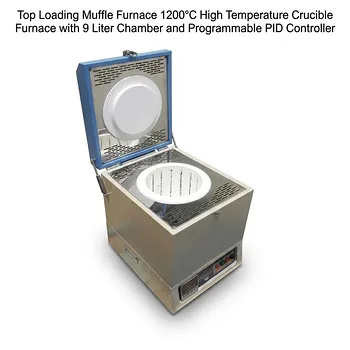
Top Loading Muffle Furnace 1200°C High Temperature Crucible Furnace with 9 Liter Chamber and Programmable PID Controller
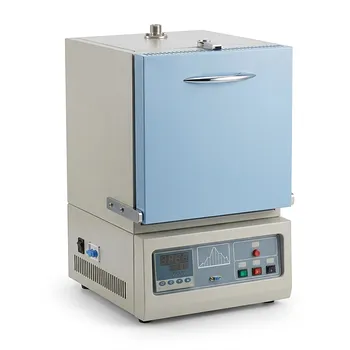
1750C Compact Muffle Furnace 1.7L Ultra High Temperature Laboratory Sintering System for Advanced Ceramics and Material Science Research
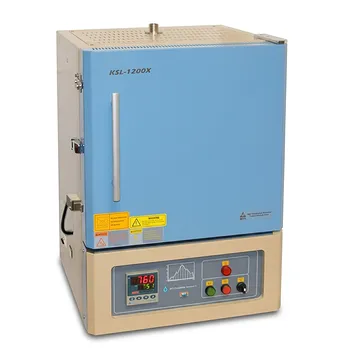
High Temperature 1200C Muffle Furnace 27L Volume 12x12x12 Chamber with Programmable PID Controller for Laboratory Material Science
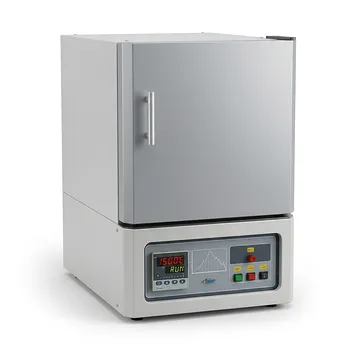
High Temperature 1500C Benchtop Muffle Furnace 3.6L Alumina Fiber Chamber Programmable Controller Sintering Annealing Carbonization Thermal Processing System
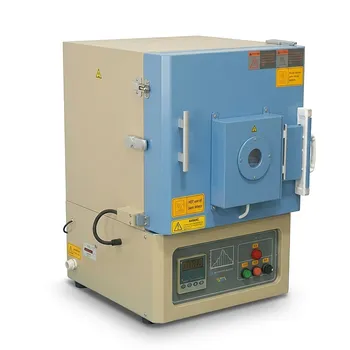
High Temperature Benchtop Muffle Furnace 1500C with 3.6L Chamber and Quartz Observation Window
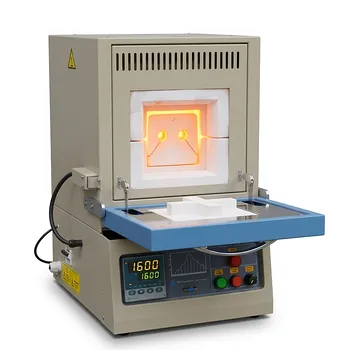
High Temperature Compact Muffle Furnace 1700 C with 30 Segment Programmable Controller and 1.7L Cubic Chamber
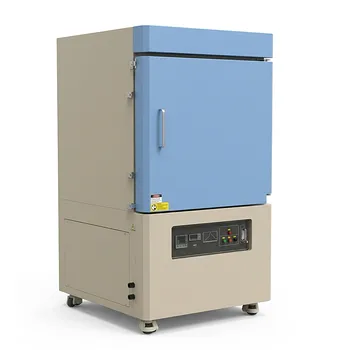
Industrial Large Box Furnace 1700C 216L High Temp Muffle Sintering System
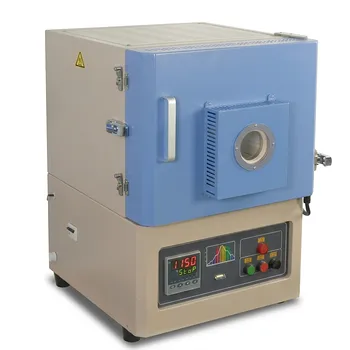
High Temperature Benchtop Muffle Furnace with Quartz Observation Window for Thermal Imaging and Material Analysis
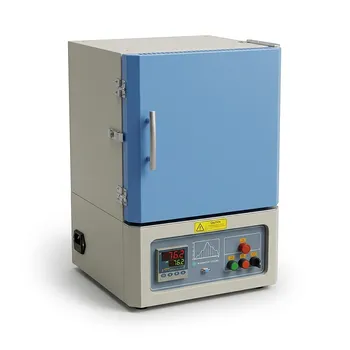
1750C Bench Top Muffle Furnace 3.6L High Grade Molybdenum Disilicide Heating Elements Laboratory Heat Treatment Equipment
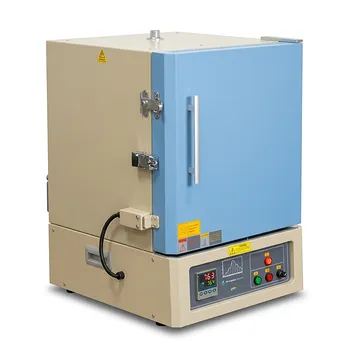
Large Capacity 1200C Muffle Furnace 64 Liter Chamber with Digital PID Controller and Built In Venting Port
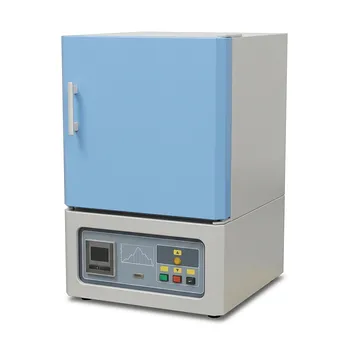
1800C Bench Top Muffle Furnace with Kanthal Super 1900 Heating Elements and 3.6L Alumina Fiber Chamber